#covid-19-prevention
#covid-19-prevention
[ follow ]
#public-health #vaccination #global-health #measles #vaccine-hesitancy #influenza #hiv #pandemic-preparedness




US politics
fromThe Atlantic
2 weeks agoWho's In Charge of Vaccines Now?
A federal judge ruled the Trump administration likely violated the law by dismissing the CDC's vaccine advisory panel and replacing it with vaccine-skeptical members, then altering childhood immunization schedules without proper input.
fromNews 12 - Default
2 weeks agoSevere mpox strain detected in NYC
The Clade I case involves an individual who recently traveled outside of the United States. The NYC Health Department urges individuals who have sex with men and identify as male, trans, nonbinary, genderqueer or gender nonconforming to get vaccinated.
NYC LGBT
Coronavirus
fromwww.scientificamerican.com
2 weeks agoCOVID probably killed 150,000 more people in its first two years than official U.S. tolls show
COVID-19 deaths in the U.S. during 2020-2021 may have reached nearly one million when accounting for approximately 150,000-160,000 unrecorded deaths, with disproportionate impact on marginalized populations.
fromThe Atlantic
2 weeks agoI Remember a World Without Vaccines
I am open-minded; I believe in integrative practices, and I agree that the medical establishment can be arrogant and unduly influenced by the pharmaceutical industry, which now funds so much of medical research. But I fully understand Scherer's frustration with his interminable discussions with Kennedy about scientific articles.
Coronavirus
Science
fromNature
1 month agoDaily briefing: COVID's origins - what we do and don't know
Horses produce two-toned vocalizations simultaneously using their vocal folds and larynx cartilage to convey complex messages, while AI threatens research programming jobs and Japan approves stem cell therapies with limited trial data.
fromNature
3 weeks agoPrevent pandemics through One Health commitments
Risks of outbreaks with pandemic potential rise with increasing land-use change, biodiversity loss and climate change. The Pandemic Agreement adopted by the World Health Assembly in 2025 marks a historic shift that establishes the One Health approach as a legally binding obligation for pandemic prevention.
Public health
Coronavirus
fromArs Technica
3 weeks agoWe study pandemics, and the resurgence of measles is a grim sign of what's coming
Measles outbreaks impose substantial economic costs through containment, medical expenses, and productivity losses, while declining vaccination coverage threatens control of multiple infectious diseases.

#measles-outbreak
Public health
fromwww.theguardian.com
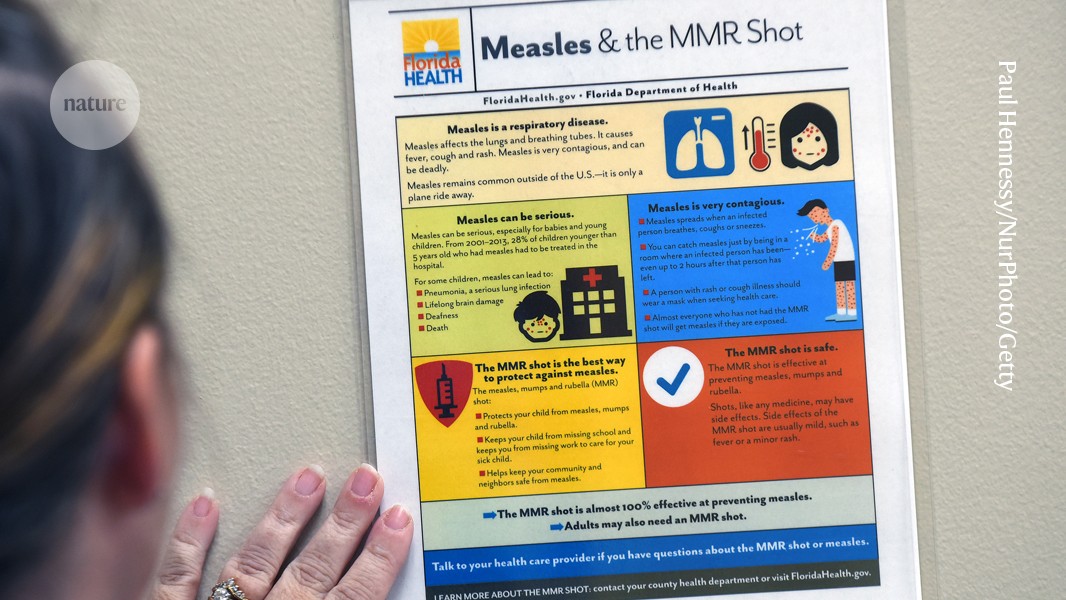
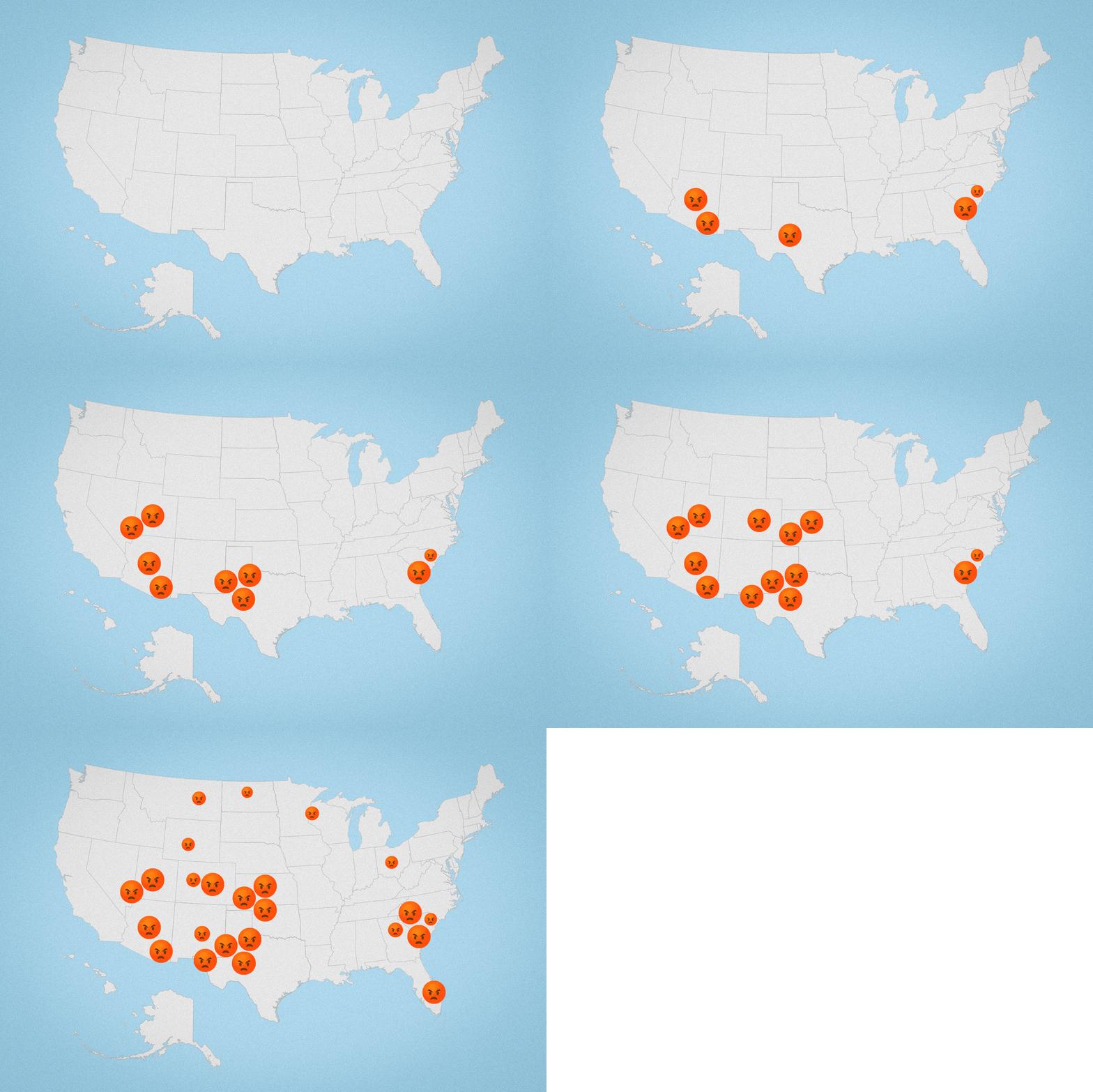
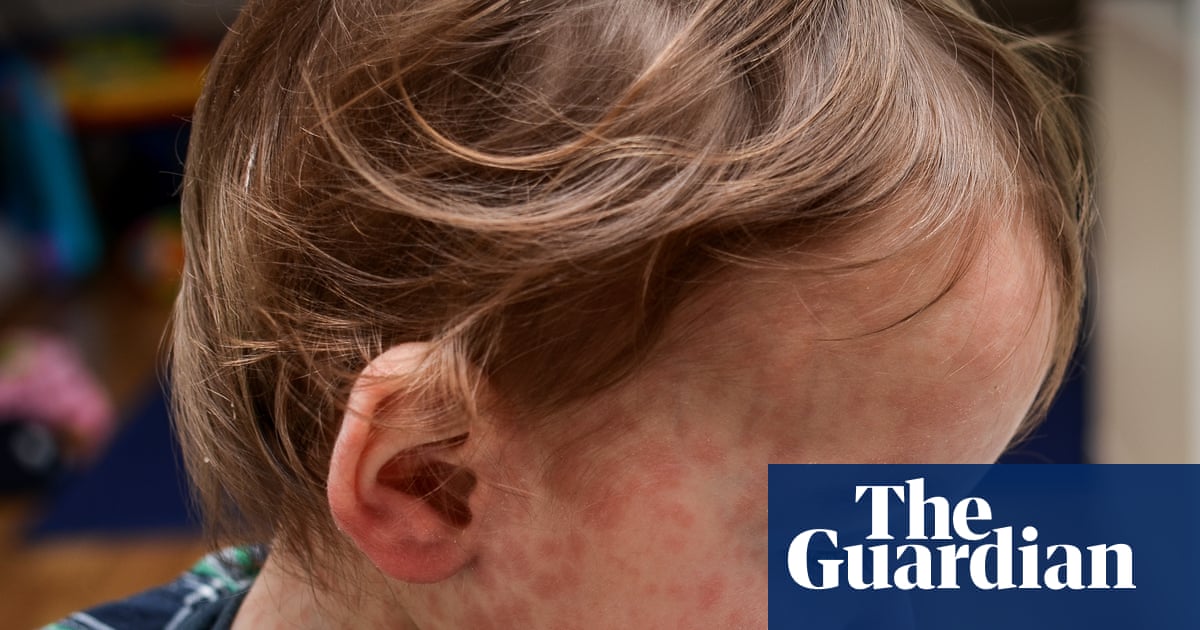
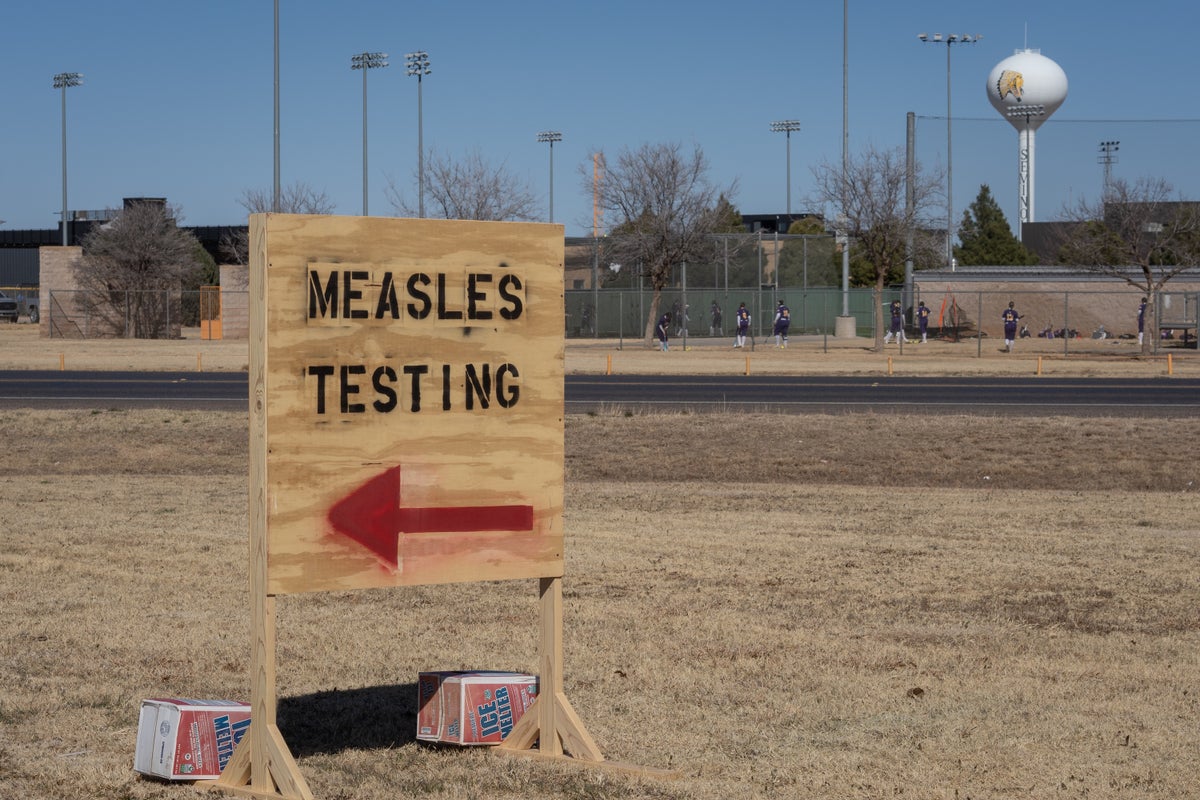
1 month agoTrump administration is failing to address spread of measles, experts say
The Trump administration has inadequately responded to accelerating measles spread exceeding 1,000 cases, with CDC leadership dismissing the outbreak as routine business costs while messaging confusion undermines vaccine confidence.
fromsfist.com
2 months agoDay Around the Bay: First New Measles Case of 2026 Has Arrived in the Bay Area
We now have our first confirmed measles case of 2026 in the Bay Area and the first of 2026 in California as an unvaccinated international traveler apparently brought some back home to San Mateo County. Though first of 2026 may not be that distinct of a deal, considering we saw another new measles case in Contra Costa County when there was still two more days in 2025. [KQED]
US politics
fromwww.theguardian.com
1 month agoViruses don't know borders': US anti-vaccine rhetoric could impact global measles crisis
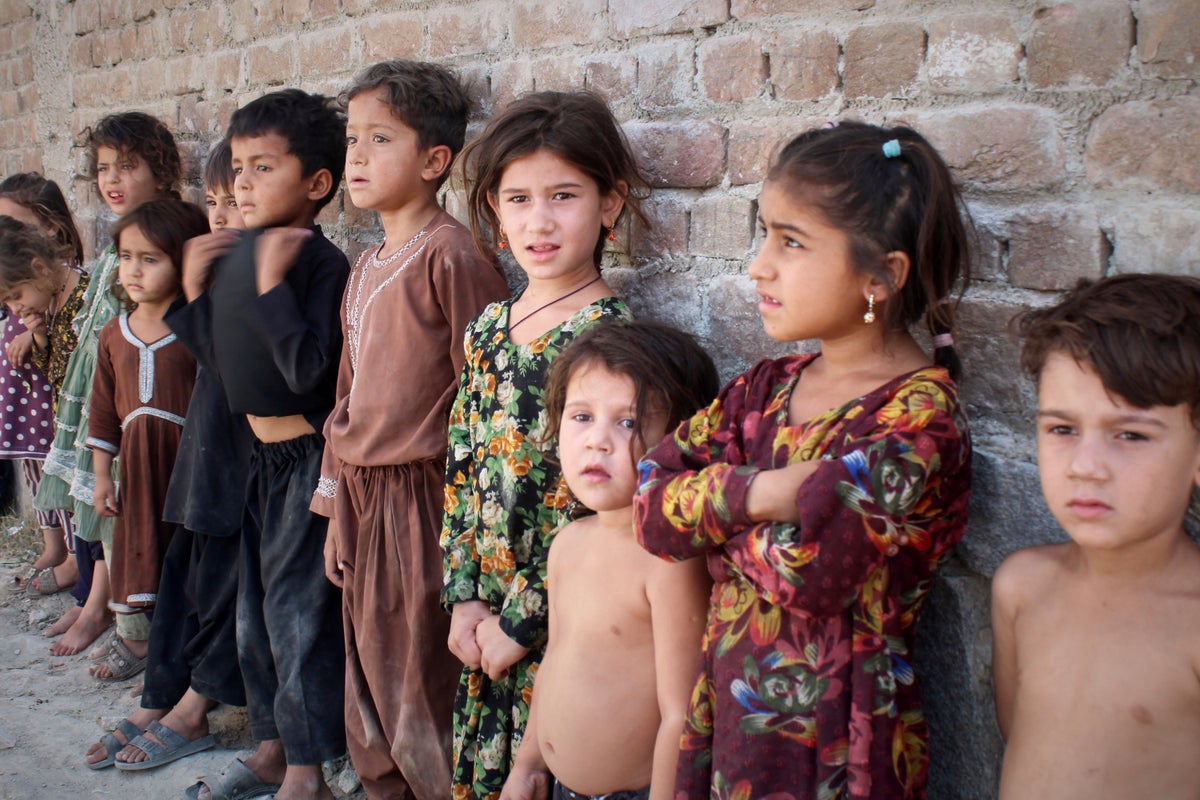
The World Health Organization announced in late January that six European countries: the United Kingdom, Spain, Austria, Armenia, Azerbaijan and Uzbekistan had all officially lost their measles elimination status, which means the virus has been circulating continuously in those countries for more than 12 months.
Public health
fromABC7 Los Angeles
2 months agoUS completes withdrawal from World Health Organization
But it's hardly a clean break. The U.S. owes more than $130 million to the global health agency, according to WHO. And Trump administration officials acknowledge that they haven't finished working out some issues, such as lost access to data from other countries that could give America an early warning of a new pandemic. The withdrawal will hurt the global response to new outbreaks and will hobble the ability of U.S. scientists and pharmaceutical companies to develop vaccines and medicines against new threats, said Lawrence Gostin, a public health law expert at Georgetown University.
World news
Public health
fromTruthout
1 month agoPublic Health Agencies Struggle to Keep Up With Rising Tuberculosis Cases
Tuberculosis cases and containment costs are rising nationwide, with Johnson County, Iowa experiencing a tripling of latent infections and costs surging from $17,000 to $65,000 annually, while state funding for contact tracing has been withdrawn.
fromwww.npr.org
1 month agoWhy it's a bit surprising that the U.S. is attending a key global flu meeting
Each day, they pore over reams of data about how the virus is evolving worldwide, how well last year's shot performed, and which strains might be easiest to mass produce for a vaccine. The meeting, convened by the World Health Organization twice a year, is a critical moment for the WHO's Global Influenza Surveillance and Response System.
Public health
fromwww.aljazeera.com
2 months agoGlobal health's defining test
Perhaps the most significant milestone was the adoption by WHO Member States of the Pandemic Agreement, a landmark step towards making the world safer from future pandemics. Alongside this, amendments to the International Health Regulations came into force, including a new pandemic emergency alert level designed to trigger stronger global cooperation. And to sustainably finance the WHO's work, governments in a historic show of support increased their contributions to our core budget.
Public health
fromPsychology Today
2 months agoA Virus Is Rising Exponentially This Month
We see the percentage of outpatients' visits for influenza-like illnesses (proven influenza cases and not tested but similar cases) in 2025 and the beginning of 2026, compared to the last few years. The current outbreak is represented by a dark red line that is higher than in previous years and is expected to continue rising with the start of school this week.
Public health

fromLondon Business News | Londonlovesbusiness.com
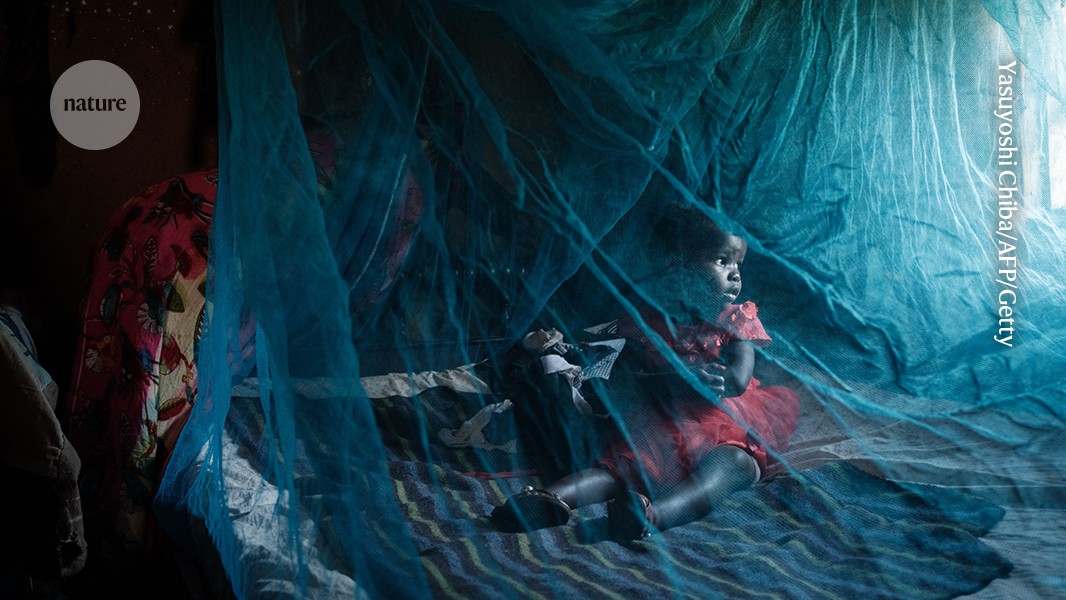
2 months agoNHS warns the 'worst is far from over' as a new flu variant is spreading - London Business News | Londonlovesbusiness.com
It's clear that the worst is far from over for the NHS this winter, with hospitals again experiencing a rise in patients admitted with flu and other respiratory virus cases last week.
Public health

fromInsideHook
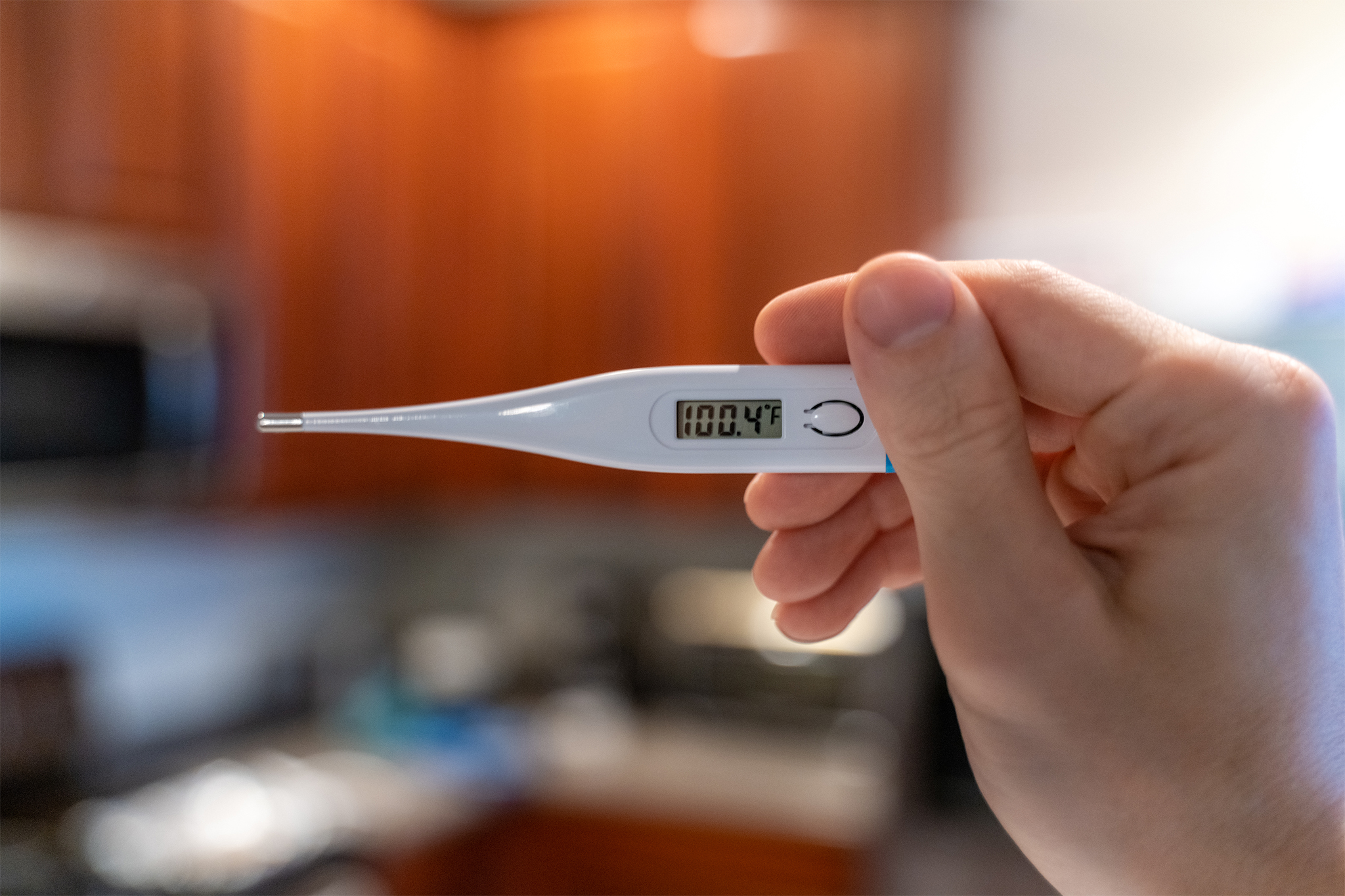
1 month agoWhat Happens When the CDC Issues Fewer Alerts?
If you're based in the United States, you've probably gotten used to government bodies issuing nationwide alerts - including ones that relate to public health. These have, historically, been good ways for health-conscious people to know what to look out for and for regional public health experts to develop strategies to help keep potential outbreaks contained.Unfortunately, now both individuals and institutions are reckoning with a big question: what to do when those warnings are much smaller in number?
Public health
Public health
fromkffhealthnews.org
2 months agoTrump policies at odds with emerging understanding of COVID's long-term harm
SARS-CoV-2 can produce diverse, long-term health harms while federal policy has narrowed vaccine recommendations and paused development contracts despite calls for sustained research and monitoring.
[ Load more ]