#crab-hunting
#crab-hunting
[ follow ]
#seafood #food-safety #crab-cakes #sustainability #marine-conservation #cioppino #dungeness-crab #seafood-cooking
:max_bytes(150000):strip_icc()/TAL-seafood-platter-SEAFOODGUIDE0326-9da549aabce64725b101f3dc9957c7cd.jpg)
fromArs Technica
1 week agoHow new fishing tech can reduce bycatch of turtles and other creatures
"There are not very many conservation issues that I'm aware of where industry and conservationists and consumers and the fishermen and the resource users all want the same thing. Every stakeholder wants less bycatch."
Pets
fromPinkNews | Latest lesbian, gay, bi and trans news | LGBTQ+ news
1 week agoScientists discover rare intersex crab with male and female features
The bodies of the crabs displayed male reproductive structures, while other parts showcased female features, including gonopores, said K.S. Anoop Das.
OMG science

Food & drink
fromTasting Table
2 weeks agoHere's When You Can Expect To Find Captain D's Lobster Rolls On Menus Again - Tasting Table
Captain D's lobster rolls, made with real North Atlantic lobster and served on toasted rolls for around $4.99 for two sandwiches, are a seasonal limited-time offering that returns periodically throughout the year.
fromJezebel
2 weeks agoWake Up! A New Nonbinary Crab Just Dropped
In a recent study published in the zoology journal Crustaceana, scientists working in Silent Valley National Park reported a new variety of the crab that exhibits both male and female traits. Our new crab friends, of the species Vela carli, are freshwater dwellers that hang out in the streams of the Western Ghats in India.
OMG science
Environment
fromwww.scientificamerican.com
3 weeks agoCrabs are cannibalizing one another with surprising rapacity in parts of the Chesapeake Bay
Blue crabs in Chesapeake Bay cannibalize each other at such high rates that they are their own primary predatory force, accounting for 97 percent of crab deaths and injuries over a 36-year study.
fromTasting Table
3 weeks agoThe 'Oyster Capital Of The East Coast' Isn't The State You Might Expect - Tasting Table
East Coast oysters are known and loved over the world for the clean minerality and distinctive salinity, which is reflective of the cold Atlantic waters where they come from. Although Maine and Maryland get a lot of credit, oysters are present along the continent's entire eastern coast, as far north as Canada's Prince Edward Island all the way down to South Florida.
Silicon Valley food
fromThe Mercury News
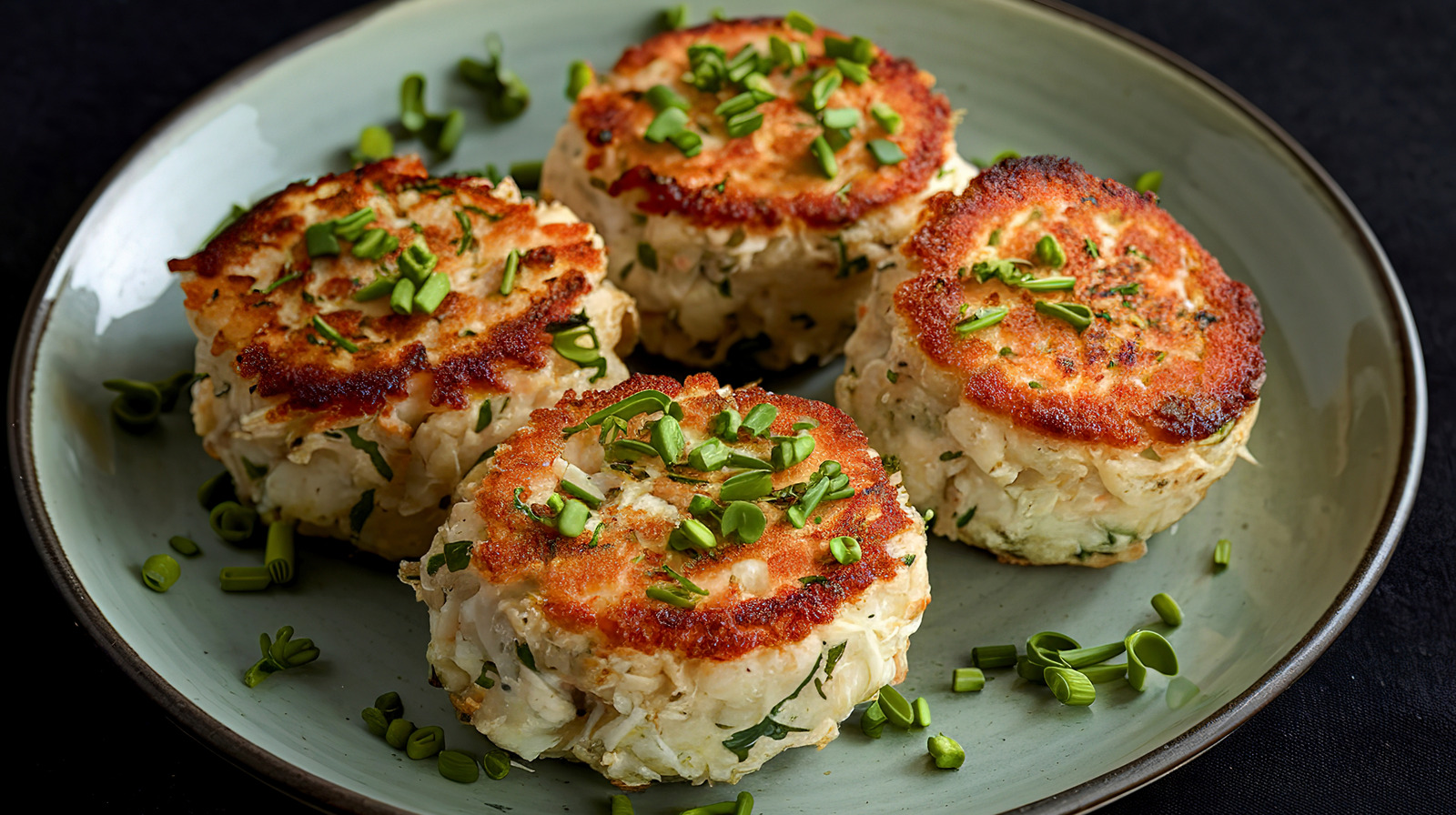
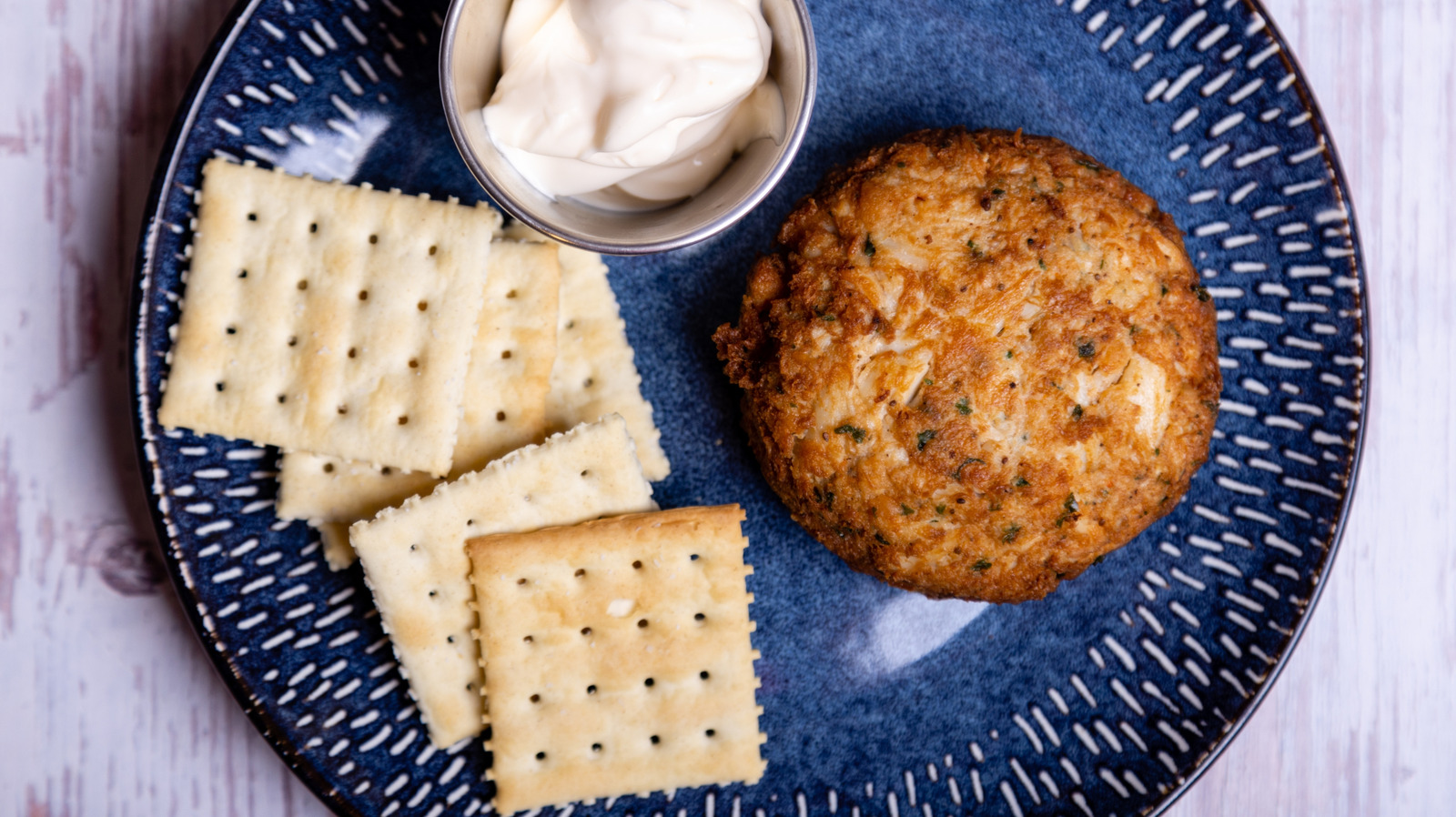
3 weeks agoRecipe: Dungeness Crab Cakes with panko and herbs from National Geographic
Nearly 40 miles of untamed coastline are protected in Redwood National and State Parks in Northern California. This means that besides viewing the massive, jaw-dropping trees, visitors can also meander the Pacific Ocean's edge, marvel at cliffs and perhaps even spot a gray whale. Of course, the sea's bounty also provides a delicious meal at the end of a drive or a hike.
LA food
US politics
fromSlate Magazine
3 weeks agoGuess What Pete Hegseth's Department of Defense Is Spending an Absurd Amount of Money On
The U.S. Department of Defense spent $81.5 million on lobster tails in 2025 across over 1,600 transactions, exemplifying wasteful government spending during the fiscal year-end budget cycle.
Food & drink
fromTasting Table
3 weeks agoThe Popular Seafood Appetizer That Restaurant Workers Say They Don't Order - Tasting Table
Health authorities recommend eating only cooked oysters due to risks from Vibrio bacteria, Salmonella, and norovirus that cannot be detected by appearance, smell, or taste.
fromBoston.com
3 weeks agoMaine's catch of lobster declines again as high costs and climate change impact industry
The haul of lobsters, Maine's best known export and a key piece of the state's identity and culture, has declined every year since 2021, and some scientists have cited as a reason warming oceans that spur migration to Canadian waters.
Miscellaneous
SF food
fromThe Infatuation
3 weeks agoThe Best Cioppino In San Francisco - San Francisco - The Infatuation
Cioppino, a San Francisco classic invented by fishermen over a century ago, remains an iconic dish combining tomato broth and mixed seafood, with several top establishments serving it throughout the city.
fromThe Takeout
1 month agoYour Guide To The Types Of East Coast Oysters - The Takeout
Generally, East Coast oysters are brinier than West Coast oysters. Eastern oysters, raised either in the Atlantic Ocean or in its estuaries, live in a much saltier environment. West Coast oysters are mostly raised in protected bays, estuaries, and tidal rivers, where there is much less salt.
Silicon Valley food
Agriculture
fromEater
1 month agoHow One Farm Raises the Rarest, Most Expensive Mollusk in America
The Cultured Abalone Farm in Santa Barbara is the primary source of commercially farmed red abalone in the U.S., supplying restaurants nationwide while supporting conservation efforts for nearly extinct wild populations.
East Bay food
fromTasting Table
1 month agoThe 16 Absolute Best Spots For Seafood In And Around Seattle - Tasting Table
Seattle's seafood restaurants offer diverse dining experiences from casual fish and chips to fine dining, featuring fresh local catches like oysters, Dungeness crab, salmon, geoduck, and cod with distinctive mineral and clean flavor profiles.
Cooking
fromTasting Table
1 month agoHere's What Sam's Club Seafood Boil Kit Gets You For Just Under $100 - Tasting Table
Sam's Club offers a Maker's Mark Seafood Boil Kit for $98.98 that arrives pre-packaged with all frozen ingredients, requiring only 30 minutes of cooking time and serving multiple people.
Environment
fromABC7 San Francisco
1 month agoTracking fisherman to track fish: The new technological approach to better understand ocean life
Global Fishing Watch uses AIS transponder data and artificial intelligence to track fishing vessels worldwide, providing unprecedented visibility into global fishing fleet movements and activities.
Environment
fromABC7 San Francisco
1 month agoHere's how newly approved pop-up traps could extend Bay Area crab season: 'A hard-fought battle'
Ropeless pop-up crab traps received statewide approval in California, allowing commercial fishing while reducing whale entanglements and enabling reliable, trackable deployments.
Miscellaneous
fromwww.theguardian.com
1 month agoIt's betrayal': Shetland's scallop fishers brace for arrival of UK's largest salmon farm
Approval of the UK's largest planned salmon farm in Shetland intensifies conflict between local scallop fishers and fish-farm operators over ecological and economic strain.
US politics
fromwww.independent.co.uk
2 months agoOnions and chips keep washing up on England's south coast. Here's why
Container losses during storms deposited consumer goods on UK shores, offering oceanographers a rare real-time opportunity to study currents while highlighting the global scale of containerized trade.
fromTasting Table
2 months agoThe Difference Between Saltwater Vs Freshwater Shrimp - Tasting Table
When it comes to the list of the most popular seafood in the U.S., shrimp is far and away the most consumed. While we tend to think of seafood as coming from saltwater oceans, this list also includes freshwater fish, clams and shrimp. It's true that most of shrimp we eat comes from saltwater habitats, but freshwater shrimp has its place at the table. Setting aside the distinction between shrimp and prawns, there are some key differences between freshwater and saltwater shrimp that you should know.
Food & drink

fromTasting Table
2 months agoYou Need To Stop Throwing Out The Green Part Of Lobsters ASAP - Tasting Table
But when you pull off that tail section, you will reveal inside the cavity something that stands out against all of the pink and white flesh - a strange green paste. For many bib-clad lobster eaters, this green stuff ends up in the bin along with the scraps of cracked and empty shells, but they don't know what they are missing. That green paste is called tomalley, and despite its potentially off-putting appearance, it's a part of the lobster experience begging to be savored.
Cooking
Food & drink
fromTasting Table
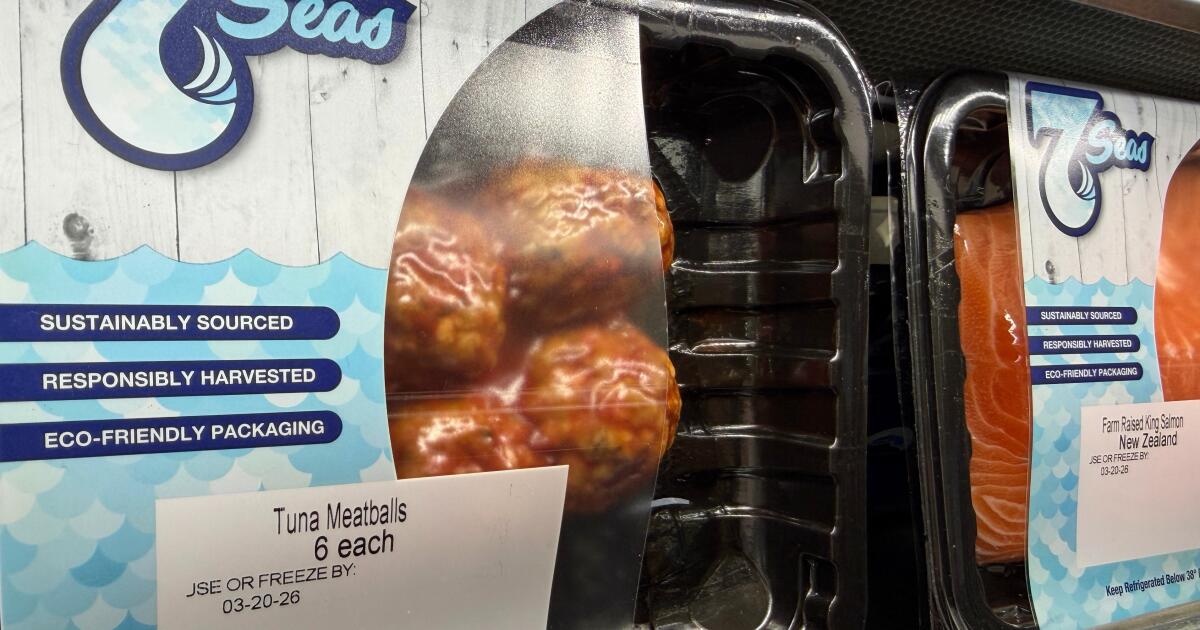
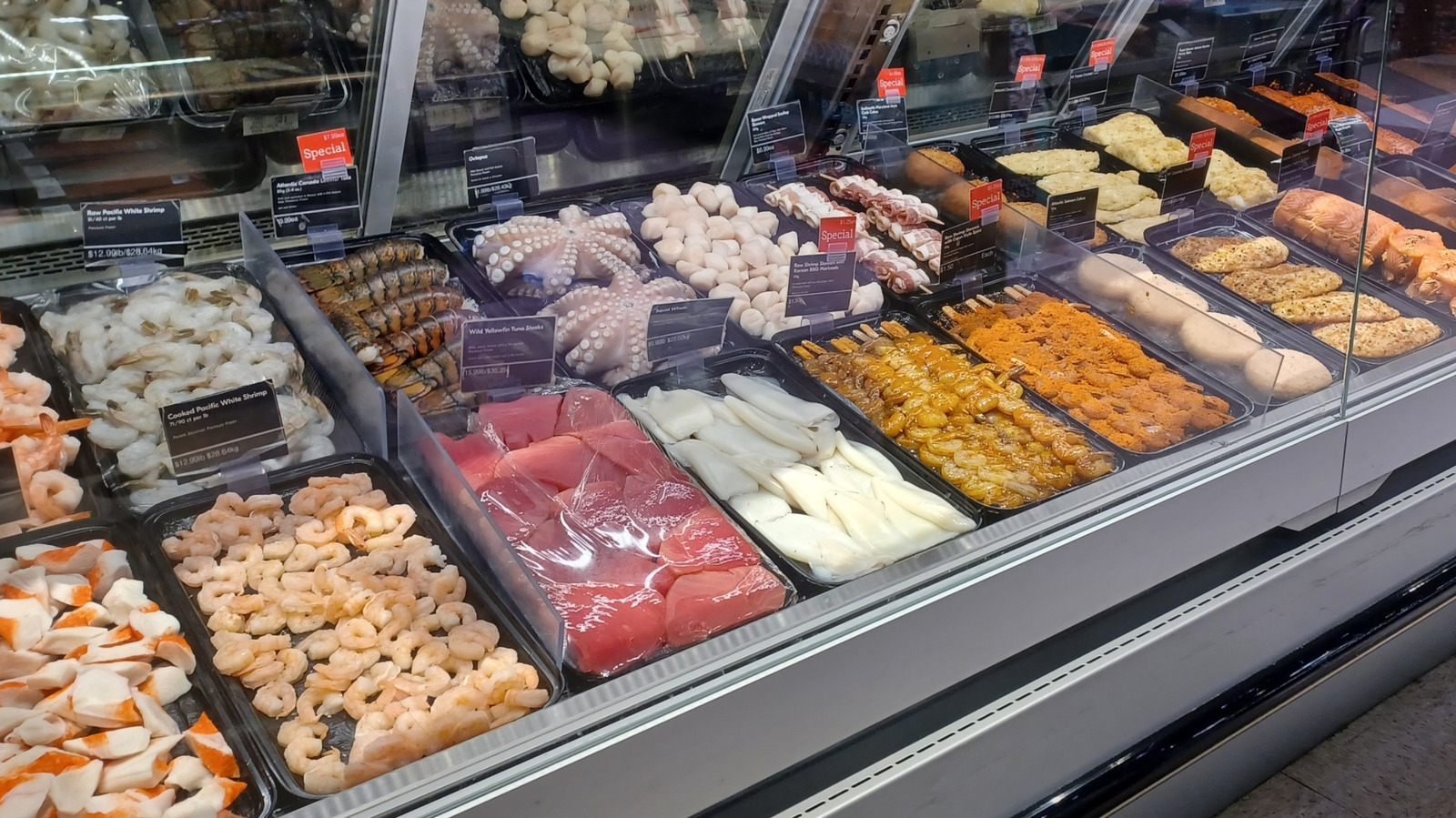
2 months agoKeep An Eye Out For This Seafood-Label Red Flag At The Grocery Store - Tasting Table
Check seafood for off smell or color, suspicious price, unsanitary displays, additives like phosphates, mislabeling, and proper certifications to avoid poor-quality or fraudulent seafood.
fromTasting Table
2 months agoThe Type Of Fish To Skip When Frying - Tasting Table
"Never fry super-delicate fish, as they fall apart," recommends Chef Becker. This means you should steer clear of frying fish like tilapia, branzino, sole, and flounder. When flipping them over, these fragile fish can easily break apart and overcook faster than you think. You'll either end up with breading that isn't crisp enough or an overly dry interior. Either way, it won't be an enjoyable meal.
Cooking

fromTasting Table
2 months agoWhen Buying Seafood, It's A Major Red Flag If You Can't Find These Certifications On The Packaging - Tasting Table
Consumers must be aware that seafood fraud, in which vendors label cheaper fish as products of higher quality and price, is common practice. According to Oceana, fish is mislabeled 25 to 70% of the time, especially when it comes to prized fish like wild salmon and Atlantic cod. Those of us who care about the environment are also concerned with traceability,
Food & drink
fromTasting Table
2 months agoNew England's Unique Topping For Clam Chowder Is A Lot More Hearty Than Oyster Crackers - Tasting Table
In New England, the official dipping buddy for creamy clam chowder is called a common cracker, and it's different than any other cracker in almost every possible way. For starters, it's larger (about the size of a Ritz cracker), rougher, and looks unmistakably old-school. The common cracker's flavor is also deliberately restrained. Wheaty, crunchy, and very hearty - these unleavened crackers swell slightly in creamy New England clam chowder. This makes them take on a dumpling-like quality, and it's not accidental.
Food & drink
fromtablehopper
2 months agoThis week's tablehopper: carbs and crab. (free)
Many thanks to the Crenn team for such a playful celebration of high-low: mac and cheese with black truffles, cheffy hot dogs served in the kitchen, and a spin on Frito pie, but with salt and vinegar chips, egg yolk jam, smoked crème fraîche, and caviar. Pastry chef Juan Contreras set up a chocolate fountain in his pastry room in true Willy Wonka fashion, and chef Crenn was in truly exuberant form.
Food & drink
fromEpicurious
2 months agoCheddar Biscuits With Old Bay
Welcome to Bon Appétit Bake Club, a community of curious bakers. Each month senior test kitchen editors Jesse Szewczyk and Shilpa Uskokovic share a must-make recipe and dive deep on why it works. Come bake and learn with us-ask questions, share pics, listen to our podcast, and lots more here. And don't forget to join the Bake Club Group chat over on Substack.
Food & drink
fromTasting Table
1 month agoThe Only Shells You Should Be Using For Perfect Stuffed Clams - Tasting Table
Stuffed clams are that perfect mixture of homey flavors - like garlic, butter, and breadcrumbs - and elevated seafood. But making the perfect stuffed clams isn't as easy as stuffing whatever clams you have. There are more than 10 different types of clams, and you must choose the clam with the right type of shell for your stuffing needs. Luckily, Tasting Table caught up with Franklin Becker, the chef/owner of Manhattan seafood restaurant Point Seven, who shelled out some pretty top-notch advice.
Food & drink
[ Load more ]