#crowd-sourced-fact-checking
#crowd-sourced-fact-checking
[ follow ]


#social-media



Law
fromMuse by Clios | Discover the latest creative marketing and advertising news. Muse by Clio is the premier news site covering creativity in advertising and beyond.
3 days ago2 Rough Social Media Rulings Could Actually Improve the Platforms | Muse by Clios
Recent jury verdicts against Meta and YouTube signal a shift in accountability for social media platforms regarding child safety and mental health.
#meta




Online Community Development
fromPoynter
1 week agoIFCN Director Angie Drobnic Holan comments on Meta and community notes following the Oversight Board's recent advisory - Poynter
The Oversight Board cautioned Meta about expanding its community notes program, emphasizing the importance of fact-checking in combating misinformation.
#artificial-intelligence

Higher education
fromInside Higher Ed | Higher Education News, Events and Jobs
4 days agoStudents Embrace AI but Fear False Accusations
AI is reshaping student learning and work, with many students using it for academic shortcuts due to time constraints and lack of interest.
Artificial intelligence
fromTNW | Artificial-Intelligence
1 day agoThe credibility economy. Why AI will redefine how value is measured
Growing unease about AI reflects deeper issues in recognizing value and expertise amidst expanding capabilities.
fromPinkNews | Latest lesbian, gay, bi and trans news | LGBTQ+ news
2 months agoMedia industry
AI fatigue may strengthen trust in news media
Widespread misinformation and AI-generated content are expected by most news leaders to increase audience support for human-produced journalism, though many audiences cannot tell the difference.
fromFast Company
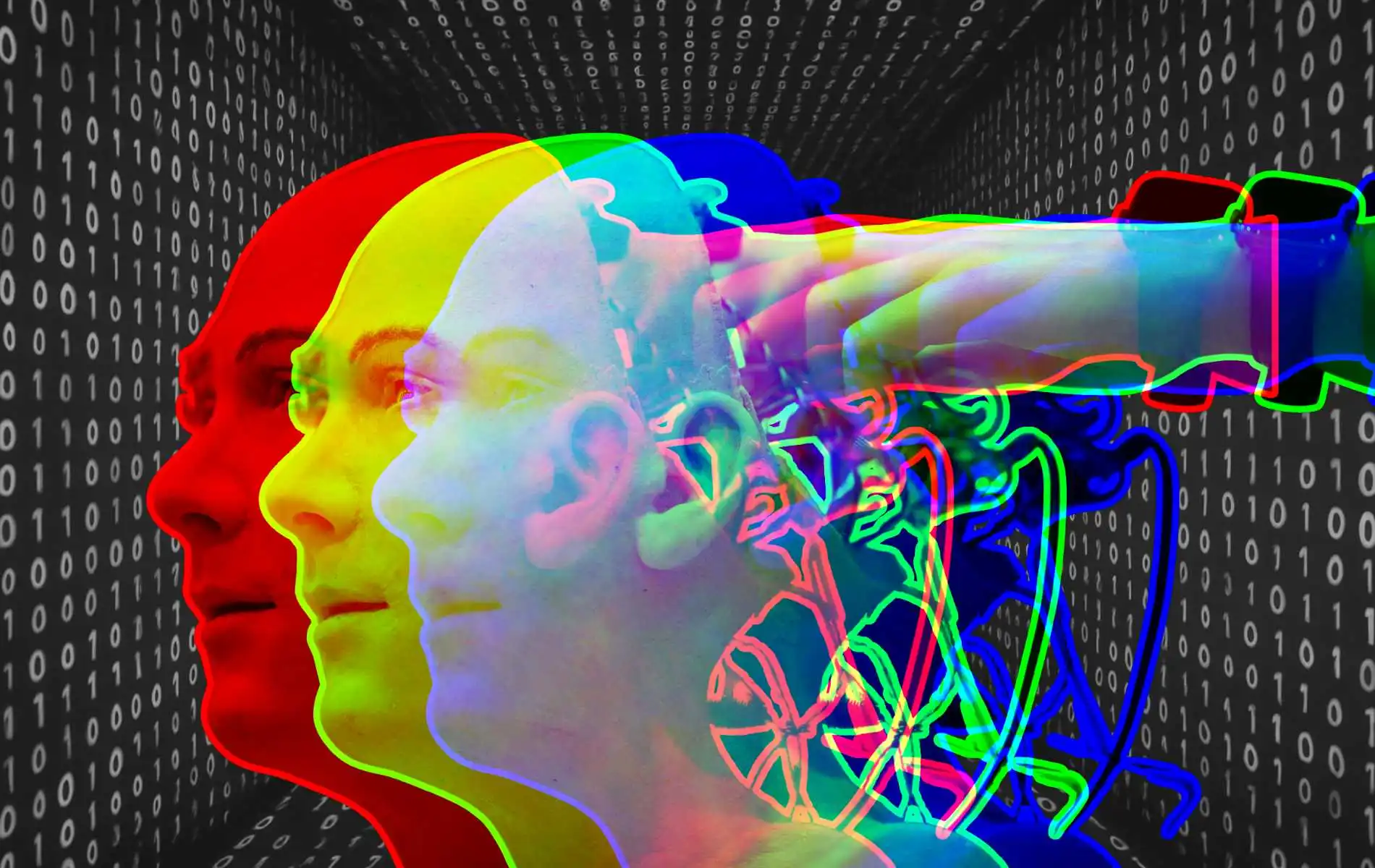
2 days agoYouTube blasted by hundreds of experts over 'AI slop' videos served up to kids
"This 'AI slop' harms children's development by distorting their sense of reality, overwhelming their learning processes and hijacking their attention, thereby extending time online and displacing offline activities necessary for their healthy development."
Education
fromFast Company
4 days ago4 AI chatbots tried to fact-check Rubio on Iran. They couldn't agree
This operation is about a set of very specific objectives; the president laid them out on the very first night of operations. I'll repeat them to you now because I hear a lot of talk about we don't know what the clear objectives are.
World news
Non-profit organizations
fromNonprofit Quarterly | Civic News. Empowering Nonprofits. Advancing Justice.
2 days agoAI in the Nonprofit Sector Is a Question of Governance, Not Just Technology | Nonprofit Quarterly | Civic News. Empowering Nonprofits. Advancing Justice.
Nonprofits face a critical choice in shaping AI governance or risk external control over its implementation and impact.


fromwww.mediaite.com
1 day agoMS NOW Host Torpedoes Blizzard of Trump Lies' Seconds After Speech
Chris Hayes stated, 'It was a litany of lies that he's told before about facts of the matter, that Barack Obama gave the Iranians billions of dollars. He didn't. It was repatriated assets that had been seized by the United States pursuant to that negotiated deal.'
US Elections



fromwww.mediaite.com
6 days agoEx-FBI Honcho Says Kash Patel Hack Just the Tip of the Iceberg' Embarrassing' Trump Admin Leaks To Come
This is just the tip of the iceberg. With Iran going to continue to hack and likely has already hacked Trump administration officials, it will start releasing that data in drips and drabs.
Privacy professionals
fromwww.theguardian.com
3 days agoEx-Alex Jones employee reflects on job at Infowars: It was nonsense. It was lies'
Owens described how Infowars aimed to create a cinematic experience, stating, 'We would go out there, we would shoot videos like we were in the weeds, we were showing what was really going on. But it was nonsense. It was lies.'
Media industry
Left-wing politics
fromemptywheel
1 month agoUntrustworthy - emptywheel
The Trump presidency undermines institutional trustworthiness through contradictory policies, selective law enforcement, and politicization of federal agencies, eroding confidence in U.S. government institutions domestically and internationally.
fromNature
1 month agoThe science influencers going viral on TikTok to fight misinformation
One of Simon Clark's most popular TikTok videos begins with him playing the part of a clueless climate contrarian. Adopting the overconfident tone that is common among social-media influencers, he proclaims: "Renewables are a scam!" Cut to the real Clark, who has a PhD in stratospheric dynamics and uses the handle @simonoxfphys, as he dismantles several myths about renewable energy using a deadpan style and a torrent of charts. The video, with almost 180,000 views, is an effort to fight misinformation by meeting people where they are, he says.
Science
fromwww.theguardian.com
2 weeks agoSenior European journalist suspended over AI-generated quotes
I wrongly put words into people's mouths, when I should have presented them as paraphrases. In some cases, it reflected my interpretation of their words. That was not just careless it was wrong.
Media industry
fromwww.dw.com
1 month agoFact check: How videos are recycled for political purposes
"Especially in times of crisis and conflicts, old videos and photos resurface on social media falsely presented in a current context," said Brittani Kollar, who leads media literacy efforts at the Poynter Institute. The US nonprofit supports fact-checking, training and media criticism. "In wars and conflicts, it's particularly hard to get video footage," she told DW. "That's why manipulated or fake videos often fill that gap, even when they've already been used in other contexts or previously identified as false."
US politics
fromZDNET
1 month agoFact-checking Google's AI Overviews just got a little easier - here's how
I often turn to Google's AI Overviews and AI Mode when I run a search on a particular topic. The resulting Gemini-based summaries can cut to the chase by providing the gist of the information I seek. But there's one big downside. AI can be wrong. For that reason, I never rely solely on AI; I always double-check the original sources used to create the summary. And now Google has made that process easier.
Artificial intelligence


fromFast Company
1 month agoMisinformation is scaling. We need to get better at countering it
Most days, an email lands in my inbox with the promise to amplify my growth-my newsletter subscribers, the reach of my podcasts, the number of client leads, etc. I've gotten used to random people pitching me on their services, and some of the messages expertly prey on my insecurities as a business owner ("you're leaving so much on the table," et al.). I never answer any of them, but I sometimes wonder which ones might actually be legit.
Artificial intelligence
Artificial intelligence
fromFast Company
1 month agoAI can now fake the videos we trust most. How to tell the difference-and how newsrooms can respond
AI-generated videos now convincingly mimic trusted eyewitness formats, making fake footage indistinguishable from real and undermining information reliability.
[ Load more ]