#cuiaba
#cuiaba
[ follow ]
Environment
fromwww.theguardian.com
2 days agoIf they pollute our rivers, what will become of us?': the town divided between hope and fear in Brazil's Amazon oil rush
Oiapoque, Brazil, is poised for development through oil production, raising concerns about environmental impacts and Indigenous rights amid a global energy transition.
fromRealagriculture
1 week agoBiofuels, Brazil, and the cost of war: Suderman outlines key forces shaping grain markets
"I think it surprised me how easily people are swayed by headlines," says Suderman, noting that wartime information flows are often strategic and conflicting. "You have to learn in a wartime to take everything with a grain of salt in the context of what you observe."
World politics
Travel
fromTravel + Leisure
6 days agoThis Scenic Lakeside Town Was Named the Most Welcoming Destination in South America-and It Has Andes Views and Year-round Outdoor Adventure
San Martín de los Andes is recognized as the most welcoming destination in South America and ranks third worldwide according to Booking.com's Traveller Review Awards.

fromwww.theguardian.com
2 weeks agoA robust future? Why Brazil's bitter' coffee is thriving as the climate crisis hits global crops
When the Paiter Surui community expelled the last invaders of their land in 1981, they faced a divisive decision. Should they keep the coffee plantations left by the colonisers? Some destroyed them because of the death and violence contact with the non-Indigenous world had caused. Others felt sorry for the trees and couldn't kill them.
Coffee
fromElite Traveler
2 weeks agoThe Bohemian Beach Town Drawing Travelers to Southern Bahia
Although initially developed by the Portuguese, who first set foot here in 1500, the Brazilian fishing town of Trancoso remained virtually undiscovered until a small group of Paulistano hippies came upon it in the 1970s and happily settled in. Although the installation of new roads and the arrival of electricity a decade later increased accessibility, the vibe was set: Trancoso remains a sleepy, bohemian beach destination.
Madrid food
fromThe Atlantic
3 weeks agoThe 'Logic of Brazil,' in 160 Minutes
The sad-eyed research scientist might be, as the title suggests, some kind of spy, perhaps working to undermine the U.S.-backed military regime that governed Brazil from 1964 to 1985. The film's amber light and ample bell-bottoms situate it firmly in the late 1970s, a time of repressive dictatorships and jittery paranoia, triggered by political malfeasance and instability across the world.
Film
Travel
fromwww.theguardian.com
3 weeks agoIt's one of those lifetime things': viral videos turn Rio favela rooftop into tourist hotspot
A rooftop terrace in Rio's Rocinha favela has become Brazil's most viral tourist attraction after drone videos showcasing visitors dancing through a metal door accumulated millions of views on social media.
fromTravel + Leisure
1 month ago10 of the Greenest Places to Visit on Earth for a Lush Getaway in Nature
According to color psychology, this soothing shade helps decrease stress and improve focus-and travelers can reap these much-deserved benefits in lush landscapes around the world. Here are 10 of the greenest places on earth, which combine serenity with unforgettable adventures.
Miscellaneous
Agriculture
fromwww.theguardian.com
3 weeks agoVillagers on Principe, the African Galapagos', to be paid for protecting the ecosystem
Principe islanders receive quarterly dividends for following environmental protection codes, with nearly 3,000 participants receiving their first payment of €816, creating economic incentive for conservation.
fromBusiness Matters
3 weeks agoHow to Explore Costa Rica With a Small Group
The intimate nature of small group travel strikes the perfect balance between structured guidance and personal freedom, allowing you to experience Costa Rica's wonders while connecting with like-minded adventurers. You'll gain access to local insights that guidebooks miss, share transportation costs, and enjoy the camaraderie of others who appreciate the same natural wonders you do.
Travel
Renovation
fromdesignboom | architecture & design magazine
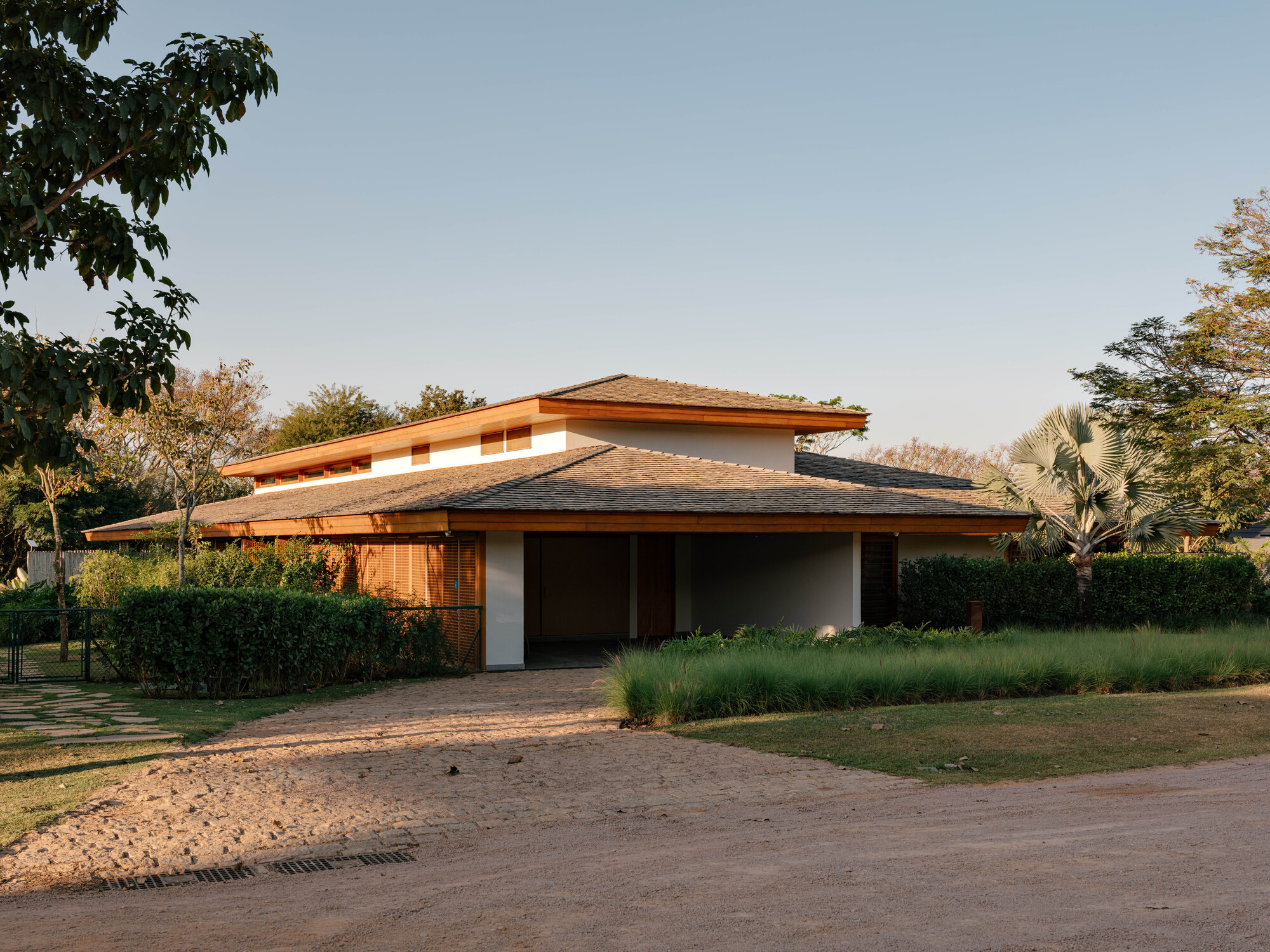
1 month agooversized boulders and native trees determine footprint of timber pavilion in brazil
Itupeva House integrates natural topography through a two-volume design using timber, concrete, and water, with boulders repositioned as landscape elements and structural features.
fromConde Nast Traveler
3 weeks agoExploring the Peruvian Amazon, One Riverbend at a Time, on Abercrombie & Kent's Debut Voyage
The 12-cabin cruiser Pure Amazon is Abercrombie & Kent's first voyage on these waters and is part of the brand's Sanctuary collection, which will also include the soon-to-launch riverboat After 25 years in Peru, the company is setting out to not just join a tradition but redefine smart river travel with design-led interiors that evoke a boutique hotel and with five-course dinners paired with Peruvian small-batch wines.
Travel
fromwww.theguardian.com
1 month agoThe river won': how campaigners in Brazilian Amazon stopped privatisation of waterway
The river won, the forest won, the memory of our ancestors won, said the campaigners in Santarem when it was clear their actions had forced the Brazilian government into a U-turn on plans to privatise one of the world's most beautiful waterways and expand its role as a soy canal.
Environment
Travel
fromTravel + Leisure
3 weeks agoThis Butterfly Reserve In Mexico Preserves an Important Species-and Indigenous Culture
Eastern Monarch butterflies migrate 3,000 miles annually to Mexico's UNESCO reserve, where tourism supports local communities and forest conservation against illegal logging and deforestation.
fromwww.theguardian.com
1 month agoIt creates a sense of belonging': Brazil bets on hiking trails for conservation
The idea that hiking trails are a tool for conservation is based on a simple premise: people protect what they know. That requires making conservation areas accessible. There's no point telling people you only protect what you know, if you don't give them the tools to know. The trail is this tool. People who hike, people who camp, these people often become defenders of the environment.
Travel
fromwww.dw.com
1 month agoBrazil's soy industry gives deforestation a green light
A moratorium that has protected vital rainforest since 2009 is on shaky ground as several players from Brazil's soy industry say they are pulling out. Specifically, the Brazilian industry association ABIOVE, whose members include global companies such as Cofco International, Bunge, Amaggi and JBS, have said they will no longer refrain from growing soy on deforested land. Environmentalists fear this could fuel a new wave of Amazon logging.
Environment
fromNature
2 months agoDeveloping super-tortillas to address malnutrition in Latin America
The humble tortilla is an iconic food staple in Mexico. Everyone eats them, regardless of age or income. The ingredients for the tortilla I was frying in this photo have been fermented to include probiotics and prebiotics for gut health. My research focuses on developing such fermented nutraceuticals - nutritious products with pharmaceutical benefits - to help improve people's metabolic health and combat the malnutrition prevalent in some of Mexico's poorest communities.
Food & drink
London food
fromTime Out London
1 month agoThis traditional boteco in northwest London is officially the best Brazilian restaurant in the city
London's Brazilian food scene offers diverse, affordable options from authentic botecos to steakhouses and street-food specialties, with Kaipiras by Barraco ranked top.
fromBusiness Insider
1 month agoAfter living in South America for 7 years, there's just one region I always recommend to first-time visitors
The Andes Cordillera is full of incredible sights, unique ecosystems, and unforgettable experiences. I believe there's something here for everyone, from vibrant cities to towering volcanic peaks.
Travel
Science
fromenglish.elpais.com
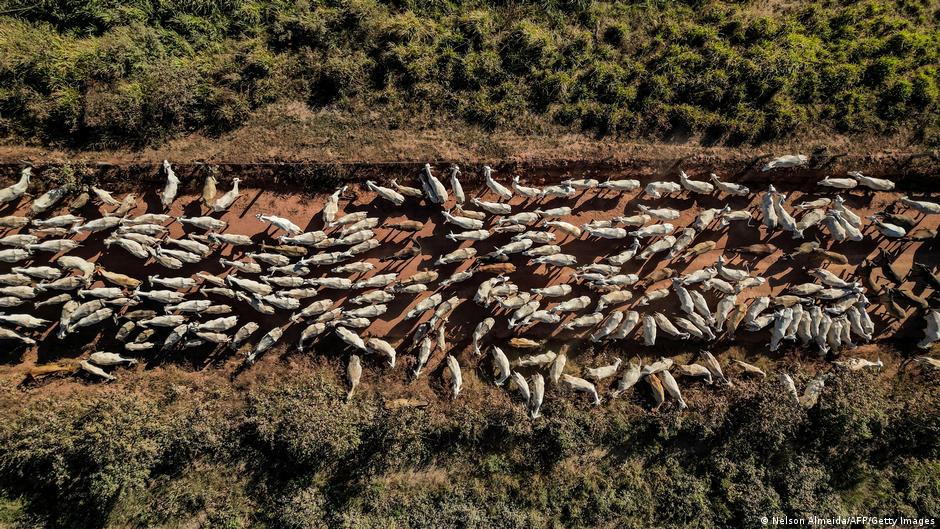
2 months agoScience seeks keys to human longevity in the genetic mixing of Brazilian supercentenarians
Some individuals reach extreme ages past 110 while often avoiding major age-related diseases; Brazil shows many centenarians despite limited healthcare and high genetic mixing.
World news
fromTravel + Leisure
2 months agoThis Central American Country Has Incredible Rain Forests, Beaches, and Wildlife-How to Plan Your Trip
Panama's vast biodiversity, scenic coastline, and recent development are driving a shift from a trading-post identity to an emerging luxury ecotourism destination with a cosmopolitan capital.
fromThe Art Newspaper - International art news and events
1 month ago'These are dirty funds': Indigenous Brazilian leader slams Science Museum for oil sponsorship ahead of climate show
BP's sponsorship of the museum has long drawn ire, in part because the oil company pursues an "all out for oil and gas" strategy, including plans to exploit deep drilling at the recently discovered Burmerangue site off the coast of Brazil. The project has been criticised by campaigners and oil and gas unions due to its threat to ocean ecosystems, elevated carbon dioxide levels, and lack of revenue flowing back into the Brazilian economy.
Environment
fromwww.theguardian.com
2 months agoWe're in danger of extinction': can Bolivia's water people' survive a rising tide of salt and migration?
In the small town of Chipaya, everything is dry. Only a few people walk along the sandy streets, and many houses look abandoned some secured with a padlock. The wind is so strong that it forces you to close your eyes. Chipaya lies on Bolivia's Altiplano, 35 miles from the Chilean border. The vast plateau, nearly 4,000 metres above sea level, feels almost empty of people and animals, its solitude framed by snow-capped volcanoes. It raises the question: can anybody possibly live here?
Environment
fromwww.theguardian.com
1 month agoPostcard-pretty and filled with pollution: how Brazil's fishers are reviving Rio de Janeiro's famous bay
Raw sewage and solid waste flow into the bay from surrounding cities, home to more than 8 million people. Cargo ships and oil platforms chug in and out of commercial ports, while dozens of abandoned vessels lie rotting in the water. But at the head of the bay, between the cities of Itaborai and Mage, the environment feels different. The air is purer, the waters are empty but for small fishing canoes, and flocks of birds soar overhead.
Environment
Environment
fromwww.theguardian.com
2 months agoPure apocalypse': a photographer's journey through the Pantanal wildfires
A documentary photographer documents catastrophic Pantanal and Amazon fires, chronicling environmental destruction, wildlife loss, and ongoing return visits to record the aftermath.
Environment
fromArchDaily
1 month agoTropical Hotels in Costa Rica: Six Projects to Explore Climate-Sensitive Architecture in Central America
Costa Rican coastal architecture prioritizes permeability and oversized roof overhangs to maximize airflow, reduce solar gain, control humidity, and prevent material decay.
fromIndependent
2 months ago'It's not about ticking off the Big Five' - Booking a safari this year? Here's how to make sure it's ethical
Demand for safari holidays is growing, so how can you do it without harming animals, people or the landscape? Last summer, images were shared of a scene in Tanzania's Serengeti National Park - a large group of jeeps and dozens of tourists standing outside taking pictures of 'The Great Migration' and blocking wildebeests' traditional crossing point. Jeep traffic jams have also been widely reported in other parks, including Sri Lanka's Yala, known for its high density of leopards.
Environment
[ Load more ]