#customer-loyalty
#customer-loyalty
[ follow ]
#customer-experience #business-strategy #loyalty-programs #personalization #automation #southwest-airlines

fromDaily Coffee News by Roast Magazine
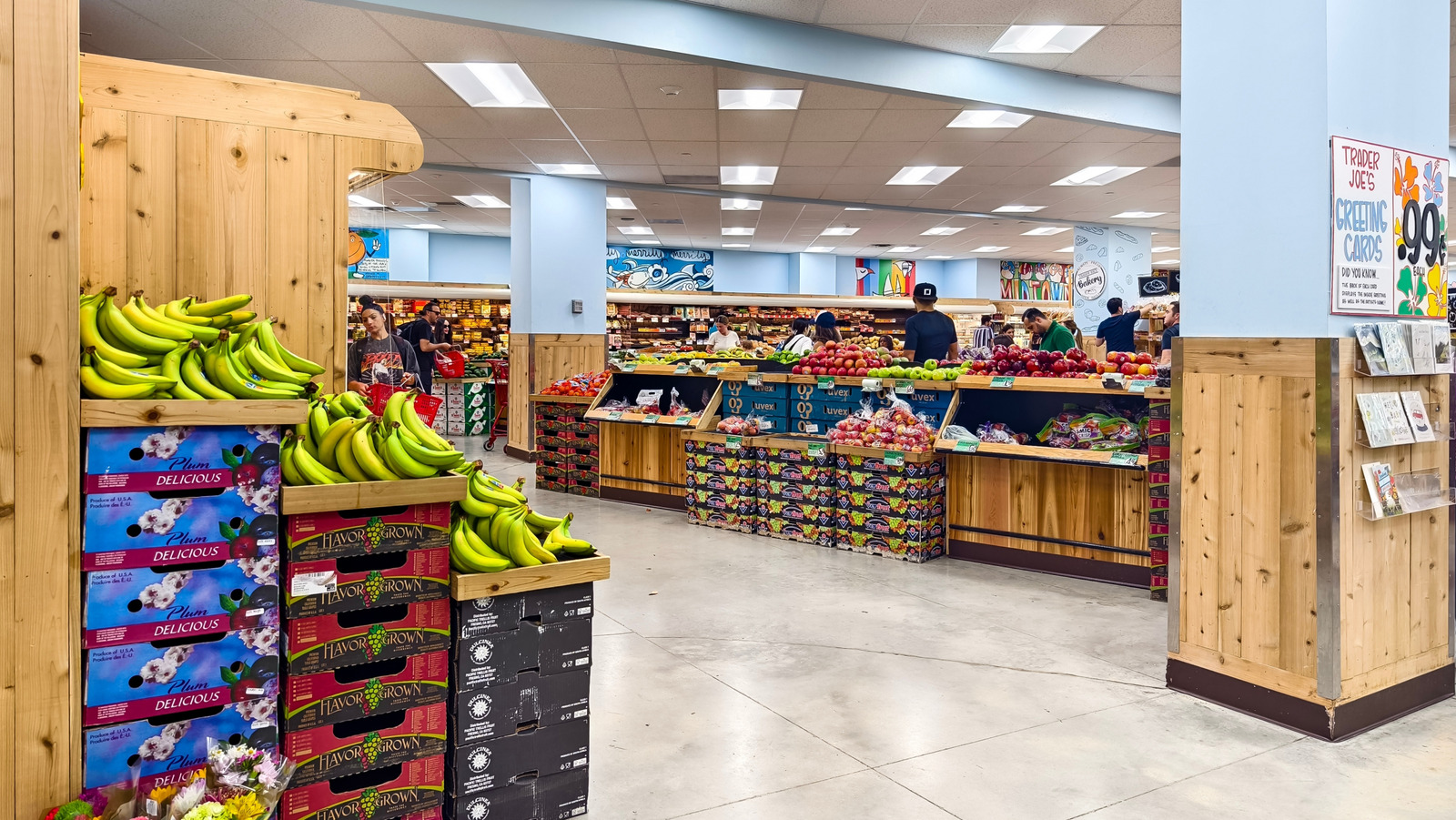
1 week agoSquare Report Says Coffee Shops Are the Leading Local Business Connectors
Square's report indicates that coffee shops serve as essential neighborhood connectors, with 32% of regular customers also being regulars at other local businesses, highlighting their role in fostering community commerce.
Coffee
#customer-experience
Growth hacking
fromEntrepreneur
4 weeks agoYour Growth Didn't Stall by Accident - You're Neglecting Your Most Valuable Asset
Stalled growth stems from poor customer experience, not marketing. Companies that prioritize customer obsession over efficiency win long-term, while cost-cutting that reduces service erodes customer trust and loyalty.

Growth hacking
fromEntrepreneur
4 weeks agoYour Growth Didn't Stall by Accident - You're Neglecting Your Most Valuable Asset
Stalled growth stems from poor customer experience, not marketing. Companies that prioritize customer obsession over efficiency win long-term, while cost-cutting that reduces service erodes customer trust and loyalty.
fromTasting Table
1 month agoAldi's Biggest Competitor Has A Bakery That Shoppers Can't Stop Talking About - Tasting Table
The pretzels are next level. Seriously though Lidl's bakery has no business being as good as it is. One customer described Lidl's brownies as life-changing, and another shopper called Lidl's pain au chocolat the best found outside of Paris.
Berlin food
fromMarTech
1 month agoSee how leaders bridge the engagement divide by attending 'Engage with SAP Online' | MarTech
From the customer's perspective it felt like dealing with multiple companies wearing the same logo. Marketing sends a "We miss you!" email the day after a frustrating support call. Sales doesn't know the customer has already watched a demo. In-store purchase history is invisible to the ecommerce team. No continuity. No memory. No relationship.
Marketing tech
Food & drink
fromSFGATE
1 month agoThe 70-year-old deli losing customers to the California exodus
D'Elia's Grinders, a 70-year-old family-owned Italian deli in Riverside, maintains its distinctive identity through homemade bread with a crisp exterior that simultaneously attracts devoted customers and generates daily complaints about staleness.
Snowboarding
fromSnowBrains
1 month agoIndy Pass Opens Pass Renewal & Announces 16 New Resorts for 2026-27 Season - SnowBrains
Indy Pass opens renewal period for existing passholders at guaranteed lowest prices, adds 16 resorts, and implements waitlist system for 2026-27 season with public sales starting March 1.
fromForbes
1 month agoFrom Click To Doorstep: Why Delivery Experience Is The Last Brand Impression
That's a problem. Without a doubt, a great website and top-level marketing will help generate new sales, but it's the delivery experience that warrants future ones. This is because today's consumer not only has options for where they'll buy but also a high set of expectations. What's more, they remember the way a product arrives at their doorstep more than how it was sold.
E-Commerce
fromFast Company
1 month agoWhy do so many legacy brands implode when trying to attract new customers?
So the brand reinvents itself to pull in a younger segment of the market, often by borrowing ideas from cooler competitors to seem more "on-trend." But instead of younger and cooler, the rebrand comes off as insincere, stilted, or cringey. Worse, the brand's older, core customers, who liked the brand as it was, are irritated by the changes. Instead of spurring new growth, the effort drives off some of the existing customers, leaving the brand worse off than when it started.
Marketing
fromOregon ArtsWatch * Arts & Culture News
2 months agoSeaside's Beach Books celebrates 20 years, serving readers nationwide * Oregon ArtsWatch
"I went to Wordstock in 2005 when it was still Wordstock, and I felt like I had walked into the world I should have been in my whole life," Emmerling said, referring to what is now called the Portland Book Festival. It wasn't long after that Emmerling and her husband, John, a blacksmith, were delivering a fireplace he'd crafted. When they drove by a bookstore, Emmerling recalled, "I said, 'You know, when we retire, it would be fun to open a bookstore.'"
Books
Marketing tech
fromForbes
2 months agoThe Cookieless Future: Why Loyalty Programs Are A Smart Antidote For Marketers
Brands must replace third-party cookie tracking with loyalty programs to collect first-party data and sustain personalization, retargeting, and customer recognition in a cookieless future.

fromForbes
3 months agoLoyalty Isn't Love: The Hidden Truth Behind Why Customers Stay
Marketers frequently champion the idea of "customer loyalty." However, much of what is labeled as "loyalty" may not be authentic. For years, brands have patted themselves on the back for retention numbers that look impressive on dashboards. But the truth is far more uncomfortable. A large portion of what we call "loyalty" is simply inertia disguised as affection. Customers aren't staying because they love us. Many are staying because leaving feels like a chore.
Marketing
Arts
fromFast Company
3 months agoCapital One takes the premium credit card arms race to the next level with Miami Art Week perks
Capital One used Miami Art Week to convert exclusive cultural access into a premium credit-card benefit, prioritizing cultural relevance and emotional identity over traditional rewards.
fromHubspot
4 months ago4 marketing takeaways from Taylor Swift
Swift is known for her loyalty to her devoted fans, the Swifties. Years ago, she randomly showed up at a wedding shower she was invited to, and bought Christmas gifts for other followers. Before releasing her reputation and Lover albums, she held Secret Sessions, where she premiered the record (and ate homemade goodies) with hand-picked groups of uber-fans. These experiences made her followers feel unique and special - and cemented their fandom for life.
Marketing
fromMarTech
4 months agoHow to turn holiday shoppers into loyal friends, not one-time buyers | MarTech
Loyalty grows when your customers feel like you care. Between 2012 and 2014, La Quinta did something most hotel chains would never risk: it let its VP of Loyalty write personal postcards to guests - not to everyone, just to high-value customers or those who seemed ready to drift away. The postcards looked handwritten. Mike Case signed them and included his real email address.
Marketing
fromwww.theguardian.com
5 months agoJohn Lewis to open VIP lounge at Oxford Street store with free drinks and massages
In the new area, which the company said will be trialled until Christmas, customers will be served with a complimentary glass of sparkling wine or hot drink as well as hand and arm massages and Waitrose chocolates. Rosie Hanley, brand director at John Lewis, said: This trial is a perfect example of our wider strategy investing in our stores to offer unique, service-led experiences that our customers can't get anywhere else. [This is] about rewarding loyalty with a premium experience.
UK news
fromThe Drum
5 months agoEmotional marketing: how to develop closer customer relationships
Mobile and digital advertisers are increasingly raising expectations around efficiency, accessibility, and convenience for consumers but for brands seeking long-term loyalty, it isn't enough just to meet needs. Marketers need an engaging long-term conversation to create meaningful, human connections with consumers. By humanizing their brand, marketers can establish deeper relationships to help set their business apart in a massively oversaturated market. Creating marketing which resonates with customers leaves a lasting impression, serving the brand well in the long-run.
Marketing


fromFortune
5 months agoWill the future of telecom growth depend on content creators and AI? | Fortune
For decades, telecommunications companies have been the quiet power behind the world's digital transformation. They connect billions, fuel global commerce, and enable nearly every modern convenience. Yet despite that foundational role, telcos have often struggled to capture the consumer imagination or command the kind of loyalty enjoyed by tech and social media brands built on top of their networks. Today, two converging forces can change the equation: the rise of the creator economy and the rapid maturation of artificial intelligence.
Marketing
fromMarTech
5 months agoAcquisition gets the attention, but loyalty drives the results | MarTech
The problem arises when that focus overshadows one of your most valuable assets - your existing customers. Retaining customers, and even cross-selling or upselling them, costs less and delivers stronger results than attracting new ones. You've already earned their business and, ideally, kept them happy through great service and support. Those customers are far more likely to buy again, leave positive reviews and refer others.
Marketing tech
Marketing tech
fromBusiness Insider
6 months agoSalesforce challenger Zeta Global is making its biggest-ever acquisition as it looks to corner the loyalty market
Zeta Global is buying Marigold's enterprise software business for $325 million to expand loyalty offerings and grow its enterprise customer footprint globally.
fromTasting Table
6 months agoThis Massachusetts-Based Grocery Chain Rivals Aldi With Its Affordable Prices - Tasting Table
An entrepreneurial effort that started in Massachusetts in 1908 has solidified into a lasting legacy for quality, affordable groceries. When Greek immigrants Athanasios and Efrosini Demoulas came to the United States, they farmed, kept livestock, and opened a small store to sell their wares. Throughout the Great Depression, the enterprise continued and allowed customers to take food home on credit.
Food & drink
Marketing
fromFortune
6 months agoThe younger consumer boom: Amex and luxury brands pursue Gen Z and millennials | Fortune
Financial institutions and retailers pursue long-term loyalty by tailoring premium, fee-based products and exclusive experiences to attract and retain Gen Z and millennial affluent customers.
Marketing
fromMarTech
6 months ago3 things you'll only learn at the SAP Emarsys Loyalty Masterclass | MarTech
Customer loyalty has fundamentally changed; brands must move beyond points-based programs to build unbreakable, experience-driven relationships through unified data and new engagement strategies.
Marketing tech
fromLondon Business News | Londonlovesbusiness.com
6 months agoUnified PMS guest identity powering loyalty across London hotels - London Business News | Londonlovesbusiness.com
A unified multi-property PMS that creates a single guest identity across hotels converts fragmented stays into connected relationships, driving personalized loyalty and increased revenue.
fromComputerworld
6 months agoApple may twin with Gemini for AI as iPhone 17 looms
AI aside, with services income now looking a lot more stable subsequent to the Google judgment and hardware sales seemingly given some protection against threatened US import tariffs, "Apple still needs to execute, but the path to outperformance is getting clearer to us, and what will matter most at next week's iPhone launch event is pricing, a still under-appreciated growth tailwind," said Woodring in a client note seen by Computerworld.
Apple
fromSfgate
7 months agoBuilding a Trustworthy Brand: Strategies for Loyalty and Respect
Trust isn't just a nice-to-have in 2025. It's the foundation for every meaningful customer relationship. In an era of widespread misinformation, rapidly shifting social expectations, and tightening consumer wallets, brand trust is now one of your most valuable currencies. According to recent eMarketer data, 62.7% of B2B marketers agree that branding is critical to long-term success. But here's the challenge: proving ROI on trust-building efforts is notoriously difficult.
Marketing
fromBusiness Insider
7 months agoBrand loyalty is costing consumers
Company loyalty programs are actually costing you a lot of money. That's because shoppers who stick with their favorite brands just aren't being rewarded the way they used to be. She called customer loyalty "a sham." Airlines, internet providers, and banks do a good job of luring in newcomers with flashy deals, while longtime customers quietly pay more. As a result, frequent flyer miles buy less, internet bills creep up after promo rates, and credit card rewards shrink in value.
Business


fromEntrepreneur
8 months agoNot Getting New Clients Through Referrals? This Invisible Mistake Could Be Why | Entrepreneur
Consumers aren't loyal to brands anymore. They're loyal to people. In today's crowded marketplace, the businesses that thrive are the ones with owners who are visible, relatable and genuinely invested in their neighbors' lives.
E-Commerce
fromCGMagazine
9 months agoHow Digital Media Uses Gamification for Stronger Traction with Customers in 2025
Gamification has become a key feature of how digital media companies pull customers in and keep them engaged, shaping interactions with news apps, streaming services, and fintech tools.
Digital life


fromMedium
9 months agoWhy we get hooked: The invisible threads behind product loyalty
Sometimes, loyalty is simply a result of good old product-market fit. The product does exactly what you need, in a way that's predictable and reliable. You didn't stick around for the cool features or the fancy animations. You stayed because it got the job done.
Relationships
from24/7 Wall St.
9 months agoBank of America Revamps Credit Card Rewards - What You Need to Know About the New Cash Back Opportunities
Some Redditors applauded Bank of America's recent announcement of better rewards amid other competitors "nerfing" their credit cards. Here's what you should know about the bank's new credit card rewards.
Bootstrapping


[ Load more ]