#dal-fiorentino
#dal-fiorentino
[ follow ]
#michelangelo #renaissance-art #cultural-heritage #italian-cuisine #florence #italy #travel #raphael #art-history

:max_bytes(150000):strip_icc()/TAL-manarola-italy-ITALYHAPPYDEST0126-f6ad99dee79e4616b278e3a06d1c691e.jpg)


fromdesignboom | architecture & design magazine
5 days agorenaissance church in piacenza glows with scenographic lights in davide groppi's exhibition
The central nave of Sant'Agostino becomes the spine of the exhibition, as the designer divides the space using white, geometric volumes through freestanding architectural forms that visitors can move through.
SOMA, SF
:max_bytes(150000):strip_icc()/TAL-ponte-vecchio-TODOFLORENCE0923-9abdcf5bd9ff42dfb04fbeeb2f69f001.jpg)



#michelangelo

Arts
fromThe Art Newspaper - International art news and events
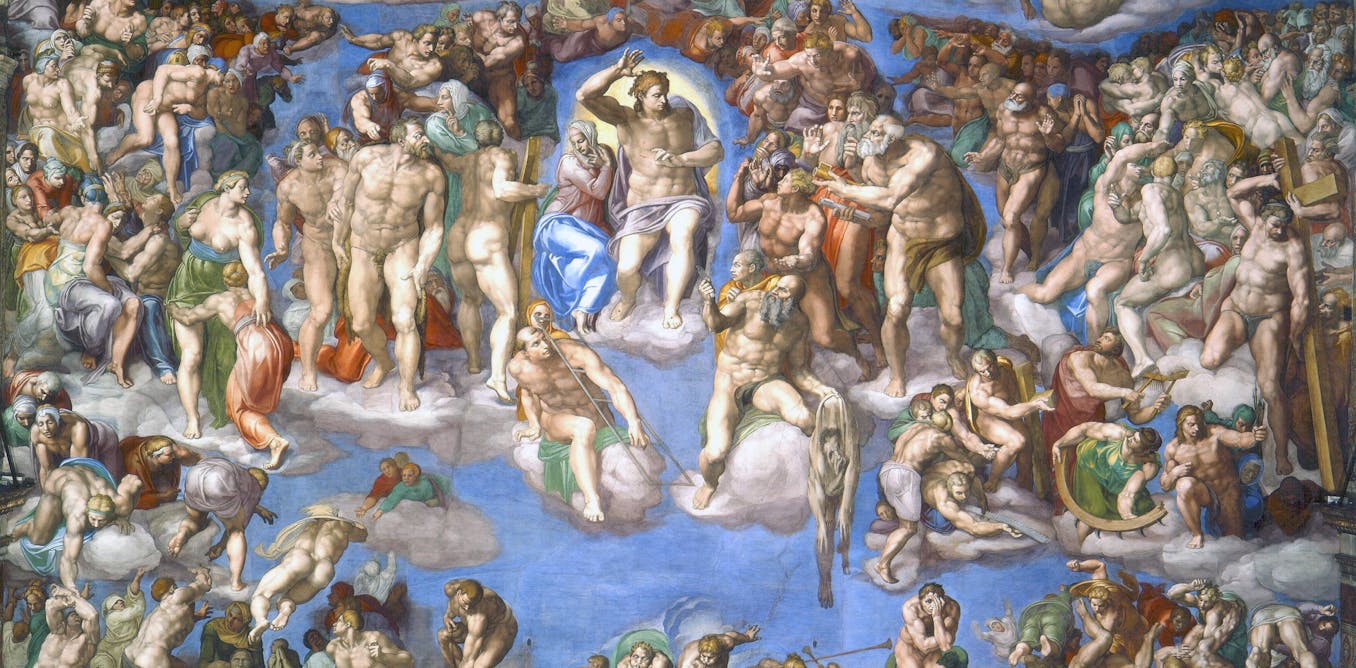
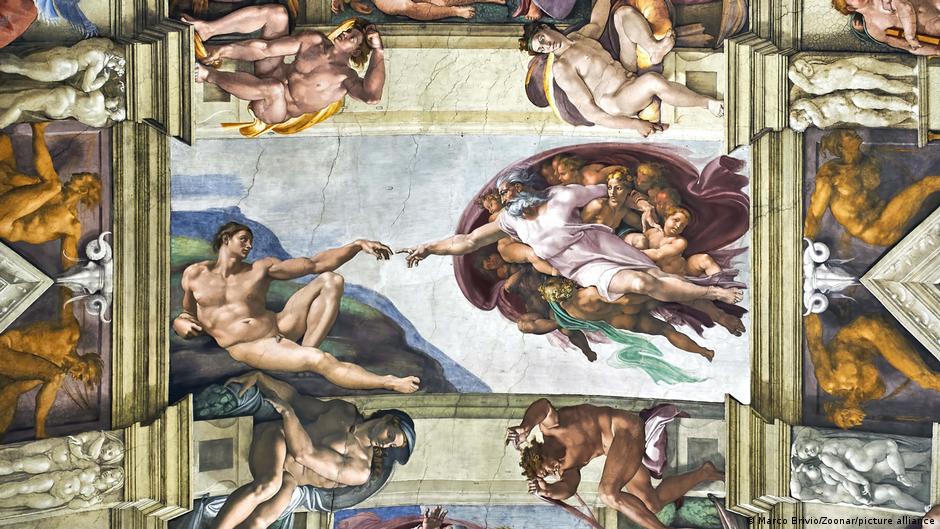
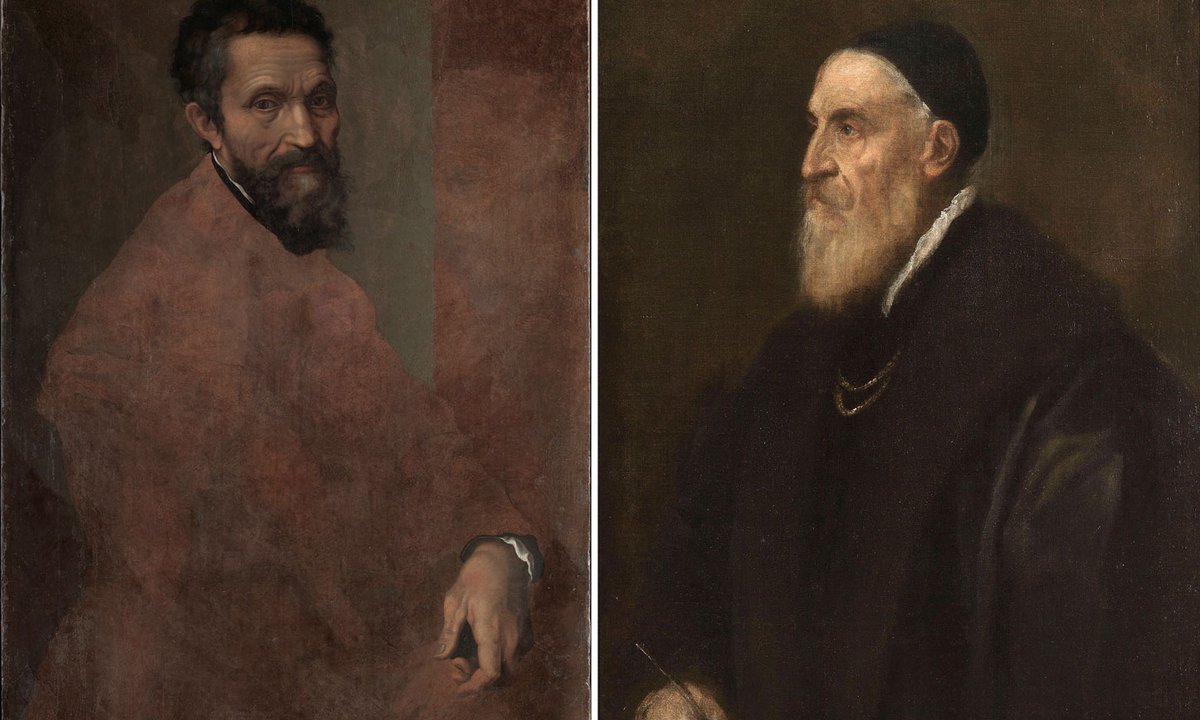
1 month agoClash of the Renaissance titans: an intriguing double biography of Titian and Michelangelo
Michelangelo the Elder's lifetime success and character are documented through 17th-century commemorative paintings that reveal how artistic tastes shifted dramatically after his death.
fromRemodelista
2 weeks agoScavolo Borgo Hotel: A Restored Historic Tuscan Village Retreat
Working with architect Lorenzo Giordano, the team approached the project as a thoughtful rehabilitation. An aluminum rooftop sits lightly on old masonry; new terrazzo floors by Cuor di Roccia meet terracotta tiles; steel stair housings pair with restored plaster and arched openings. The contrasts are deliberate, revealing each layer of the site rather than hiding it.
Renovation
Travel
fromConde Nast Traveler
2 weeks agoIn Venice With My Mom and Sister, Discovering the Joy of a Cross-Generational Trip
Family vacations with aging parents and siblings become increasingly precious as life circumstances change, making intentional travel together a meaningful priority before it becomes impossible.
Design
fromArchitectural Digest
2 weeks agoRocco Forte Hotels Blends Art Deco Glamour With the Spirit of Dolce Vita in Its New Showpiece
Blue Green Works collaborates with Murano glass artisans to create the Garden collection, merging traditional Venetian glassmaking with contemporary industrial design through hand-formed leaf and feather motifs.
Washington Nationals
fromDefector
2 weeks agoNobody's Having More Fun Than The Italians | Defector
The World Baseball Classic uses flexible nationality rules allowing players to represent countries through lineage and citizenship, creating amusing rosters like Team Italy's Italian-Americans defeating Team USA.
#fashion-design


Fashion & style
fromwww.theguardian.com
3 weeks agoValentino's Alessandro Michele stages tribute to beauty and his mother in Rome
Alessandro Michele's first Valentino collection honors founder Garavani's beauty legacy while introducing Michele's more conceptual, politically-engaged design philosophy through 1980s-inspired silhouettes and dramatic styling.
History
fromMedievalists.net
3 weeks agoMedieval Bronze Doors by Donatello Return to Florence After Restoration - Medievalists.net
Donatello's fifteenth-century bronze doors have been restored and returned to the Old Sacristy of San Lorenzo in Florence, showcasing innovative sculptural techniques and Medici family patronage.
Higher education
fromHarvard Gazette
3 weeks agoLike seeing art of Roman chapels in technicolor for first time - Harvard Gazette
Students learned centuries-old stucco sculpting techniques through hands-on practice, gaining deeper understanding of Renaissance and Baroque artists' material choices and creative processes.

Travel
fromBusiness Insider
3 weeks agoMy favorite gem in Italy is just an hour from Venice. It's packed with stunning scenery and feels like stepping into a fairy tale.
Bassano del Grappa offers authentic Italian culture, local cuisine, and scenic beauty with fewer tourists than major Italian cities like Venice.
Arts
fromThe Art Newspaper - International art news and events
1 week agoOne of Donatello's most important bronze statues is being restored: should it ever be shown outdoors again?
Donatello's Gattamelata statue is undergoing restoration and its future location remains uncertain after being moved indoors due to corrosion.
fromSempreMilan
1 month agoGdS: Olympics, fashion and football - why Milano remains the 'motor of Italy'
Milan is this centrifuge in which there is no past and no future, but an eternal present, even a bit contradictory. Some are not fans of it, but others - like Rafael Leao - immerse themselves in it. A buzz around the city that rarely quiets, especially with the Winter Olympic Games over and Fashion Week beginning with 162 events and 132,000 new visitors.
AC Milan
fromArs Technica
1 month agoWhat we can learn from scientific analysis of Renaissance recipes
"Reader-practitioners" would tinker with the various recipes, tweaking them as needed and making personalized notes in the margins. And they left telltale protein traces behind as they did so. The team reported their findings in a paper published in The American Historical Review. It's the first time researchers have used proteomics to analyze Renaissance recipes, enhanced further by in-depth archival research to place the scientific results in the proper historical context.
Medicine
History
fromMedievalists.net
1 month agoGiotto and Saint Francis Featured in Major Medieval Art Exhibition in Italy - Medievalists.net
Italy's 2026 exhibition celebrates Saint Francis's 800th death anniversary by showcasing Giotto's revolutionary artistic innovations and their impact on medieval sacred art across Umbria.
Travel
fromTravel + Leisure
1 month agoThis Italian City Is the Birthplace of Lasagna-and It's Home to the World's Longest Covered Walkway
Bologna, a northern Italian city near Florence, is renowned for its medieval food heritage, oldest Western university, UNESCO-designated music scene, and vibrant culture centered on conviviality and shared meals.
fromTravel + Leisure
1 month agoThese Are the 10 Types of Restaurants You'll Find in Italy-and Why You Need to Know the Difference
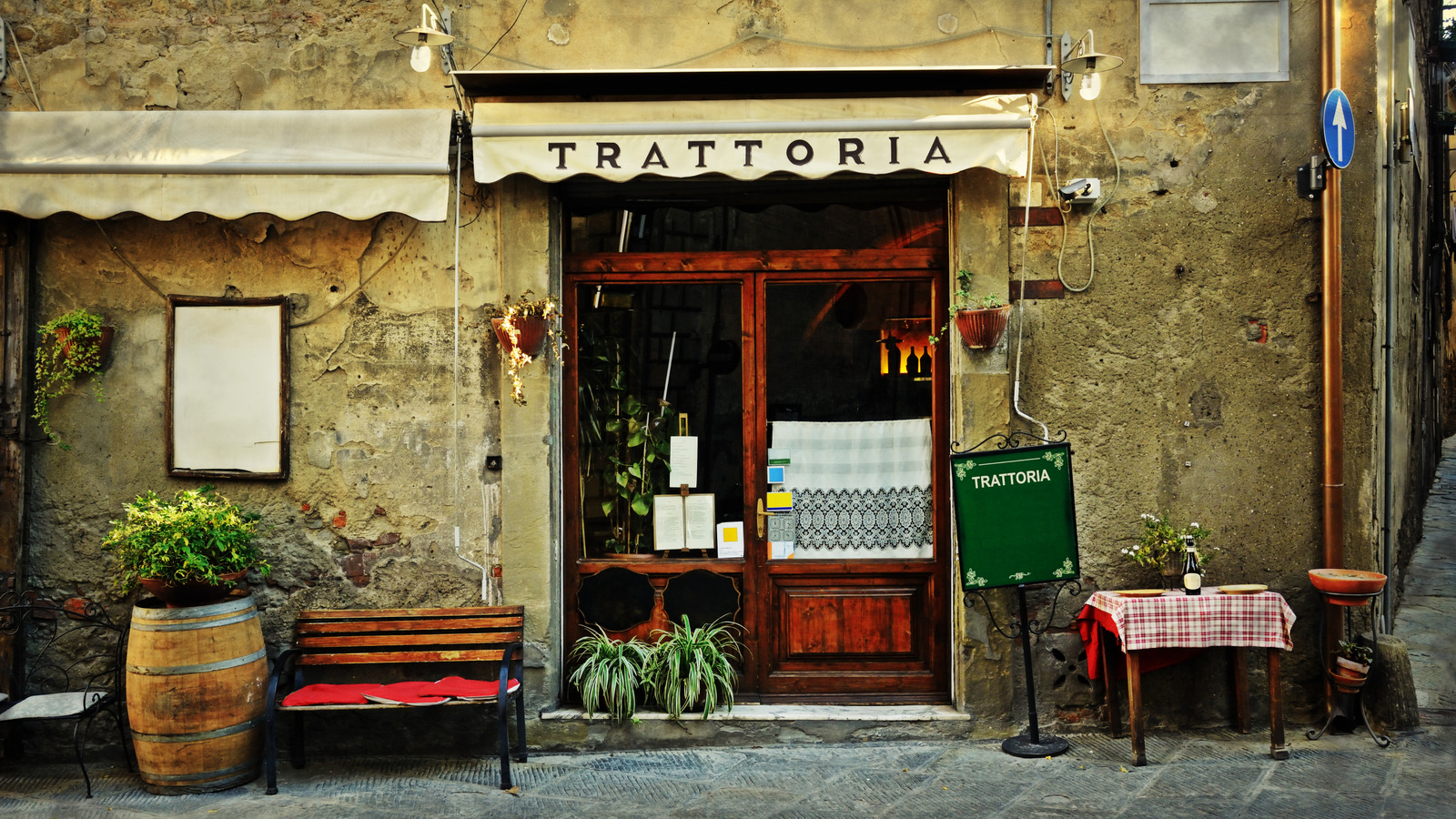
Historically speaking, an osteria was a spartan, no-frills establishment where people would go to have a drink. The original osterias date all the way back to the Roman Empire. If you go to Ostia Antica or Pompeii, you find the osterias of the era. They were like bed-and-breakfasts, with rooms for rent above the dining room where people could listen to music.
Dining
Coffee
fromDaily Coffee News by Roast Magazine
1 month agoWeekly Coffee News: La Marzocco's New Club + 'Responsible' Sourcing Milestone
Machine recognition programs, corporate sustainability milestones, education and scholarship initiatives, and allegations of corporate profit-shifting define current coffee industry developments.
fromMedievalists.net
1 month agoCaterina Sforza's Renaissance Recipes for 'Restoring' Virginity - Medievalists.net
If you follow the advice of Caterina Sforza, 'you will see that thing become so narrow that you yourself will be in admiration.' That striking promise appears in the Experimenta, a collection of recipes attributed to the Renaissance noblewoman Caterina Sforza. Best known as the formidable ruler of Imola and Forli and a fierce opponent of the Borgia family, Sforza also cultivated a keen interest in medicine, alchemy, and cosmetics.
History
Arts
fromThe Art Newspaper - International art news and events
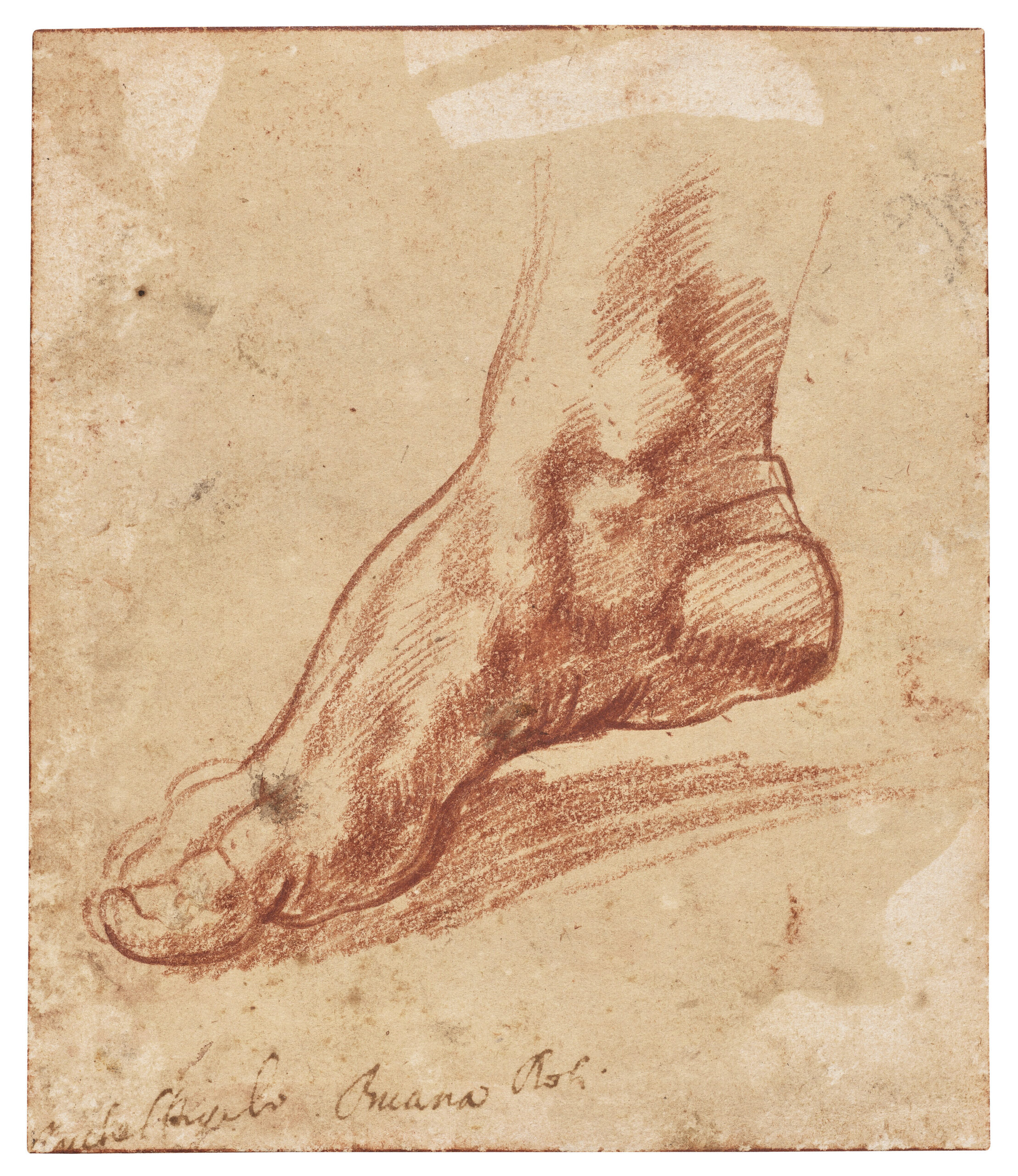
3 weeks ago'It has nothing to do with Michelangelo': expert wades in on painting newly attributed to Renaissance master
Belgian art historian Michel Draguet claims to have discovered a Michelangelo painting from the 1540s, but leading Renaissance experts dispute the attribution based on artistic style analysis.
fromApartment Therapy
1 month agoThis Soothing Italian Philosophy Transforms the Way I Do Everything
"Piano piano" is an old Italian saying that sounds nonsensical, but is actually full of wisdom, especially if you, like me, are finding yourself wishing away these frigid winter days and hoping spring and summer gets here fast. These days, I've found myself rushing from one thing to the next, frustrated at the smallest things, from post office lines to just missing my train. And I'm ready to make a change.
Mindfulness
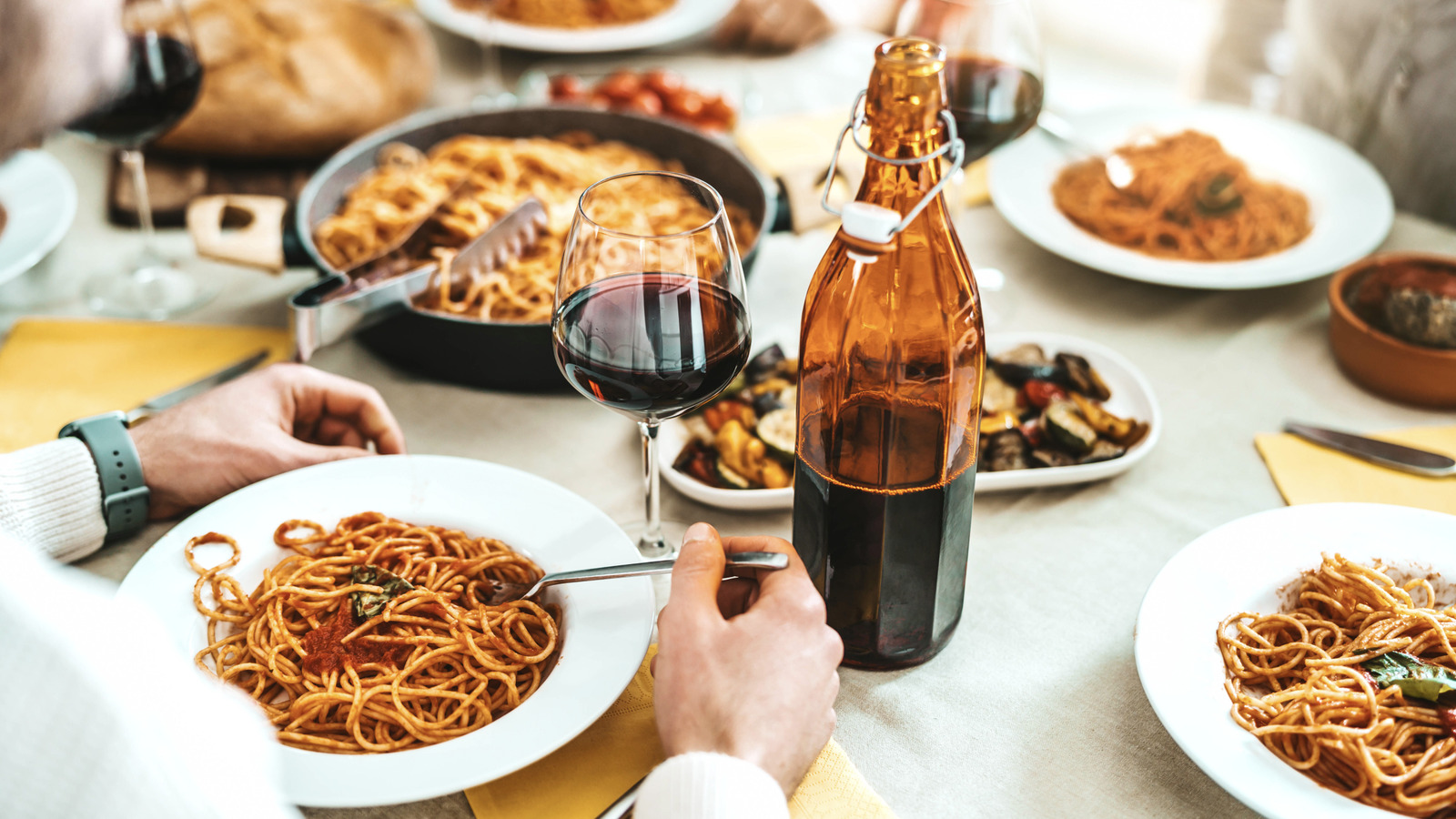

fromApartment Therapy
1 month agoWhile Traveling in Italy, I Learned the Easiest Coffee Upgrade I Now Do Every Morning
On my last trip, in Bologna, I found yet another way to enjoy Italian coffee (beyond ordering a doppio). One memorable café topped its coffees with fruit powder-infused whipped cream. They were listed under a section on the menu appropriately named "caffe della gioia" (yes, "joy coffee"). These joyful mugs are topped with a generous mountain of whipped cream that can be folded with fruit- or nut powders, like pomegranate, pistachio, orange, wild berries, and aniseed.
Coffee
fromTasting Table
1 month agoThis Cheesy Italian Fried Dough Is One Of Florence's Favorite Street Foods - Tasting Table
This coccoli, which can be a street food or restaurant appetizer, is truly an icon in Florentine - a term that simply means "from Florence" - fare. The word "coccoli" translates literally to "cuddles," and these fried dough balls do indeed feel like warm little hugs. They're about the size of dumplings; served hot, they've got a crispy exterior to crack into - with just the right amount of grease - where you'll find both fluffiness and chewy doughy-ness all at once.
Food & drink
fromTravel + Leisure
2 months agoI've Lived in Florence, and These Are the Timeless Italian Fashion Staples I Still Wear to This Day-From $15
Studying abroad in Florence was one of the best decisions of my life for a multitude of reasons-I lived like a true local, ate some of the best meals I've ever had, deepened my appreciation for art and history, learned Italian, and was able to travel to five countries and two continents in just three and a half months. But most importantly, it immersed me in a culture where personal style is second nature, quickly teaching me how to dress in a sophisticated, timeless,
Fashion & style
fromBusiness Insider
1 month agoI moved to Italy without ever visiting. Here's how I chose a home city - and why I don't regret my unconventional approach.
As I stepped off a train in Florence into heat so brutal it felt like the city was actively trying to kill me, I wondered if I'd made the right decision. This was my first time in Italy, yet I'd already committed to leaving the US and calling it home. I'd dreamed of living in Europe ever since my semester abroad in college, but here I was - overstimulated, sweating, and on my way to move into an apartment I'd only seen through WhatsApp video calls.
Travel
fromSilicon Canals
1 month agoGoodbye to tourist traps: the small towns locals say capture the real spirit of Italy - Silicon Canals
Last summer, I found myself in Venice during peak tourist season. The crowds were suffocating. Every piazza felt like a theme park, every restaurant seemed designed for Instagram rather than actual dining. Standing on the Rialto Bridge, packed shoulder to shoulder with thousands of other visitors, I couldn't help but wonder: is this really Italy? That question stayed with me long after I returned to London.
Travel
Food & drink
fromwww.theguardian.com
1 month agoA local's guide to Milan: the city's best restaurants, culture and green spaces
Simone Barlaam, Milan-born Paralympic swimmer, is a 13-time world champion, Paris 2024 multi-medalist, Milano Cortina ambassador and local guide sharing favourite Milan spots.
fromConde Nast Traveler
2 months agoThe Charms of Venice in the Winter
A gloriously clear day cold enough to warrant a coat and gloves yet brilliantly sunny-light shimmering on the water like Christmas baubles and a sky so blue that the tides appeared joyously high. Rainbows entered my suite at the exquisite Venice Venice Hotel; a snowy white heron perched itself on the railing of the balcony, seemingly as enchanted by the activity on the canals as we were; a pianist dressed in a long printed cape that swept the floor played into the night.
Travel
Arts
fromdesignboom | architecture & design magazine
2 months agoconcrete canvas wraps 18 scaffolding monoliths for monumental installation in florence
Marc Leschelier created a walkable field of 18 concrete-canvas monoliths in Florence that embody pre-architecture, openness, and experiential architectural language.
fromHyperallergic
2 months agoBecoming Caravaggio
Marciari brought me to a very different place: the luxurious, languid heat of late-summer Rome, in one of the final years of the 16th century. There, an ordinary boy has been made to hold a heavy basket of fruit for far longer than he'd like in a hot, airless studio, and a young, unknown painter is on the precipice of greatness.
Arts
[ Load more ]