#daniel-ortega
#daniel-ortega
[ follow ]
#venezuela #political-prisoners #nicolas-maduro #cuba #human-rights #delcy-rodriguez #us-foreign-policy



fromwww.npr.org
3 weeks agoCuba will release 51 people from prison in an unexpected move
Cuba's government said Thursday night that it would release 51 people from the island's prisons in an unexpected move. The Ministry of Foreign Affairs said the release in the upcoming days stems from a spirit of goodwill and close relations with the Vatican. The government did not identify who it would release, except to say that 'all have served a significant part of their sentence and have maintained good conduct in prison.'
US news
SOMA, SF
fromenglish.elpais.com
1 month agoNayib Bukele's recipe against gangs that failed in Honduras: We're safer because Mara Salvatrucha rules here'
Gang consolidation in Honduras neighborhoods reduces violence through territorial control and professionalization, though government crackdowns fail to target leadership effectively.
World news
fromenglish.elpais.com
2 weeks agoBukele alters Constitution to endorse life imprisonment in El Salvador
El Salvador's government approved a constitutional reform allowing life sentences for murderers, rapists, and terrorists, while dismissing international accusations of crimes against humanity.
fromenglish.elpais.com
1 month agoBukele, a Trump ally, leans on Chinese support to bolster his political project
China does not play by the rules; they do not respect the rules. They are not a democracy, but they intervene in your democracy. Six months later, already in the presidency, he celebrated an agreement with a sister nation: more than $500 million in non-reimbursable aid from Beijing for infrastructure projects that would boost his popularity.
World politics
World news
fromenglish.elpais.com
2 weeks agoCubans at their limit: How is it possible that in my country they listen to anyone but the people?'
Cuban families of political prisoners express frustration that the government negotiates with the United States while refusing dialogue with citizens demanding basic freedoms, amid ongoing humanitarian crises including prolonged blackouts and water shortages.

fromwww.theguardian.com
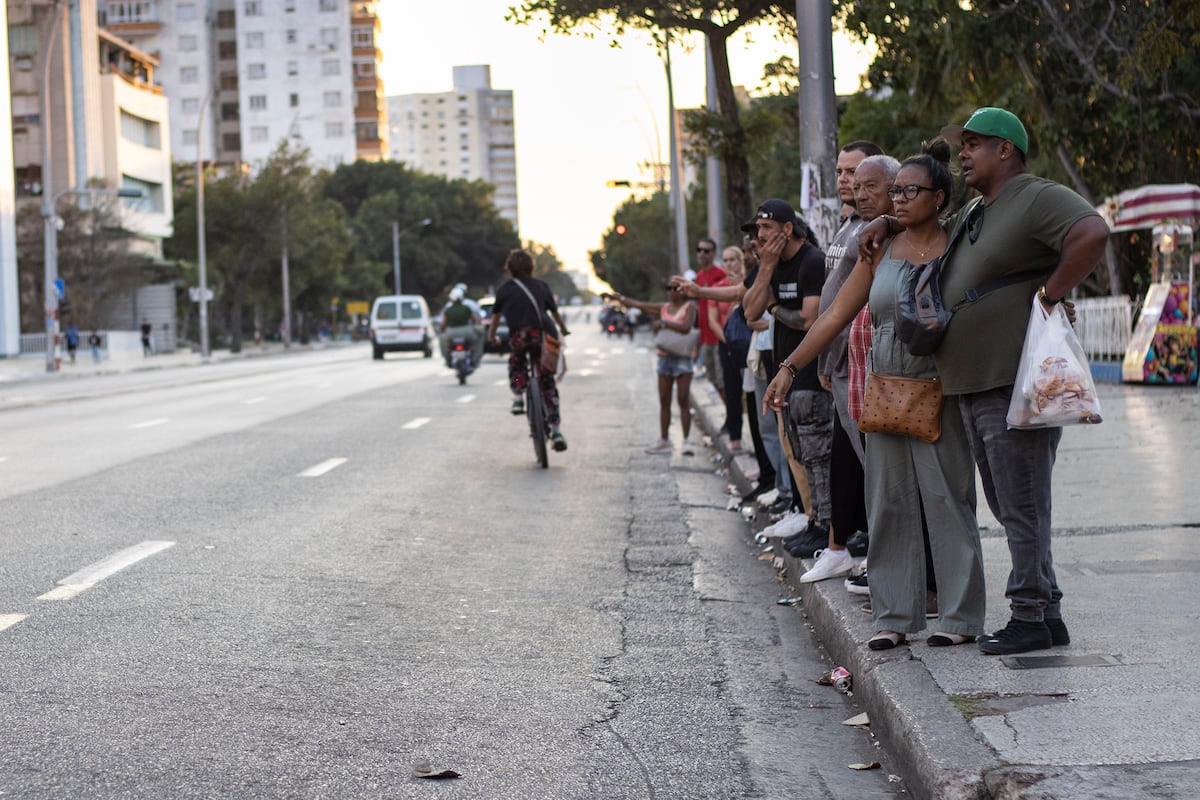
3 weeks agoFive arrested in Cuba after protest at local Communist party office
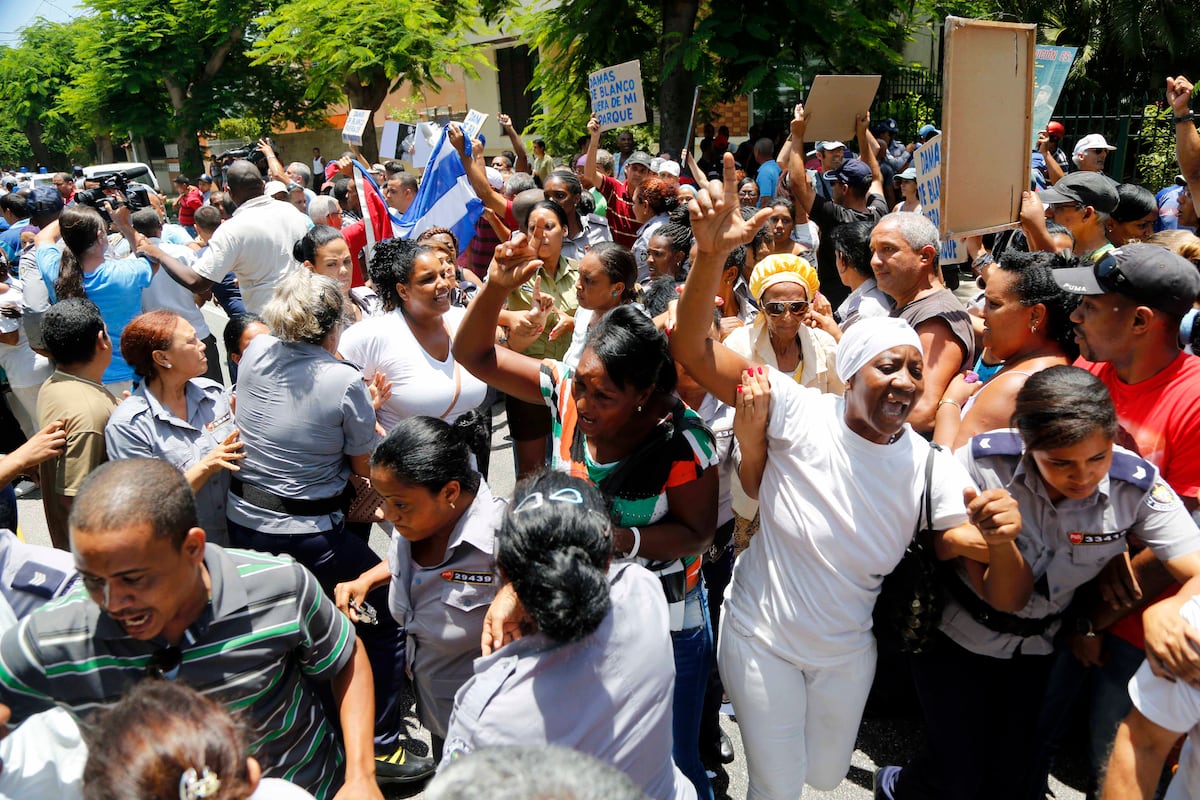
Videos shared on social media show the protesters ransacking the office, removing documents, equipment and furniture, and burning everything in the street. A smaller group also threw stones. What began peacefully, after an exchange with the authorities in the area, degenerated into vandalism against the headquarters of municipal committee of the Communist party.
World news

fromThe Cipher Brief
2 months agoMaduro and Noriega: Assessing the Analogies
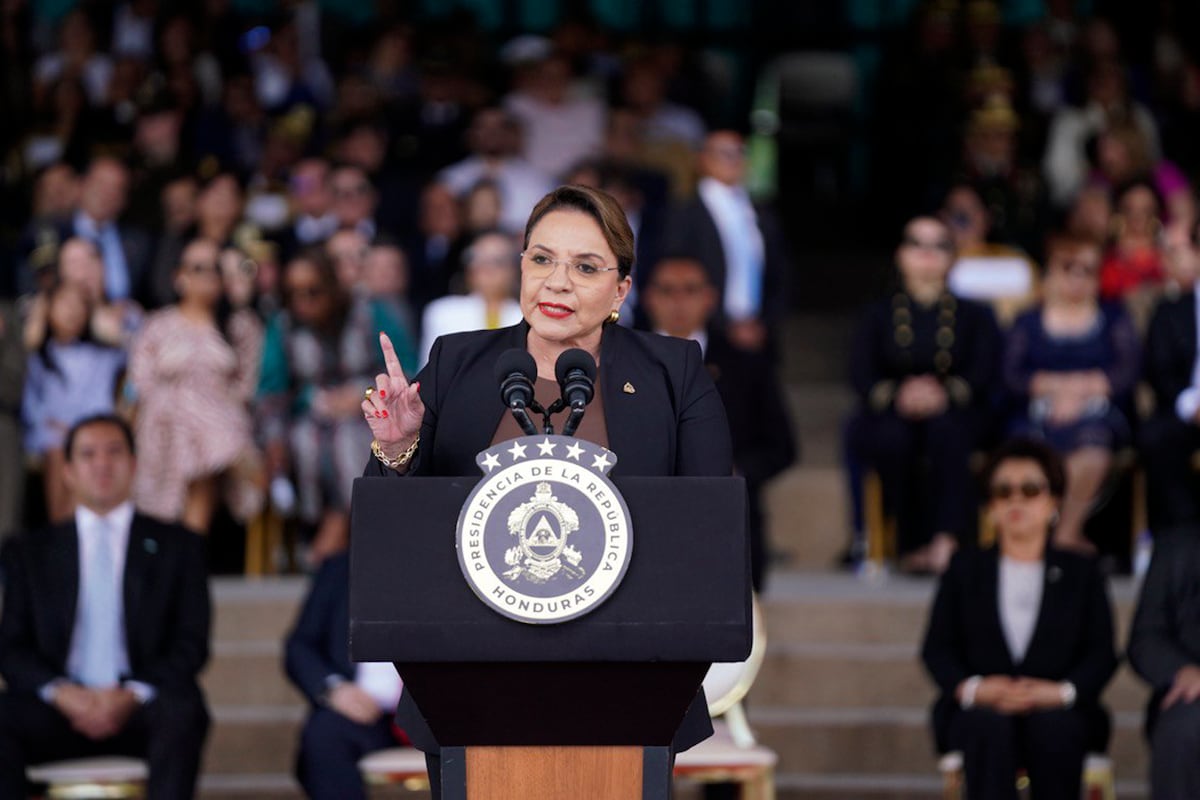
Asked if there were any restraints on his global powers, [President Trump] answered: "Yeah, there is one thing. My own morality. My own mind. It's the only thing that can stop me." "I don't need international law." EXPERT OPINION - Nicholas Maduro's fate seems sealed: he will stand trial for numerous violations of federal criminal long-arm statutes and very likely spend decades as an inmate in the Federal Bureau of Prisons.
US politics
fromwww.aljazeera.com
2 months agoNicaragua frees dozens of prisoners amid pressure from Trump administration
Nicaragua's left-wing government has announced the release of dozens of prisoners following pressure from United States President Donald Trump's administration. The government of President Daniel Ortega said in a statement on Saturday that tens of people who were in the national penitentiary system have gone home to their families. list of 3 itemsend of list The statement did not specify the exact number of people freed, or whether they had been detained for political reasons.
World news

fromenglish.elpais.com
2 months agoIn Panama, the fall of Maduro brings back memories of the US invasion in 1989
On January 3, Panama woke up with the strange sensation of looking in a mirror. During the early hours of the morning while the world tried to process the details about the capture of Nicolas Maduro, as a result of a U.S. military operation the country that is home to the Panama Canal once again delved into a wound that, 36 years later, remains open: the 1989 U.S. invasion.
World news
fromwww.theguardian.com
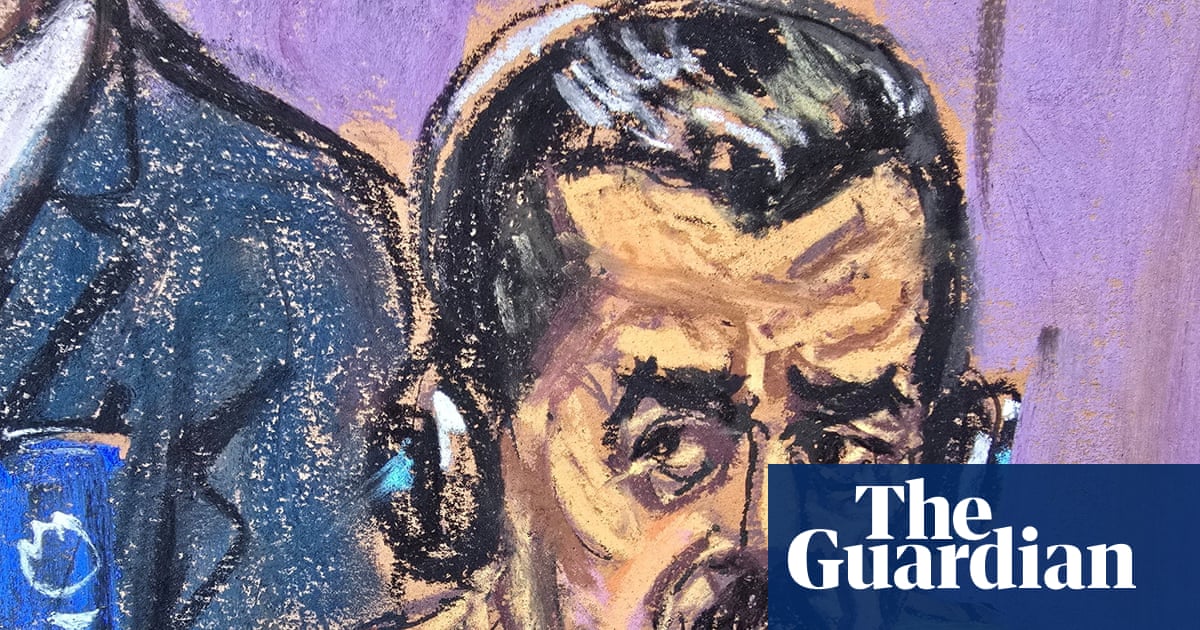
2 months agoWhat's in the US criminal indictment against Nicolas Maduro?
The superseding indictment alleges that Maduro and other top Venezuelan public officials have, for the past two decades, worked closely with international drug trafficking organizations to ship illicit drugs into the US while enriching themselves. The validity of the US complaint against Maduro and wife Cilia Flores is likely to be challenged in federal court in the New York on Monday over whether, as a foreign head of state, he can be put on trial in the US.
World news
World news
fromenglish.elpais.com
2 months agoBernardo Arevalo: Guatemala's democracy is at stake in the coming month'
Guatemala's democracy faces a decisive struggle as reformist President Arevalo confronts entrenched corrupt powers resisting judicial and institutional reforms during critical upcoming appointments.
[ Load more ]