Tech industry
fromWIRED
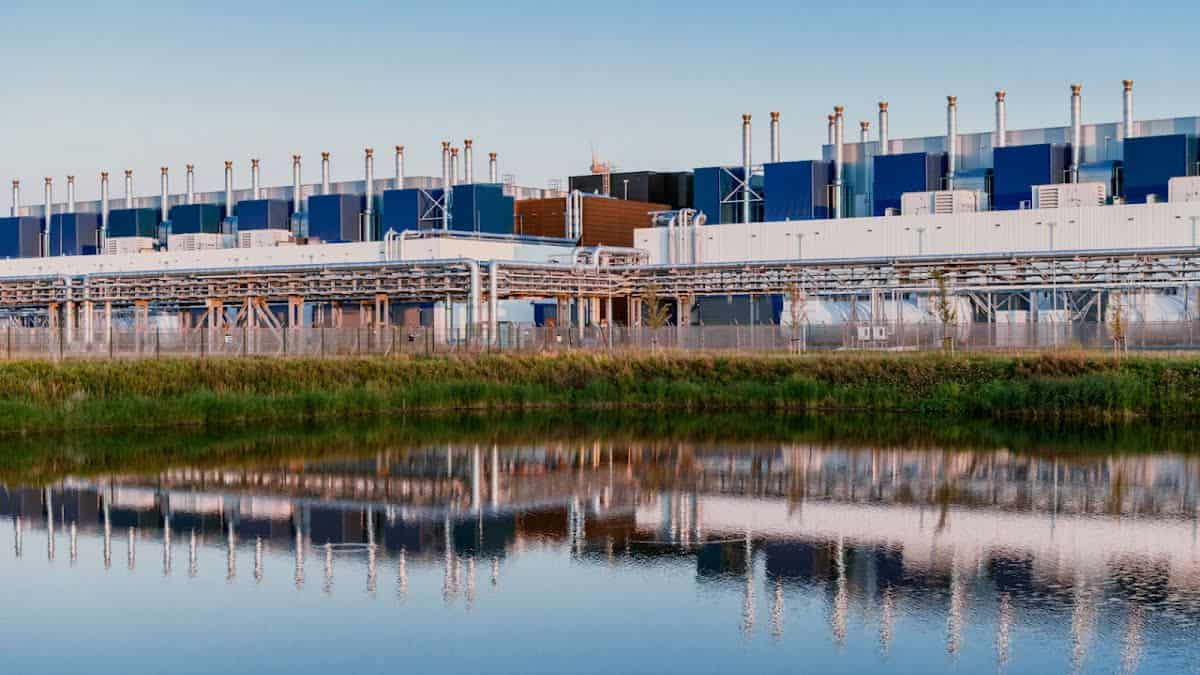
2 days agoA New Google-Funded Data Center Will Be Powered by a Massive Gas Plant
A pragmatic 'all-of-the-above' strategy is essential for energy, with gas as a critical bridge while investing in renewables.
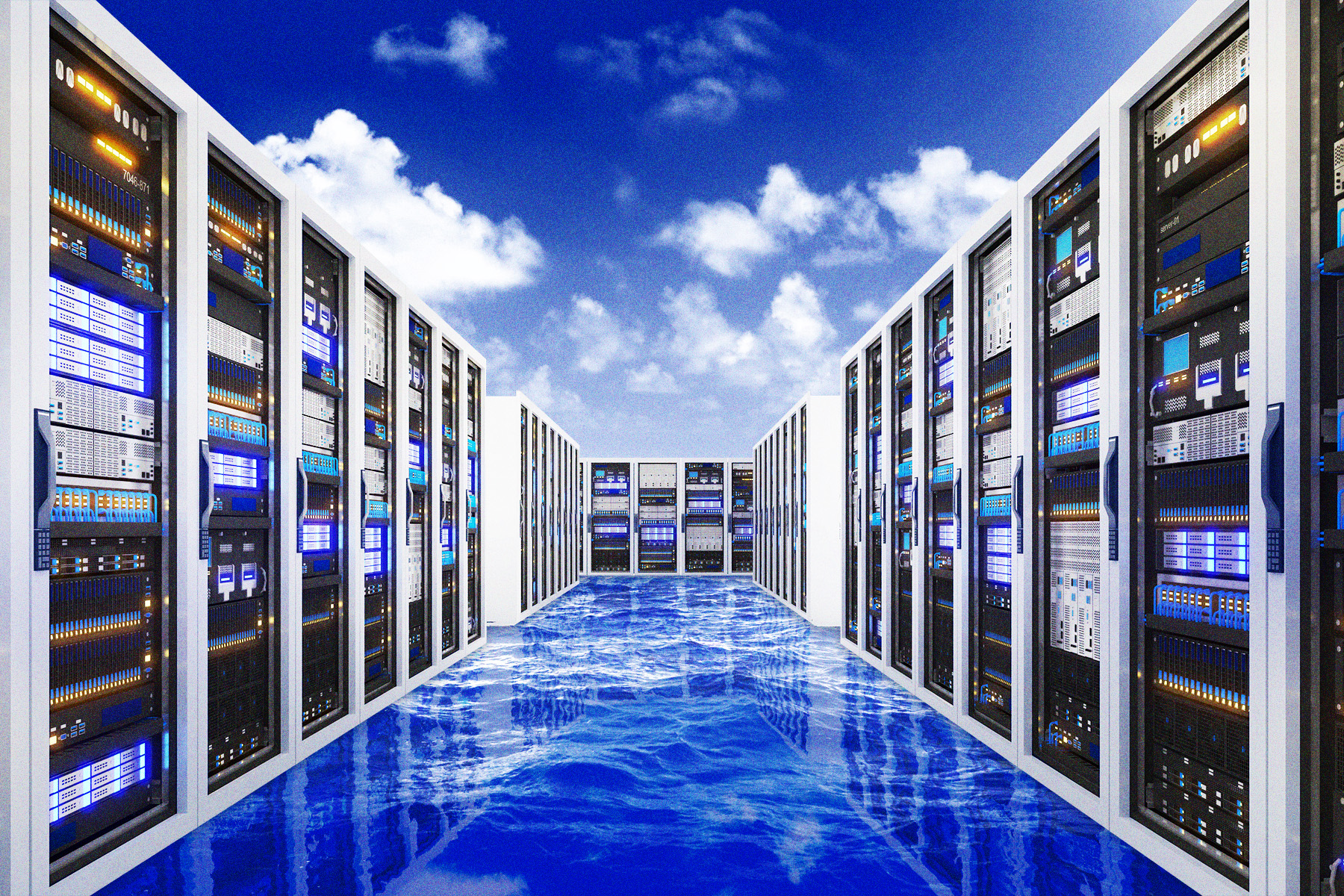
The UK has about 1.59GW of currently installed datacentre capacity at just under 190 sites. If we add existing capacity to that which is planned to complete by 2030 and which has planning consent, we get 4.9GW.
AI Armor provides dynamic runtime security and relies on a central policy engine in the Universal Management Suite (UMS) to meet compliance requirements, ensuring that organizations can manage their security effectively.
About 140 datacenters are in the queue to be connected to Britain's power grid, and their combined energy requirements are estimated to be more than the current peak electricity use for the entire country. It identified about 140 facilities, the majority of which are likely to receive a Gate 2 offer, which is a 'ready-to-connect' agreement, and these add up to a total of 50 GW of demand for electricity.
Over five days in December 2025, more than 200 real-time simulated "grid events" were sent to the site to test the Emerald software's ability to dynamically adjust the datacentre's power consumption. Emerald AI's platform was able to adjust power use to the requested level and cut demand by up to 40% while critical workloads ran as normal.
The facility once produced paper, the raw material of the newspaper information age. Now, Borlänge will produce the raw material for AI and the next information age. This declaration by EcoDataCenter's CEO Peter Michelson symbolizes the transformation of industrial sites into critical infrastructure for artificial intelligence development and deployment.
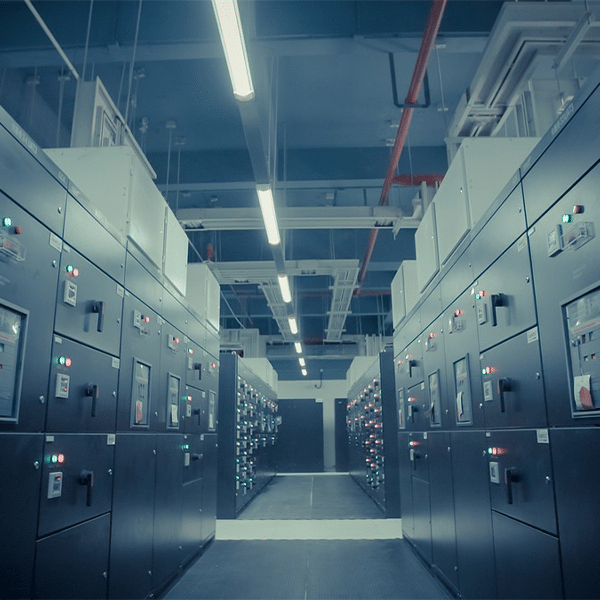
Vertiv has announced new configurations of its MegaMod HDX solution, a prefabricated power and liquid cooling infrastructure designed for environments with very high power densities. The solution is intended for applications such as artificial intelligence and high-performance computing and is available in North America and the EMEA region. According to Vertiv, the new variants respond to the rapidly growing demand for computing power and associated cooling capacity in data centers.
October 2025 alone recorded more than $350 billion of tangible data center projects under development. This, Mullins said, is no longer driven by the compute demands of training large language models (LLMs). We have moved into the inferencing stage. It is inference by applications that now consumes massive amounts of compute resources. In addition to generative AI applications like Gemini and ChatGPT, AI is being used in autonomous vehicles, robotics, liquefied natural gas, and more.
Constructing datacenters accounts for 39 percent of their total carbon dioxide emissions, almost as much as operating them, according to an environmental analysis covering the entire lifecycle of a facility. The finding comes from a white paper published by European datacenter operator Data4, which conducted a lifecycle assessment (LCA) of one of its own facilities with the assistance of design and engineering consultants APL Data Center.
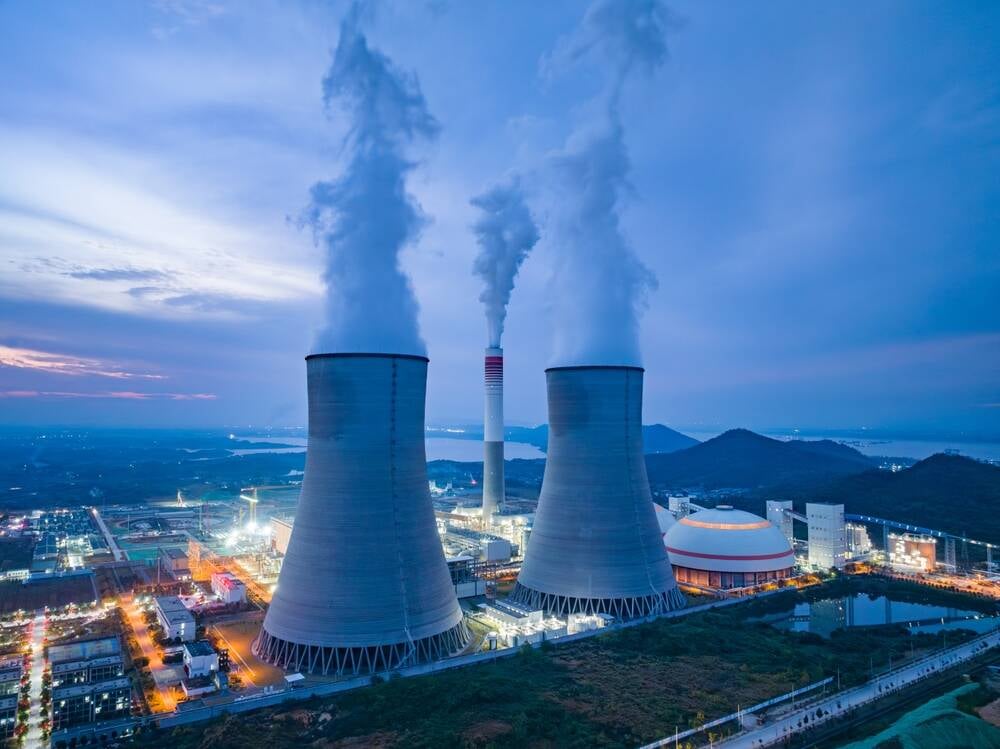
The US is now leading a global surge in new gas power plants being built in large part to satisfy growing energy demand for data centers. And more gas means more planet-heating pollution. Gas-fired power generation in development globally rose by 31 percent in 2025. Almost a quarter of that added capacity is slated for the US, which has surpassed China with the biggest increase of any country.
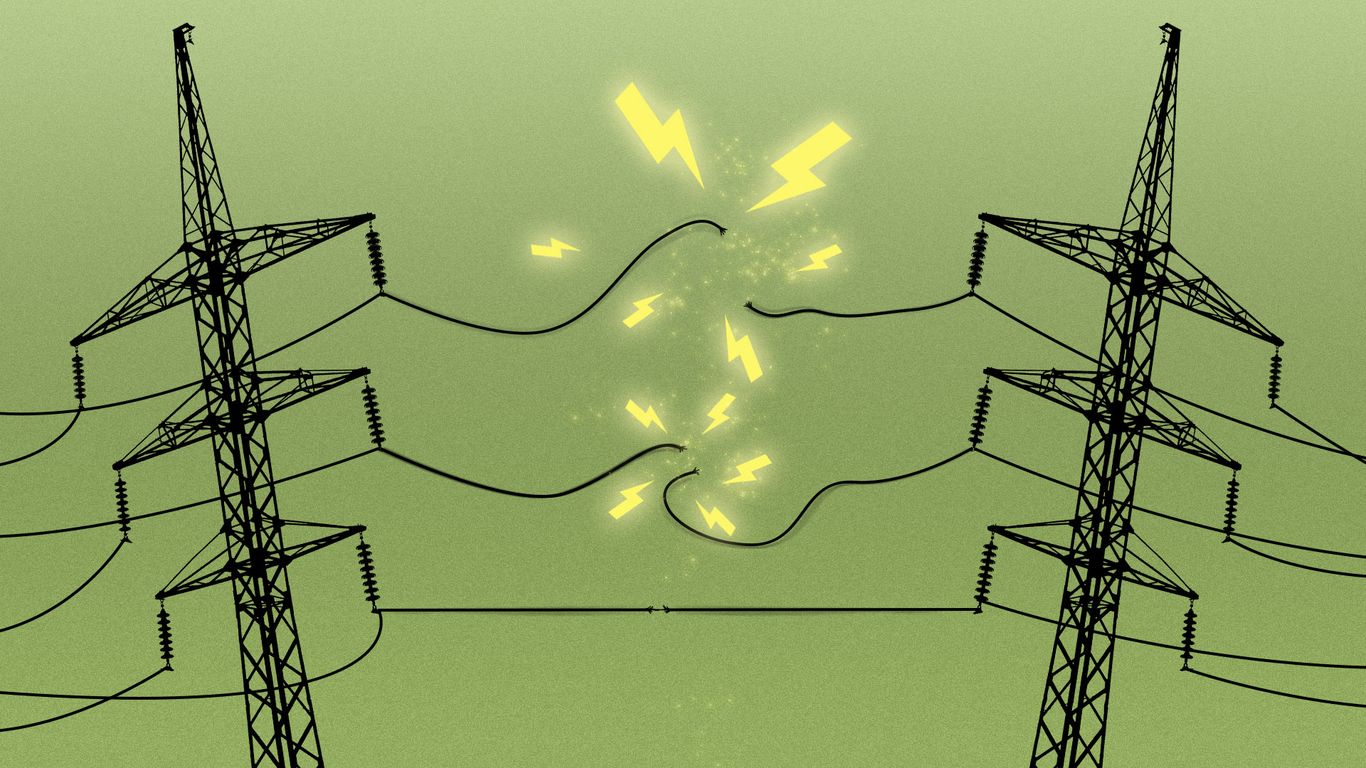
A looming shortage of electrical power is set to constrain datacenter expansion, potentially leaving many industry growth forecasts looking overly optimistic. In its latest report, " Five Predictions for 2026," Uptime Institute says that power will become the defining constraint on datacenter growth in 2026 and beyond. This is because it simply isn't possible to add extra grid and generating capacity at the same rate as new server farms are popping up, so something is going to have to give.