Higher education
fromInside Higher Ed | Higher Education News, Events and Jobs
1 day agoWhen Employees Lose Jobs, Their Kids Lose Scholarships
Joe Behen's job loss raises concerns about his daughter's tuition-exchange scholarship at USC.
Luna Rosado, a single mother, has seen her gas expenses rise by $40 weekly due to a 30 percent increase in prices after the war in Iran. This has resulted in $160 less for groceries and other necessities each month, forcing her to constantly adjust her budget.
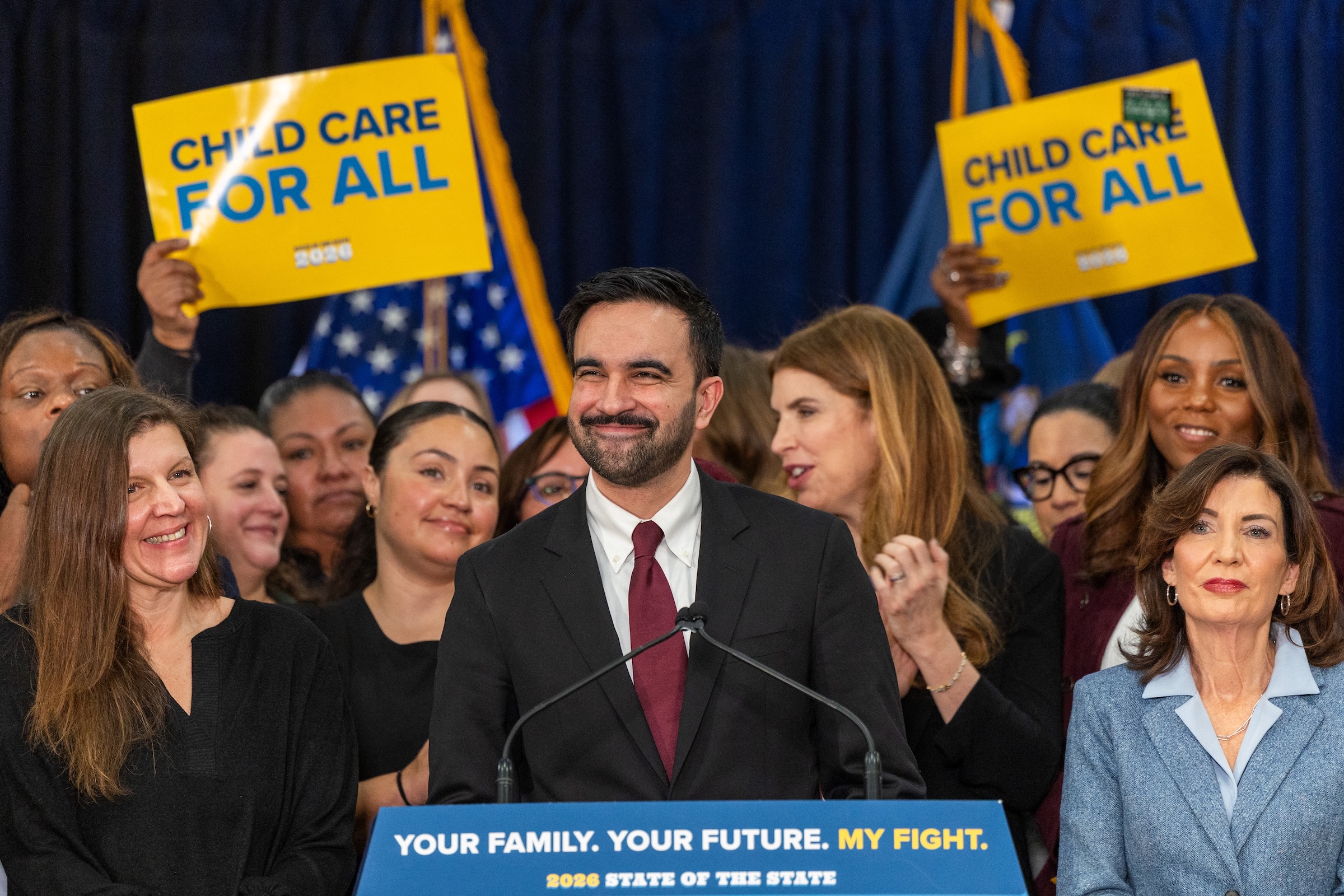
When child care can cost more than your rent or a mortgage, or you have to sacrifice a paycheck in order to be able to take care of a loved one, that can motivate how people vote. Each election cycle, we see candidates recognizing that more and more.
The bulk of the money Missouri gives to its crisis pregnancy centers comes from federal funds meant to assist families experiencing poverty with basic necessities and child care, Republican Rep. Jason Smith said on the U.S. House floor in January. As many as $3 of every $4 for pregnancy centers in Missouri was from the federal Temporary Assistance for Needy Families program in 2024, and in the 2026 fiscal year, it will be $2 out of $3.
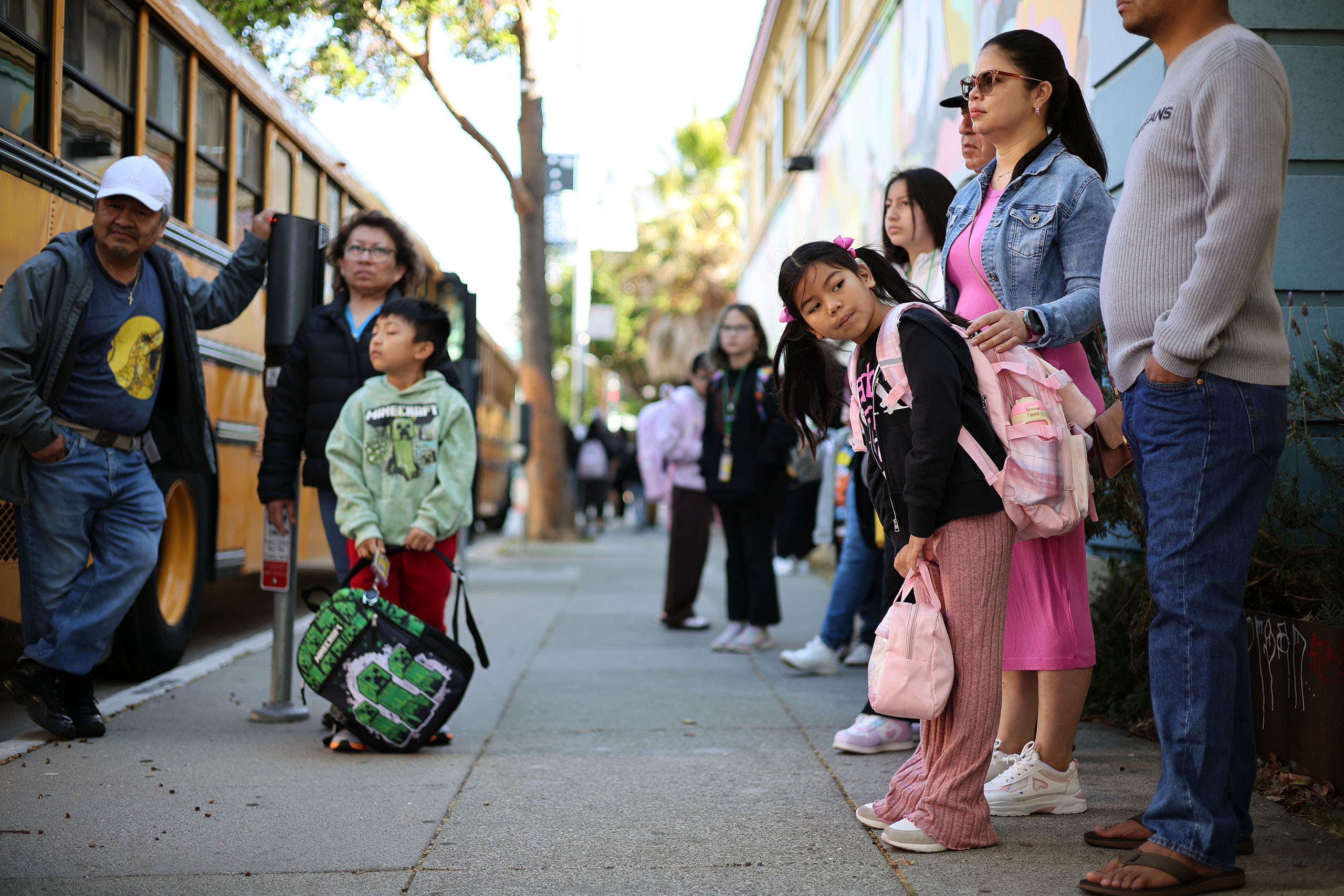
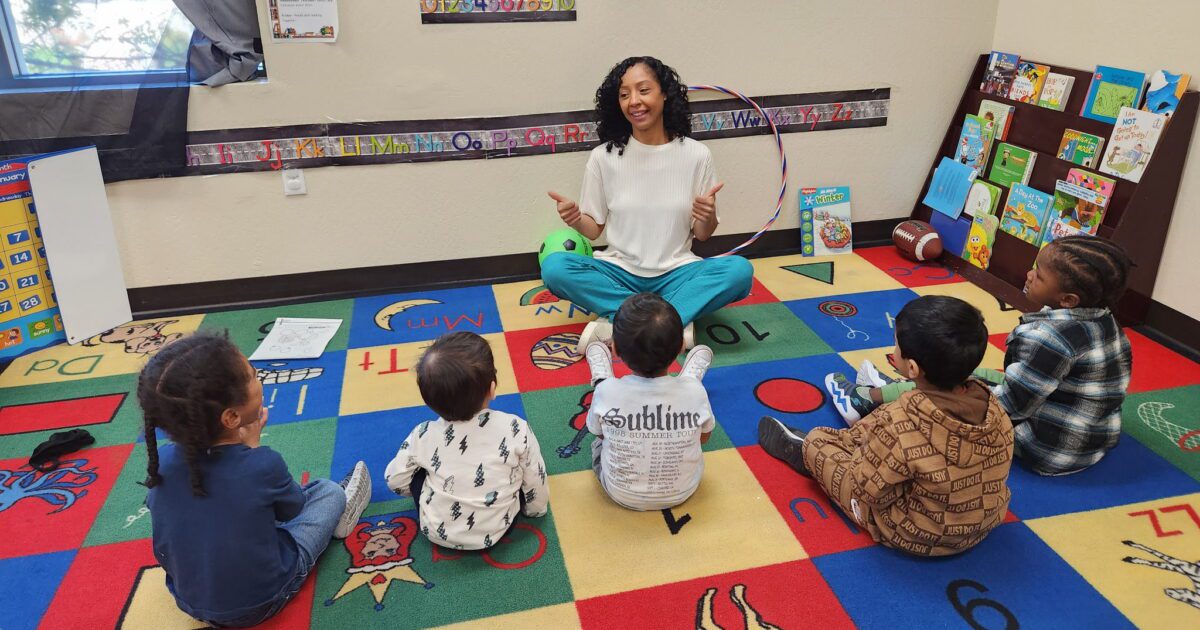
There were once so many children at Frisha Moore's Elk Grove preschool that families filled up the waitlist. Now, one of her playgrounds and two classrooms sit empty because one key group of kids has stopped coming. Dozens of families in recent years have opted not to enroll their 4-year-olds at Moore Learning Preschool & Child Care Center, she said. Instead, they're putting their children in transitional kindergarten, California's new public pre-kindergarten grade.
Not long ago, Vermont had a population problem. Then Act 76 ushered in affordable child care for the first time in the state's history. Vermont had a problem. Child care was too expensive. We would be paying $3,500 a month, more than twice our mortgage. Some parents were giving up their careers to stay home After daycare, you come home with maybe $60 extra a week. It's just not even worth it at that point.
For all the talk from employers who claim to understand the needs of working parents, childcare benefits remain elusive in many workplaces. Surveys have repeatedly shown that employees strongly value these benefits, which can run the gamut from childcare subsidies to backup care options. As working parents have demanded more from their employers, these perks have grown in popularity in certain workplaces, alongside more generous parental leave policies. But the companies that offer childcare benefits are still in the minority.
We are a white, well-off (not extremely wealthy, but doing fine) family living in a mid- to lower-income neighborhood in a major coastal city. Our first grader goes to a Title I public school and a well-known, national non-profit (we'll call it "the ABC program") runs the school care. Our youngest will start kindergarten this fall. I grew up in a wealthy suburb with very minimal diversity of any kind, and I really appreciate that my children are growing up in a more diverse environment.
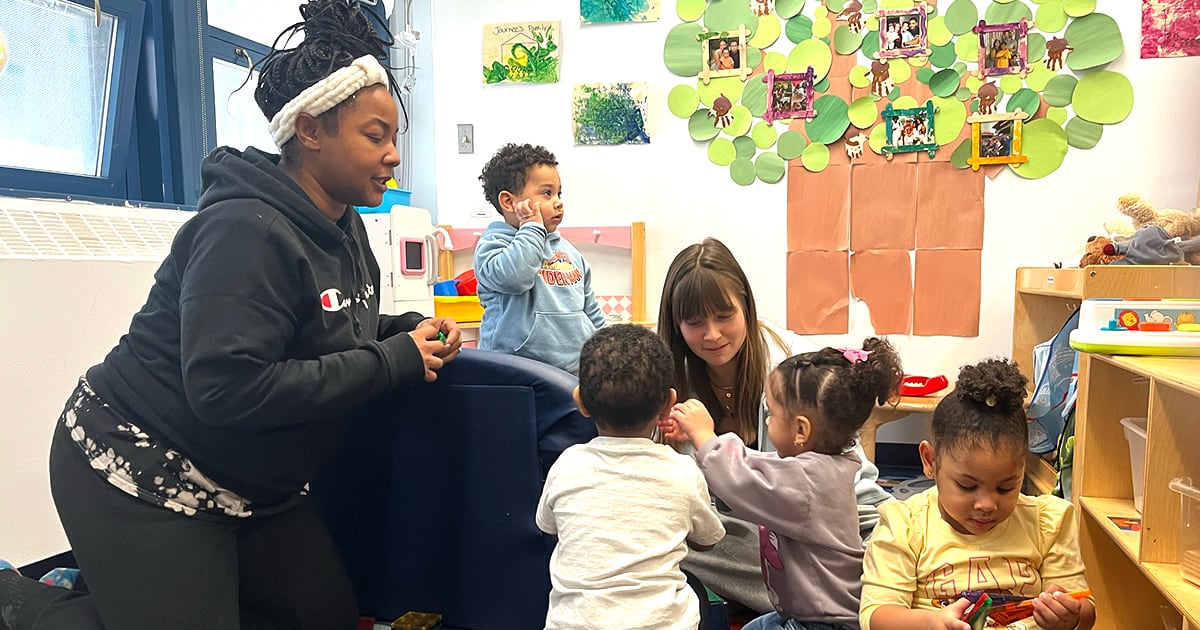
The initiative is part of the NYC Bright Starts program, and it was pitched to reinforce New York City Public Schools' existing infant and toddler programs through the federal Head Start program, which offers a variety of services to support school-readiness for children from birth to age 5 for low-income families. Last year, the Trump administration attempted to bar undocumented immigrant children from enrolling in Head Start programs, but a federal judge's injunction put the effort on hold nationwide in September.
The lawmakers provided examples of childcare workers ensnared by Trump's deportation push, including a nanny in Wisconsin, an asylum seeker with no criminal record who was detained by Immigration and Customs Enforcement (ICE) after a routine check-in, and immigrant teachers at a preschool in Washington DC who lost their work authorizations and were forced to quit due to TPS terminations by the Trump administration.
The Department of Health and Human Services is freezing $10 billion in federal funds in five Democrat-run states over allegations of fraudulent child-care programming, an HHS official confirmed to ABC News. The HHS official confirmed that the five states are California, Colorado, Illinois, Minnesota and New York. The funding freeze will severely hamstring families in these states during the new year and could have long-term implications, particularly for low-income families, amid an ongoing affordability crisis, according to economic data.