#dealer-opposition
#dealer-opposition
[ follow ]
#electric-vehicles #tesla #automotive-industry #stock-market #autonomous-vehicles #energy-storage #ev-sales #ai


#tesla
Toronto startup
from24/7 Wall St.
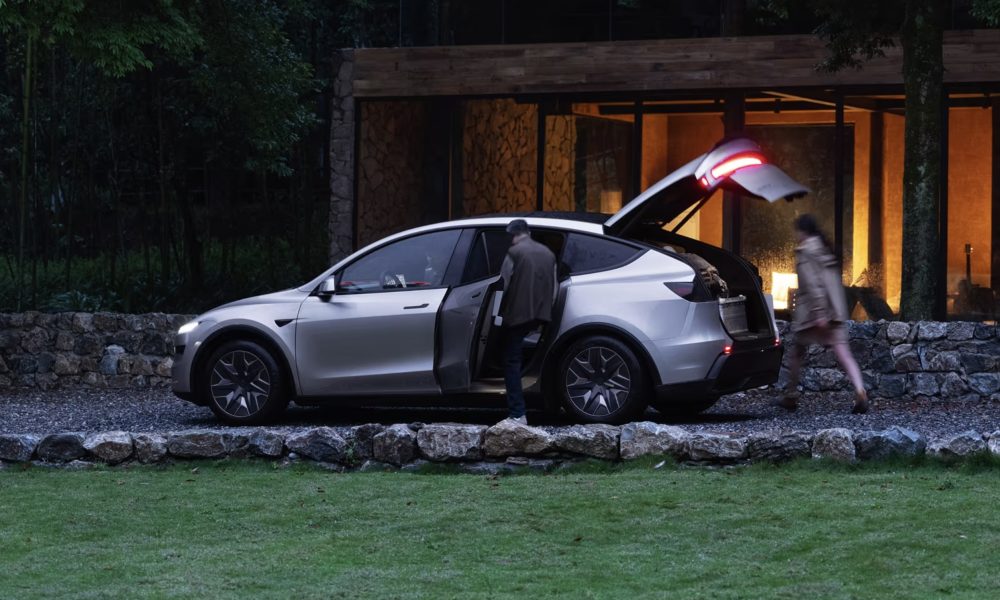
2 days agoBloomberg: Tesla's AI dreams don't change reality, cars still pay the bills
Tesla's Q1 2026 vehicle deliveries fell short of expectations, highlighting challenges in the automotive sector despite excitement over future technologies.
#autonomous-vehicles

Toronto startup
from24/7 Wall St.
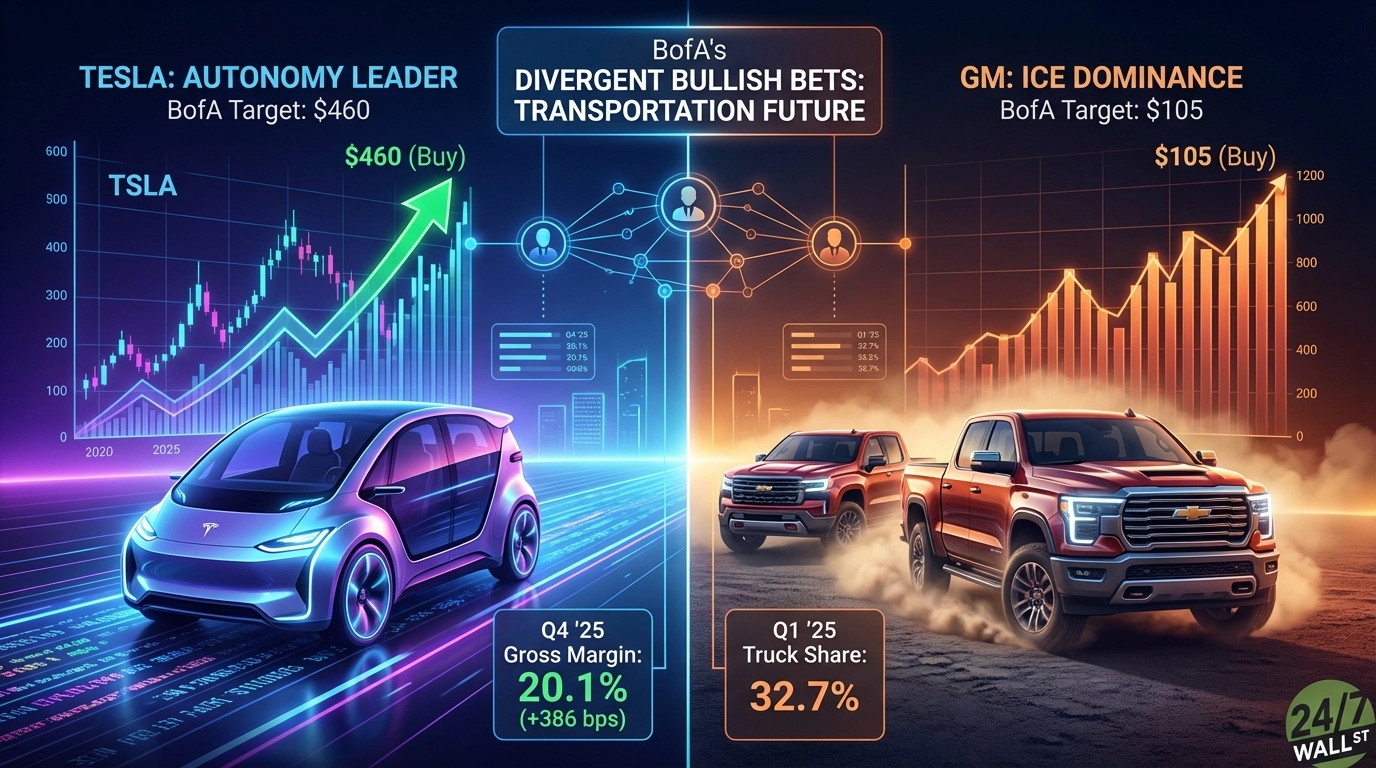
1 month agoTesla and General Motors: BofA Bets Big on Autonomy and ICE Dominance With Bold Price Targets
Bank of America initiated bullish positions on Tesla and General Motors based on divergent transportation futures: Tesla as an autonomous mobility platform and GM as a profitable EV-era truck/SUV leader.
Alternative transportation
fromStreetsblog USA
6 days agoTrump's 'Freedom Means Affordable Cars' Rings Hollow As Gas Prices Surge - Streetsblog USA
Rising gas prices challenge the Trump administration's oil consumption strategy and highlight the need for better mobility alternatives in American cities.
Social media marketing
fromSilicon Canals
2 weeks agoWhy Tesla influencers defended the brand for years - and what finally broke the bond - Silicon Canals
Tesla influencers are defecting after the company changed Full Self-Driving transfer terms and pricing policies, revealing how broken institutional promises erode loyalty in high-commitment communities.
Marketing tech
from24/7 Wall St.
3 weeks agoCarGurus Is Quietly Becoming the Auto Marketplace to Beat
CarGurus outperforms the broader market by eliminating its unprofitable CarOffer division, launching successful AI products, and deepening dealer relationships while achieving significant profitability and cash flow growth.
Business
from24/7 Wall St.
1 month agoEveryone Hates Ford Right Now. Does That Make It a No-Brainer Buy?
Ford's current pessimism presents a buying opportunity for retirement investors as insider buying, improving EV losses, and strong Ford Pro commercial division cash generation support valuation recovery.
fromEntrepreneur
2 weeks agoThis 33-Year-Old Makes $200K a Month Negotiating Car Prices for People. Some Salespeople 'Hate Him.'
For $1,000, Tomi Mikula will do something most people dread: negotiate with a car dealer. The 33-year-old spent more than a decade selling cars and auto financing at dealerships before starting his own business doing the opposite. Now he uses dealer speak and an encyclopedic knowledge of inventory to talk down sticker prices for buyers.
Toronto startup
fromTESLARATI
3 weeks agoTesla Model Y outsells everything in three states, but Ford dominates
The Ford F-Series, encompassing models like the F-150, F-250, F-350, and F-450, claimed the title of best-selling vehicle in 29 states. This dominance underscores the pickup truck's unbreakable appeal across much of the country, particularly in rural, Midwestern, Southern, and Western states where towing capacity, durability, and utility for work or recreation remain top priorities.
Cars
from24/7 Wall St.
1 month agoFrom Frustration to Respect: What Car Dealerships Actually Get Right
For years, car dealerships had a terrible reputation. Pushy sales tactics, confusing pricing, and long hours spent negotiating made the entire experience feel more like a battle than a purchase. Like many buyers, I assumed that avoiding dealerships altogether was the smartest way to buy a car, especially as online platforms and direct-to-consumer models gained popularity. Over time, however, my perspective began to shift.
Cars
from24/7 Wall St.
2 months agoFord vs Failure: Will Failure Win Again?
Ford beat earnings estimates in three straight quarters through Q3 2025, with a stunning 367% surprise in Q1. The stock responded by going... nowhere. Up 47% over the past year but still trading at $13.60, barely above where it sat in 2016. That's the Ford pattern in a nutshell: promise without payoff, execution without escape velocity.
Cars
fromBusiness Insider
2 months agoGM is quietly becoming a subscriptions company
During the automaker's Tuesday earnings call, CEO Mary Barra highlighted the rapid growth of GM's in-vehicle software and subscription business. In the past nine months, GM's software generated $2 billion, and customers have already signed up for about $5 billion in future subscriptions. The company said it now has 11 million subscribers for its OnStar safety system, up 34% from a year earlier. Another half a million customers are also paying for Super Cruise, its hands-free driver-assistance system.
Cars
[ Load more ]