#degrowth
#degrowth
[ follow ]
#sustainability #circular-economy #climate-change #data-centers #environmental-impact #business-strategy
Media industry
fromNonprofit Quarterly | Civic News. Empowering Nonprofits. Advancing Justice.
3 days agoPolitics in an Attention Economy | Nonprofit Quarterly | Civic News. Empowering Nonprofits. Advancing Justice.
Candidates must be cultural figures to succeed in today's American politics, navigating an attention economy shaped by algorithms.
#sustainability

Online Community Development
fromDaily Coffee News by Roast Magazine
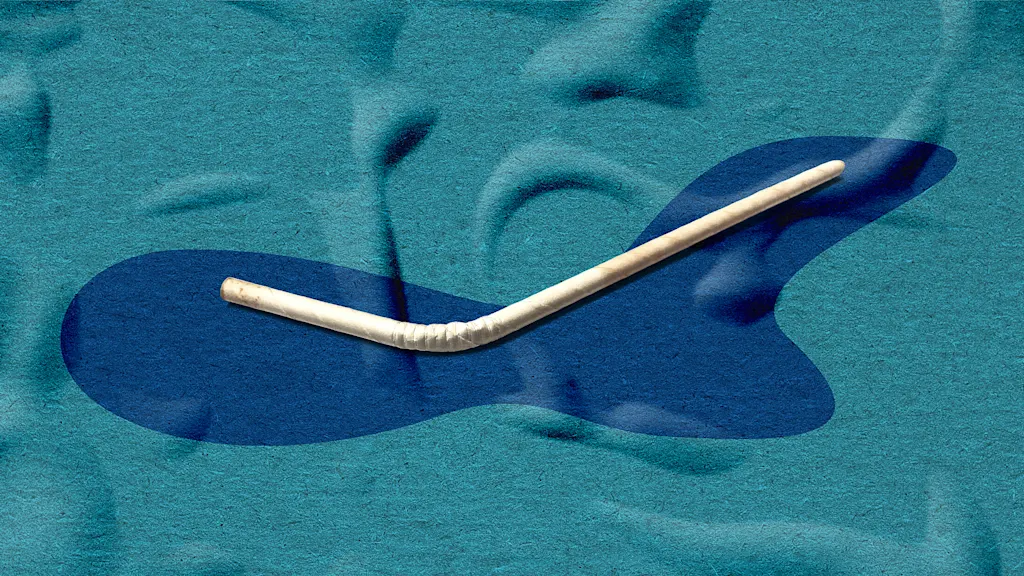
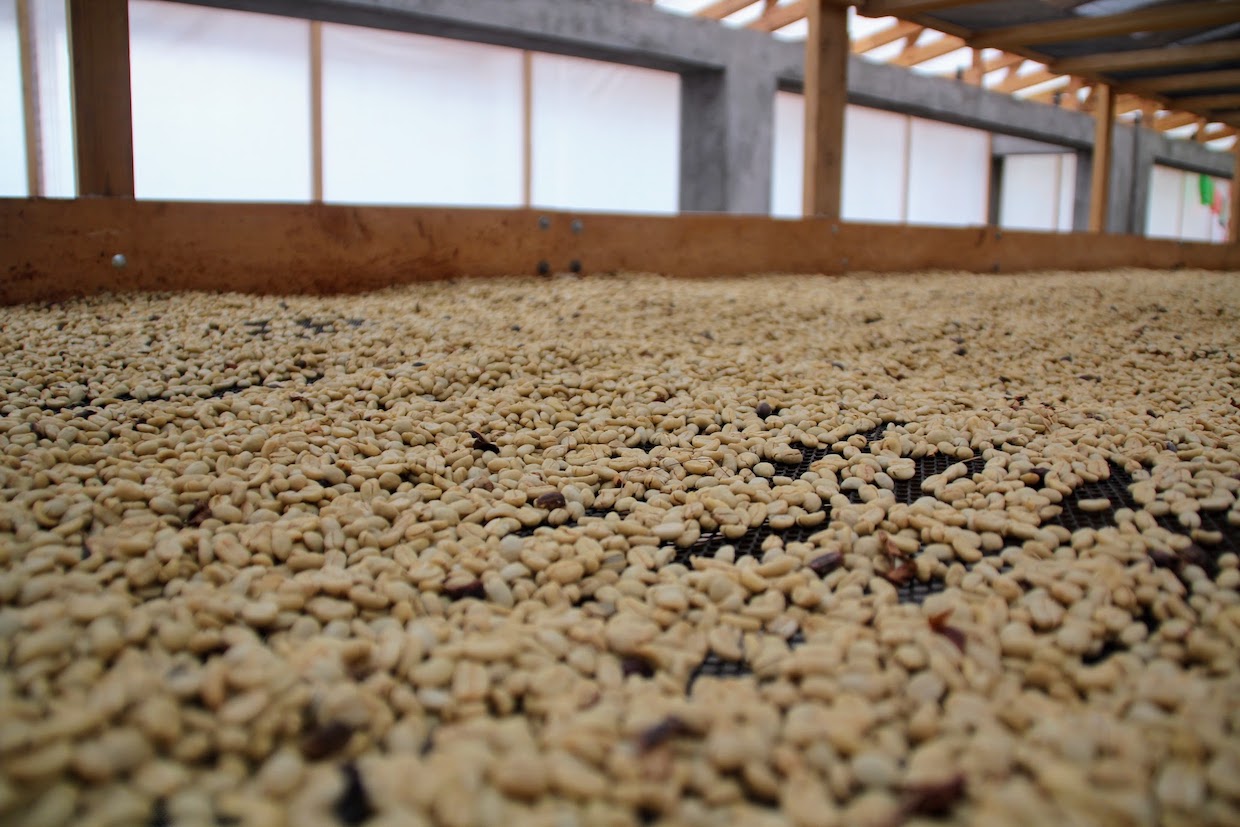
1 week agoStudy: Social Enterprises Beat Corporate Sustainability in Farmer Well-Being
Social enterprises significantly enhance farmer well-being compared to traditional corporate sustainability programs and cooperatives in the coffee and cocoa sectors.
Psychology
fromSilicon Canals
2 weeks agoI grew up in a house where we didn't throw food away, we didn't leave lights on, and we didn't buy what we didn't need. I thought that was poverty. It took me twenty years to realize it was intelligence dressed in clothes that embarrassed me. - Silicon Canals
Childhood frugality develops cognitive discipline about money that often proves more valuable than abundance, though cultural messaging creates shame around restraint.
fromArchDaily
1 week agoDesigning for Obsolescence in an Age of Perpetual Upgrades
In the nineteenth century, entire railway networks became obsolete almost overnight, not due to physical deterioration, but because of changes in the technical standards that supported them. The expansion of railroads across Europe and North America adopted different track gauges, and as a dominant standard gradually emerged, these infrastructures became incompatible with one another.
Renovation
Books
fromNonprofit Quarterly | Civic News. Empowering Nonprofits. Advancing Justice.
2 weeks agoOf Tech Bros and Eco Collapse-Warnings from McGovern's 99th Day | Nonprofit Quarterly | Civic News. Empowering Nonprofits. Advancing Justice.
Gerry McGovern's '99th Day' argues that environmental collapse stems from technological excess, data waste, and toxic masculinity culture, positioning humans as the primary problem.
fromBustle
2 weeks agoMindfulness
Why Slow Living Is Gaining Ground in a Culture Obsessed With Speed
Slow living prioritizes quality, relationships, and presence over productivity and busyness, supported by research showing that chronic time pressure increases health risks while rest improves cognitive and creative performance.

Fashion & style
fromBusiness Matters
3 weeks agoWhy Sustainable Fashion is More Than Just a Trend: Clothing, Bags, and Accessories for a Better Future
Sustainable fashion has moved from niche to mainstream as consumers increasingly demand transparency about production, labor practices, and environmental impact of clothing and accessories.
Remodel
fromWIRED
2 weeks agoSpring Cleaning? Here's How to Declutter Responsibly-and Maybe Earn Some Cash
Spring cleaning becomes manageable by separating decluttering from deep cleaning, dividing your home into smaller specific spaces, and choosing one area to start with using proven decluttering strategies.
Miscellaneous
fromwww.theguardian.com
4 weeks agoA delightful day at the dump: The trick is not to leave with more stuff than I arrived with!'
A recycling centre's ReUse shop in London salvages discarded items including unusual specimens like embalmed animals, vintage furniture, and antiques to resell rather than send to landfill.
Agriculture
fromEarth911
2 weeks agoConvenience Comes at the Environment's Expense
Fast delivery convenience carries significant environmental costs through packaging waste, carbon emissions, and resource consumption, but individual yard management choices can meaningfully reduce environmental impact at a local scale.


fromThe Nation
3 weeks agoA World on Fire Needs More Climate Reporting-Not Less
Covering Climate Now was formed in 2019 in response to the climate silence that then prevailed in much of the press, especially in the United States. Over the years that followed, hundreds of newsrooms joined our effort, and press coverage of the story began to reflect the scale of the crisis. Newsrooms beefed up their climate reporting teams; they confronted misinformation that sought to play down the problem; they thought creatively about how to find the climate connection on every beat.
Environment


Food & drink
fromenglish.elpais.com
2 months agoThe world against vegans: can the movement withstand the reactionary wave and its own crisis of faith?
Veganism faces a modest decline with qualitative shifts: some businesses and high-profile individuals reintroducing animal products while overall veggie numbers remain largely unchanged.
fromPsychology Today
2 months agoHow Can We Change the World?
There's a myth in our society that real change requires force, strength, and domination. We celebrate athletes, CEOs, and politicians who crush their opponents. But history tells a different story. Lasting social change has often been triggered by humble people whose weapons were passion, principle, and an unwavering commitment to justice and the truth - not the truth we see on TV or read in print media, but rather the truth that we feel deep inside ourselves.
Social justice
fromDaily Coffee News by Roast Magazine
1 month agoReport: Sustainability Must Be Embedded Into Core Buying Practices to Drive Change
"Ironically, many if not most of these 'sustainability' projects remain disassociated from companies' core procurement strategies, meaning the coffee produced from these projects is not necessarily bought by the companies involved, or only in minimal quantities," the paper states. "And for the coffee that is purchased, prices do not factor into the project design, despite the fact that price is the single variable impacting farmer income that is in the direct control of companies."
Coffee
Marketing
fromBuffer: All-you-need social media toolkit for small businesses
2 months agoWe Should All Be Building People-First Communities in the Age of AI
Human connection and community-driven trust outperform synthetic signals; prioritize building real relationships because people, not AI, scale lasting trust for brands and creators.
Environment
fromEarth911
1 month agoSustainability In Your Ear: The Forest Stewardship Councils' Path to a Circular Bio-based Future with Loa Dalgaard Worm
Forests face unsustainable depletion from rising demand for wood fiber, requiring circular economy models and new incentive systems to protect remaining forests while meeting material needs.
fromMindful
1 month agoCan Compassion Save the Planet?
When British author Karen Armstrong won the TED prize in 2008, she used the money to convene a group of religious thinkers from a wide range of faiths to craft an updated version of the Golden Rule for the 21st century. What emerged was the Charter for Compassion, which calls on people around the world "to work tirelessly to alleviate the suffering of our fellow creatures, to dethrone ourselves from the center of our world and put another there, and to honor the inviolable sanctity of every single human being, treating everybody, without exception, with absolute justice, equity and respect."
Philosophy
Environment
fromwww.mercurynews.com
1 month agoOpinion: AI is destroying our planet. We must act to check its growth and save ourselves.
AI's environmental impact is severe, with 2025 freshwater consumption exceeding global bottled water use and projected energy demands by 2034 matching India's entire consumption, requiring immediate action.
fromwww.theguardian.com
1 month agoThey pushed so many lies about recycling': the fight to stop big oil pumping billions more into plastics
Then she read an article in this newspaper, just over eight years ago, and discovered that fossil fuel companies had ploughed more than $180bn (130bn) into plastic plants in the US since 2010. It was a kick in the teeth, says Gardiner. You're telling me that while I am beating myself up because I forgot to bring my water bottle, all these huge oil companies are pouring billions She looks appalled. It was just such a shock.
Environment


fromEarth911
1 month agoEarth911 Inspiration: Waste Can End With You
We can make changes to reduce our waste by precycling when we shop, reducing what we purchase, reusing items to get the most use out of them, and recycling when possible. But when we have items to throw away, please dispose of trash responsibly and don't litter. Let's reduce our waste and clean up our planet. It's our only home.
Environment
Environment
fromGlobal IP & Technology Law Blog
1 month agoGreenhushing: The Indirect Consequence of the Crackdown on Greenwashing?
Regulators increasingly enforce against vague or unsubstantiated environmental claims; advertisers must provide clear, high-level substantiation for "green" or "sustainable" statements.
fromwww.dw.com
2 months agoThe business of saving nature
The world spends 30 times more money destroying nature than protecting it. That's according to a new report from the United Nations Environment Programme (UNEP) that exposes a massive gulf between so-called "harmful investments" and financing that promotes nature preservation. The global environment agency's latest "State of Finance for Nature" (SNF) report is calling to phase out the US$7.3 trillion (6.2 trillion) in global investments that damage nature including into high-emissions energy infrastructure and manufacturing, for example.
Environment
fromEarth911
2 months ago35 Years Worth Of Things You (Probably) Didn't Know About Earth911
Earth911 turns 35 in 2026. We invited Trey Granger, who worked at Earth911 from 2007 to 2014 as the site's first content editor, and whoe also oversaw expansion of the recycling directory, to share some of the highlights of the continuing journey to an easy to understand recycling system.Earth911 turns 35 years old in 2026 (but we don't look a day over 30). To celebrate, here are 35 fun facts about your favorite low-waste resource.
Environment
[ Load more ]