UX design
fromMedium
4 hours agoYou're not supposed to get it right
Design challenges for UX writers can be intimidating due to the pressure of making quick, impactful decisions and the emphasis on visual elements.
Santa Cruz de Tenerife is one of the most idyllic cities in the Canary Islands. At its heart stands the jewel - the Auditorio. It's a place where talent from both worlds, New and Old, comes together. A theatre, opera, dance, and music heaven.
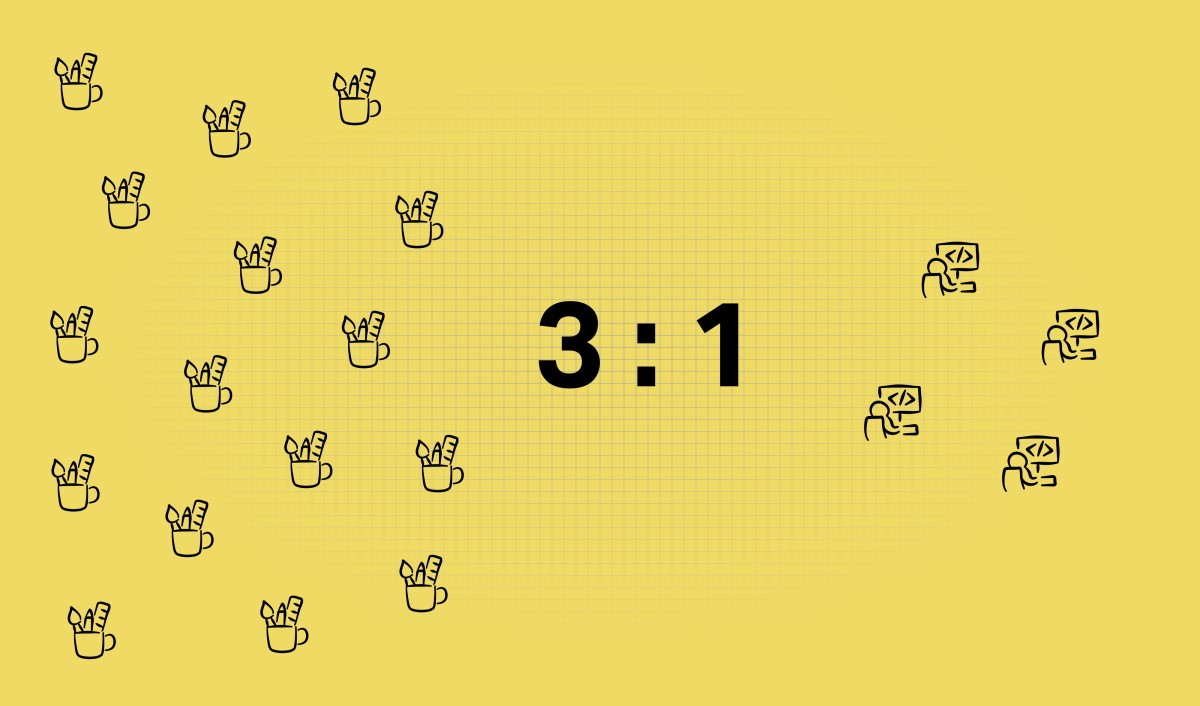
Capacity Planning is the process of right-sizing the 'Total Project Demand' with the forecasted Team Capacity. Most UX teams have no idea what their capacity is. Fewer still have a process for calculating it and using it during quarterly planning activities with their counterparts in Product Management & Engineering to ensure teams don't commit to more work than they can handle.
The normative form for interacting with what we think of as "AI" is something like this: there's a chat you type a question you wait for a few seconds you start seeing an answer. you start reading it you read or scan some more tens of seconds longer, while the rest of the response appears you maybe study the response in more detail you respond the loop continues
Her payment form wasn't connecting to the payment processor, and every attempt ended in an error message that made no sense. I understood her frustration. As a founder myself, I was acutely aware of the pain of trying to run a business and feeling like nothing was going your way. When I dug into her form, I found the problem a few minutes later: a mismatch between test mode and live credentials.
Instructions I created. Instructions I am continuing to hone - instructions that required me to study my own old essays, identifying what I do when I write. The sentence rhythms. The way I move between timescales. The zooming in and out from concept to detail. The instructions tell Claude how I would like ideas composed. I pull together concepts and experiences from my lived expertise to formulate a point of view - in this case, on this new AI technology.
Most of these companies start the journey from a functional standpoint, avoiding extra layers that may "divert users' attention", such as refined flows, potential edge cases, and, sometimes, proper visual design foundations and user experience. Here, the goal is to ship the product first to validate its value, then address other considerations.
Design tokens are all your design decisions, that define a design system's aesthetic properties, everything from colors and font sizes to spacing units and border radii. They are the modern evolution of hard-coded values. They are stored in a central, platform-agnostic repository, establishing a single source of truth for your entire digital product suite. This central management allows teams to consume the exact same design values across all platforms (web, native apps, documentation).
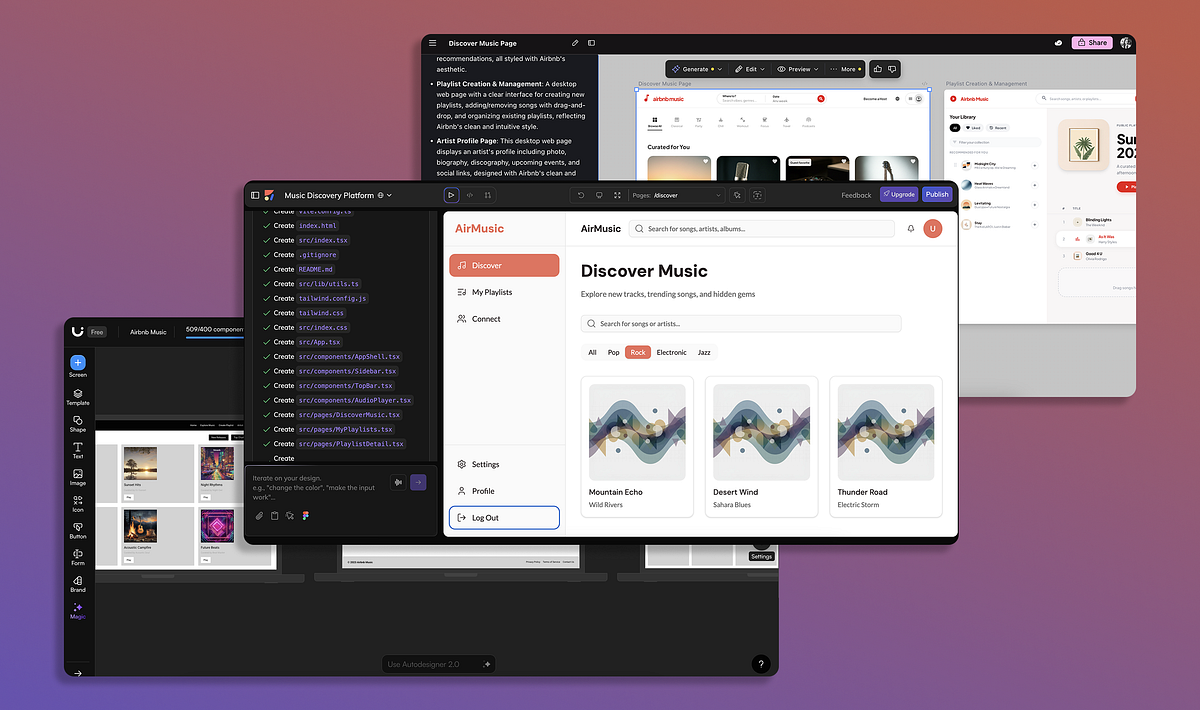
AI is disrupting more than the software industry, and is doing so at a breakneck speed. Not long ago, designers were deep in Figma variables and pixel-perfect mockups. Now, tools like v0, Lovable, and Cursor are enabling instant, vibe-based prototyping that makes old methods feel almost quaint. What's coming into sharper focus isn't fidelity, it's foresight. Part of the work of Product Design today is conceptual: sensing trends, building future-proof systems, and thinking years ahead.
The federated model suggests that design system work can be distributed across multiple teams without a central authority. It sounds democratic. It sounds efficient. It sounds empowering. In practice, it creates an ownership vacuum. Who's responsible for defining the architecture of the design system? Who establishes and evolves the processes needed to scale? Who ensures quality and consistency? Who maintains the infrastructure on which the system depends? Who deals with the unknown challenges that will inevitably