UX design
fromMedium
9 hours agoThe invisible layer of UX most designers ignore
Designers must prioritize screen reader compatibility to ensure accessibility, as users rely on spoken content rather than visual elements.
Santa Cruz de Tenerife is one of the most idyllic cities in the Canary Islands. At its heart stands the jewel - the Auditorio. It's a place where talent from both worlds, New and Old, comes together. A theatre, opera, dance, and music heaven.
If you've signed up for Cursor to do some casual vibecoding, you'll probably find yourself disoriented by the command lines and acronyms that live throughout the software. Lu proposes he can solve this tension with his new project, something he's calling 'Baby Cursor.' Lu imagines Baby Cursor as the next generation of the company's software, which first launched in 2023.
Instructions I created. Instructions I am continuing to hone - instructions that required me to study my own old essays, identifying what I do when I write. The sentence rhythms. The way I move between timescales. The zooming in and out from concept to detail. The instructions tell Claude how I would like ideas composed. I pull together concepts and experiences from my lived expertise to formulate a point of view - in this case, on this new AI technology.
Maybe this stake is more prominent in start-up environments, where new ideas surface every day and the opportunity for growth is potentially wider. Philosophies like "Build fast, fail fast" are at the core of an agile mindset, helping us determine whether an idea is viable in the early stages or whether a pivot is necessary to achieve the desired numbers and experience.
Her payment form wasn't connecting to the payment processor, and every attempt ended in an error message that made no sense. I understood her frustration. As a founder myself, I was acutely aware of the pain of trying to run a business and feeling like nothing was going your way. When I dug into her form, I found the problem a few minutes later: a mismatch between test mode and live credentials.
The normative form for interacting with what we think of as "AI" is something like this: there's a chat you type a question you wait for a few seconds you start seeing an answer. you start reading it you read or scan some more tens of seconds longer, while the rest of the response appears you maybe study the response in more detail you respond the loop continues
Something's been slowly shifting in the design zeitgeist. I've been watching my feed on X and the vibe has changed. More and more, I see designers sharing finished experiments or prototypes they coded themselves, rather than static Figma files. Moving from working on a canvas to talking to an LLM. The conversation isn't "here's a design I made" anymore... it's "here's something I shipped this afternoon."
"You know, having those conversations early on, reaching out to people in different departments ...that was really hard when I didn't have much confidence.” A VP of Design brought this up recently, reflecting what many designers are facing. There's been a crisis of confidence in design, and it's happening all across the career ladder. Due to shrinking budgets and layoffs, more designers are being forced to work solo.
To be honest, for many years, I was mostly reacting. Life was happening to me, rather than me shaping the life that I was living. I was making progress reactively and I was looking out for all kinds of opportunities. It was easy and quite straightforward - I was floating and jumping between projects and calls and making things work as I was going along. Years ago, my wonderful wife introduced one little annual ritual which changed that dynamic entirely.
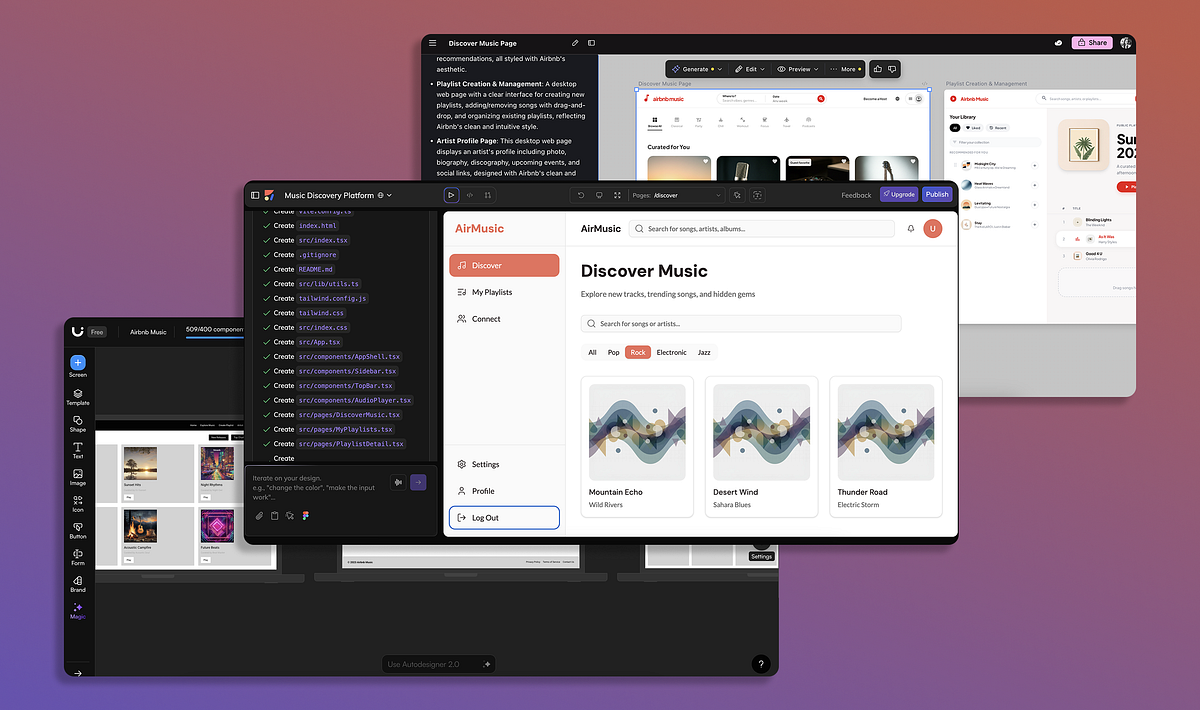
AI is disrupting more than the software industry, and is doing so at a breakneck speed. Not long ago, designers were deep in Figma variables and pixel-perfect mockups. Now, tools like v0, Lovable, and Cursor are enabling instant, vibe-based prototyping that makes old methods feel almost quaint. What's coming into sharper focus isn't fidelity, it's foresight. Part of the work of Product Design today is conceptual: sensing trends, building future-proof systems, and thinking years ahead.