#diaspora-rallies
#diaspora-rallies
[ follow ]
#gaza #human-rights #protests #ice #immigration-enforcement #war #activism #iran-protests #conflict #protest
Relationships
fromSilicon Canals
1 day agoThe most painful version of not belonging isn't being rejected by strangers. It's sitting at your own family's dinner table, surrounded by people who share your last name, and feeling like you're watching the evening through glass. - Silicon Canals
Belonging can exist alongside profound loneliness, where one feels unseen even in the presence of family and friends.
fromTruthout
3 days agoRupture and Repair Under Fascist Conditions
"We have a great opportunity in our movements to learn how to be opponents without being enemies," says Tanuja Jagernauth. This perspective emphasizes the importance of maintaining respect and understanding even amidst conflict.
Social justice
fromBon Appetit
3 days agoDiaspora Co. Teamed Up With Dozens of Farmers to Write a Cookbook
The spices are merely a vessel for culture, community, storytelling, and politics. The recipes were so fresh, simple, and seasonal. That's not the version of South Asian food that most people know.
Silicon Valley food


fromwww.theguardian.com
4 days agoA moment that changed me: for the first time in my life, a stranger pronounced my name correctly
I would squirm in my chair as my new teacher worked their way through the class register, and my stomach would drop as they attempted to say my full name: Priti Ubhayakar.
Writing





NYC politics
fromJewish Telegraphic Agency
3 weeks agoNYC Jewish groups raise concern about Mamdani's gatherings with pro-Palestinian activists - Jewish Telegraphic Agency
Jewish organizations condemn Mayor Zohran Mamdani for socializing with pro-Palestinian activists who have opposed Israel and justified or celebrated violence against it.
fromwww.npr.org
4 weeks agoPhotos: These bold women stand up for justice, rights ... and freedom
During World War I, women in Russia went on strike. They demanded "bread and peace." Among the results of their four-day protest: the Czar abdicated and women gained the right to vote. This bold strike began on Feb. 23, 1917, according to the Julian calendar then used in Russia. That date translated to March 8 in the Gregorian calendar that much of the world uses.
Women
fromHyperallergic
2 weeks agoWhen a Palestinian Artist Asserts Her Own Humanity
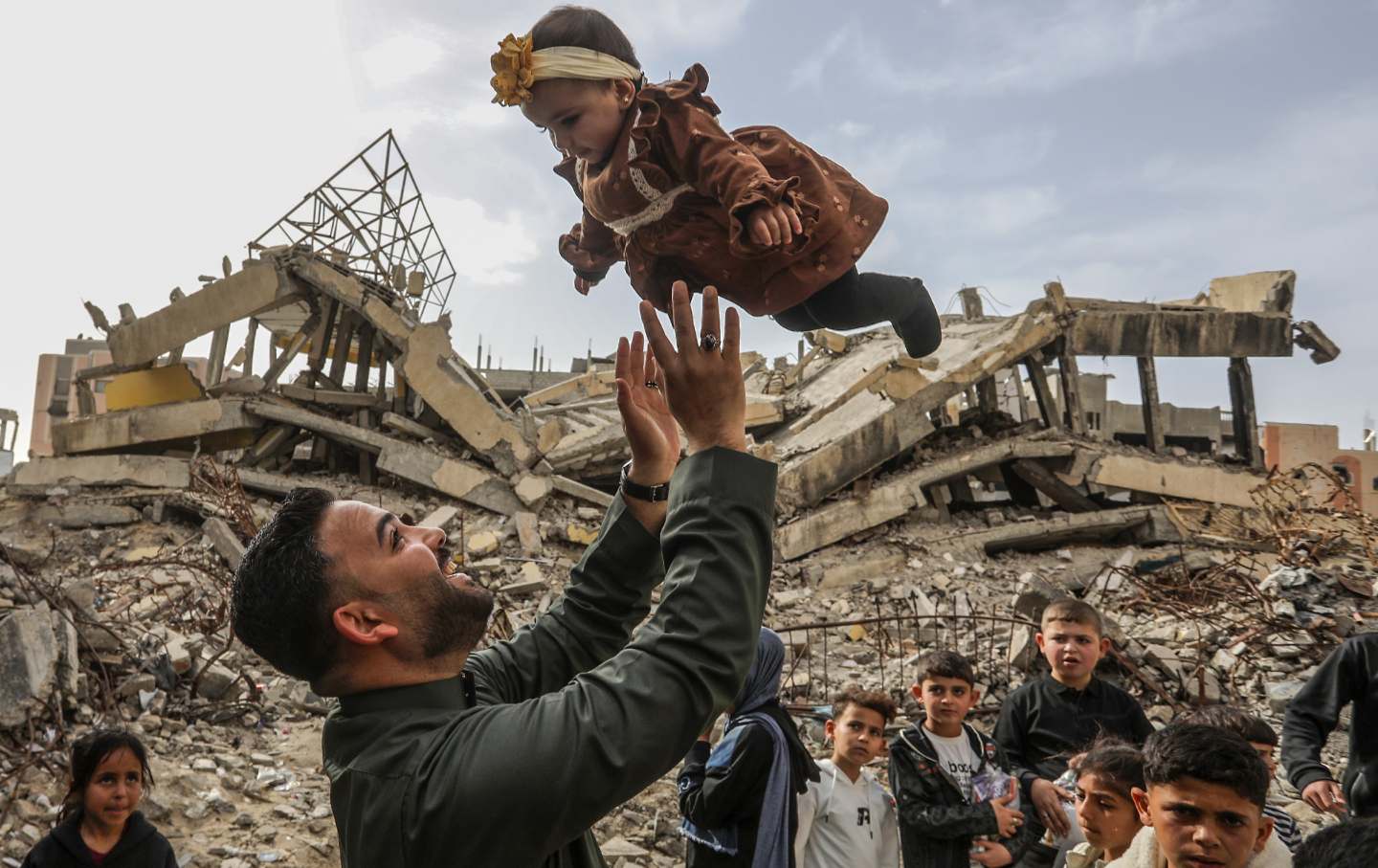
There is a scene in "Morgenkreis | Morning Circle" (2025), a 16-mm film by Berlin-based Palestinian artist Basma al-Sharif, that unfolds at the threshold of a daycare center. A young boy clings to his father, his fists locked into the fabric of his coat, his arms wrapped tightly around him. The father gently tries to pry himself free while a daycare worker crouches nearby, attempting to distract the child and coax him inside. It is an ordinary moment, one that anyone who has ever been a child - or cared for one - recognizes instantly, as well as the gut-wrenching feeling it provokes.
Arts
fromwww.dw.com
1 month agoSalute replaces silence for Iran after 'message from home'
Whether they were saying their prayers, or mouthing the anthem, it was clear to anyone watching on that the players had received the message from home that they needed to demonstrate symbolic solidarity with their homeland, currently under siege. Catherine Ordway, an Australian lawyer, academic and sport integrity consultant who has worked with numerous international sporting bodies, told DW.
Women
Social justice
fromCN Traveller
2 weeks ago"Black excellence is everywhere, Black connection is not": Inside the event designed to connect, unite and inspire Black thinkers
The Diaspora Salon in Marrakech convenes African and diaspora intellectuals, artists, and entrepreneurs to discuss culture, power, and economic futures across multiple disciplines.
fromwww.aljazeera.com
3 weeks agoThousands march worldwide in solidarity with Palestine, Iran on al-Quds Day
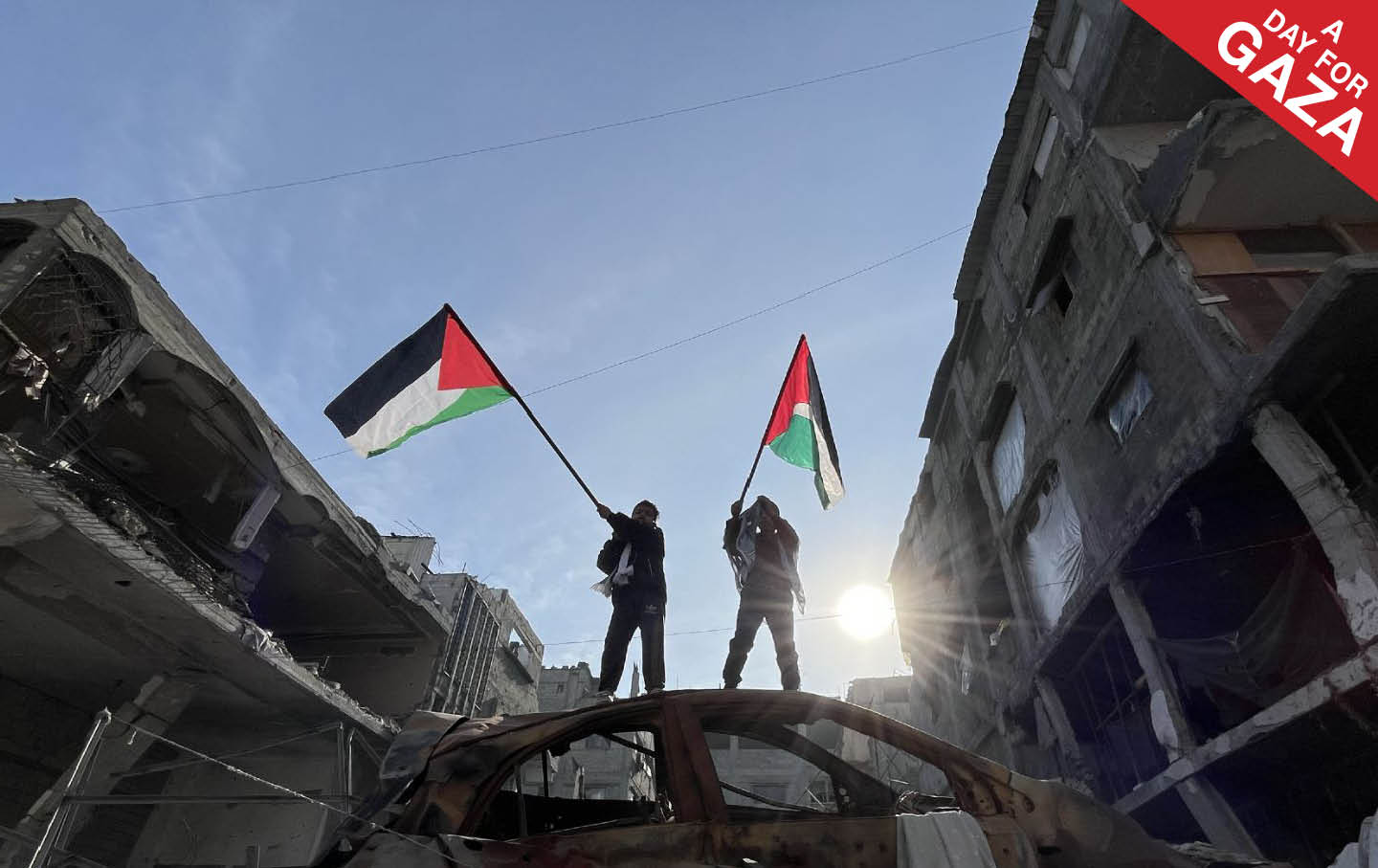
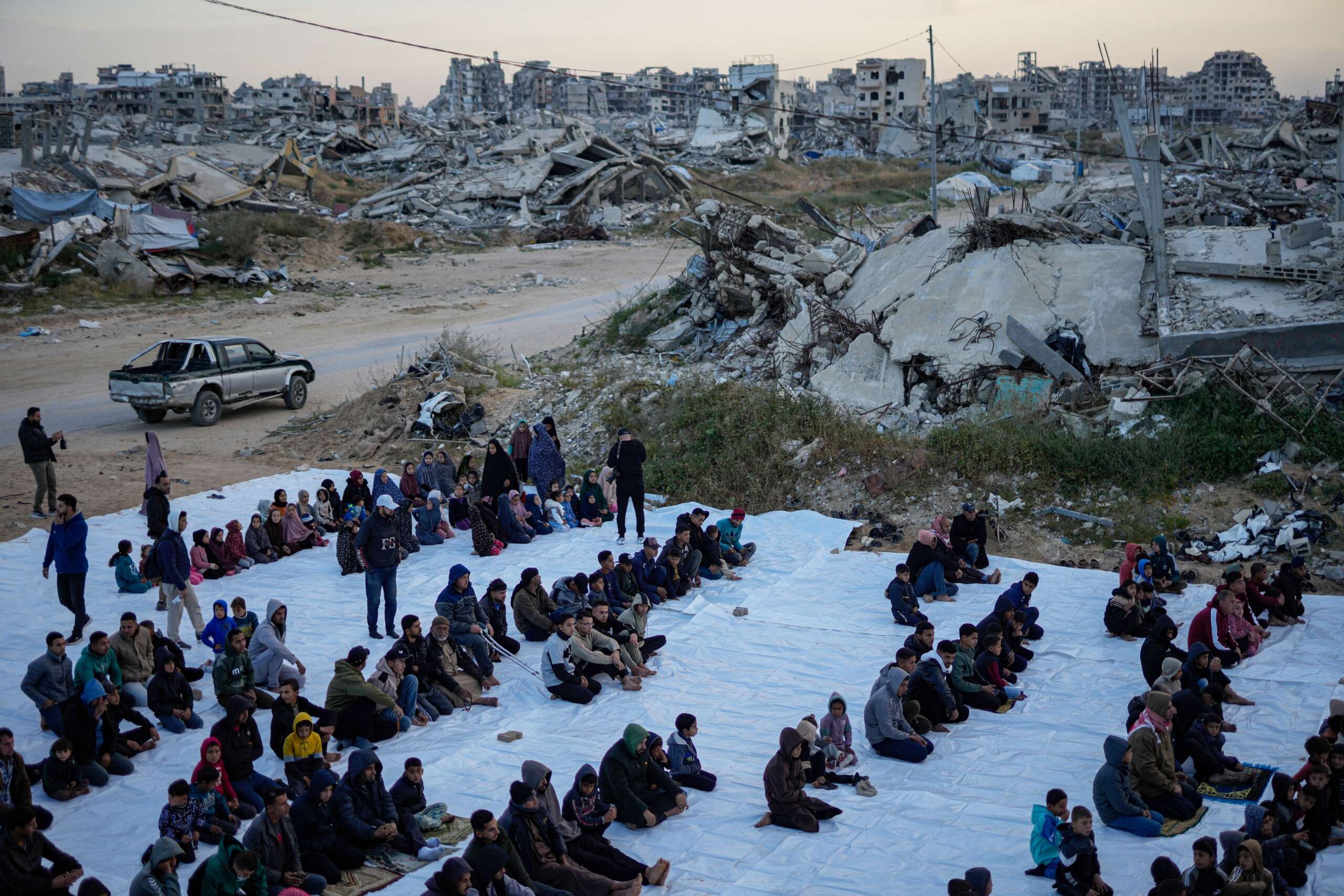
Tens of thousands of people have gathered around the world for al-Quds Day, an annual event on the final Friday of Ramadan demonstrating solidarity with Palestine and opposition to Israeli occupation. Rallies took place across numerous countries, including Iran, Malaysia, Indonesia, Kashmir and Yemen.
World news
Social justice
fromTruthout
2 weeks agoFighting Cancer Has Given Me New Insights on the Anti-Fascist Challenge We Face
A cancer diagnosis at 15 prompted protective health decisions that ultimately led to discovering community organizing as a transformative path toward collective power and social justice work.
World news
fromwww.theguardian.com
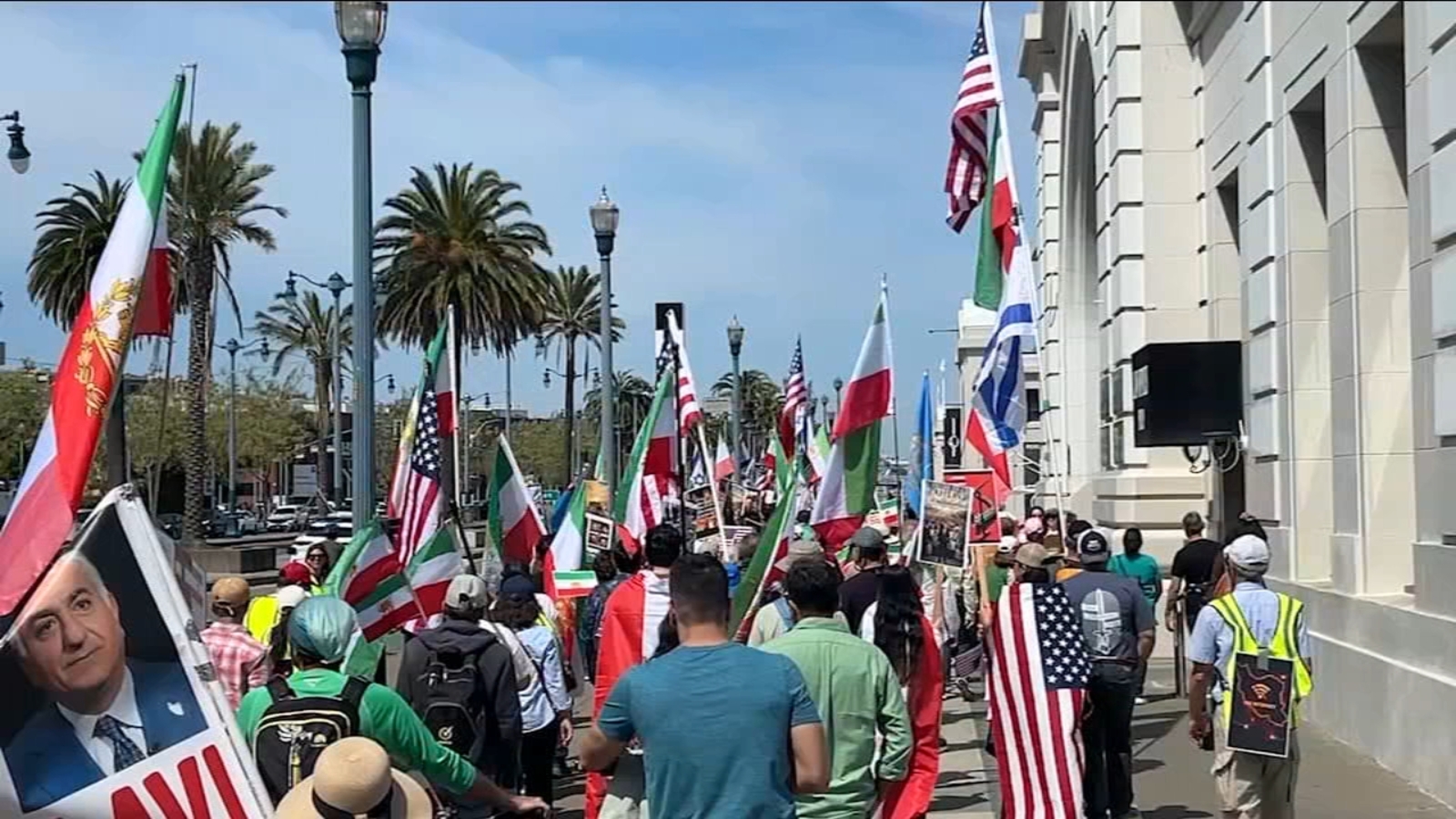
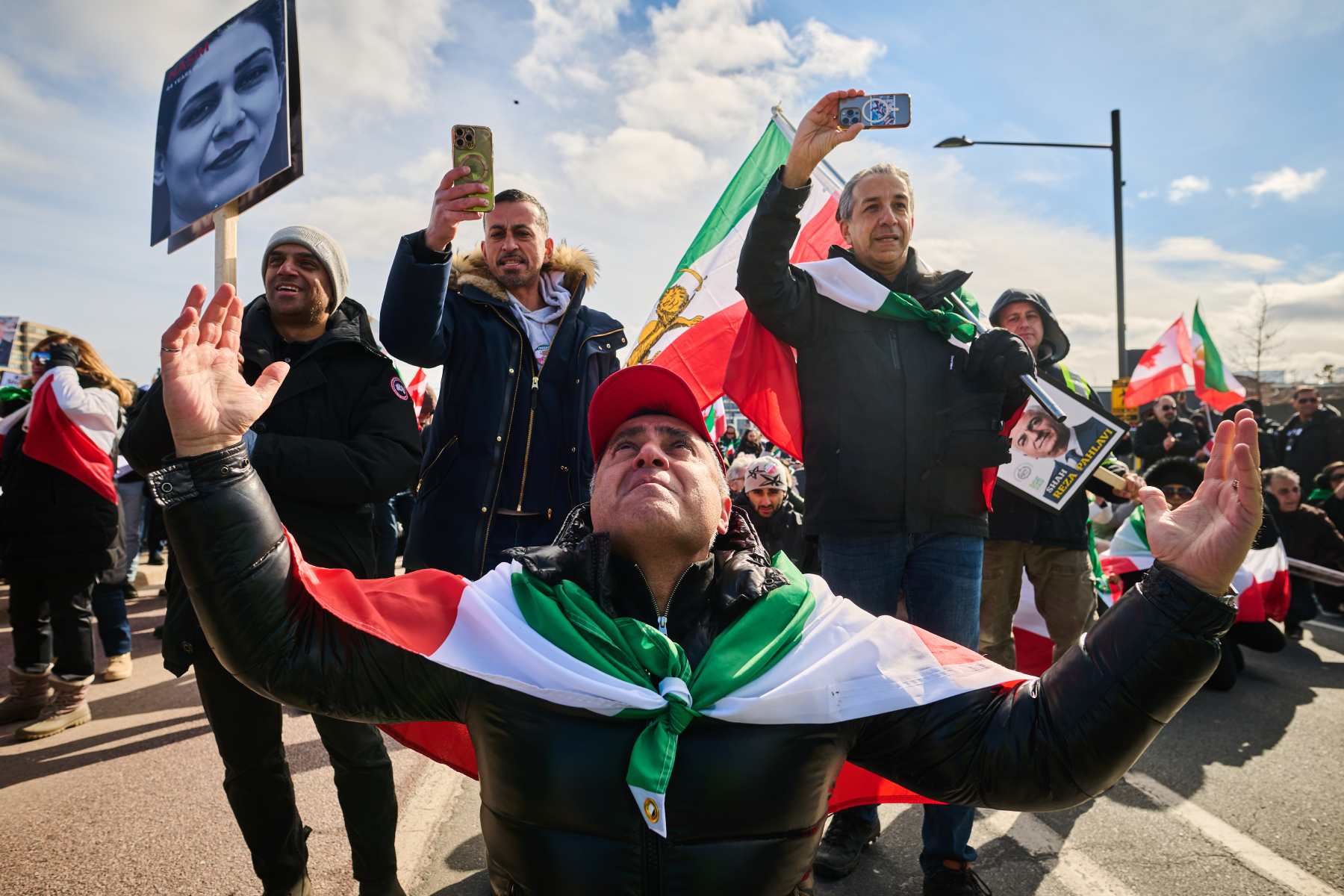
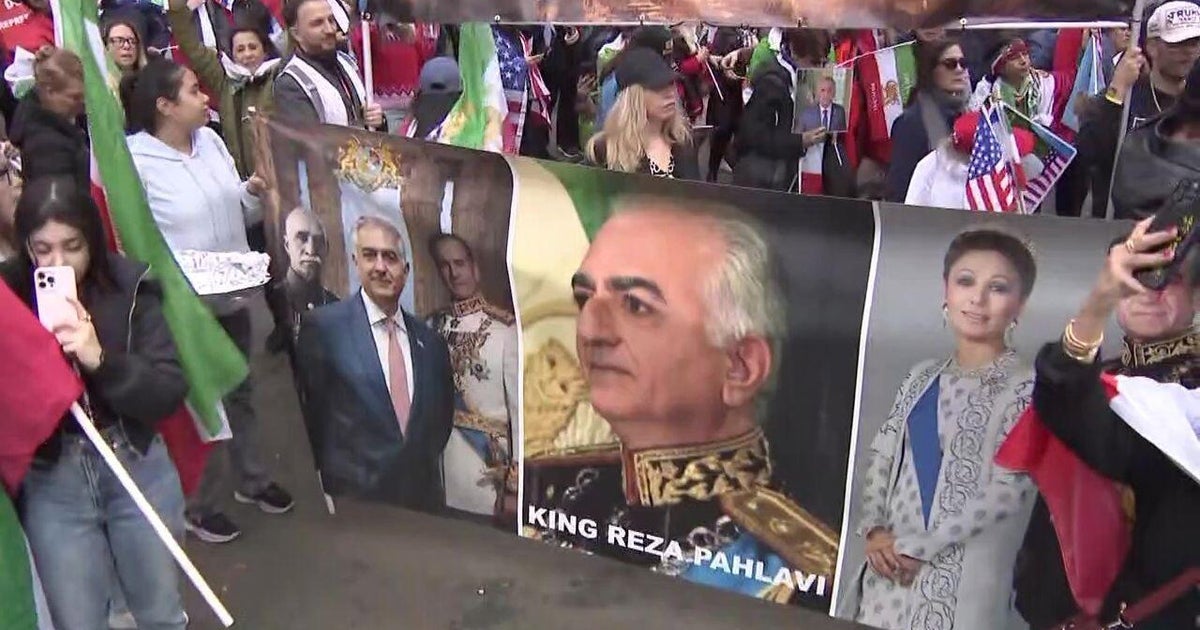
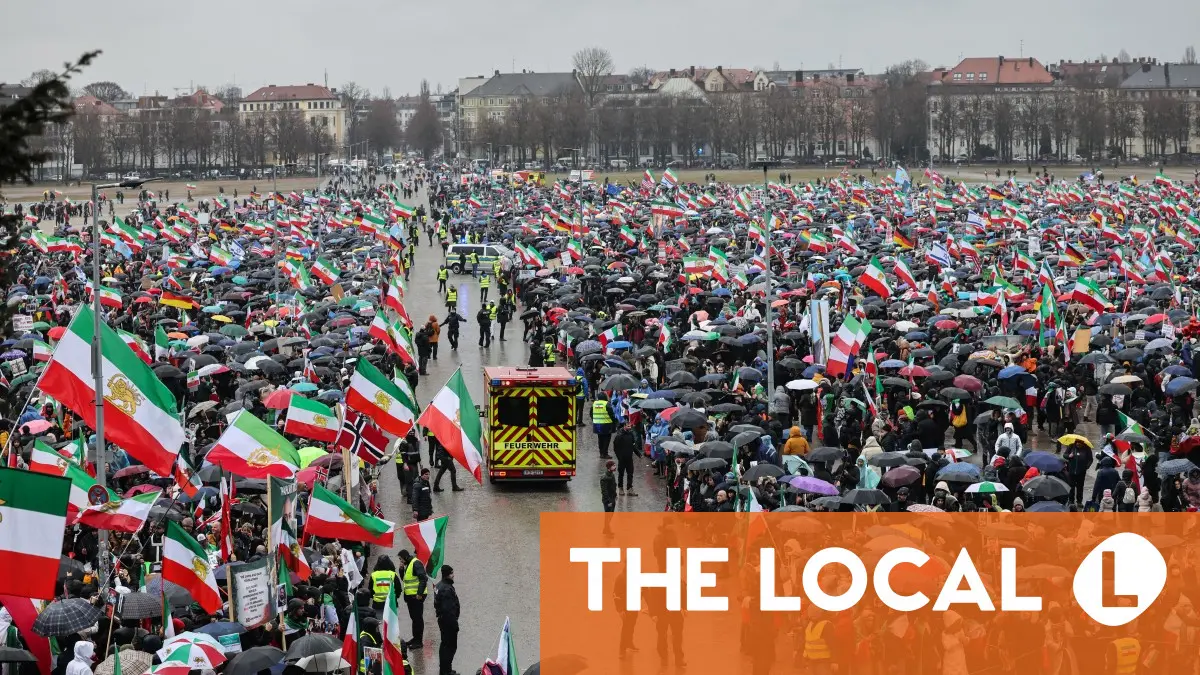
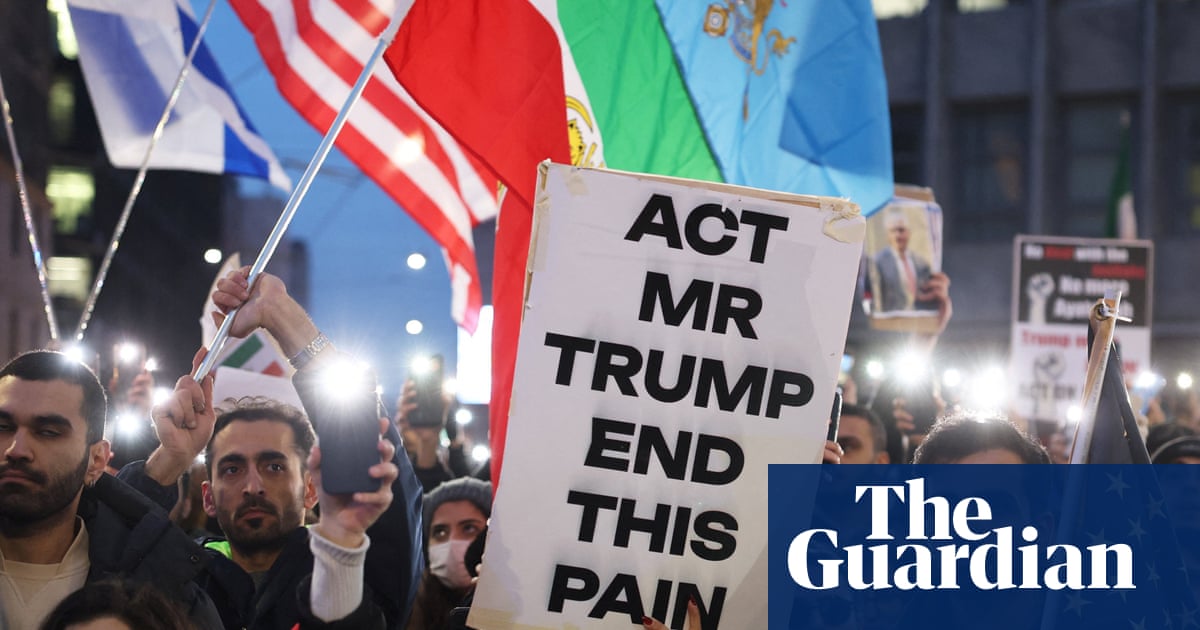
1 month agoYou weren't free': Iranians party in London and Manchester after strikes against regime
Iran's Supreme Leader Ali Khamenei died in Israeli and US strikes, triggering celebrations among sections of Britain's Iranian diaspora while hundreds of Iranians, including 148 children, were killed in the bombing campaign.


fromHarvard Business Review
2 months ago"People Need Unifying Messages"
In this issue of the HBR Executive Agenda, editor at large Adi Ignatius talks to Harvard Business School professor Ranjay Gulati about how leaders can act with clarity amid rising social tension and rapid technological change.
Business
US politics
fromArchitectural Digest
2 months agoWhen Politics Drives You From Home: 5 Americans Who Uprooted Their Lives Because of the State of the Nation
Politics has become a major driver of relocation, with many Americans choosing new communities that align with their political beliefs despite logistical and emotional costs.
fromHyperallergic
2 months agoArt for Dignity
As if demolishing the East Wing, gutting arts agencies, and slapping his name and face on several federal buildings weren't enough, the US president now wants to do away with a DC building known as the "Sistine Chapel of New Deal art." This week, we reported on a burgeoning campaign to save the Wilbur J. Cohen Federal Building, which houses murals by Ben Shahn, Philip Guston, Seymour Fogel, and other major American artists. We will continue to follow this story.
Arts
fromQNS
2 months agoAmid uncertain world, young Jewish adults unite in solidarity - QNS
More than 1,000 Jews, mostly in their 20s and 30s, from around the world united over the past week in New York City to share experiences, hear lectures, make connections and build bridges with relationships. They arrived, spending time in Queens, Brooklyn and Manhattan, from places ranging from Montana to Miami; Brooklyn to Birmingham, Alabama; London to Taiwan; Australia to South America; Singapore, Estonia, France and all over the United States, finding similarities and solidarity in a post-Oct. 7 world.
World news
fromTruthout
1 month agoAnti-ICE Organizing Is Creating Counter-Institutions Based on Care
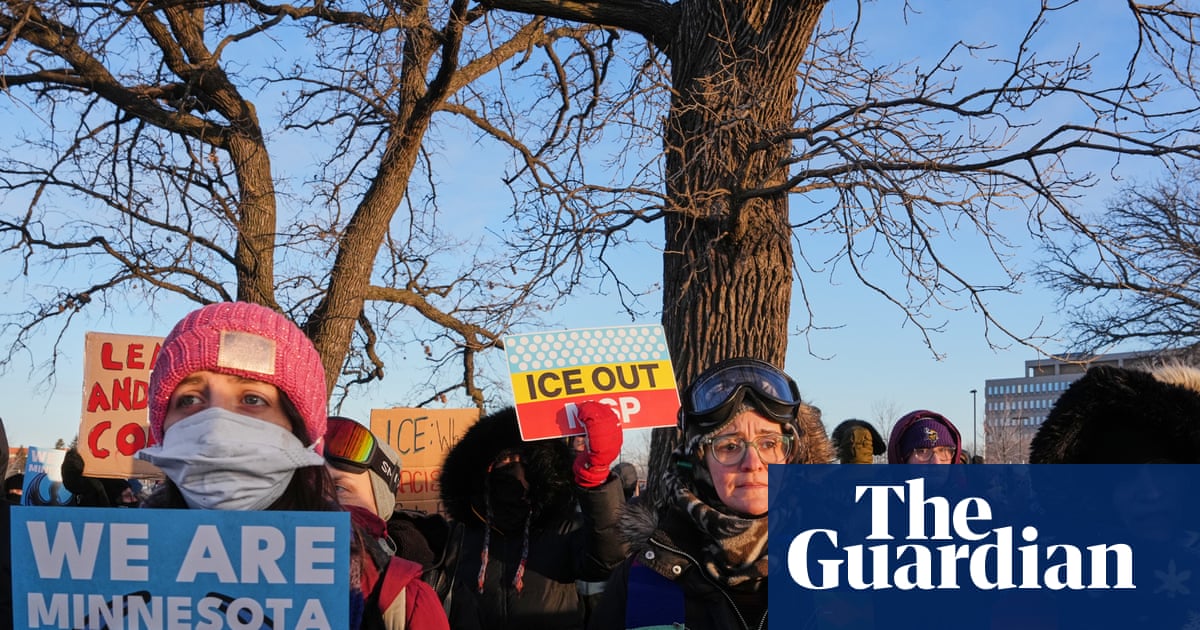
The U.S.'s political landscape - and our daily lives - are increasingly shaped by repression and violence, amplified by a media cycle designed to keep us fearful in the present, uncertain about the future, and depleted. Exhaustion is not a side effect of this system. It is one of its core tools. Last year, I wrote that Donald Trump's attacks were designed to exhaust us. Over the past year, I've watched communities build movements and adapt their organizing under this reality.
US politics
fromPsychology Today
2 months agoHow Can We Change the World?
There's a myth in our society that real change requires force, strength, and domination. We celebrate athletes, CEOs, and politicians who crush their opponents. But history tells a different story. Lasting social change has often been triggered by humble people whose weapons were passion, principle, and an unwavering commitment to justice and the truth - not the truth we see on TV or read in print media, but rather the truth that we feel deep inside ourselves.
Social justice
[ Load more ]