#diaspora-security
#diaspora-security
[ follow ]
#human-rights #displacement #gaza #conflict #eu #activism #trump-administration #germany #lebanon #citizenship
fromwww.theguardian.com
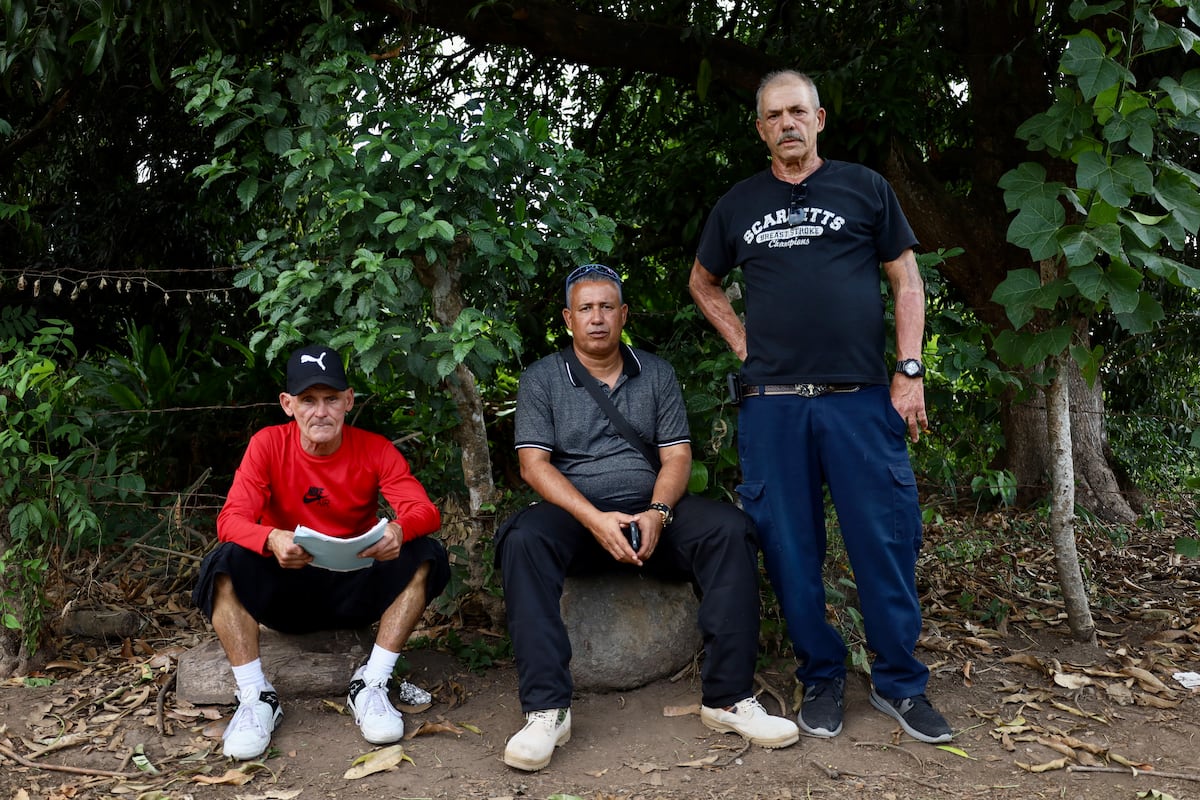
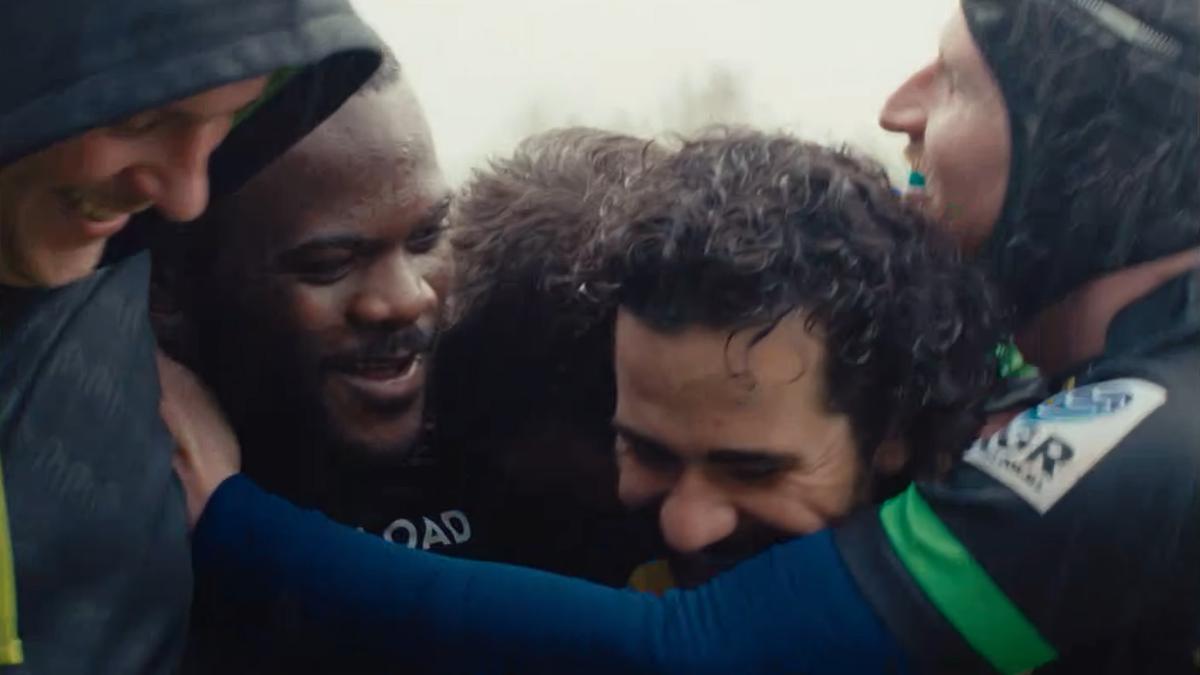
15 hours agoA strategy to make life intolerable': Israeli settlers are driving Christians out of West Bank
Taybeh, a small hilltop town in the heart of the West Bank, is one of the oldest Christian communities in the world, now feeling under siege and fighting for its existence.
History
#belonging
Relationships
fromSilicon Canals
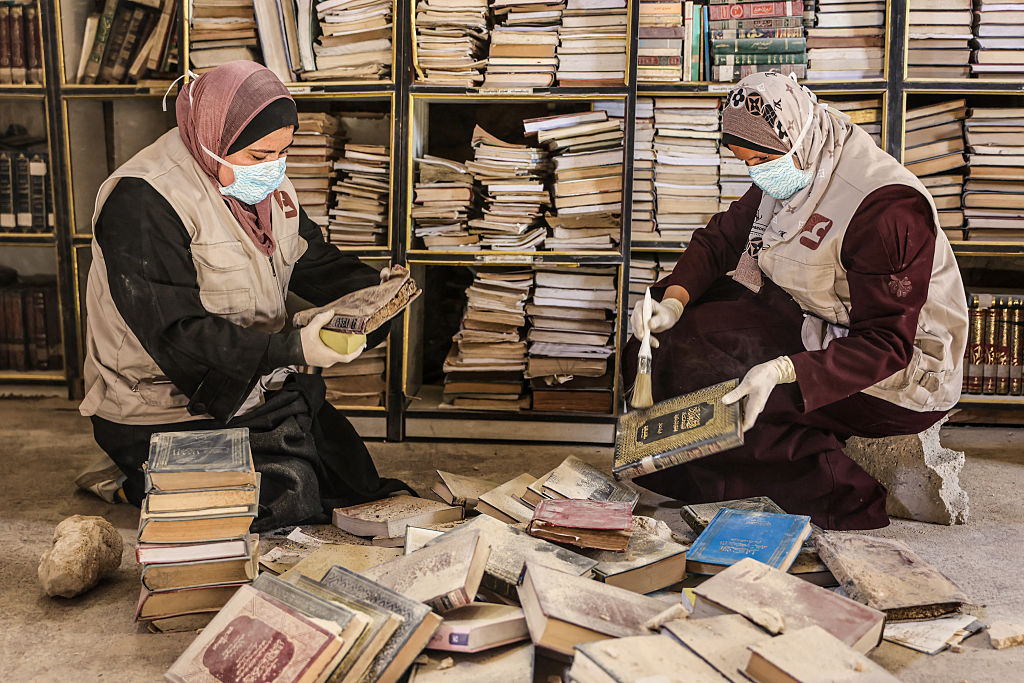
1 day agoThe most painful version of not belonging isn't being rejected by strangers. It's sitting at your own family's dinner table, surrounded by people who share your last name, and feeling like you're watching the evening through glass. - Silicon Canals
Belonging can exist alongside profound loneliness, where one feels unseen even in the presence of family and friends.




Retirement
fromSilicon Canals
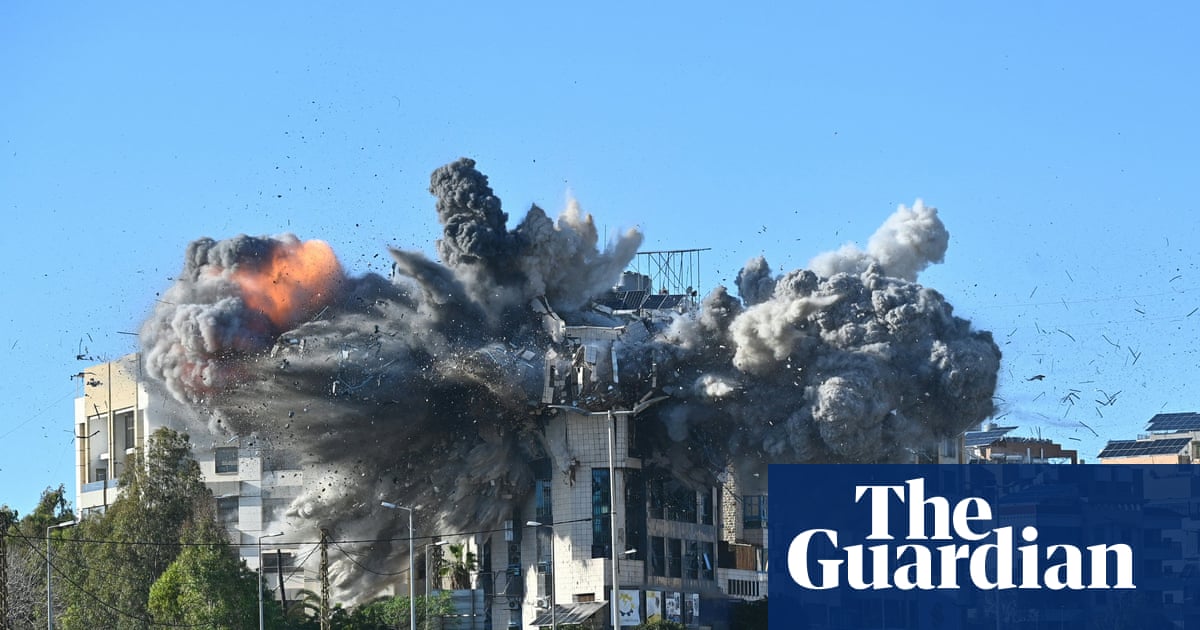
3 days agoI'm 66 and I spent forty years trying to stay positive through everything - and what I actually created was a life where nobody knew me well enough to notice when I was drowning - Silicon Canals
Staying positive can lead to hidden struggles and emotional isolation, as individuals often mask their true feelings to appear strong.
Psychology
fromSilicon Canals
3 days agoThere's a specific kind of loyalty that keeps people in jobs, cities, and friendships years after the reason they stayed has disappeared. It's not inertia. It's that leaving would require admitting the time already spent wasn't building toward something, and that admission costs more than staying another year. - Silicon Canals
People remain in unfulfilling situations due to the fear of admitting past investments were unproductive, not because of passivity or fear of change.
fromwww.theguardian.com
4 days agoA moment that changed me: for the first time in my life, a stranger pronounced my name correctly
I would squirm in my chair as my new teacher worked their way through the class register, and my stomach would drop as they attempted to say my full name: Priti Ubhayakar.
Writing


fromTruthout
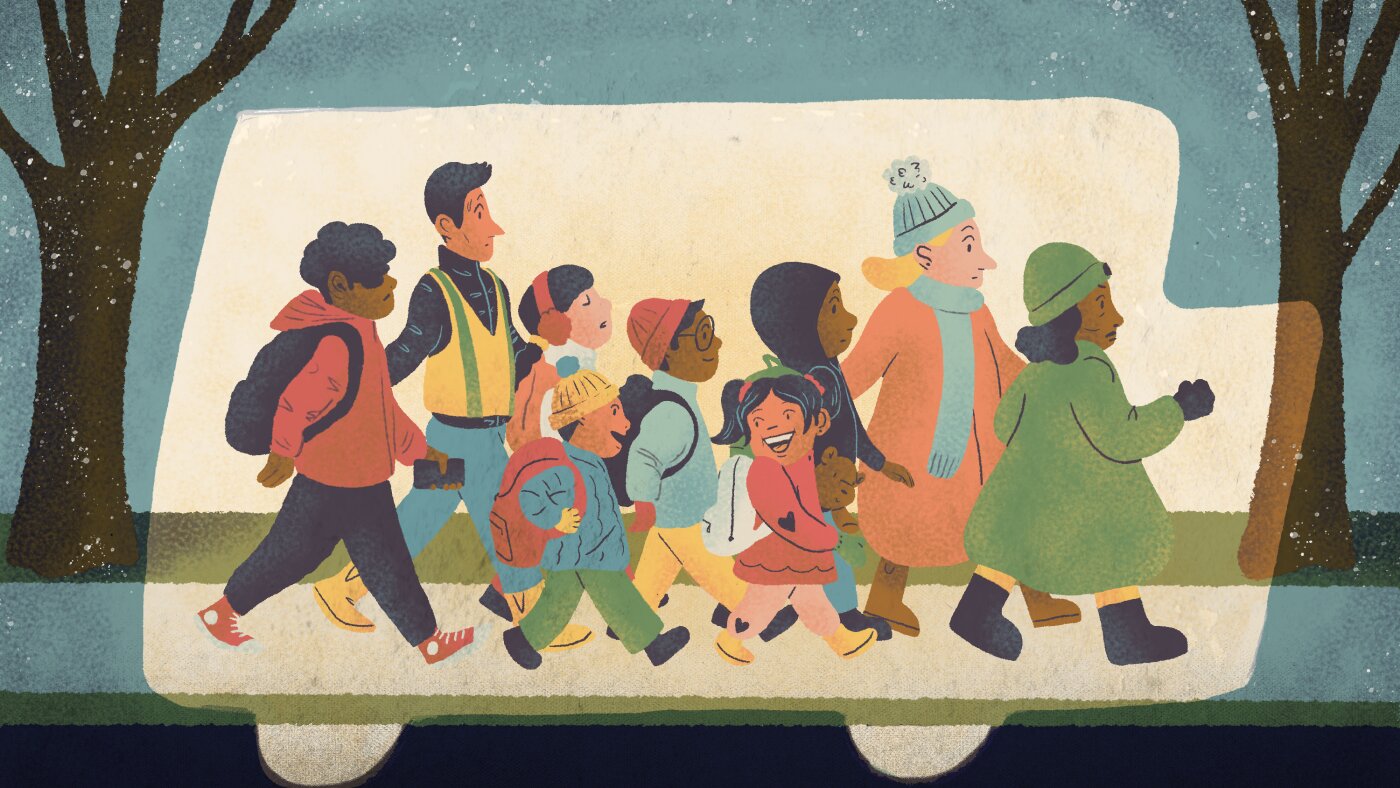
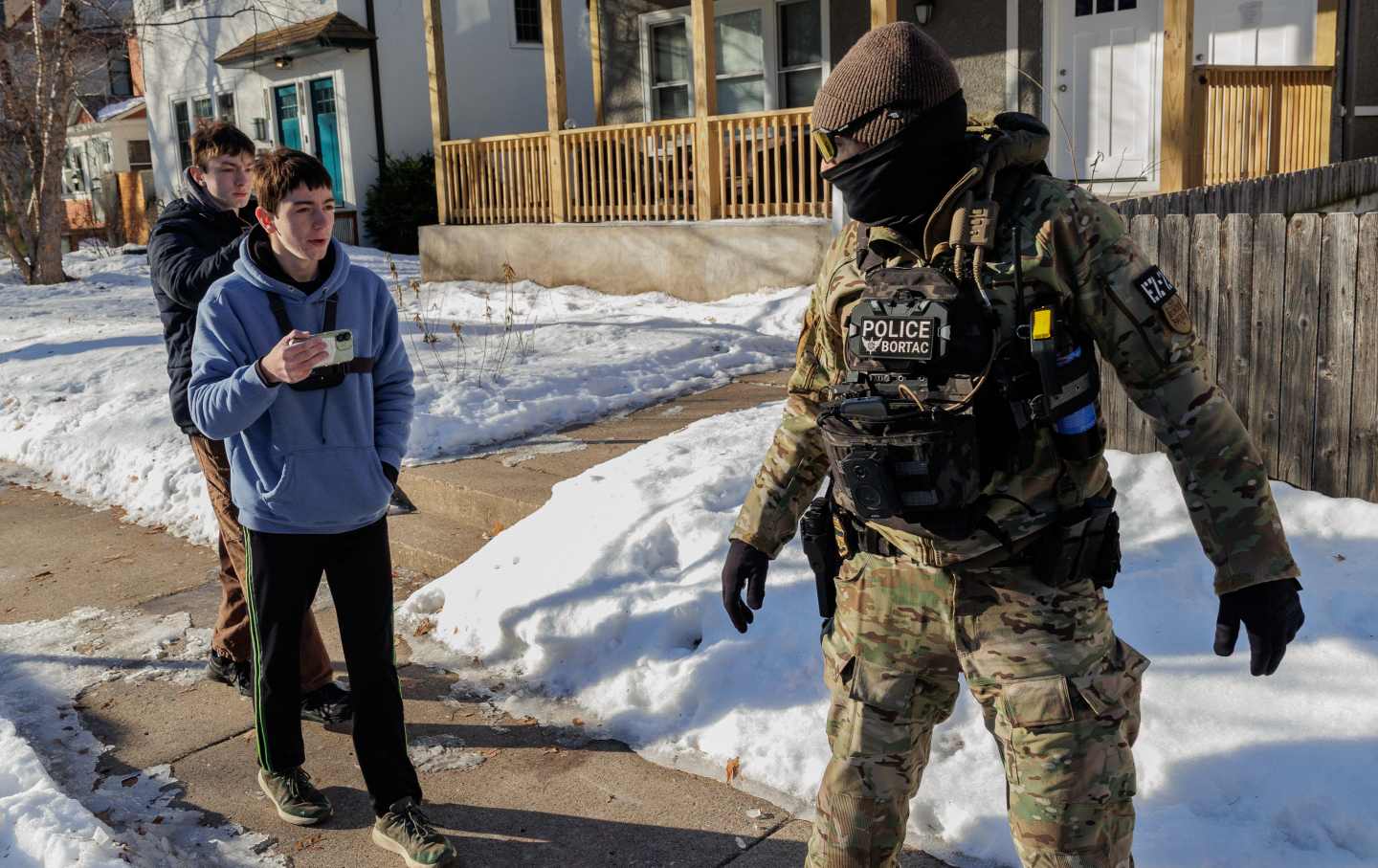
3 days agoRupture and Repair Under Fascist Conditions
"We have a great opportunity in our movements to learn how to be opponents without being enemies," says Tanuja Jagernauth. This perspective emphasizes the importance of maintaining respect and understanding even amidst conflict.
Social justice
Psychology
fromSilicon Canals
5 days agoPeople who keep their circle small aren't antisocial. They genuinely learned that intimacy and popularity are opposing forces, even though loneliness occasionally shows up as the cost of admission - Silicon Canals
Intimacy and popularity are competing pursuits; small social circles reflect a natural structure of human relationships, not a failure of social development.
Social justice
fromwww.theguardian.com
4 days agoMy year in solitary confinement has not broken me. My peaceful fight for Baloch rights in Pakistan goes on | Mahrang Baloch
Solitary confinement leads to severe isolation and mental strain, compounded by the targeting of family members due to political activism.
fromSilicon Canals
3 weeks agoPeople who moved countries for love and people who moved countries for work carry completely different versions of displacement. One chose a person and lost a place. The other chose a place and discovered that without their people in it, a better country can still feel like a beautiful room with no furniture - Silicon Canals
She said she stood in her new kitchen, which had radiant floor heating and a view of the fjord, and cried because the bread smelled wrong. She'd moved from São Paulo for a man she'd met at a data science conference. The apartment was beautiful. The healthcare was extraordinary. The man was kind. And the bread smelled wrong, and that wrongness cracked open something in her she hadn't known was load-bearing.
Remote teams
fromFortune
3 weeks agoMore than 3 million Iranians have been displaced so far since the war started, setting up a potential migration crisis | Fortune
If they let me, I will stay in Van until the war ends. If the war doesn't end, maybe I'll go back and die. Pourkaz is one of the 3.2 million people in Iran who the U.N. refugee agency estimates have been displaced since the U.S.-Israel war with Iran started. While some are seeking shelter in safer parts of Iran or one of its neighboring countries, others are returning from abroad, heading toward the fighting to protect their families and homes.
Europe news
France politics
fromwww.aljazeera.com
2 weeks agoPalestinian refugees face new displacement as Israel's bombs hit Lebanon
Palestinian refugees in Lebanon, displaced since 1948, face renewed trauma and displacement as Israeli military operations intensify, forcing families from camps into further uncertainty.
fromwww.theguardian.com
3 weeks agoWe must finish the job': despite living on the frontline, northern Israelis try to maintain normality
We want to keep a bit of sanity for us, for the residents, for our soldiers. They come a lot these days so we want them to have a place to relax, have a beer, a coffee, something to eat, just to keep life going.
World news
US politics
fromwww.theguardian.com
1 month agoTell us: are you an American living abroad who has tried to renounce your citizenship?
American expats who tried renouncing US citizenship are invited to securely share detailed experiences, including motives, obstacles, future-return concerns, and anecdotes; contributions can be anonymous.
fromwww.dw.com
1 month agoGerman government pushes Syrians to return to their homeland
Of these, 3,678 of them have already gone back to their home country. For German Interior Minister Alexander Dobrindt, this is proof of the migration policy that he has been promoting: "Those who have no prospect of staying receive targeted support for their voluntary repatriation." This "targeted support" includes the cost of the flights and 1,000 (ca. $1200) per adult and 500 for minors.
Miscellaneous
fromwww.aljazeera.com
1 month agoCitizens of Nowhere: What It Means to Be Stateless in the US
Citizens of Nowhere is a documentary short about stateless people in the United States individuals who, through circumstance or legal technicality, belong to no nation. Without passports, citizenship or legal recognition, they live in a state of uncertainty. From finding work and accessing education, to simply existing within a system that does not officially recognise them, stateless people face endless bureaucratic barriers.
Film
Miscellaneous
fromwww.aljazeera.com
2 months agoFrom Crimea to Cameroon: Ukraine's minorities reflect on life during war
A Muslim cultural centre offered shelter to displaced Ukrainians, fostering cohesion, dispelling anti-Muslim misconceptions, and promoting understanding of Ukraine's longstanding Muslim heritage.
US politics
fromArchitectural Digest
2 months agoWhen Politics Drives You From Home: 5 Americans Who Uprooted Their Lives Because of the State of the Nation
Politics has become a major driver of relocation, with many Americans choosing new communities that align with their political beliefs despite logistical and emotional costs.
fromQNS
2 months agoAmid uncertain world, young Jewish adults unite in solidarity - QNS
More than 1,000 Jews, mostly in their 20s and 30s, from around the world united over the past week in New York City to share experiences, hear lectures, make connections and build bridges with relationships. They arrived, spending time in Queens, Brooklyn and Manhattan, from places ranging from Montana to Miami; Brooklyn to Birmingham, Alabama; London to Taiwan; Australia to South America; Singapore, Estonia, France and all over the United States, finding similarities and solidarity in a post-Oct. 7 world.
World news
fromTruthout
1 month agoBelieving Borders Make Us Safer Is Like Believing the Sun Revolves Around Earth
Western governments, the U.S. under Donald Trump leading the pack, are caught in the grip of an anti-immigration fervor, enforcing cruel and degrading laws that violate human rights and undermine public safety. This entire approach toward immigrants is not only immoral but also rests on false economic claims, argues Daniel Mendiola, assistant professor of history and migration studies at Vassar College, in the interview that follows.
US politics
fromwww.aljazeera.com
2 months agoEverything is bad': Fear and anxiety grip Iranians abroad amid protests
Both came to the UK separately: Maya, a graduate student from near the capital, Tehran, six years ago and Daniel, a support worker from Sine in northwestern Iran, three years back. Both have family still in Iran. Maya has yet to hear from her elderly parents on the outskirts of Karasht near Tehran. How Daniel's father, who is sick with cancer, is coping remains unknown.
World news
[ Load more ]