#dietary-deficiencies
#dietary-deficiencies
[ follow ]





fromAlternative Medicine Magazine
3 weeks agoConnecting Culture and Nutrition to Fight Diabetes
I grew up in a Mexican household where food was our love language - but there was also stigma and very little guidance around diabetes. When my aunt, and later my mom, were diagnosed, it took time to understand what healthy eating could look like for them. That's why this partnership means so much to me. Our culture and our food are not the problem - they're part of the solution.
Alternative medicine
fromTasting Table
1 month agoYes, You Can Consume Too Much Magnesium - Here's What Happens - Tasting Table
Magnesium is found in nuts and seeds, legumes, whole grains, low-fat dairy, leafy greens, and even water. According to Harvard Health Publishing, any well-balanced, nutritious diet should meet the 320-milligram requirement for women and the 420-milligram quota for men.
Health
Public health
fromInside Higher Ed | Higher Education News, Events and Jobs
4 weeks ago53 Medical Schools Pledge to Beef Up Nutrition Education
Fifty-three medical schools are expanding nutrition education to at least 40 hours annually, with federal funding supporting curriculum development and clinical training initiatives.
fromSilicon Canals
1 month agoAfter 50, this overlooked mineral deficiency is behind most unexplained fatigue - Silicon Canals
Last year, I found myself dragging through my days like I was moving through molasses. Four cups of coffee barely made a dent, and by 3 PM, I'd be fighting to keep my eyes open during meetings. I blamed it on everything - stress from deadlines, maybe not sleeping well enough, or just getting older. But when my doctor ran some routine blood work and mentioned my magnesium levels were surprisingly low, I had one of those lightbulb moments.
Wellness
fromTasting Table
1 month agoWhat Happens To Your Body When You Eat Red Meat Every Day - Tasting Table
"Red meat can definitely fit into a balanced diet," she says. "It is rich in iron, vitamin B12, zinc, and high-quality protein that supports energy levels, metabolism, and muscle growth. Despite these health benefits, however, overconsumption is possible. "Where we see more concern is when intake is higher over time," Benson adds, "especially with processed red meat, and especially when fiber intake is low."
Public health

fromwww.theguardian.com
2 months agoAre you taking supplements correctly? Here's a guide on their dosage limits
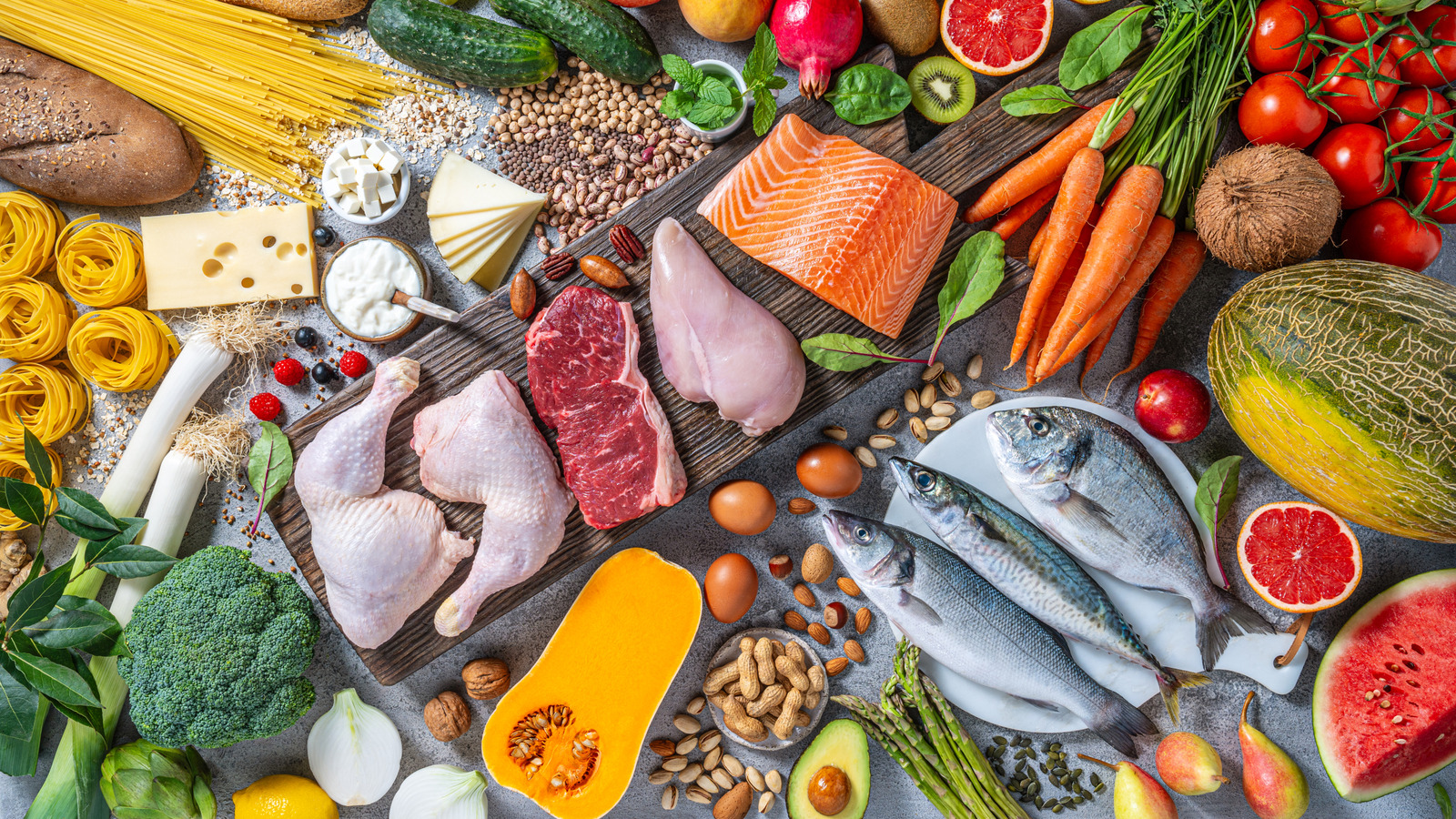
There are more than 100,000 supplements on the US market capsules, powders, tablets and gummies sold to improve or maintain health. Supplements can contain vitamins, minerals, botanicals and amino acids on their own or in various combinations. The consumption of these products is surging. But it's a common misunderstanding that these products are entirely safe, says Dr Pieter Cohen, an internist and associate professor at Harvard Medical School.
Health
fromwww.theguardian.com
2 months agoThe Guardian view on food security: Britain can no longer trust markets alone | Editorial
Food policy across much of the world is changing. But not in Britain. That may be a costly mistake as the prices of essentials rise because of the climate emergency, geopolitical tensions and the fragility of just-in-time supply chains. Many capitals are now reviving their strategic food reserves. European nations such as Sweden, Finland, Norway and Germany are rebuilding stocks dismantled after the cold war.
Food & drink
fromFast Company
2 months agoWhy an all-foods-fit approach to nutrition is better than dieting, according to a dietitian
Diet culture norms have led to a multibillion-dollar industry promoting diets that each come with their own set of rules, with each claiming it's the only way to be healthy or lose weight. When access to nutrition information is at an all-time high online, people are often left digging through conflicting information when trying to figure out what to eat or what a healthy diet look likes.
Health
Health
fromSilicon Canals
1 month agoDietitians explain why eating the same breakfast daily might be sabotaging your metabolism - Silicon Canals
Eating the same breakfast daily can reduce metabolic efficiency, cause nutrient gaps, increase early hunger and weight plateaus; adding variety supports metabolism and sustained energy.
fromTasting Table
2 months agoThe Important Role Of Folate And Folic Acid In The Foods You Eat Daily - Tasting Table
You might have heard that folic acid is an important supplement for pregnant women, but the truth is that this vitamin is essential for everyone regardless of age or gender. Folate is also known as vitamin B9, and is called folic acid in its synthesized form -- where it's used in supplements and fortified drinks and foods. Folate is essential for producing new cells in the body, including blood cells and brains cells, and for helping these cells to stay healthy.
Food & drink



fromwww.theguardian.com
1 month agoAlmost a quarter of soup on sale in UK supermarkets has too much salt, study finds
The analysis of nearly 500 varieties of tinned and chilled soups sold in supermarkets found that 23% contained too much salt. Of the 481 soups Action on Salt and Sugar (AoSS) tested, nearly half (48%) of branded soups and 6% of supermarket own-brand soups still exceeded the government's voluntary salt target of 0.59g per 100g serving. The saltiest was Soup Head's Tom Yum soup, with 3.03g in a 300g pack more than half an adult's recommended total daily limit and saltier than eating two McDonald's cheeseburgers.
Food & drink
Public health
fromFast Company
2 months agoThrow away these recalled dietary supplements right now. They may contain a 'life-threatening' ingredient
Modern Warrior recalled all lots of Modern Warrior Ready after testing found undeclared ingredients, including tianeptine, which can cause life‑threatening effects.
Public health
fromWashingtonian - The website that Washington lives by.
1 month agoHow 'Food Is Medicine' Movement Is Reducing Cost of Living
Medically tailored food programs increase access to fresh produce for food-insecure people with chronic diet-related diseases, and pilots aim to scale and evaluate veteran-targeted interventions.
fromwww.scientificamerican.com
1 month agoInfectious diseases may be more dangerous to people who are overweight. Experts explain why
Being overweight doesn't just make people more susceptible to chronic illnesses such as heart disease and diabetesit might also increase their risk of severe influenza and other infections, a new study confirms. The study, published today in the Lancet, suggests that people with obesity may be more susceptible to death and hospitalization from a variety of infections caused by viruses, fungi, parasites and bacteria.
Public health
[ Load more ]