#disease-progression
#disease-progression
[ follow ]
#breast-cancer #young-adults #cancer #early-detection #immunotherapy #alzheimers-disease #cancer-screening
Medicine
fromwww.businessinsider.com
23 hours agoI vibe coded an AI tool to help my mom fight stage 4 cancer. It helped us catch errors in her treatment and let her die with dignity.
Pratik Desai developed a tool to assist his mother in navigating Stage 4 duodenal adenocarcinoma using advanced coding and AI technology.
from24/7 Wall St.
4 days ago5 Biotechs That Big Pharma Could Snap Up as Oncology M&A Heats Up
Incyte tops this list due to its rare combination of commercial scale, cash generation, and pipeline depth. The company posted FY2025 revenue of $5.14 billion, up 21.2% YoY, anchored by Jakafi generating $828.2 million in Q4 2025 alone (+7% YoY) and Opzelura delivering $207.3 million (+28% YoY). With $3.58 billion in cash and 14 pivotal clinical trials underway, Incyte offers an acquirer immediate revenue, margin expansion potential, and a deep oncology pipeline spanning KRASG12D, CDK2 inhibition, and mutCALR.
Venture




#lung-cancer
Cancer
fromwww.theguardian.com
2 weeks agoI have stage four cancer there will be no cure, but death isn't necessarily imminent: this is how it feels to live in the long middle
Stage four lung cancer transforms breath into a finite currency, dictating daily life and relationships amidst medical advancements that extend survival.
Alternative medicine
fromwww.scientificamerican.com
1 month agoHelp yourself to stronger immunity
The immune system can be enhanced through science-backed interventions including specific supplements, vaccines, and exercise, with omega-3 fatty acids and curcumin showing evidence of effectiveness while vitamin D proves less beneficial than previously claimed.
Cancer
fromBusiness Insider
2 weeks agoStop ignoring subtle signs of cancer. A doctor explains when to get medical help.
Early cancer symptoms are often subtle and easily missed, including unexplained fatigue, persistent pain, and digestive changes; persistent symptoms lasting over a week warrant medical evaluation.
Medicine
fromwww.scientificamerican.com
2 weeks agoA silent immune attack on the kidney could be treated by new drugs, if it can be found early
IgA nephropathy is an autoimmune kidney disease affecting up to 40 percent of patients with eventual dialysis or transplant needs, but emerging precision therapies can preserve kidney function if diagnosed early.
Medicine
fromwww.scientificamerican.com
2 weeks agoNew treatments and new hope reach kidney patients
Chronic kidney disease affects one in seven U.S. adults, yet 90 percent remain undiagnosed; new treatments from diabetes and cardiovascular drugs, advances in pregnancy management, and medications for autoimmune kidney disease offer improved outcomes.
Medicine
fromSlate Magazine
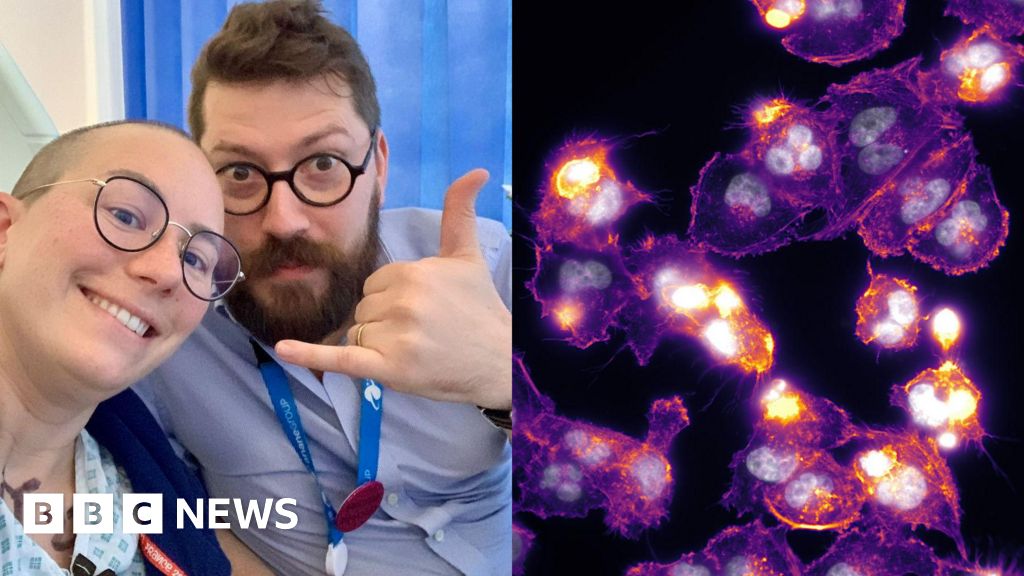
3 weeks agoAt 42, With Three Young Kids, I Got a Diagnosis That Would Have Me Dead in a Year. That Was Somehow Just the Beginning.
A 42-year-old man was diagnosed with cholangiocarcinoma, a rare and aggressive bile duct cancer with a 10% five-year survival rate, after initially presenting with jaundice symptoms.
OMG science
fromHarvard Gazette
2 months agoWhy did that cancer cell become drug-resistant? - Harvard Gazette
TimeVault records and stores cellular gene-expression history inside living cells, enabling retrieval of past gene-activity information to study differentiation, stress responses, adaptation, and drug resistance.
Cancer
fromwww.theguardian.com
3 weeks agoThe Guardian view on cancer survival rates: there is good news about healthcare amid the gloom | Editorial
Cancer mortality in the UK has dropped 29% over 40 years, though recent progress has slowed with rising deaths from certain cancers and persistent treatment delays.

fromwww.scientificamerican.com
2 months agoCancer Survival Rates Are the Highest They've Been since the 1970s
On Tuesday the American Cancer Society (ACS) released its annual report on cancer statistics in the U.S., and it offered a rare bit of good news: the proportion of people who were alive at least five years after a cancer diagnosis hit a record high. The report found that, among all cancer patients diagnosed between 2015 and 2021 in the U.S., the survival rate at the five-year mark relative to those who didn't have cancer was 70 percent.
Public health
fromwww.scientificamerican.com
1 month agoLung cancer hijacks the brain to trick the immune system
For years, scientists have viewed cancer as a localized glitch in which cells refuse to stop dividing. But a new study suggests that, in certain organs, tumors actively communicate with the brain to trick it into protecting them. Scientists have long known that nerves grow into some tumors and that tumors containing lots of nerves usually lead to a worse prognosis.
Science
Cancer
fromwww.theguardian.com
1 month agoQuarter of healthy years lost to breast cancer are due to lifestyle factors, research finds
Over 25% of healthy years lost to breast cancer result from lifestyle factors including red meat consumption and smoking, with projections showing global cases rising from 2.3 million to 3.5 million by 2050.


fromHarvard Gazette
2 months agoAmericans living longer after cancer diagnosis - Harvard Gazette
New findings on cancer survival rates offer hope for the more than 2 million Americans diagnosed each year. Seven out of 10 Americans diagnosed with cancer now survive five years or more, according to the American Cancer Society, a 7 percent increase since the mid-1990s, when the rate stood at 63 percent. The survival rate data - from patients diagnosed with cancer between 2015 and 2021 - showed, significantly, that those with high-mortality cancers and advanced diagnoses had the largest gains.
Public health
Science
fromNews Center
2 months agoNew Underlying Mechanisms May Support Proper Transcriptional Regulation and Improve Targeted Therapies - News Center
BET proteins, particularly BRD4, regulate transcription initiation and elongation independently of bromodomains, with implications for targeted therapeutic development.
fromwww.bbc.com
2 months agoTrial launched to 'help spot health risks early'
Public health consultant Dr Ross Keat said supporting people earlier to make small preventative changes would make "a big difference later on". Some 3,500 people in the north of the island within that age bracket are eligible for the checks. The checks will be carried out by two pre-existing nurses that support GP staff and would not replace GP appointments, Keat explained, adding that the cost would be minimal and absorbed by Ramsey Group Practice.
Public health
fromwww.nature.com
1 month agoAuthor Correction: The genomic landscape of response to EGFR blockade in colorectal cancer
In Extended Data Fig. 8 of this article, a micrograph shown in the left column (panel AZD) was inadvertently duplicated during figure preparation. The intended image was meant to show phospho-ERK (P-ERK) levels in a MAP2K1-mutant patient-derived xenograft (PDX) exposed to the MEK inhibitor AZD6244 (AZD). However, this image was accidentally overlaid with a micrograph from Extended Data Fig. 10 (left column, panel PAN), which displays P-ERK levels in an EGFR-mutant PDX exposed to panitumumab (PAN).
Cancer
fromenglish.elpais.com
1 month agoDouglas Hanahan, biologist: We don't necessarily need a cure, what we really need is cancer without disease'
Cancer cells acquire hallmarks: uncontrolled proliferation, evasion of growth barriers, resistance to programmed death, and relative immortality, driving tumor diversity and treatment variability.
fromwww.theguardian.com
1 month agoWhat is colorectal cancer and is it preventable?
Actor James Van Der Beek died on 11 February, aged 48; he had been diagnosed in 2023 with colorectal cancer. According to the World Health Organization, colorectal cancer is the third most common cancer and the second leading cause of cancer-related deaths worldwide. While rates are declining overall, cases among younger people are rising. This is a curable cancer if diagnosed early, says Dr Deirdre Cohen, director of the gastrointestinal oncology program for the Mount Sinai health system and an associate professor of medicine. It's important to bring any symptoms to the attention of your physician.
Public health
fromJezebel
2 months agoYou've Never Been More Likely to Get Cancer, Survive Cancer, or Be Bankrupted by Cancer
We're living in a curious moment for the status of cancer diagnosis and treatment, within the United States. The overall rate of prevalence for diseases that fall under the wide, wide title of "cancers" is increasing. At the same time, steady improvement to the standard of care and treatment, and newer breakthroughs in therapeutics, have raised survival rates higher than they've ever been before. But for all too many patients, the question is whether they'll be able to afford those
Public health
fromNature
2 months agoWhy cancer can come back years later - and how to stop it
When Lisa Dutton was declared free of breast cancer in 2017, she took a moment to celebrate with family and friends, even though she knew her cancer journey might not be over. As many as one-third of people whose breast tumours are cleared see the disease come back, sometimes decades later. Many other cancers are known to recur in the years following an initial treatment, some at much higher rates.
Medicine
Medicine
fromwww.theguardian.com
2 months agoSimple blood test can predict which breast cancer treatment will work best, study finds
A blood test measuring circulating tumour DNA predicts breast cancer treatment response before or within four weeks, enabling alternative therapies and avoiding ineffective drugs.
fromNature
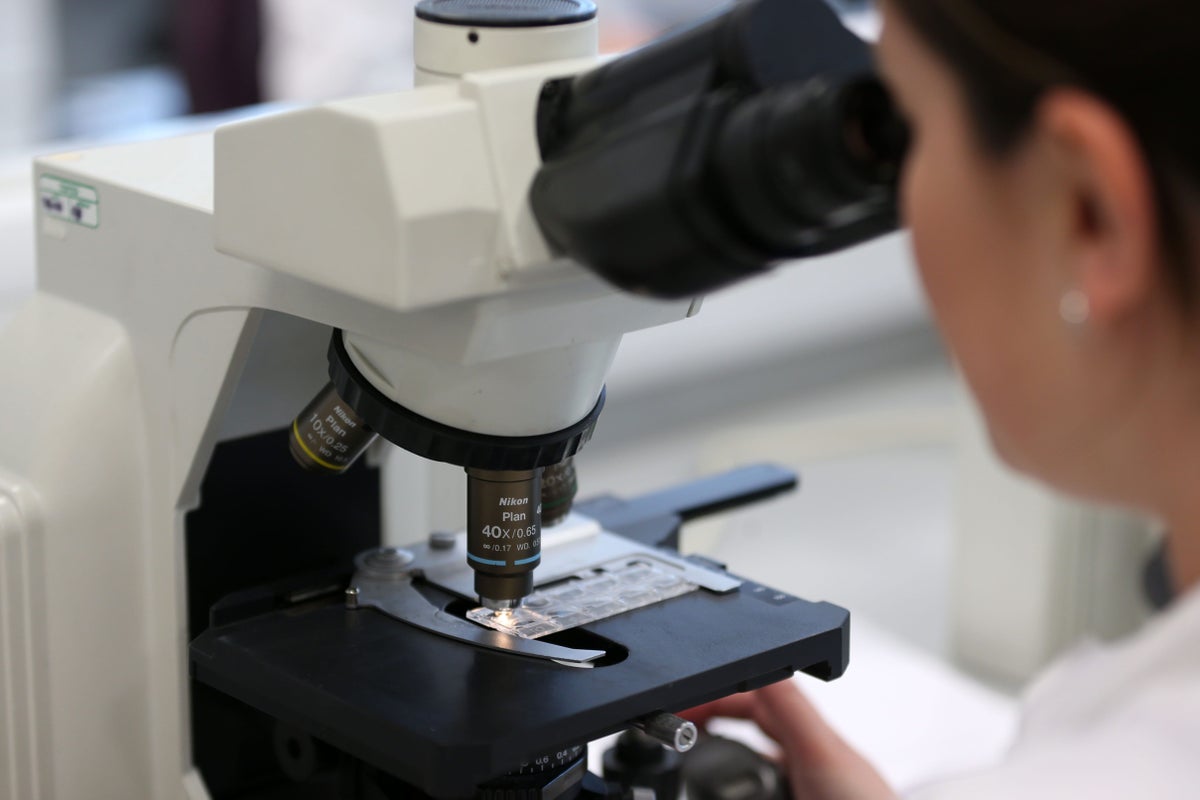
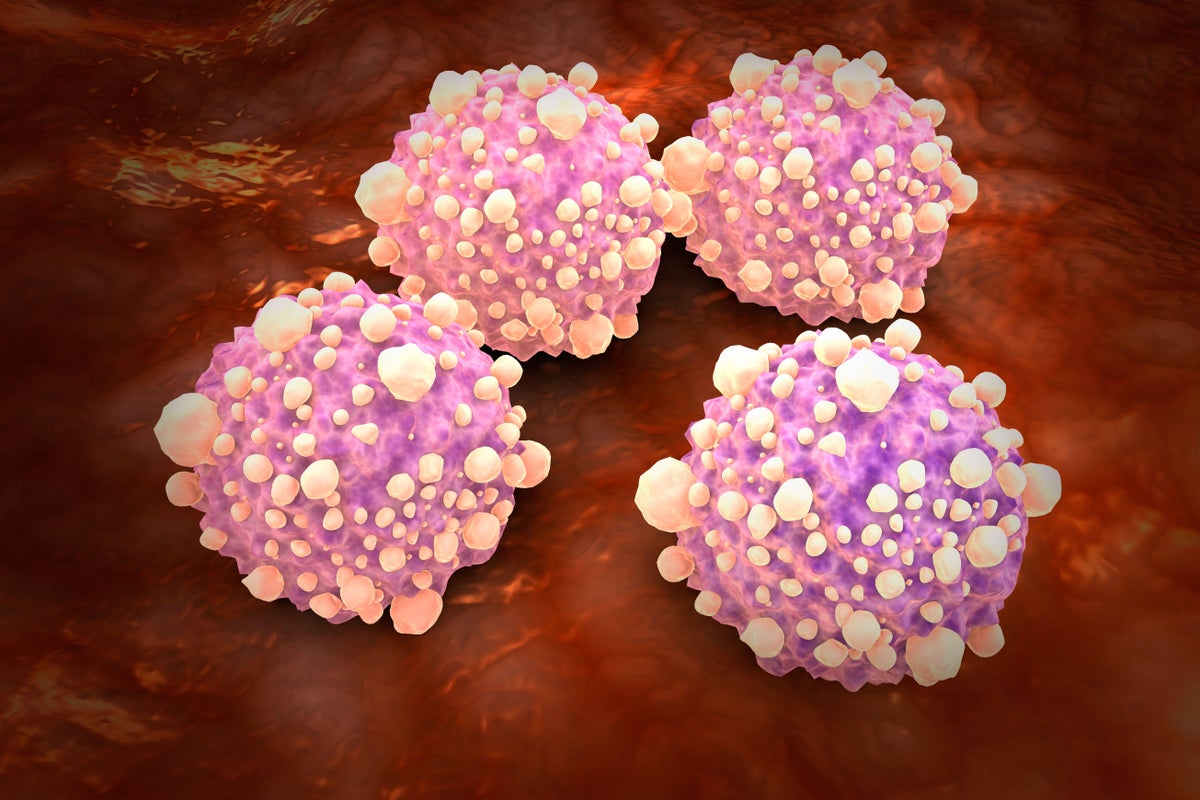
2 months agoMicrobiota-induced T cell plasticity enables immune-mediated tumour control - Nature
Although specific bacterial taxa have been associated with favourable clinical responses to immune checkpoint blockade (ICB) in cancer patients12,13,18,19,20,21,22, the mechanisms by which the intestinal microbiota influences anti-tumour immune responses remain poorly defined. Products of the microbiota, including metabolites23,24,25 and innate receptor ligands26, may reprogramme myeloid cells27, lowering the activation threshold for antigen presentation and thereby facilitating priming and activation of tumour-reactive T cells.
Cancer
fromwww.scientificamerican.com
1 month agoAlzheimer's blood tests may predict when a person will develop symptoms
But questions remain about the accuracy and uncertainty of these tests, and experts caution that the assays aren't ready for prime time. While the results here are encouraging, they are not yet at the level of having significant clinical benefit for individual patients, says Corey Bolton, a clinical neuropsychologist and an assistant professor of medicine at Vanderbilt University Medical Center, who was not involved in the new study.
Medicine
fromenglish.elpais.com
2 months agoA vaccine to prevent colon cancer shows promising results
Eduardo Vilar-Sanchez has spent more than 10 years pursuing a goal that seemed very distant, but which he now sees as a little closer: to develop a preventive vaccine against cancer. The physician and researcher is leading a study that presented the first promising results of a colon cancer vaccine in a small group of patients suffering from a rare disease that makes them 17 times more likely to develop colon cancer than the general population.
Medicine
fromNews Center
2 months agoExperimental Drug Shows Promise for Rare Genetic Disorder - News Center
Mucopolysaccharidosis type II (MPS II), or Hunter syndrome, is a rare genetic disorder primarily affecting boys, caused by a deficiency in the enzyme needed to break down sugar molecules. This harmful buildup in cells and tissues impacts multiple body systems, causing frequent infections, organ enlargement and developmental disabilities. Management involves supportive care and enzyme replacement therapy, as there is currently no cure,
Medicine
[ Load more ]