#diy-weapons
#diy-weapons
[ follow ]
#gun-rights #second-amendment #ghost-guns #self-defense #3d-printing #concealed-carry #firearms #gun-control






#second-amendment




Right-wing politics
fromABC7 Los Angeles
2 months agoComparisons drawn between Alex Pretti, Kyle Rittenhouse in renewed Second Amendment debate
A Minneapolis shooting by a Border Patrol agent reignited Second Amendment conflict as Republican officials clash over armed protesters and concealed-carry norms.
US politics
fromwww.mediaite.com
2 months agoKaroline Leavitt Grilled on Trump's Commitment to 2nd Amendment After Alex Pretti Shooting
The White House affirmed President Trump’s support for the Second Amendment while condemning violence against law enforcement and warning about risks when confronting agents armed.
Right-wing politics
fromwww.mediaite.com
3 weeks agoGood Guy With a Gun Takes Down a Bad Guy With a Gun': Fox's John Roberts Touts Second Amendment After Synagogue Shooter Taken Down
Armed civilians stopped an active shooter at a Michigan synagogue, illustrating the Second Amendment's role in self-defense when law enforcement response is delayed.


European startups
fromwww.businessinsider.com
1 week agoThe US military is pushing up production for the weapons that could matter most in a major war
The Department of Defense is increasing production of critical weapons, including THAAD interceptors, to meet rising demand and address stockpile concerns.
History
fromYanko Design - Modern Industrial Design News
2 weeks agoThis $56 Machete Multitool Borrows Its Best Idea From WWII Survival Gear - Yanko Design
The Delacour Multi-Use Axe Machete offers a more affordable alternative to the classic Woodman's Pal, using stainless steel instead of high-carbon spring steel while maintaining the same proven multi-tool design geometry.
US news
fromBoston.com
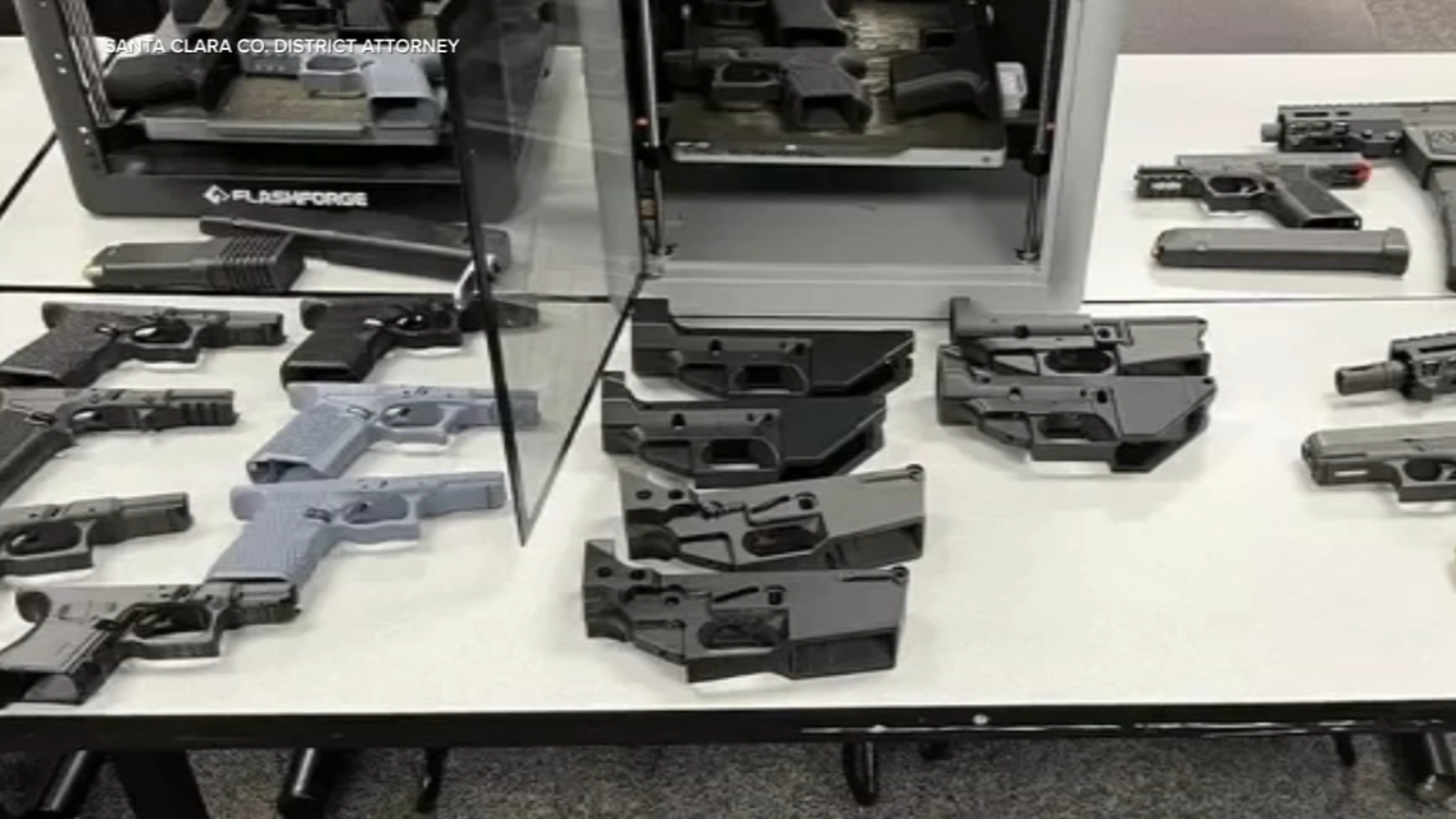
3 weeks agoMansfield man charged with illegally possessing ammunition, prosecutors say
A Mansfield man was arrested and charged with unlawfully possessing ammunition as a convicted felon, with authorities discovering firearms parts, a 3D printer, and multiple ammunition types in his home.
US news
fromNew York Post
1 month agoWild LI geezer built basement shooting range and staggering gun lab - just steps from Chaminade High School: DA
A 67-year-old Long Island man operated an illegal basement gun manufacturing and shooting range near multiple schools, possessing 10 mostly illegal firearms including homemade machine guns and thousands of rounds of ammunition.
fromYanko Design - Modern Industrial Design News
1 month agoThis Tactical Outdoor Pocket Watch Can Start a Fire - And That's Just the Beginning - Yanko Design
However, each individual watch has its own unique selling point - and for the Flint (as its name rightfully suggests), it's the waterproof flint-rod that's integrated into the watch's body. Unscrew it when you want to start a fire, scrape on the rod using a pocket knife, and sparks immediately shoot off, igniting any form of tinder, creating a tiny fire that can then be harnessed to light a campfire, an old-fashioned torch, or an emergency signal in a time of distress.
Gadgets
fromFast Company
2 months agoMaking things that make things
The advertising industry has always been in the business of making things, such as the OOH billboard, the 30-second spot, the snappy social post, the standard website: final, finite assets polished and pushed into the world. Agencies were paid, often by the hour, for producing final versions of these things and then moved on to the next project. Even with generative AI entering the picture, much of the conversation remains focused on making those same things faster or cheaper.
Marketing

fromRemodelista
2 months agoExpert Advice: DIY Building Lessons from Artist Sean Spellman
When Sean Spellman opened Dawnlands in Westerly, Rhode Island, last year, it was more than just a new address on the map. Conceived as an art gallery and gathering place, Dawnlands was built entirely by Sean and his family-no contractors, no designers, no outside help. Each board and bench was made with intention, using local pine and sensibility shaped by Japanese, Scandinavian, and coastal Californian influences.
Renovation
fromPortland Mercury
2 months agoYOUR SUNDAY READING LIST: Gun-Happy Federal Agents, Wrongful Imprisonment, and How to Get Fitted for a Chastity Belt
GOOD MORNING, SUNDAY! It's the perfect time to catch up on some of the great reporting and stories the Mercury churned out this week! (PRO TIP: If you despise being "the last to know," then be one of the first to know by signing up for Mercury newsletters! All the latest stories shipped directly to your email's in-box... and then... YOUR HEAD.)
Portland
fromSlate Magazine
1 month agoConservatives Are Terrified That People Like Me Are Buying Guns Now. Maybe They Should Be.
The scene was chaotic and joyful, with several young kids running around and scattering croissant crumbs on our sofa while their parents attempted adult conversation over mimosas. Inevitably, the moment arrived when a child knocked over a drink on our coffee table. It was an old West Elm design with a panel on top and a storage area underneath. The spilled beverage was dripping into the seams, so a crowd of parents rushed to open the table and mop up the liquid pooling within.
LGBT
fromwww.mediaite.com
2 months agoMajor Gun Rights Group Condemns Trump Official's Claim Shooting Was Legally Justified'
If you approach law enforcement with a gun, there is a high likelihood they will be legally justified in shooting you. Don't do it! Video showed Pretti approach ICE with his phone in hand not a gun so he could record their actions. Pretti's family said he had a lawful permit to carry a concealed handgun in Minnesota, which ICE agents were seen on video removing from his person when tackling Pretti to the ground.
Right-wing politics
Renovation
fromIndependent
2 months agoOperation renovation: 'I used to think I wasn't handy but now I can actually do a lot. Anyone can, really... I want more tools now'
Gráinne Gillett renovated a dilapidated 65 sqm Dublin cottage into a cosy home over two and a half years, learning trades and completing a near-total rebuild.
fromPsychology Today
1 month agoToilet Paper as a Weapon
Yet, at least one time, it was. This is a story I heard from Dave Hannaman, who worked at an Army human resources organization when I met with him many years ago. (Dave died in 2021.) Dave had been in the Army, including a stint as a "tunnel rat" in Vietnam. He was one of the brave soldiers who would go down into the tunnels the Viet Cong had constructed and booby-trapped. He was that kind of guy.
History
from24/7 Wall St.
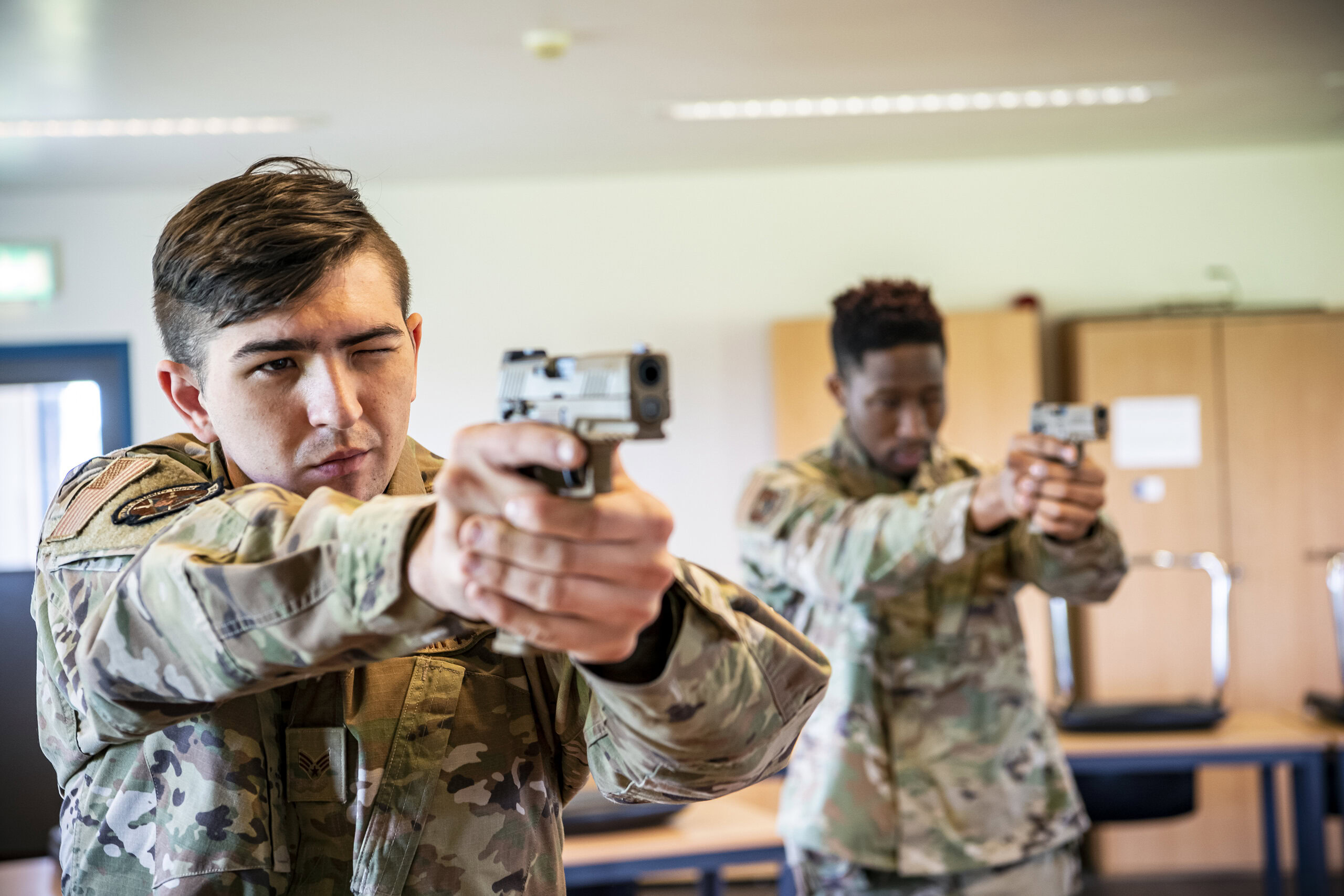
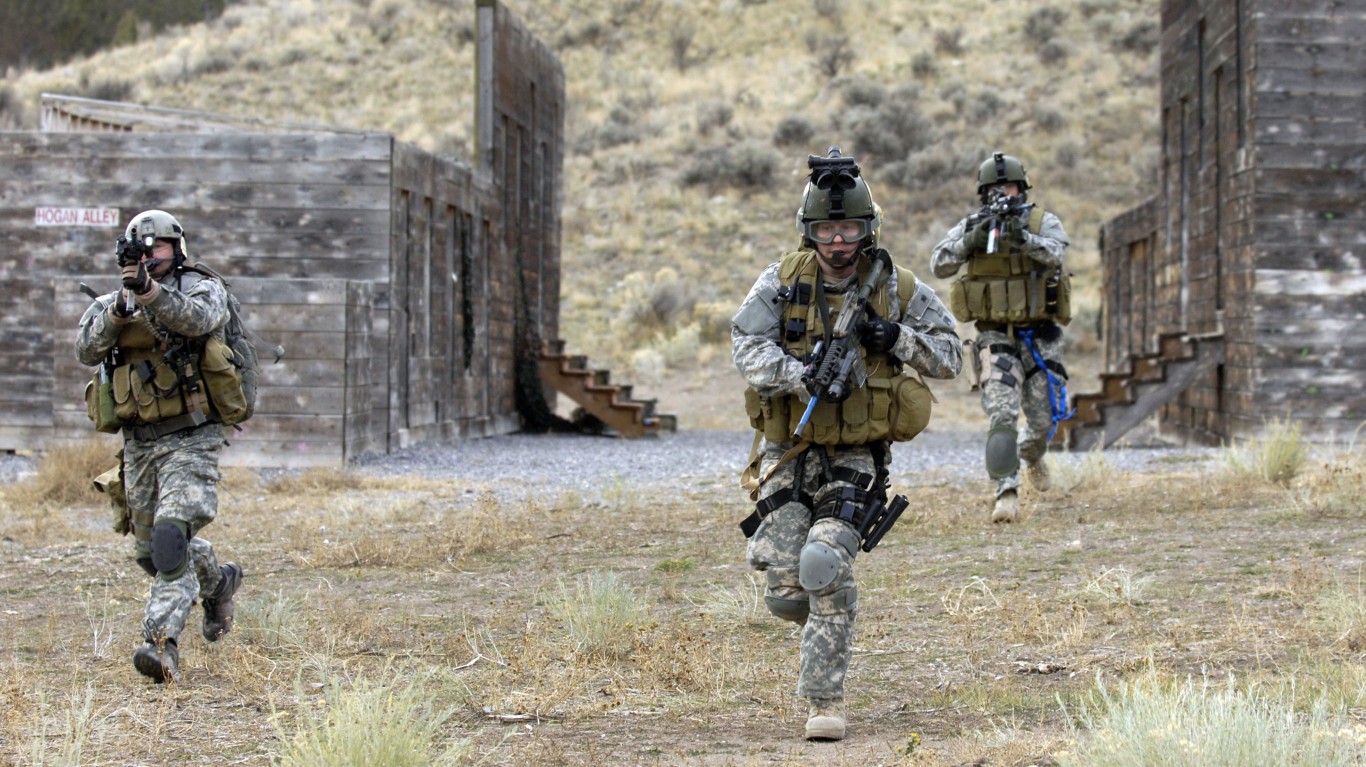
2 months agoWhy Navy SEAL Weapons Training Breaks All the Rules
At a glance, Navy SEALs don't appear to use radically different weapons than conventional infantry units. The difference is not the rifle or the optic, but how those weapons are trained and judged under pressure. SEAL missions rarely allow clean sight pictures or predictable engagements, and their training reflects that reality. Here, 24/7 Wall St. is taking a closer look at how Navy SEAL weapons training differs from conventional infantry.
US news
fromThe Atlantic
2 months agoWhat MAGA Really Thinks of the Second Amendment
On January 23, 2016, Donald Trump notoriously declared, "I could stand in the middle of Fifth Avenue and shoot somebody, and I wouldn't lose any voters." That statement was understood at the time as a metaphorical expression of the depth of Republican voters' commitment to him. Ten years and one day later, his administration's agents shot a disarmed man on the street in full view of the public. Perhaps we should have taken him not only seriously but also literally.
fromWIRED
2 months agoTrue Patriots Are Cashing In on the Apocalypse
When it comes to prepping, look to the Mormons. It's right there, in the official name of the religion: To be a "Latter-day Saint" is explicitly to believe in, and prepare for, the end times. This is why, on a calm morning last September, I arrive just outside Salt Lake City in a place called American Fork and knock on the door of Tyler Stapleton, the chief product engineer for off-grid power products at 4Patriots, one of the biggest companies pushing preparedness into the mainstream.
Gadgets
from24/7 Wall St.
2 months agoThese Dangerous Weapons Are Surprisingly Legal in America
In the United States, the right to bear arms is an important aspect of law and culture, yet many people are surprised by just how powerful certain legal-to-own weapons can be. Beyond standard guns, a range of weapons often associated with military or high-risk use are lawful under federal or state regulations, provided specific conditions are met. The legality of these highly dangerous weapons is due to a mix of constitutional rights, public safety concerns, and decades of changing legislation.
US politics
from24/7 Wall St.
2 months agoThe Sniper Systems That Performed Better in Combat Than Anyone Predicted
Snipers often discover a weapon's true potential only after it leaves the range and enters combat. Dust, cold, heat, and chaos expose weaknesses, but sometimes they reveal strengths no one planned for. Across multiple wars, certain sniper systems proved tougher, more accurate, and more versatile than expected, allowing operators to push ranges and missions far beyond the original design brief. Here, 24/7 Wall St. is taking a closer look at sniper systems that exceeded expectations in combat.
History
US politics
fromwww.mediaite.com
2 months agoNRA Pushes Back After Trump Suggests Alex Pretti Shouldn't Have Been Carrying a Gun'
The NRA affirmed unequivocal gun-rights protections after federal agents fatally shot a legally armed Minnesota nurse who appeared unarmed in video, prompting a federal investigation.
[ Load more ]