#doce-river-contamination
#doce-river-contamination
[ follow ]
#biodiversity #climate-change #urban-planning #critical-minerals #atlantic-forest #indigenous-rights #paraty
Environment
fromwww.theguardian.com
2 days agoIf they pollute our rivers, what will become of us?': the town divided between hope and fear in Brazil's Amazon oil rush
Oiapoque, Brazil, is poised for development through oil production, raising concerns about environmental impacts and Indigenous rights amid a global energy transition.

fromwww.theguardian.com
2 weeks agoPeople in North Yorkshire town found to have alarming' levels of toxic Pfas chemicals in blood
Blood testing conducted as part of a new ITV documentary has revealed that residents and former workers at the factory have alarming levels of these chemicals in their blood.
Public health
Environment
fromwww.theguardian.com
3 weeks agoMining's toxic timebomb: dams full of poisonous waste are dotted around the world. What happens when they burst?
A tailings dam collapse at a Chinese copper mine in Zambia released over 50 million cubic liters of acid and heavy metals into the Kafue River, causing widespread environmental devastation, water supply shutdowns, and agricultural destruction affecting millions of people.
fromwww.theguardian.com
1 month agoIt creates a sense of belonging': Brazil bets on hiking trails for conservation
The idea that hiking trails are a tool for conservation is based on a simple premise: people protect what they know. That requires making conservation areas accessible. There's no point telling people you only protect what you know, if you don't give them the tools to know. The trail is this tool. People who hike, people who camp, these people often become defenders of the environment.
Travel
Environment
fromwww.theguardian.com
3 weeks agoThis is the story of Weda Bay and how nature is being sacrificed for mining
Mining operations in key biodiversity areas are expanding globally, with over 3,267 operations accounting for nearly 5% of the sector's footprint, driven by demand for green energy transition materials.
fromwww.bbc.com
4 weeks agoCampaigners push to better protect chalk streams
They're special on a world stage, 85% of chalk streams are in England. They're wonderful habitats, they're great for people as well, people really enjoy them, whether it's areas like this where you can find kingfishers and grey wagtails and it's just a unique resource that we really should steward properly.
Environment


fromwww.theguardian.com
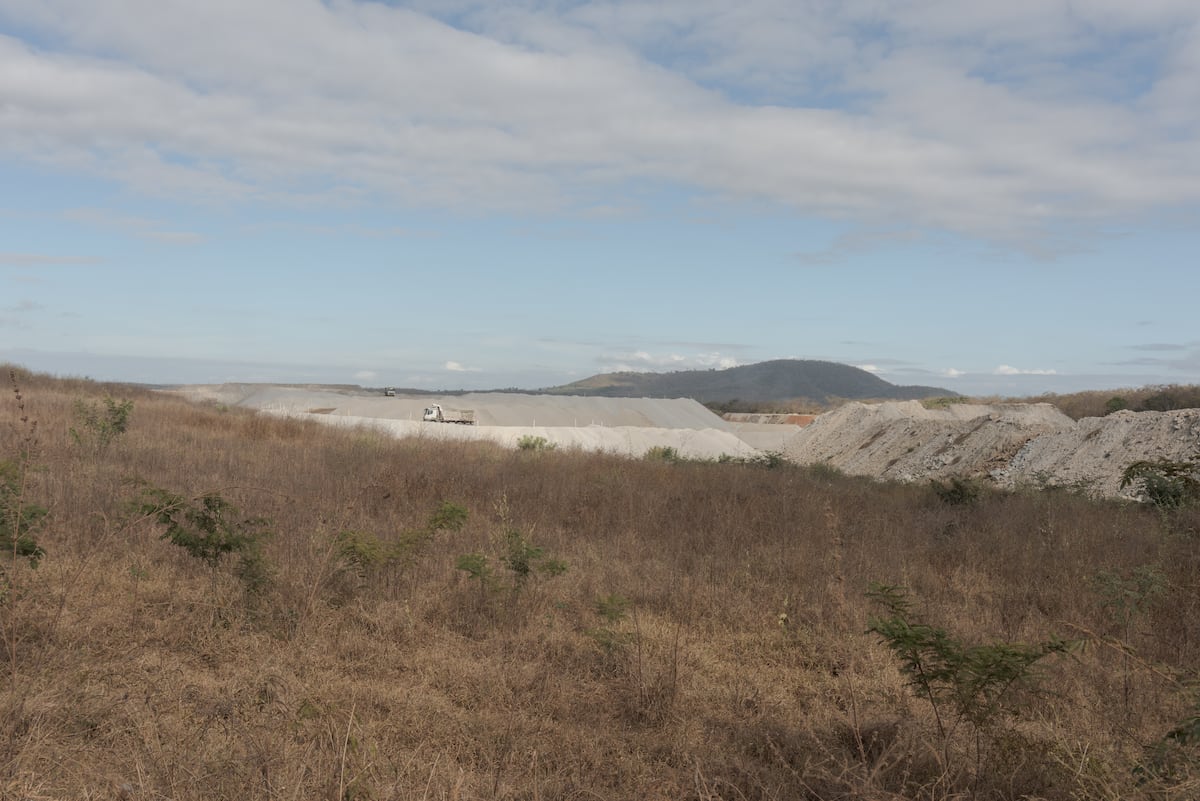
1 month agoThe river won': how campaigners in Brazilian Amazon stopped privatisation of waterway
The river won, the forest won, the memory of our ancestors won, said the campaigners in Santarem when it was clear their actions had forced the Brazilian government into a U-turn on plans to privatise one of the world's most beautiful waterways and expand its role as a soy canal.
Environment
Agriculture
fromwww.theguardian.com
1 month agoThe true cost of Ecuador's perfect roses: how the global flower trade poisons workers
Ecuador's Cayambe region relies on rose cultivation for high-value export income, but growers face economic insecurity and environmental and health risks from intensive pesticide use.
fromDaily Coffee News by Roast Magazine
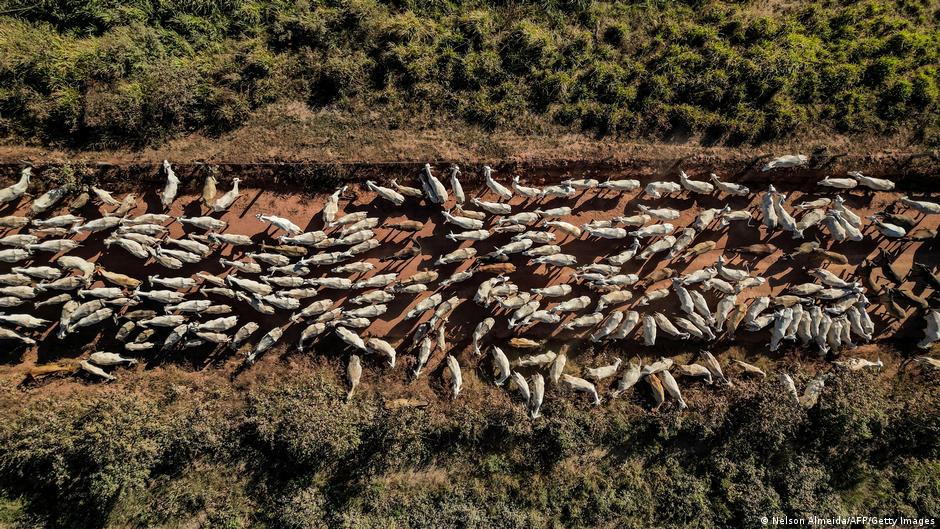
2 months agoBrazilian Researchers Promote Targeted Application of Bees for Coffee
A small, stingless bee may be able to raise coffee yields while fitting into real-world pest control programs, according to a new study from Brazil. In a field study on full-sun arabica farms, researchers reported a 67% higher fruit yield on coffee branches closer to colonies of the native stingless bee Scaptotrigona depilis, compared with branches farther away. The study was recently published in Frontiers in Bee Science.
Coffee
fromwww.dw.com
1 month agoBrazil's soy industry gives deforestation a green light
A moratorium that has protected vital rainforest since 2009 is on shaky ground as several players from Brazil's soy industry say they are pulling out. Specifically, the Brazilian industry association ABIOVE, whose members include global companies such as Cofco International, Bunge, Amaggi and JBS, have said they will no longer refrain from growing soy on deforested land. Environmentalists fear this could fuel a new wave of Amazon logging.
Environment
fromwww.theguardian.com
1 month agoPostcard-pretty and filled with pollution: how Brazil's fishers are reviving Rio de Janeiro's famous bay
Raw sewage and solid waste flow into the bay from surrounding cities, home to more than 8 million people. Cargo ships and oil platforms chug in and out of commercial ports, while dozens of abandoned vessels lie rotting in the water. But at the head of the bay, between the cities of Itaborai and Mage, the environment feels different. The air is purer, the waters are empty but for small fishing canoes, and flocks of birds soar overhead.
Environment
fromThe Art Newspaper - International art news and events
1 month ago'These are dirty funds': Indigenous Brazilian leader slams Science Museum for oil sponsorship ahead of climate show
BP's sponsorship of the museum has long drawn ire, in part because the oil company pursues an "all out for oil and gas" strategy, including plans to exploit deep drilling at the recently discovered Burmerangue site off the coast of Brazil. The project has been criticised by campaigners and oil and gas unions due to its threat to ocean ecosystems, elevated carbon dioxide levels, and lack of revenue flowing back into the Brazilian economy.
Environment
fromwww.theguardian.com
2 months agoNearly 200 arrested in cross-border crackdown on gold mining in Amazon
Police and prosecutors from Brazil, French Guiana, Guyana and Suriname have arrested nearly 200 people in their first joint cross-border operation targeting illegal gold mining in the Amazon region, authorities said. The operation was backed by Interpol, the EU and Dutch police specialising in environmental crime. It involved more than 24,500 checks on vehicles and people across remote border areas and led to the seizure of cash, unprocessed gold, mercury, firearms, drugs and mining equipment, Interpol said.
Environment
fromKqed
2 months agoSonoma County Storms Spill Wastewater into Russian River, Residents Warned to Stay Away | KQED
The exact volume of the spill remains unknown as crews continue to monitor the site. Tiffen noted that a final estimate will not be available until reports are submitted to state regulators, adding that the massive volume of stormwater currently in the river makes testing for pathogens more difficult. "It's complicated by the amount of storm water and how that would affect testing regardless of a spill," Tiffen said. "Because it tends to muddy the water, so to speak."
Environment
Environment
fromdesignboom | architecture & design magazine
2 months agoelevated linear park reclaims canal runing along brazilian city center
Doca Linear Park restores Belém’s waterfront by converting a 1.2 km buried canal into a continuous linear park integrating water, green infrastructure, and flood-resilient design.
fromwww.theguardian.com
2 months agoClean air should not be a privilege': how Bogota is tackling air pollution in its poorest areas
Every Sunday in Bogota, streets across the city are closed to cars and transformed into urban parks. Shirtless rollerbladers with boomboxes drift leisurely in figures of eight, Lycra-clad cyclists zoom downhill and young children wobble nervously as they pedal on bikes for the first time. This is perhaps the most visible component of a multipronged plan to clean up the Colombian capital's air.
Environment
[ Load more ]