#dog-gear
#dog-gear
[ follow ]
#dog-behavior #dog-training #animal-welfare #human-animal-bond #westminster-dog-show #working-from-home



fromThe Washington Post
1 month agoCollege students add puppy training to their course load
She explained that the exercise was to prepare for a real-life scenario, when a jacket falls off a chair and onto a dog. 'You wouldn't want them to get up, make a scene,' Gray said. The recent training class was for student members of a college chapter for the Guide Dog Foundation for the Blind, a nonprofit that provides service dogs to people with vision impairments.
US news
Pets
fromSilicon Canals
1 week agoPsychology says people who sleep in the same bed as their dogs aren't substituting the dog for human intimacy - they're supplementing a human life with the one kind of companionship that asks for nothing, carries no grievances into the bedroom, and has never once in the history of the arrangement woken up on the wrong side - Silicon Canals
Co-sleeping with dogs provides comfort and security, enhancing relaxation and sleep quality for many pet owners.
fromSlate Magazine
1 month agoEvery Winter Olympics Sport, Ranked by How Likely It'd Be for a Dog to Win a Medal
If a dog could compete in the Winter Olympics, which disciplines would it be best at? This age-old question took on new relevance Wednesday, when a Czechoslovakian wolfdog dashed onto the cross-country skiing course during the women's team sprint qualifiers. "So I'm going to say that it's domesticated. Wants to enjoy the finish as well," said commentator Duane Dell'Oca as the canine interloper, a local pooch named Nazgul, raced Croatia's Tena Hadzic and Australia's Phoebe Cridland across the finish line.
Skiing
fromwww.mercurynews.com
2 months agoAsking Eric: There was an incident while I was pet-sitting, and I'm still worrying about it
Dear Eric: I recently pet-sat for somewhat new friends. I had been invited on a weekend trip with them but had a work commitment that meant I couldn't go. I offered to pet-sit for them, which is something I've done for other friends from time to time. During the weekend there was an incident which wasn't really anyone's fault that resulted in some minor property damage. I let them know via text what happened and explained the situation and offered to cover any damages.
Relationships
fromFast Company
2 months agoThis clever button lets service dogs turn on appliances by themselves
For decades, people with disabilities have relied on service dogs to help them perform daily tasks like opening doors, turning on lights, or alerting caregivers to emergencies. By some estimates, there are 500,000 service dogs in the U.S., but little attention has been paid to the fact that these dogs have been trained to interact with interfaces that are made for humans.
Gadgets

Fashion & style
fromvitamagazine.com
2 months agoA La Dogue: How Man's Best Friend Is Nosing Into Marketing Campaigns
Fashion brands increasingly use dogs and pet-focused marketing because canine content boosts relatability, engagement, and supports pet apparel lines, driving consumer aspiration and sales.
fromwww.theguardian.com
2 months agoDogs, dopamine dressing and microdosing nature: how to find January joy
My mother always said buy a red or pink brolly, which will give a glow to your face in the rain. Meanwhile, the Filter's own Emily Goddard suggests dopamine dressing, even if only on a small scale. I have several colourful pairs of socks that add a pop of joy to the dark outfits I often find myself defaulting to during winter, she says.
Mindfulness
fromwww.theguardian.com
1 month agoCanine carer: how guide dog school dropout Marcus came to comfort cancer patients for a living
Marcus was purpose-bred at the Guide Dogs Centre in Glossodia a small town at the foot of the Blue Mountains, 68km north-west of Sydney. In April 2020, at the start of our most recent global pandemic, when Marcus was eight weeks old, he went to live with puppy raisers Alex and Alison.
Pets
Pets
fromSilicon Canals
1 month agoDog walkers say they learn more about a family from spending 30 minutes with their pet than most friends learn in years - these are the 7 things the dog reveals that the owner never would - Silicon Canals
Professional dog walkers can accurately assess families' personal circumstances and stress levels by observing behavioral changes in their pets, as dogs reflect their owners' emotional states and life conditions.


fromPsychology Today
1 month agoA Positive Paw Report
Dog ownership has increased dramatically in many western countries. For example, in the UK there has been an increase from around 8.3 million in 2011 to 13.5 million in 2025. That means that approximately 29% of UK adults own a dog! At least partially this increasing trend of owning a dog is linked to millennials being more likely to have children later in life.
Pets


fromSilicon Canals
1 month agoVets can tell which dogs are truly thriving and which are just being "managed"-here are 7 signs they notice right away - Silicon Canals
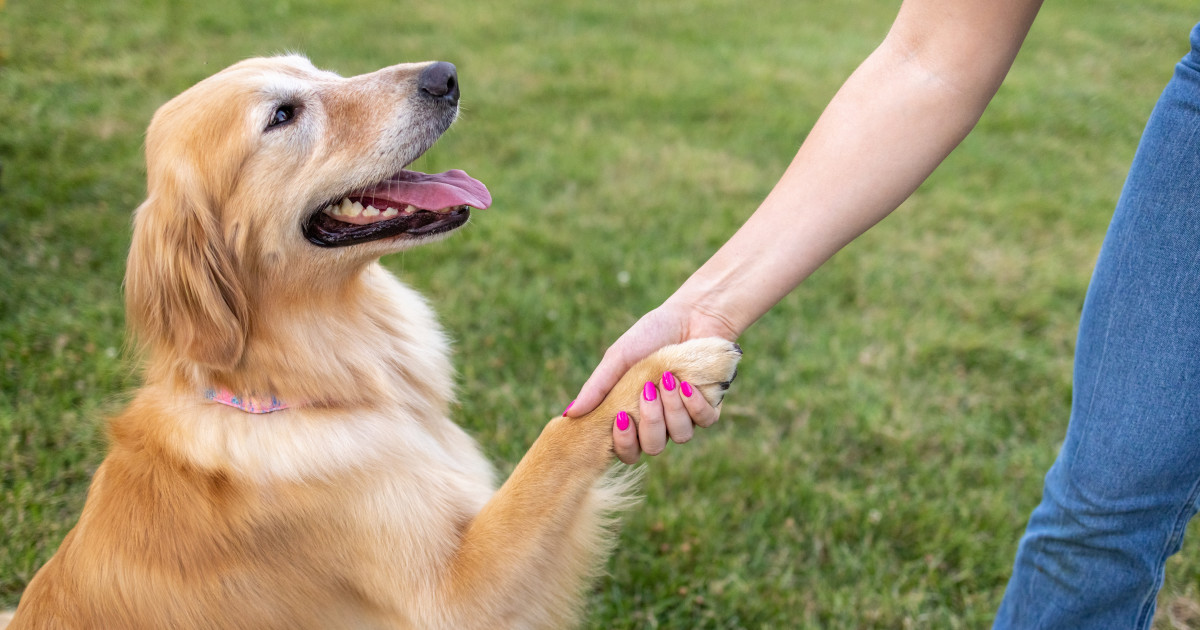
Remember that moment at the dog park when you see two golden retrievers, with one bouncing around with bright eyes and a glossy coat, and the other just going through the motions with a dull expression despite being perfectly groomed? Both dogs are clearly loved and cared for, but something deeper separates them: It's the difference between a dog that's genuinely flourishing and one that's simply being maintained.
Pets
fromSilicon Canals
1 month agoThe 3 dog training mistakes that create anxiety in puppies-and most owners do them daily without realizing it - Silicon Canals
Picture this: Your new puppy is pressed against the corner of the room, trembling slightly as you call their name. Their tail, which should be wagging with excitement, is tucked firmly between their legs. You've done everything the books told you, bought all the right toys, followed the feeding schedule perfectly, yet somehow your furry friend seems more nervous with each passing day.
Pets

Pets
fromScary Mommy
1 month agoWhat Vets Say You Should Be Doing When Your Beloved Pet Starts To "Slow Down"
Senior pets frequently develop arthritis, dental, kidney, heart, endocrine, and cognitive problems; proactive age-based care, including semiannual exams and routine lab work, improves outcomes.
Pets
fromBusiness Insider
2 months agoI spent $200,000 on my dogs. I'm almost embarrassed to admit that, but their intellect makes them really valuable.
A neurosurgeon bought two high-end Svalinn protection dogs for over $200,000 and formed deep emotional bonds due to their intelligence and gentle temperament.
fromwww.theguardian.com
2 months agoPup-and-coming: dog clothing market soars amid cold, wet UK weather
Beyonce and Kim Kardashian are some of the many who have long indulged in mini-me dressing wearing the same clothes as their children but now the trend is being extended to people's four-legged companions too. The dog clothing market is soaring and this winter it is coats that are topping the most in-demand list. Bestsellers at Pawelier, a London-based luxury pet accessories shop include a 135 four-leg puffer coat complete with a fuzzy hood and toggle detailing,
Pets
fromYanko Design - Modern Industrial Design News
2 months agoYour Dog Can Now Turn On the Lights (No, Really) - Yanko Design
We're living through a strange moment where our refrigerators are smarter than ever, our thermostats learn our habits, and now, apparently, dogs can control household appliances. The Dogosophy Button, developed by researchers at The Open University's Animal-Computer Interaction Laboratory, is a wireless switch designed specifically for canine use. Think of it as a smart home device, but instead of asking Alexa, you're teaching your golden retriever.
Pets
fromColumbus Ledger-Enquirer
1 month agoSweet Velcro Dog Refuses to Let His Favorite Person Work Alone
The clip opens with the dog sitting beside his mom on the couch while she works on her laptop. It's clear that the pup is deeply inconvenienced by his mom's working situation. Text above his head reads "Worst day ever," perfectly capturing the dramatic tone of what's to come. Within seconds, he side-eyes her to make sure she's paying attention, then begins softly whining, as if to say he's been patient long enough.
Pets
Pets
fromIndependent
2 months agoFrom working three jobs to Ireland's Best Dog Groomer - Meet the young Wexford entrepreneur eyeing international honours
Jade Dunphy, owner of Wipe Your Paws, will compete in an international dog grooming competition in Poland after winning Ireland's Best Individual Groomer.
[ Load more ]