#dog-welfare
#dog-welfare
[ follow ]
#animal-welfare #human-animal-bond #animal-rescue #pet-ownership #dog-behavior #pet-adoption #dogs #animal-cruelty
Psychology
fromSilicon Canals
12 hours agoPsychology says people who let their pets sleep in their bed aren't clingy or emotionally stunted - they've found one of the only relationships in modern life that offers unconditional presence without the performance anxiety that makes human connection so exhausting - Silicon Canals
Needing comfort from pets is not a weakness; it can enhance emotional well-being and reduce anxiety.
Psychology
fromSilicon Canals
2 days agoResearch suggests people who feel more empathy for dogs than humans aren't broken - their empathy is fully intact, it's just been directed toward the only available recipient that has never weaponized it, and a person whose empathy has been weaponized enough times eventually stops handing it to anyone who could do it again - Silicon Canals
Empathy can be selective, often directed more towards animals than humans due to psychological and biological factors.




UK news
fromwww.independent.co.uk
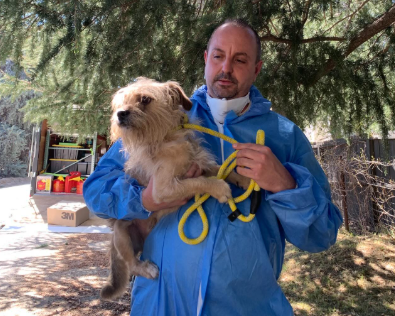
2 weeks agoDog owners now face unlimited fines under new laws aimed at protecting farm animals
The UK implemented stricter livestock protection laws increasing penalties for dog owners from £1,000 to unlimited fines, with police authority to detain dogs suspected of attacking farm animals.
fromLady Freethinker
4 days agoDetroit Police Appoint First Officer Dedicated to Animal Cruelty Cases
The new role was prompted in part by a disturbing case last year involving a dog that had been stabbed by her guardian live on social media. The dog's former guardian was ultimately sentenced to two to seven years in prison, and the dog has since been placed with a new family.
Pets
Canada news
fromwww.cbc.ca
1 month agoWill it save dogs or impede key health research? Two views of Ontario's Bill 75 | CBC News
Ontario's Bill 75 proposes banning invasive medical research on cats and dogs with limited veterinary exemptions, sparking debate between researchers concerned about cardiovascular disease studies and animal rights advocates supporting the restrictions.
fromNature
1 month agoThe age of animal experiments is waning. Where will science go next?
Last November, the UK government announced a bold plan to phase out animal testing in some areas of research. Animal tests for skin irritation are scheduled for elimination this year, and some studies on dogs should be slashed by 2030. The long-term vision is 'a world where the use of animals in science is eliminated in all but exceptional circumstances'.
Science
fromwww.independent.co.uk
1 month agoComplaints of dog mess and bad behaviour but most owners claim to be responsible
Research by pollster YouGov suggests an overwhelming majority of dog owners (96 per cent) say they are responsible yet 86 per cent of people have encountered issues including dog mess, dogs jumping up on them without permission and dogs off the lead.
UK news
#animal-welfare



Pets
fromwww.theguardian.com
2 weeks agoI just wish they'd let me feed my cats': how council ban made one woman an animal welfare icon
A woman banned from feeding feral cats she cared for 20 years receives overwhelming community support after a neighboring business complained to the council about cat feces.
Pets
fromwww.theguardian.com
2 weeks agoI just wish they'd let me feed my cats': how council ban made one woman an animal welfare icon
A woman banned from feeding feral cats she cared for 20 years receives overwhelming community support after a neighboring business complained to the council about cat feces.
Pets
fromSilicon Canals
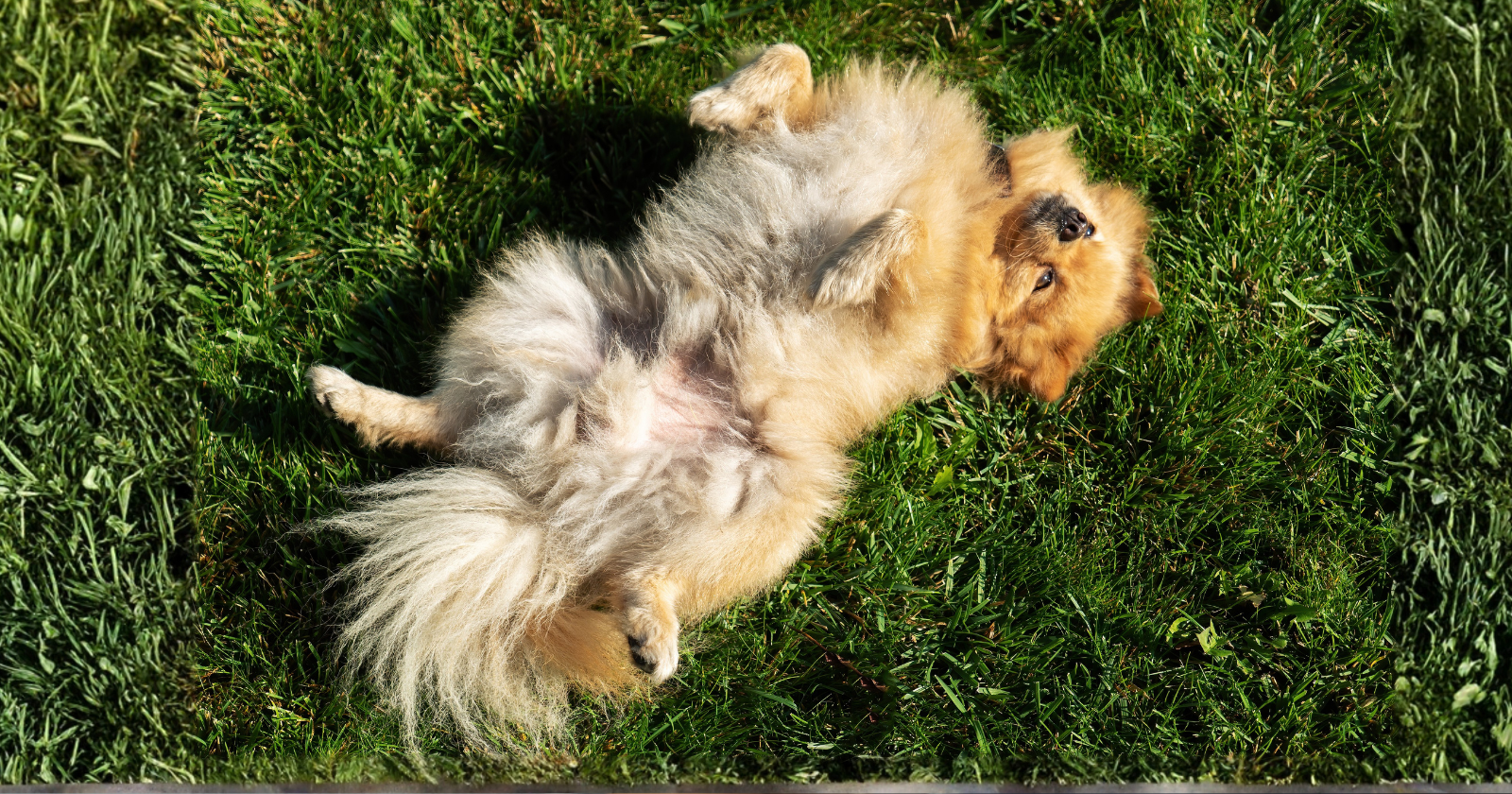
1 week agoPsychology says people who sleep in the same bed as their dogs aren't substituting the dog for human intimacy - they're supplementing a human life with the one kind of companionship that asks for nothing, carries no grievances into the bedroom, and has never once in the history of the arrangement woken up on the wrong side - Silicon Canals
Co-sleeping with dogs provides comfort and security, enhancing relaxation and sleep quality for many pet owners.
fromEuro Weekly News
1 month agoA court finds missing work to care for a dying pet to be justified
A court in Barcelona has ruled that a worker's absence from her job to take her critically ill dog to be euthanised was justified on humane grounds, overturning her dismissal and highlighting evolving legal recognition of the bond between people and their companion animals. The Social Court No. 25 of Barcelona declared the disciplinary dismissal of a teleoperator improper after she missed several days of work, including one absence specifically to attend to her dog's urgent medical needs.
Barcelona
fromwww.theguardian.com
1 week agoThe Guardian view on vets: there is nothing cuddly about this under-regulated market | Editorial
The Competition and Markets Authority found that consumers have overpaid roughly £1 billion in veterinary fees over five years, highlighting a significant issue in the market.
Pets
fromPsychology Today
1 month agoThe Hidden Lives of Lab Animals and the Need for Reform
Countless millions of nonhuman animals (animals) of all sorts are used in a diverse array of laboratory research. Their treatment varies from being unspeakably inhumanely abused to being treated with kindness, depending on the questions at hand and the values and attitudes of the researchers themselves. The lives of these animals truly are hidden, and most people are incredulous when they learn that laboratory rats and mice still are not considered "animals" under the current federal Animal Welfare Act.
Science
Pets
fromwww.cbc.ca
2 weeks agoNew campaign encourages families to adopt large dogs in Toronto | CBC News
Toronto Animal Services and NutriCanine waive adoption fees for large dogs during a March-April campaign to increase adoptions, as big dogs wait 1.5-2 times longer in shelters than smaller animals.
Pets
fromMail Online
2 weeks agoPlan to round up millions of dogs sparks 'global health' warning
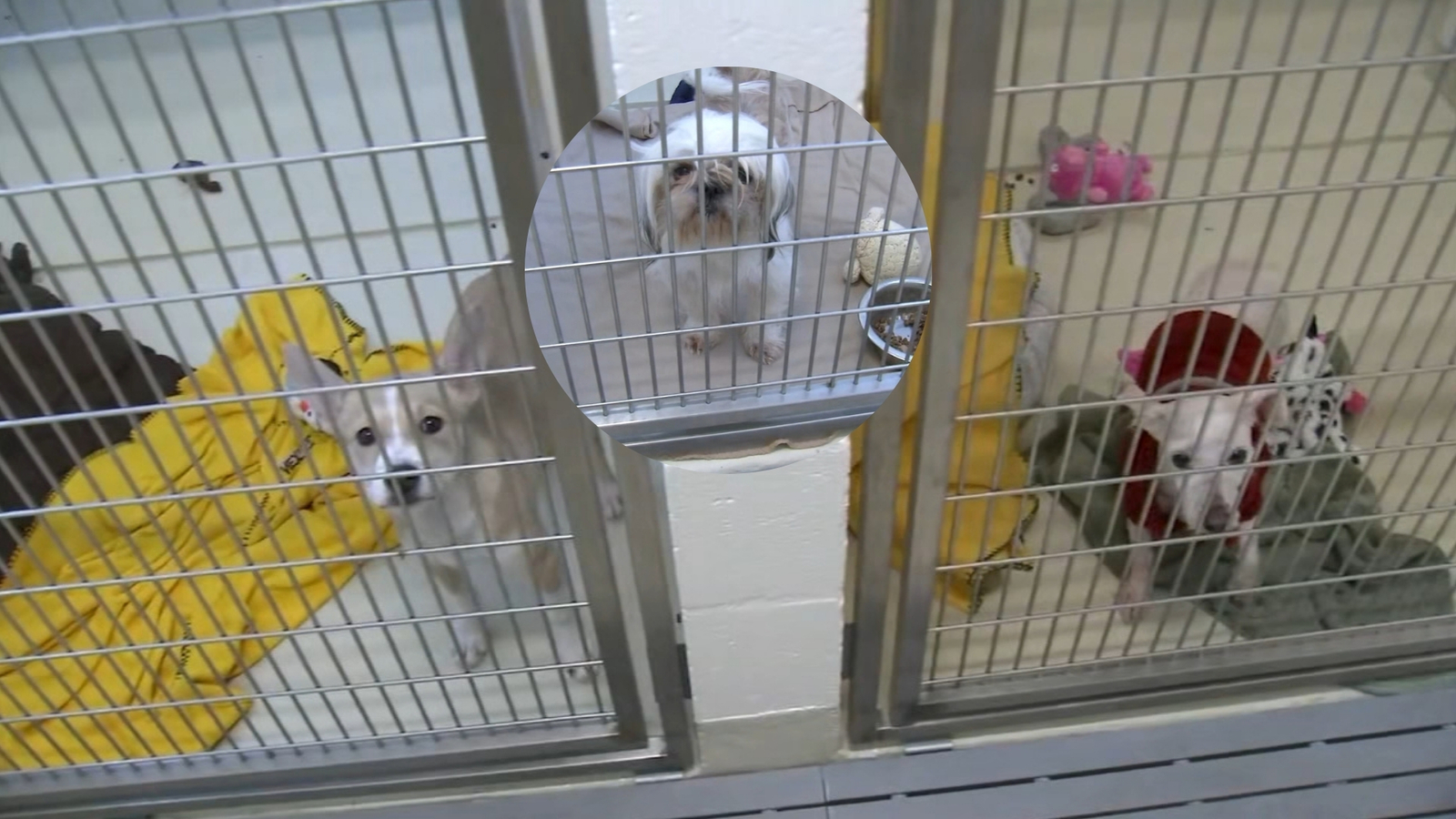
India's Supreme Court-ordered mega shelter plan for stray dogs risks creating a public health disaster by concentrating diseased animals in high-density facilities, potentially triggering zoonotic disease outbreaks with global consequences.
Pets
fromsfist.com
3 weeks agoSF to Consider New Nanny State Ordinance Requiring That All Dogs Must Be Neutered
San Francisco's Board of Supervisors is considering mandatory spay and neuter legislation for all dogs, with enforcement through fines or dog confiscation, following similar laws already implemented in Los Angeles County, San Jose, and Long Beach.


fromPsychology Today
1 month agoA Positive Paw Report
Dog ownership has increased dramatically in many western countries. For example, in the UK there has been an increase from around 8.3 million in 2011 to 13.5 million in 2025. That means that approximately 29% of UK adults own a dog! At least partially this increasing trend of owning a dog is linked to millennials being more likely to have children later in life.
Pets
fromSilicon Canals
1 month agoVets can tell which dogs are truly thriving and which are just being "managed"-here are 7 signs they notice right away - Silicon Canals
Remember that moment at the dog park when you see two golden retrievers, with one bouncing around with bright eyes and a glossy coat, and the other just going through the motions with a dull expression despite being perfectly groomed? Both dogs are clearly loved and cared for, but something deeper separates them: It's the difference between a dog that's genuinely flourishing and one that's simply being maintained.
Pets

fromSilicon Canals
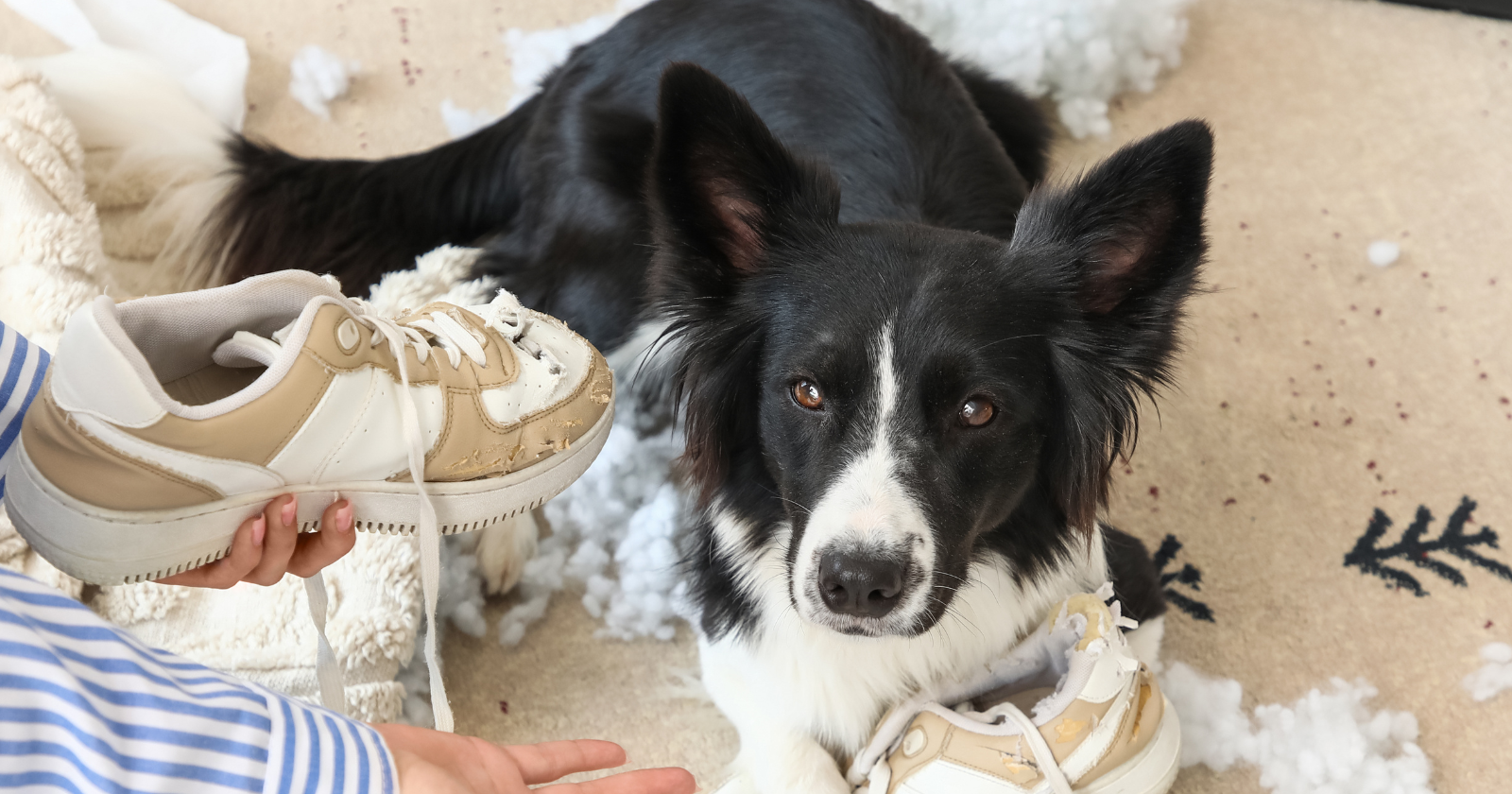
1 month agoThe 3 dog training mistakes that create anxiety in puppies-and most owners do them daily without realizing it - Silicon Canals
Picture this: Your new puppy is pressed against the corner of the room, trembling slightly as you call their name. Their tail, which should be wagging with excitement, is tucked firmly between their legs. You've done everything the books told you, bought all the right toys, followed the feeding schedule perfectly, yet somehow your furry friend seems more nervous with each passing day.
Pets
[ Load more ]