#dollar-tree-pricing
#dollar-tree-pricing
[ follow ]
#dollar-tree #costco #consumer-behavior #aldi #walmart #budget-shopping #grocery-shopping #inflation #grocery-prices
#aldi
fromBusiness Insider
2 months agoFood & drink
I'm a mom, and I swear by these 9 Aldi staples that feel way more expensive than they are
Aldi provides affordable, high-quality grocery items—featuring Simply Nature yogurt and premium dark-chocolate chunks—making nutritious and indulgent options accessible for families.
fromwww.bbc.com
3 weeks agoA small US grocer is calling out the lower prices at big chains
He says he paid roughly $5 to his distributor to get the pack of Honey Bunches of Oats onto the shelf. But his much larger rivals, the big US supermarket chains, can sell that same box for around $5 - essentially, the price he has to pay wholesale. That dynamic makes it "impossible for us to compete."
NYC politics
#budget-shopping
E-Commerce
fromBusiness Insider
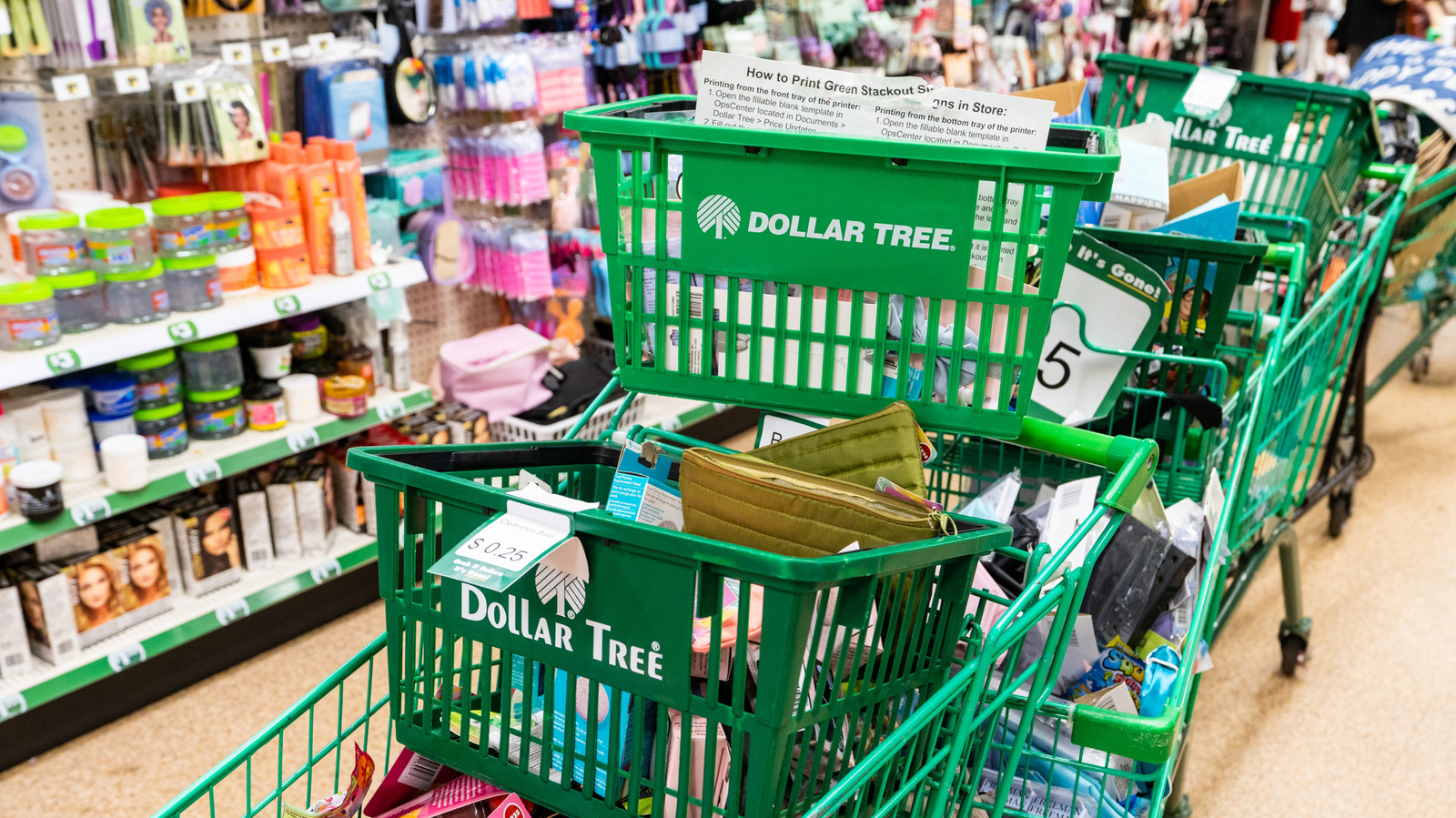
1 month agoI've shopped at Dollar Tree for 20 years. Here are 12 products I swear by getting at the budget chain.
Dollar Tree offers reliable value on essentials like period products, cleaning supplies, batteries, and spices despite price increases from $1 to $1.50 per item.
E-Commerce
fromBusiness Insider
1 month agoI've shopped at Dollar Tree for 20 years. Here are 12 products I swear by getting at the budget chain.
Dollar Tree offers reliable value on essentials like period products, cleaning supplies, batteries, and spices despite price increases from $1 to $1.50 per item.
#dollar-tree
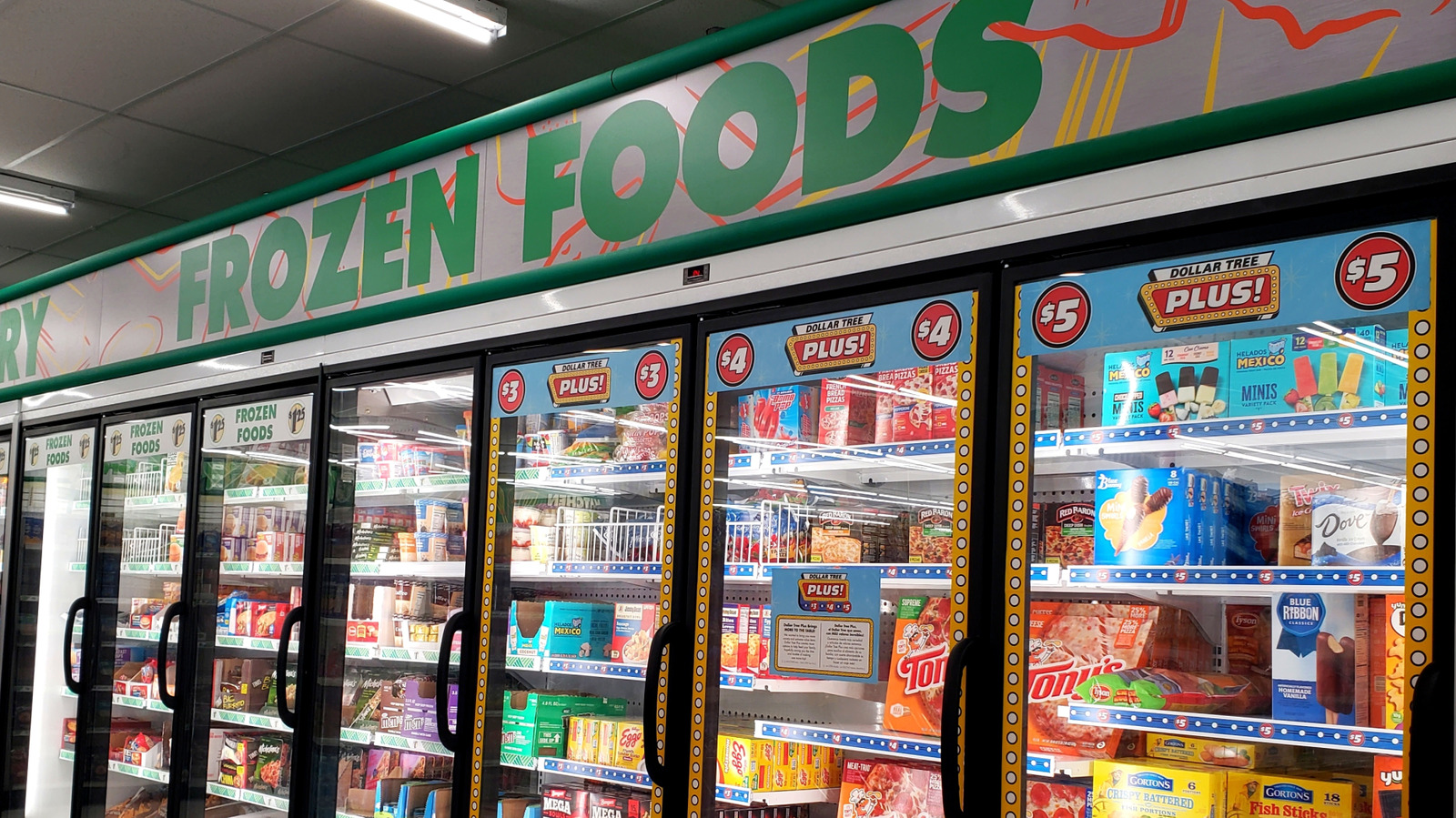
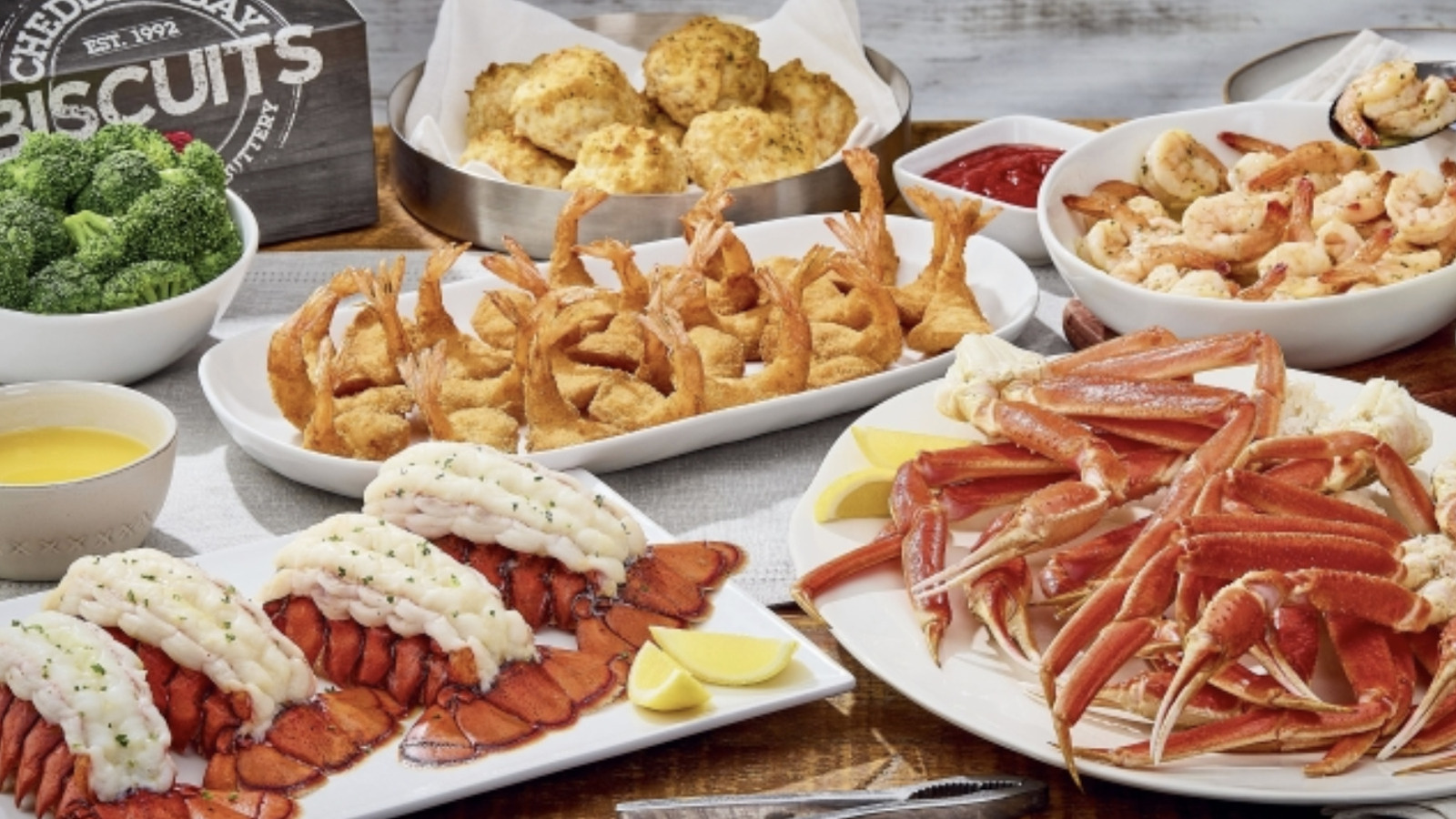
SF food
fromTasting Table
3 weeks agoThis Budget-Friendly Chain Is A Sugar-Free Snack Goldmine - Tasting Table
Dollar Tree offers a wide selection of affordable sugar-free snacks from national brands like Russell Stover, making budget-friendly options available for consumers seeking to reduce sugar intake.
SF food
fromTasting Table
3 weeks agoDollar Tree's Frozen Food Section Stocks This Popular Appetizer Brand - Tasting Table
Dollar Tree now carries TGI Fridays frozen appetizers, including Cream Cheese Stuffed Jalapeño Poppers and Spinach & Artichoke Cheese Dip, allowing consumers to recreate restaurant favorites at home.
fromFast Company
3 weeks agoDollar General closed hundreds of locations after evaluating its store footprint. But there's an upside
Shares of Dollar General Corp (NYSE: DG) fell more than 6% in premarket trading on Thursday following the report's early-morning release. And yet the discount retailer's financial results include figures such as a 5.9% increase year-over-year (YOY) in quarter-four, with net sales increasing to $10.9 billion.
Business
Business
from24/7 Wall St.
4 weeks agoForget Amazon, If Oil Hits $100, Walmart Is the Only Retailer Built to Thrive the Squeeze
Amazon's $200 billion 2026 capex plan faces significant risk from rising energy costs, while Walmart's established infrastructure provides competitive advantage during potential oil price spikes.
Berlin food
fromTasting Table
1 month agoAldi Vs Trader Joe's: Get A Week's Worth Of Groceries For Less At This Chain - Tasting Table
Aldi offers lower prices than Trader Joe's on grocery staples due to limited SKUs, private-label focus, and minimal advertising, making it the better choice for budget-conscious shoppers in 2026.
E-Commerce
fromTasting Table
2 weeks agoHow To Outwit The Grocery Store 'Decoy Effect' That Causes You To Overspend - Tasting Table
The decoy effect is a retail marketing tactic that manipulates customer perception of value by introducing a strategically priced third option to make expensive items appear more valuable than budget alternatives.
Food & drink
fromTasting Table
1 month agoNot Aldi Or Trader Joe's: The Pennsylvania Grocery Chain That Has Cheaper Groceries - Tasting Table
Sharp Shopper offers substantially lower prices than Aldi and Trader Joe's by selling grocery closeouts, but its deep discounts are limited to Pennsylvania and Virginia.
fromApartment Therapy
2 months agoDollar Tree Is Selling the Cutest Productivity Gem
It's only early January, so I'm still hearing a lot of people talk about their fresh starts and resolutions. Even if you're not one for those kinds of traditions, January tends to be a relatively sleepy month without many large obligations (plus, it's cold out!). One way to put that downtime to good use is by getting a bit more organized. What better place to start than your desk?
Productivity
fromwww.npr.org
2 months agoHow have prices changed in a year? NPR checked 114 items at Walmart
What brings Greg Reyes to this Walmart south of Savannah are the low prices. He and his wife keep a close eye on their limited budget; she's retired and he's disabled. Their grocery list is always the same. But the prices have been changing. "I used to pay like $40 a year ago, and now we're paying like $60," Reyes says. In his bags today are some chicken, turkey and beef.
US news
E-Commerce
fromRetail Brew
3 weeks agoConsumers say they're financially worse off and it's changing how they shop
One in four Americans report worsening financial situations, driving widespread cost-cutting across groceries, personal care, dining, travel, and discretionary spending, with consumers increasingly favoring budget retailers and value-focused options.
E-Commerce
fromTasting Table
3 weeks ago7 Grocery Chain Price Adjustment Policies Every Customer Should Be Aware Of - Tasting Table
Many grocery stores offer price adjustment policies allowing customers to receive refunds when item prices drop shortly after purchase, requiring receipts and exact product matches.
Food & drink
fromTasting Table
1 month agoDollar Tree's Stackable Drawers Are A Smart Solution For Pantry Clutter - Tasting Table
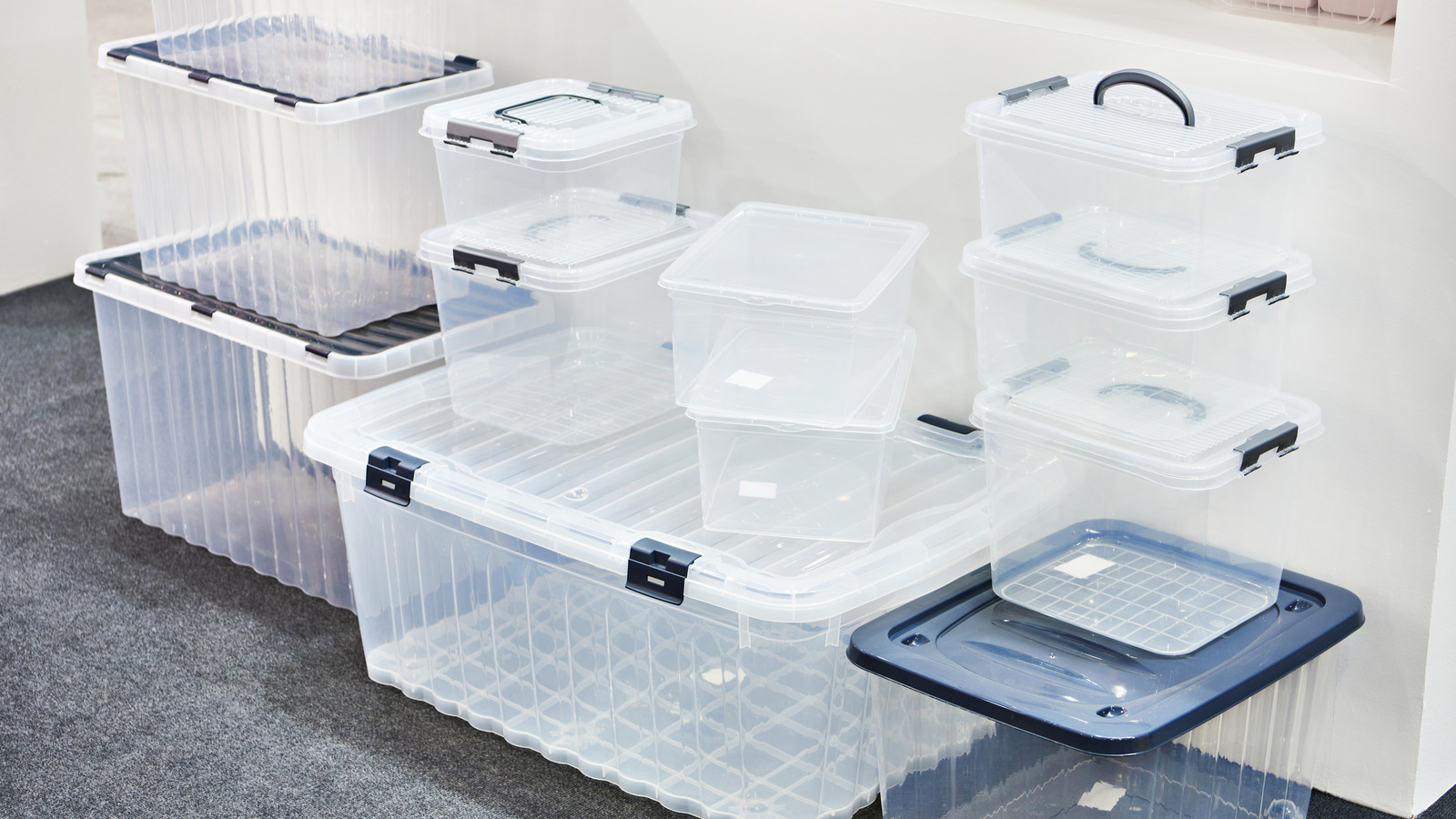
Dollar Tree's clear plastic stackable drawers provide affordable, durable, space-saving pantry and cabinet organization, protecting food and securing stacks with clamping connectors.
fromSilicon Canals
2 months ago8 shopping habits that look "cheap" but are actually signs of intelligence and discipline - Silicon Canals
We live in a world where spending freely is often seen as a sign of success. Flash your credit card without checking the price tag, and you're "living your best life." But here's what I've learned after running my own businesses and studying consumer behavior: The shopping habits that look "cheap" are actually the ones that separate the financially intelligent from those drowning in debt. The truth? Those "cheap" behaviors are about discipline, long-term thinking, and understanding the real value of money.
Business
Business
fromIndependent
2 months agoHow Dunnes Stores went from 'Better Value' to 'Simply Better' to win the grocery shopping wars
Dunnes Stores, under Margaret Heffernan, reaffirmed supermarket leadership over Christmas by evolving from a bargain image to top-tier positioning amid fierce competition.
fromTasting Table
2 months agoHow Does Trader Joe's Keep Its Scotch Prices So Low? - Tasting Table
If you're shopping in a state where grocery stores are allowed to sell liquor, you might even see Trader Joe's brand whisky on the shelves with a low price tag attached to it. So, how is it that a grocery chain can put proper, single-malt Scotch on the shelves for just $20 to $30 a bottle? The answer is similar to that of most of the deals you find in the store: A private label bottled by a non-distiller producer (NDP) in Scotland.
Food & drink
Food & drink
fromFortune
1 month agoPepsiCo is cutting prices for snacks like Doritos by 'up to 15%' to appease customers pinched by the K-shaped economy | Fortune
PepsiCo will cut prices on its most popular snacks by up to 15% to attract budget-conscious consumers and curb defections to cheaper alternatives.
fromInc
1 month agoThe New Rules of Big-Box Retail
The outlook for 2026 I'm watching 2026 with equal parts optimism and urgency. Optimism because consumer demand is still there. Retail sales have remained resilient in recent data. Urgency because the operating environment is only getting tighter. Coming out of FY2025, large retailers demonstrated resilience amid inflation pressure, shifting consumer behavior, and global supply-chain complexity. Walmart raised its outlook and leaned further into a model that blends physical stores, e-commerce scale, and execution discipline.
E-Commerce
fromFast Company
1 month agoWe're in a trade-down economy, and Ulta is winning
If you're feeling anxious about the economy, you're not alone. Consumer confidence is at its lowest in more than a decade. Americans are worried about inflation, a possible recession, and job security-and that anxiety is reshaping how they spend. Even high earners are pulling back. Households are cutting big-ticket indulgences like vacations, fine dining, and designer fashion and redirecting spending toward essentials like groceries and personal care.
E-Commerce
fromBusiness Insider
1 month agoI grew up couponing after my parents were laid off. Now I teach millions on social media how to save money.
I'm a professional couponer who shares tips with my millions of followers on social media. I have a long couponing history. Both of my parents got laid off during the recession and had two teenage daughters. They needed to figure out how to make ends meet quickly, so my mom took a community college class and learned the basics of couponing.
E-Commerce
[ Load more ]