#dominantly-inherited-alzheimers

[ follow ]
#alzheimers-disease
US politics
fromwww.independent.co.uk
2 months ago

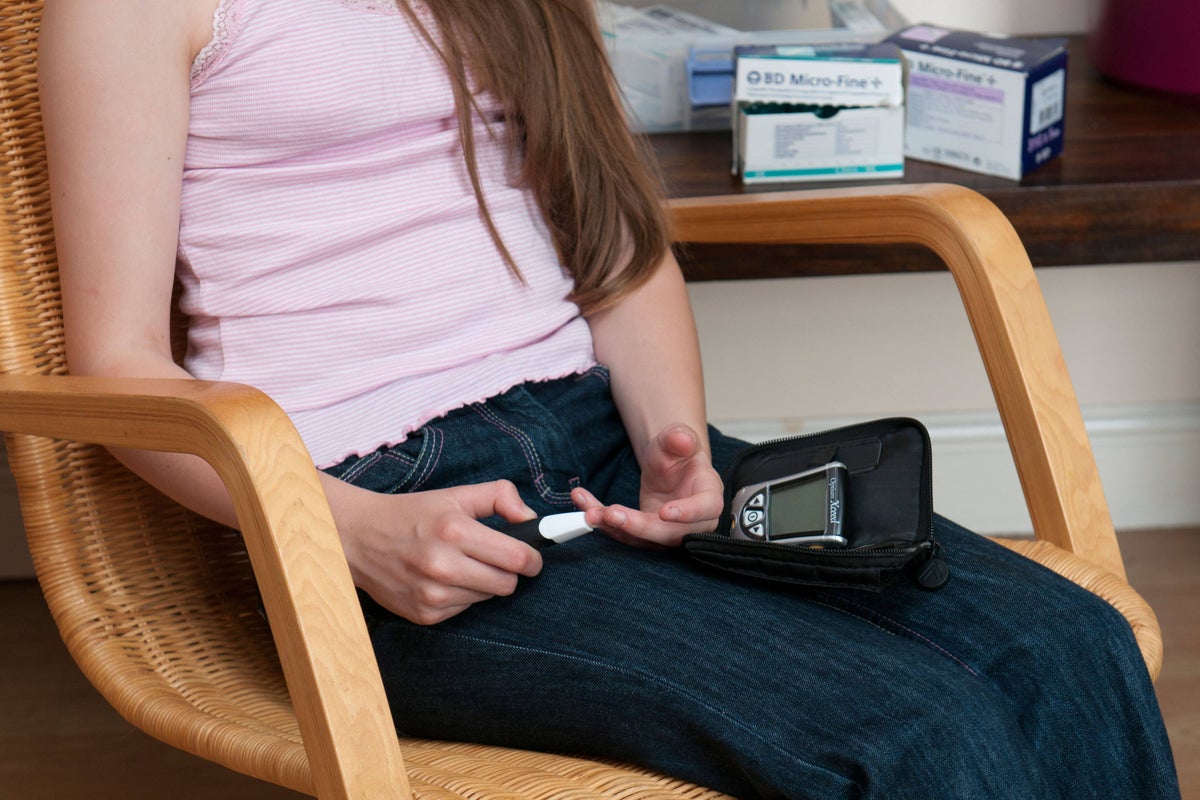
The common diabetes symptom linked to increased risk of Alzheimer's disease

Post-meal blood sugar spikes are associated with a 69% higher risk of developing Alzheimer's disease, indicating that managing postprandial glucose may be important for prevention.
Medicine
fromNature
1 month ago

Blood test holds promise for predicting when Alzheimer's symptoms will start

A blood test measuring an abnormal tau protein may predict whether and when someone will develop Alzheimer's, enabling earlier intervention and aiding clinical trials.
Medicine
fromSocial Media Explorer
1 day ago

The Silent Two-Decade Build-Up of Alzheimer's - Social Media Explorer

Changes in the brain associated with Alzheimer's can begin years before symptoms appear, yet assessments often occur only after noticeable cognitive decline.
Medicine
fromInsideHook
4 weeks ago

Could This Type of Cell Help Prevent Alzheimer's Disease?

Tanycytes in the hypothalamus show degradation in Alzheimer's patients, suggesting these cells may play a crucial role in tau protein removal and disease development.
fromNature
1 month ago
Medicine

Blood test holds promise for predicting when Alzheimer's symptoms will start

#genetics
Medicine
fromNews Center
3 days ago

Uncovering a Genetic Driver of Rare Early-Onset Dementia - News Center

A new genetic risk factor for early-onset frontotemporal dementia has been identified, significantly increasing the odds of developing the disease.
fromFast Company
2 weeks ago

Scientists tracked coffee drinkers for dementia risk over 43 years. Here's what they found

Of the participants, 11,033 developed dementia over the course of the study. Those who consumed more caffeinated coffee or caffeinated tea had an 18% lower risk of developing dementia when compared with those who did not.
Coffee
fromwww.theguardian.com
2 weeks ago

Strong evidence' of lowered dementia risk: the benefits of shingles vaccination

Shingles is a viral infection caused by the varicella-zoster virus, which also causes chickenpox. If you've had chickenpox, the virus stays in your body and can reactivate later in life as shingles at any age, though most commonly after 50. While caused by the same virus, shingles and chickenpox are not the same illness. They present differently because, while chickenpox is the initial infection, if and when the virus reactivates, it travels along nerve pathways to the skin, producing shingles.
Alternative medicine
#brain-health
Wellness
fromPsychology Today
2 weeks ago

The 6 Pillars of Brain Health

Six pillars of brain health—exercise, sleep, social engagement, stress management, cognitive stimulation, and nutrition—support cognitive function and overall well-being across all life stages.
Medicine
fromPsychology Today
2 weeks ago

New Study Links Type 1 Diabetes With Dementia Risk

Type 1 diabetes is associated with nearly three times higher dementia risk in adults over 50, with a stronger correlation than type 2 diabetes.
Science
fromNature
3 weeks ago

From cancer to Alzheimer's: could a renewed focus on energy transform biomedicine?

Energy flow, governed by universal physics principles, provides a more fundamental understanding of biological processes and disease than molecular mechanisms alone.
Health
fromInsideHook
3 weeks ago

Medical Experts Recommend a Genetic Test for Heart Disease Risk

The American Heart Association and American College of Cardiology now recommend genetic testing for lipoprotein(a) to identify heart disease risk factors unaffected by diet and lifestyle changes.
Science
fromNature
1 month ago

Mysterious brain cells clear proteins that contribute to Alzheimer's disease

Tanycytes, specialized brain cells, transport toxic tau proteins from cerebrospinal fluid into the bloodstream, but malfunction in Alzheimer's disease, causing tau accumulation in the brain.
Mental health
fromPsychology Today
1 month ago

A Genetic Map Redrawing the Borders of Mental Illness

Five broad genetic families underlie 14 psychiatric disorders, suggesting diagnostic categories reflect shared biological landscapes rather than distinct diseases.
fromwww.scientificamerican.com
3 weeks ago

The gut microbiome may influence brain aging, mouse study suggests

Young, two-month-old lab mice housed with older, 18-month-old mice showed really impaired cognition. Researchers exposed young mice raised in a sterile, microbe-free environment to gut bacteria from old mice, causing the younger animals to perform worse on cognitive tests, as if they had prematurely aged, just like the cohoused mice.
Medicine
Public health
fromArs Technica
1 month ago

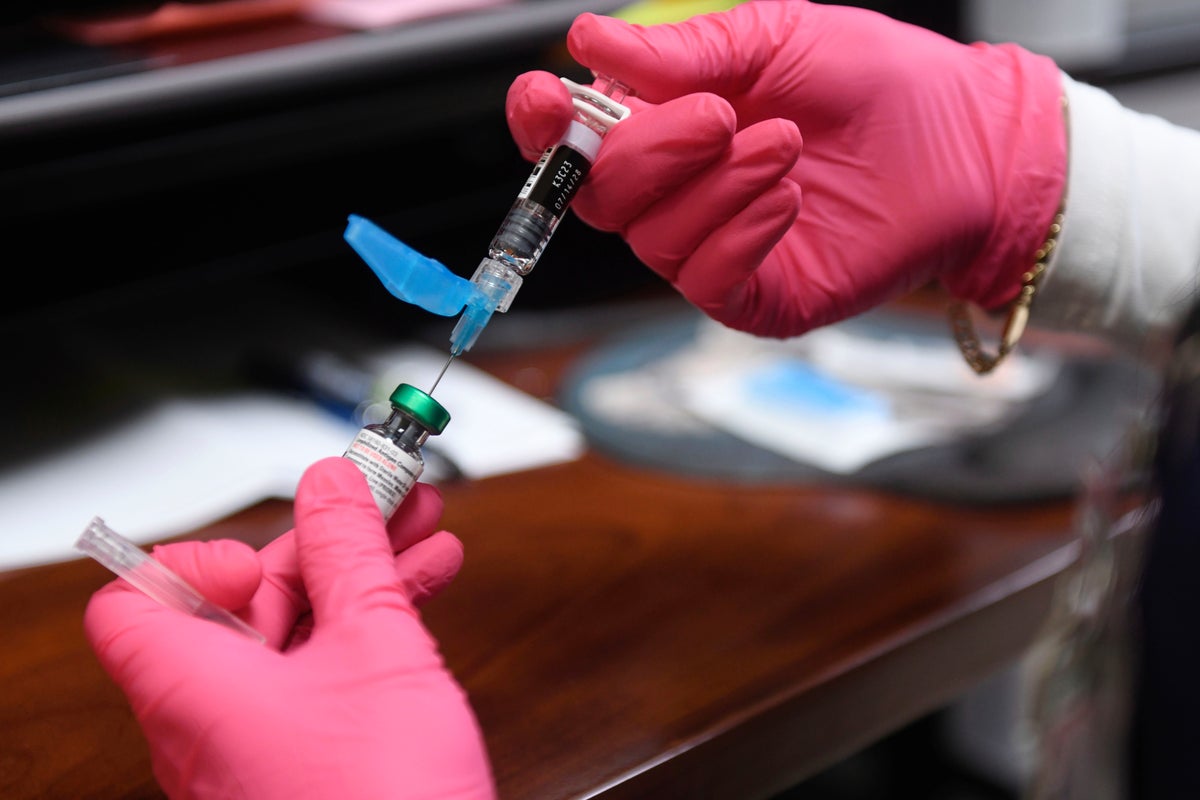
Could a vaccine prevent dementia? Shingles shot data only getting stronger.

Shingles vaccines appear to prevent dementia and slow biological aging, with newer vaccines potentially offering even greater protection than previously documented.
Mental health
fromThe Atlantic
1 month ago

Is It Aging, or Is it ADHD?

Many midlife and older adults are questioning whether cognitive decline is normal aging or undiagnosed ADHD, with approximately 3 percent of people over 50 expected to have the condition.
Science
fromNature
1 month ago

This compound enhances long-term memory of mice - but only in females

Acetate, a metabolic by-product from alcohol, glucose, and fiber breakdown, enhances memory performance in female mice through histone acetylation in the hippocampus.
#alzheimers
fromBuzzFeed
1 month ago
Medicine

This Is The 1 Alzheimer's Symptom You Might Not Expect - Or Worse, Blame Yourself For

fromBuzzFeed
1 month ago
Medicine

This Is The 1 Alzheimer's Symptom You Might Not Expect - Or Worse, Blame Yourself For

Medicine
fromMedscape
1 month ago

Vascular Cognitive Impairment and Dementia

Vascular cognitive impairment and dementia is the second most common dementia form, accounting for 15-20% of cases, and contributes to dementia in up to 75% of cases alongside other neuropathologies.
#vaccination
Science
fromNature
1 month ago

Daily briefing: What we know about autism and ageing - and what we don't

Autism diagnoses among adults are rising while the effects of autism on ageing remain poorly understood.
#dementia
fromSilicon Canals
1 month ago
Public health

The early dementia sign that appears 10 years before diagnosis that most people explain away - Silicon Canals

fromSilicon Canals
1 month ago
Public health

The early dementia sign that appears 10 years before diagnosis that most people explain away - Silicon Canals

Mental health
fromPsychology Today
1 month ago

The Effect of Family History on Brain Injury

Knowing one’s family history and cultural roots is essential to reclaim identity, process grief, and repair relationships after catastrophic brain injury.
fromSilicon Canals
1 month ago

Neurologists reveal the everyday habit that doubles your dementia risk - Silicon Canals

A groundbreaking study found that adults who sit for 10 or more hours daily face a significantly higher risk of dementia compared to those who sit less. The research, which tracked over 50,000 adults using wearable devices, revealed that the risk increases dramatically after crossing that 10-hour threshold.
Health
fromPsychology Today
2 months ago

When Memory Worries Deserve Attention

Most people will forget a name, misplace their phone, or lose track of a conversation at some point. Usually, those moments pass without much thought. But for many adults, especially as they age, small lapses can trigger a much deeper fear: Is this the beginning of cognitive decline? As a neurologist, I hear this concern often. And as a researcher, I have learned something important: Worry about cognition and cognitive disease are not the same thing.
Mental health
fromwww.scientificamerican.com
1 month ago

Alzheimer's blood tests may predict when a person will develop symptoms

But questions remain about the accuracy and uncertainty of these tests, and experts caution that the assays aren't ready for prime time. While the results here are encouraging, they are not yet at the level of having significant clinical benefit for individual patients, says Corey Bolton, a clinical neuropsychologist and an assistant professor of medicine at Vanderbilt University Medical Center, who was not involved in the new study.
Medicine
#menopause
Science
fromwww.scientificamerican.com
2 months ago

How long you live may depend much more on your genes than scientists thought

Heritability of human lifespan roughly doubles to about 50% when extrinsic mortality is removed, showing a stronger genetic influence on intrinsic aging.
Mental health
fromPsychology Today
2 months ago

Global Study Identifies Genetic Links to Depression

Genetic analyses have identified hundreds of variants linked to depression and revealed existing non-psychiatric drugs as potential treatment candidates.
fromSilicon Canals
2 months ago

Women have a brain aging advantage men don't-the silent X chromosome - Silicon Canals

For decades, scientists have observed a consistent pattern: women typically live about five years longer than men and exhibit slower cognitive decline as they age. Now, groundbreaking research from the University of California, San Francisco has uncovered a surprising biological mechanism that may explain this disparity. The discovery centers on what researchers once dismissed as a dormant structure, the so-called "silent" X chromosome that exists in every female cell.
Science
Mental health
fromPsychology Today
2 months ago

Very Different Psychiatric Diagnoses Share Common Genes

Alcohol, cannabis, opioid, and nicotine use disorders share substantial genetic liability and cluster together as a single brain disorder, supporting a unified addiction-liability.
fromwww.theguardian.com
2 months ago

Alzheimer's therapies should target a particular gene, researchers say

New therapies for Alzheimer's disease should target a particular gene linked to the condition, according to researchers who said most cases would never arise if its harmful effects were neutralised. The call to action follows the arrival of the first wave of drugs that aim to treat Alzheimer's patients by removing toxic proteins from the brain. While the drugs slow the disease down, the benefits are minor,
Medicine
Science
fromNews Center
2 months ago

Targeting Key Proteins in Fight Against ALS - News Center

RAD23 controls both degradation and stabilization of misfolded proteins; reducing RAD23 enhances clearance of disease-linked aggregates, offering a therapeutic target for neurodegenerative proteostasis dysfunction.
Medicine
fromHarvard Gazette
2 months ago

An Alzheimer's breakthrough 10 years in the making - Harvard Gazette

Lithium is a natural brain element whose depletion contributes to Alzheimer's and lithium orotate prevented and reversed Alzheimer's pathology and memory loss in mice.
Medicine
fromScienceDaily
2 months ago

The fat you can't see could be shrinking your brain

Fat distribution—especially pancreatic fat and 'skinny fat'—predicts accelerated brain aging and greater risk of cognitive decline independent of overall obesity.
fromSilicon Canals
1 month ago

When to worry about forgetfulness versus when it's just normal aging: a neurologist finally explains clearly - Silicon Canals

You know that moment when you walk into a room and completely forget why you went there? Or when someone you've known for years walks up to you at the grocery store and their name just... vanishes from your brain? Last week, I spent ten minutes searching for my reading glasses while they were sitting on top of my head. My first thought wasn't "oh, silly me." It was "Is this how it starts?"
Medicine
fromNature
1 month ago

Daily briefing: Caffeine might reduce dementia risk and slow cognitive decline

Researchers used data from two health studies to track the caffeine-drinking habits of more than 130,000 people over four decades. They found that drinking 2-3 cups of coffee or 1-2 cups of tea a day was associated with the greatest reductions in rate of cognitive decline, a result that held true even in people with a genetic variant called APOE4, which is associated with Alzheimer's disease.
Medicine
fromwww.bbc.com
2 months ago

The clock is ticking for my five-year-old son with dementia

I woke up and had a panic attack that morning because the next 365 days can be crucial because of what he has got,
Medicine
Medicine
fromThe Atlantic
1 month ago

Their Mutated Genes Were Supposed to Be Harmless

People who carry single-gene mutations for disorders like thalassemia can experience real health effects, including lethargy and fainting, despite being labeled asymptomatic.
fromMail Online
2 months ago

Bacteria found the eyes could drive dementia, experts discover

To make their discovery, researchers examined donated eye tissue from more than 100 people who had died with Alzheimer's, mild cognitive impairment or no signs of dementia. They were looking specifically for C. pneumoniae, because previous research has already linked it to Alzheimer's. The bacteria has also been detected in brain tissue from patients who died with the condition, sometimes found close to the sticky amyloid plaques and tangles believed to drive memory loss and confusion.
Medicine
Medicine
fromHarvard Gazette
1 month ago

New AI tool predicts brain age, dementia risk, cancer survival - Harvard Gazette

BrainIAC, a brain imaging adaptive core, accurately extracts multiple disease risk signals from routine brain MRIs using self-supervised learning and limited training data.
Medicine
fromPsychology Today
2 months ago

Your Brain May Be Healthier Than You Realize

Maintaining cardiovascular health reduces the risk of vascular dementia because arterial plaque and poor cerebral blood flow can cause irreversible brain damage and memory loss.
Medicine
fromBusiness Insider
1 month ago

A brain-training game that takes less than 2 hours a week can reduce your risk of developing dementia by 25%, study finds

Regular online speed training ('Double Decision') reduced dementia risk by about 25% among adults aged 65+ over 20 years.
[ Load more ]