#dr-christina-b-propst
#dr-christina-b-propst
[ follow ]
#adhd #mental-health #psychiatric-diagnosis #neuroplasticity #therapy #dsm #dopamine #psychosis #ptsd #motivation
#adhd

Mindfulness
fromPsychology Today
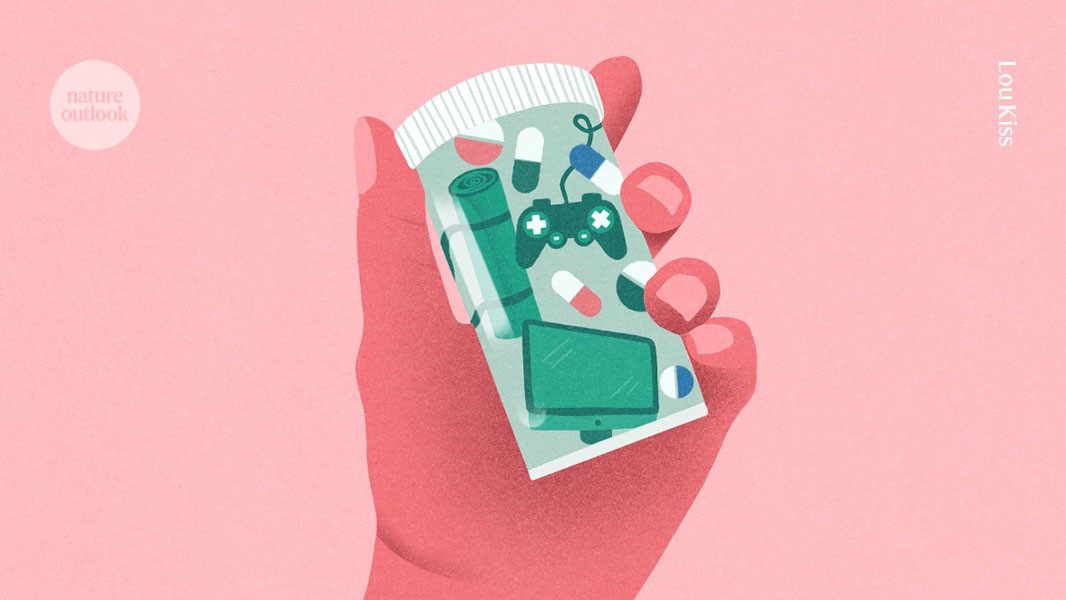
1 week agoCan You Rewire Your ADHD Brain?
ADHD struggles stem from starting and maintaining tasks, where external structure aids focus more than motivation alone.
Science
fromwww.dw.com
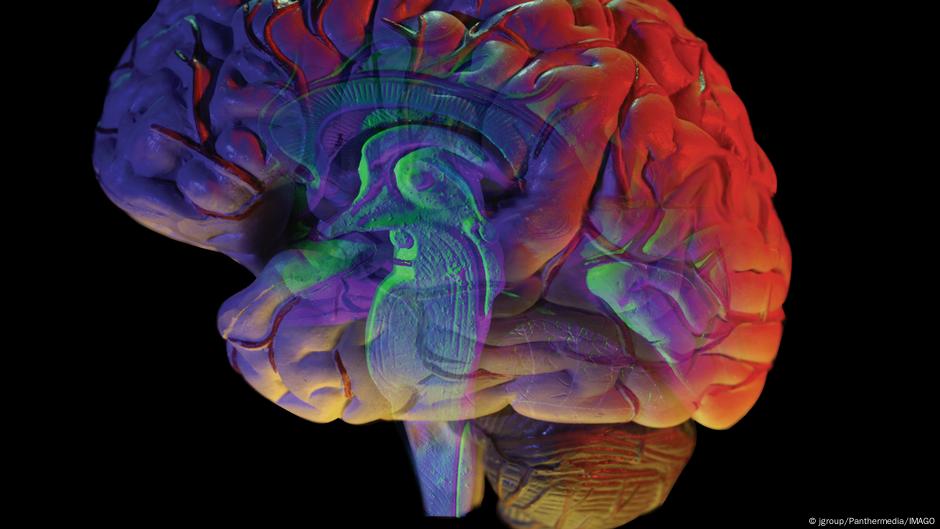
2 months agoUS research shows what ADHD drugs really do and don't do DW 01/10/2026
ADHD stimulant medications primarily stimulate the brain's reward and wakefulness centers rather than directly enhancing attention circuitry, explaining improved motivation and reduced task effort.
fromPsychology Today
4 days agoPeople With Bipolar and BPD Struggle in Mental Healthcare
There is a unique kind of pain in losing your mind, not just once, but over and over. Losing your perception of reality, of your emotions, of your closest relationships-both across months and multiple times a day. Knowing deep down that something is wrong but being unable to stop it.
Mental health
fromApaonline
1 week agoAPA Member Interview, Christian Culak
Currently I'm working on a virtue ethics approach to the issue of whether examples of moral badness should be allowed in machine learning with artificial moral agents. Motivating the side that we should do so is of special interest to me, with a focus on actions that are not wrong yet worse than morally indifferent.
Philosophy



Medicine
fromNews Center
2 weeks agoSchizophrenia Study Finds New Biomarker, Drug Candidate to Treat Cognitive Symptoms - News Center
Northwestern researchers identified a novel schizophrenia biomarker in cerebrospinal fluid that could enable new treatments for cognitive symptoms through a synthetic protein therapeutic approach.
Social justice
fromPsychology Today
1 month agoWhat if Addiction Isn't the Problem?
Addiction's lack of clear definition undermines regulatory efforts against corporations; reframing addiction as a common human state rather than inherently harmful could better address actual harms and protect children from exploitative design.
Medicine
fromwww.npr.org
2 weeks agoSparse evidence for cannabis to treat mental health conditions highlights research gap
A comprehensive review of 45 years of cannabis research finds little to no high-quality evidence supporting marijuana's effectiveness for treating anxiety, depression, or PTSD, despite widespread medical use for these conditions.
Fundraising
fromInside Higher Ed | Higher Education News, Events and Jobs
1 month agoUCLA Health Receives $100M for Mental Health Treatment
The Resnick Foundation donated $100 million to UCLA Health for mental health expansion, including a new neuropsychiatric hospital with increased capacity and acute crisis services.
fromPsychology Today
1 month agoThe Bureaucratization of the Therapist
Psychotherapy and counselling psychology, however, did not emerge from institutional logic. The field was forged within relational, psychoanalytic, and depth-oriented traditions that prioritize lived experience, symbolic meaning, cultural complexity, and human nuance over procedural standardization. Bureaucracy seeks predictability, yet psychotherapy was built upon a disciplined engagement with uncertainty.
Miscellaneous
fromThe Washington Post
2 weeks agoJudith Rapoport dies at 92. Her best-selling book introduced readers to OCD.
Judith L. Rapoport, the head of child psychiatry at the National Institute of Mental Health, published 'The Boy Who Couldn't Stop Washing,' a best-selling book that helped bring wide attention to OCD.
Mental health
Mental health
fromPsychology Today
2 weeks agoCan Hyperbaric Oxygen Treat Psychiatric Disorders?
Hyperbaric oxygen therapy improves PTSD, depression, anxiety, and cognitive impairment by restoring cellular energy, reducing neuroinflammation, and stimulating neuroplasticity through oxygen pressurization and cycling.
fromPsychology Today
1 month agoHow Science Is Learning to Explore Ground Truth
Some clinicians have an uncanny quality. A colleague describes herself and others with this instinct as "witchy"-a capacity to know things about patients they haven't said yet, to follow a stray association to a song lyric or a half-remembered cultural reference and arrive, reliably, at something the patient urgently needed to say but couldn't reach on their own. We see with artificial intelligence these intriguing possibilities for discovery, especially as connections that human beings never would see pop out of apparently unrelated data.
Science
fromPsychology Today
1 month ago3 Common Cognitive Patterns Experienced by People With ADHD
Polyvagal theory, introduced in 1994 by psychologist Stephen Porges, highlights the role of the autonomic nervous system in regulating our health and behavior. Our lived experience of engaging with the world is impacted by external environmental cues, internal physical sensations, and relational experiences (e.g., an impression of connection, safety, and trust between individuals). Neuroception is our body's unconscious surveillance system that shifts us into one of three autonomic states needed to respond to a situation: rest-and-digest (social and safe), fight-or-flight (mobilization), or shutdown/collapse (immobilization).
Psychology
Mental health
fromSlate Magazine
3 weeks agoI Underwent "Conversion Therapy" as a Child. As a Psychiatrist, I Know How Professionally Derelict It Is.
States may regulate licensed therapists' conduct to prevent conversion therapy, which medicine deems fraudulent and harmful, protecting children from identity-changing treatments.
fromPsychology Today
2 months ago'It Was Just an Accident'... Until It Wasn't
The movie opens with a brief prologue. A family is driving at night. They hit something on the road, which turns out to be a dog, and the dog dies. The daughter in the back seat is visibly upset. The mother consoles her by saying, "It was just an accident-Dad didn't do it on purpose." Then the title appears, and the main story begins.
Film
fromPsychology Today
1 month agoYou Want a Clinician Who Treats You as Person
Evidence Based Medicine was formalized in the 1990s, largely by Canadian physician David Sackett. Sackett described the goal of EBM is to replace hunches and habits with data and clinical trials. Clinical guidelines were developed involving protocols that tell doctors which drug to prescribe first, what dose to use, when to escalate treatment, and when to refer a patient to a specialist.
Medicine
fromPsychology Today
1 month agoThe Deception of Depression
Depression is insidious. For people suffering from depression, joy is elusive. Depression is not only a general feeling of sadness or being down and out. It is a serious condition and needs attention. People suffering from depression cannot just get over it and move on. They need support, healing, and to discover the epicenter of their pain.
Mental health
Mental health
fromPsychology Today
1 month agoHow Should You Pick a Therapist? What Should You Consider?
Approach initial therapy meetings as interviews to assess therapist fit, checking online presence for red flags and ensuring they specialize in your specific needs rather than claiming expertise in all areas.


fromwww.theguardian.com
1 month agoPsychiatric drugs aren't always the answer | Letter
Yes, there has been a shocking lack of progress in developing transformative psychiatric medicine (We need new drugs for mental ill-health, 5 February), but this may be because in mental health, drugs are not always the answer (see, for example, Richard P Bentall's Doctoring the Mind). Huge progress has been made in the effectiveness of talking therapies for example, free effective treatment for post-traumatic stress disorder (PTSD) is available to all UK army veterans through the charity PTSD Resolution.
Mental health
fromwww.mercurynews.com
2 months agoStanford's noninvasive brain treatment for depression proves helpful
Summer passed Valerie Zeko by when she was 27, as she vegged out on the couch watching TV instead of seeing friends or exploring the overcast beach near her house. She later learned that period was her first episode of depression. I felt like the fog was in my head as well as outside, said Zeko, now 57, describing the mood disorder that would squelch her happiness, motivation and self-esteem for 28 years until she finally found effective treatment.
Mental health


fromPsychology Today
1 month agoMore on Low-Dose Sublingual Ketamine
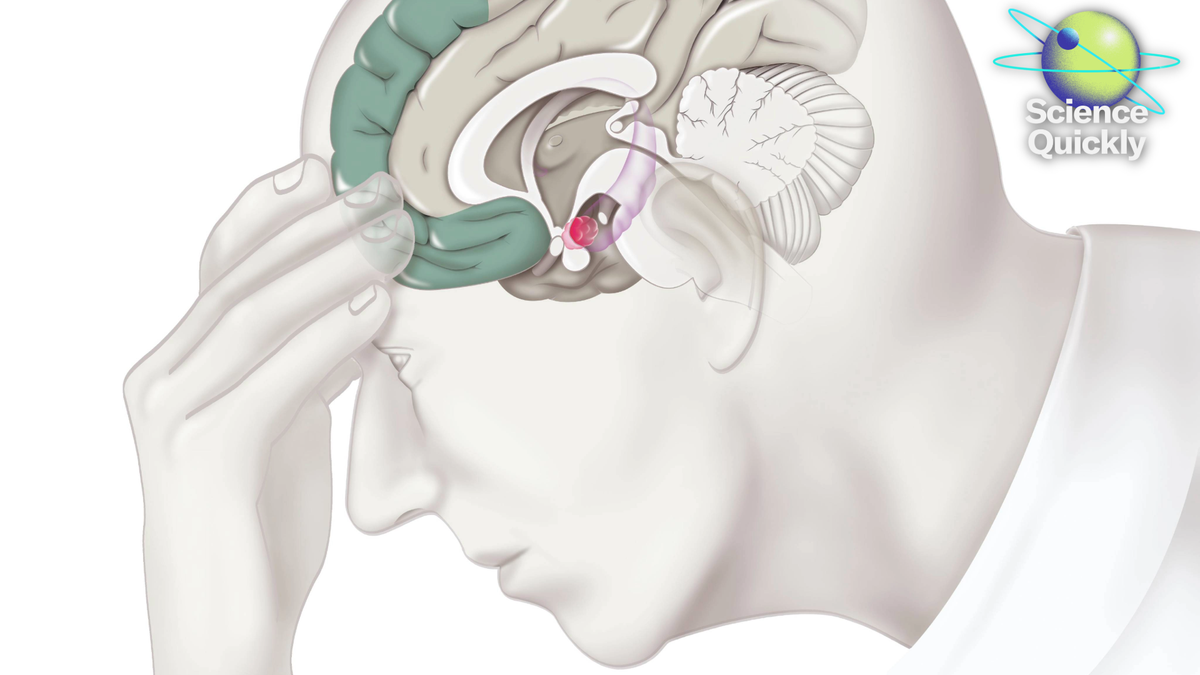
The standard explanation is that ketamine blocks NMDA receptors. These receptors bind glutamate, which is a chemical messenger found throughout the brain and body. By blocking NMDA receptors, ketamine increase "brain-derived neurotrophic factor" (BDNF), a protein which I refer to as "Miracle-Grow for the brain." BDNF promotes neuroplasticity-which is the growth of new connections (synapses) in the brain. This has traditionally been viewed as the primary mechanism responsible for ketamine's therapeutic benefits. But ketamine does so much more!
Mental health
fromPsychology Today
2 months agoWhen Memory Worries Deserve Attention
Most people will forget a name, misplace their phone, or lose track of a conversation at some point. Usually, those moments pass without much thought. But for many adults, especially as they age, small lapses can trigger a much deeper fear: Is this the beginning of cognitive decline? As a neurologist, I hear this concern often. And as a researcher, I have learned something important: Worry about cognition and cognitive disease are not the same thing.
Mental health
fromPsychology Today
2 months agoThe Depression Clinicians Don't Talk About
They arrive on time, think clearly, and care about their clients. Outwardly, everything seems fine. In private, though, things can feel very different. A clinician's depression may not show up as clear despair. More often, it feels like emotional numbness, quietly withdrawing, or slowly losing interest in things that once mattered. Pleasure fades, curiosity lessens, and the work goes on, but it feels heavier and less alive.
Mental health


fromPsychology Today
2 months agoTo Medicate or Not To Medicate Your Child or Teenager
Every day, many thousands of parents across the U.S. face the difficult question of whether to place their child or teenager on a psychotropic medication. Receiving a diagnosis of a mental disorder can be scary and confusing, for the youth as well as their parents/caretakers. What is ADHD? Depression? Anxiety? OCD? Bipolar? What are the available treatments? Do we have to use medications to treat the symptoms?
Mental health
[ Load more ]