#economic-crisis
#economic-crisis
[ follow ]
#iran-protests #iran #protests #cuba #human-rights #venezuela #us-sanctions #us-intervention #us-iran-tensions
Agriculture
fromIrish Independent
5 days ago'If action is not taken, this will escalate' - MEP on potential M50 blockade by hauliers and contractors due to rising fuel costs
Soaring diesel prices threaten food production and the economy, prompting urgent calls for government action to address the crisis.

#cuba


World news
fromenglish.elpais.com
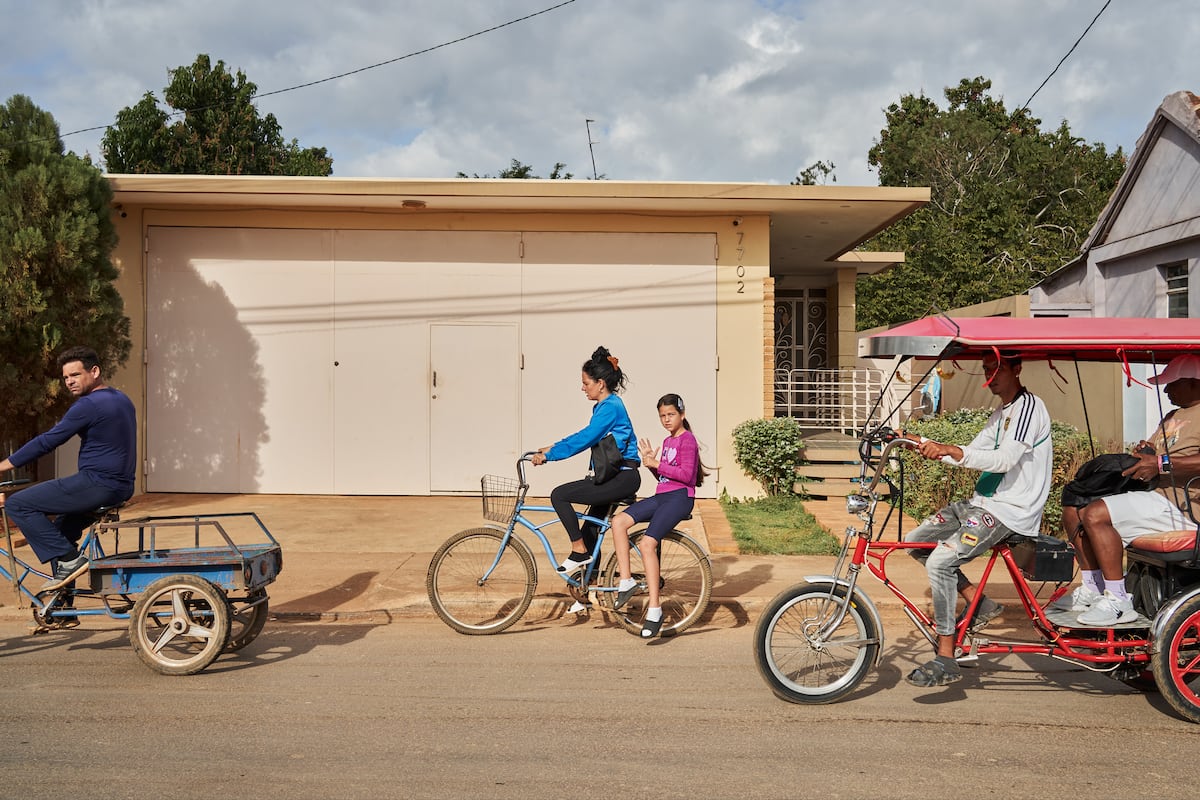
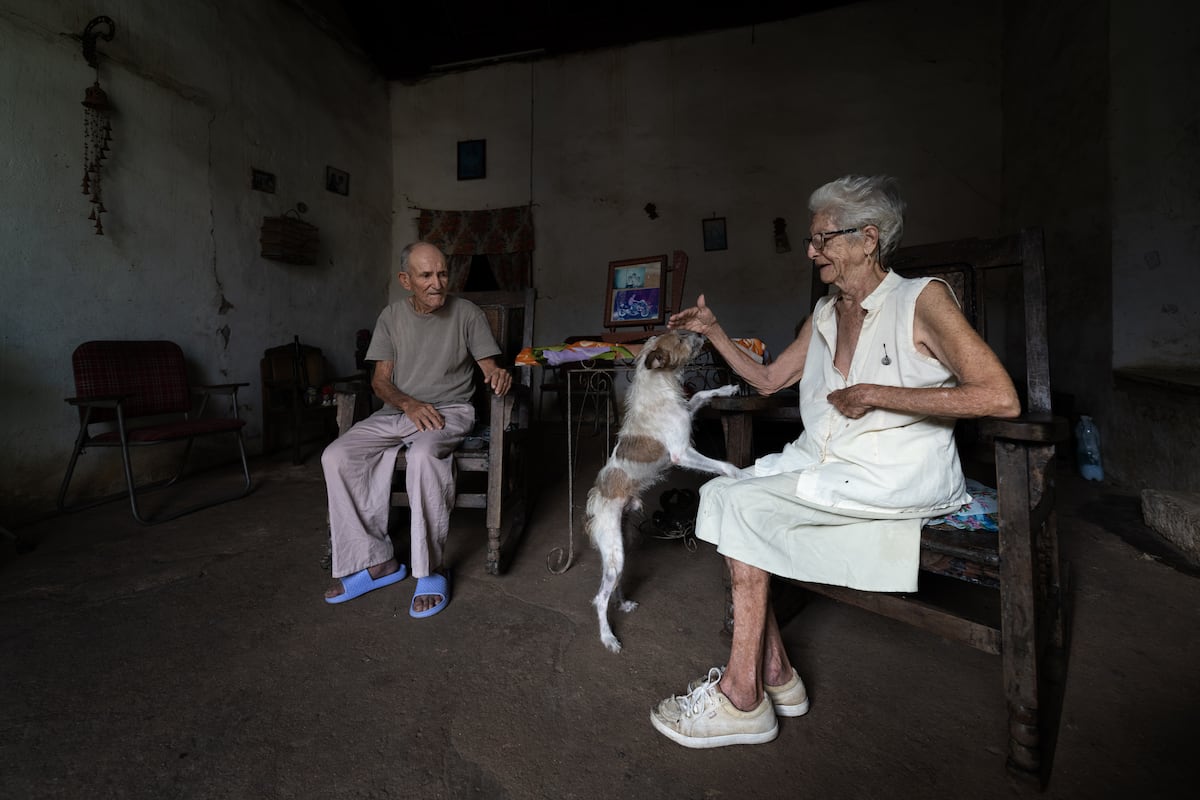
1 month agoBeing retired in an exhausted Cuba: You can't tell people we're going to live off what we produce. What on earth do we produce?'
Cuba's compounded fuel, economic, and social crisis forces retirees and citizens to improvise survival amid dwindling state support and long-standing political disillusionment.

Agriculture
fromLondon Business News | Londonlovesbusiness.com
1 week agoFarmers hit by diesel and fertiliser shock as Iran war threatens fresh food inflation - London Business News | Londonlovesbusiness.com
Britain's farmers face a cost crisis due to soaring fuel and fertiliser prices, raising concerns about food inflation.
fromenglish.elpais.com
1 week agoMore poverty, less travel and fewer jobs: what the world would be like with oil at $200
Fatih Birol, president of the International Energy Agency, warned that the war in Iran is the greatest threat to energy security in history, with analysts describing the situation as an Armageddon.
World news


#cuba-protests
World news
fromwww.theguardian.com
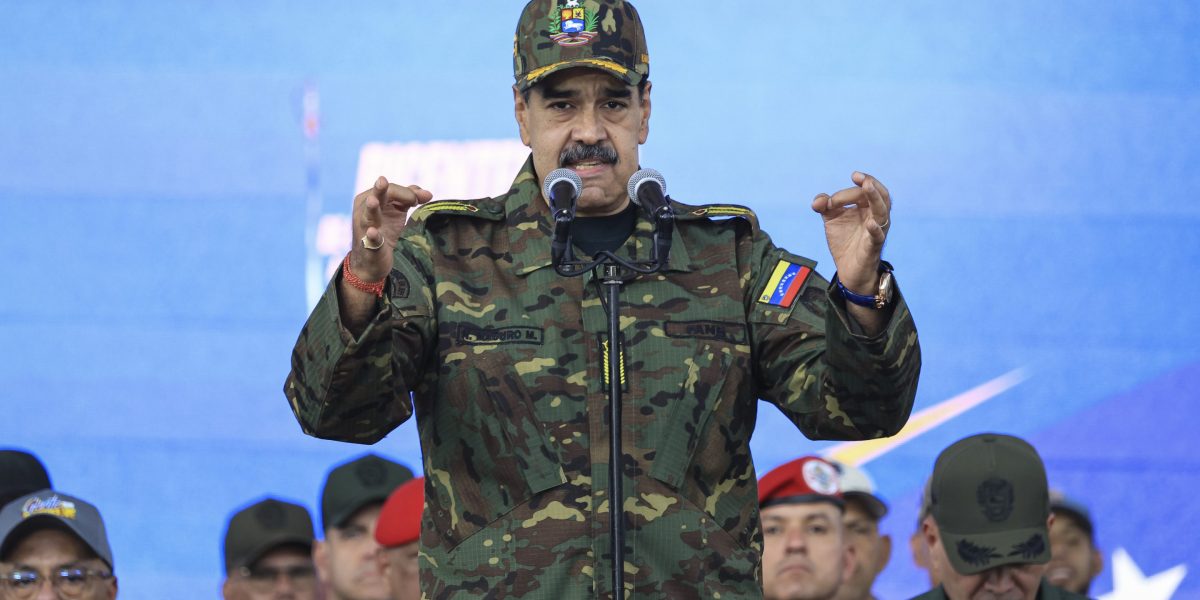
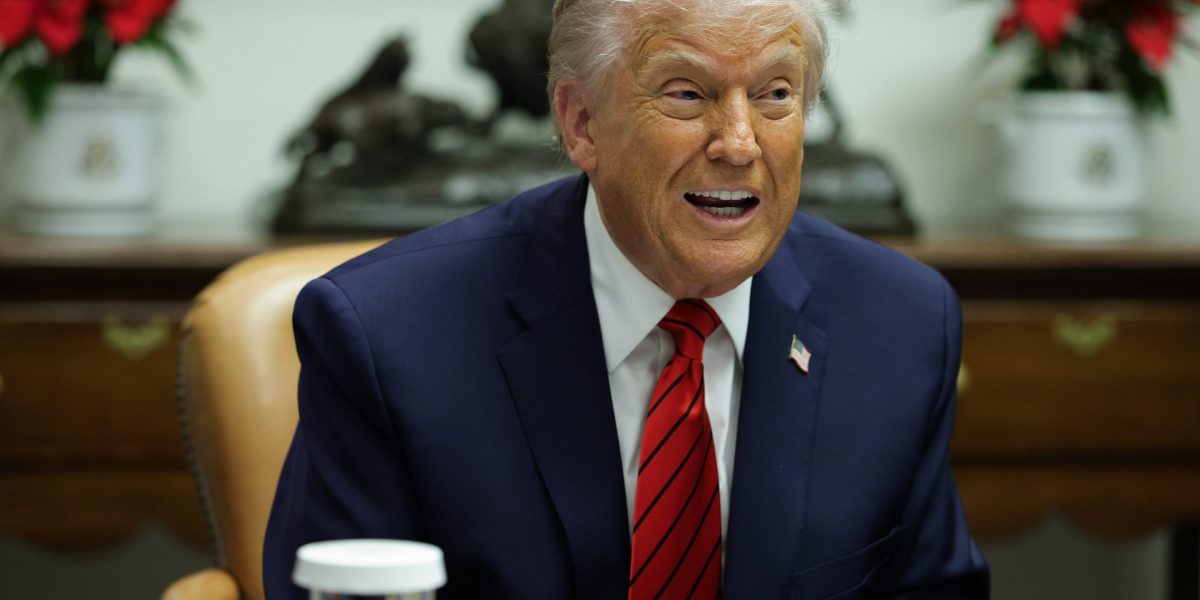
2 weeks agoFive arrested in Cuba after protest at local Communist party office
Five people arrested in Cuba after protesters vandalized a Communist Party office in Moron, setting fires and destroying property amid widespread discontent over food, medicine shortages, and power blackouts.
fromenglish.elpais.com
3 weeks agoCuba's collapse in the age of influencers: Staying here should be a source of pride, not a sacrifice'
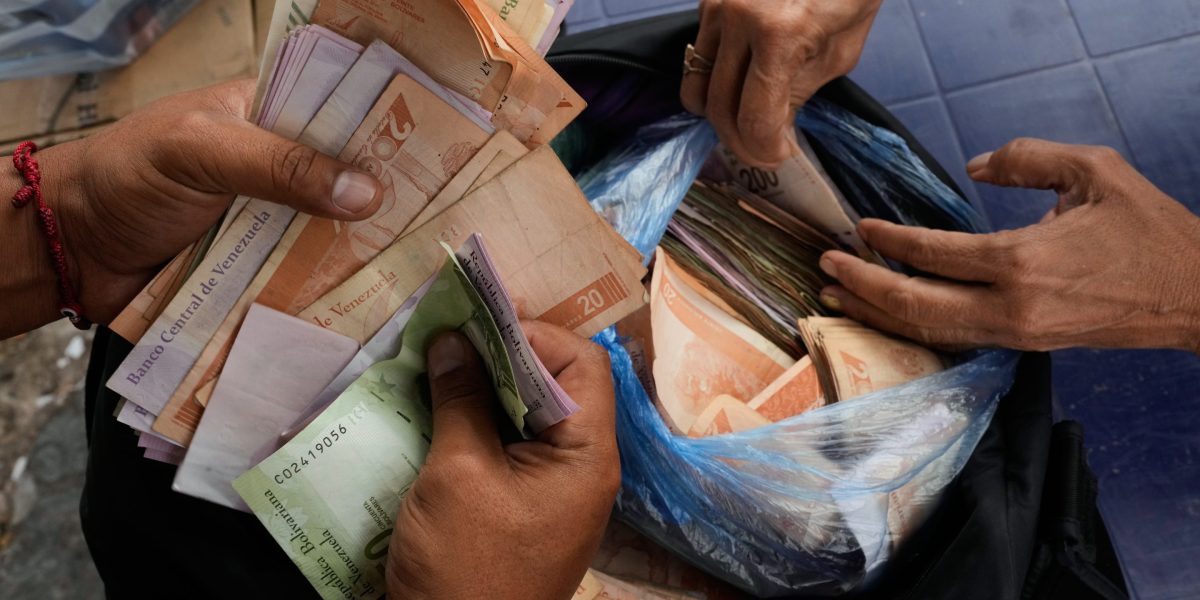
She explained that she was facing bureaucratic hurdles in obtaining her degree to qualify as a senior technician in dental prosthetics. And, even with the diploma, it would be difficult to survive on a monthly salary of 3,000 pesos (about $6). In Cuba, she said, you have to be a magician to survive the nonexistent transportation, the inflation, the corruption, [or] the fact that the country is operating with a currency that not everyone can access.
Social justice
fromwww.cbc.ca
1 month agoWhy the U.S. cutting off Cuba's oil supply is dooming its tourism industry | CBC News
For decades, Cuba's tourism sector has enjoyed a reputation as an "economic locomotive" a term used by authorities who saw it as the lifeblood of the Caribbean island country's economy. But the industry has been in decline since its 2018 peak, and the U.S. government's squeeze on Cuba's oil supply has pushed the nation's most crucial industry closer to its breaking point.
World news





fromenglish.elpais.com
2 months agoHavana pulses with jazz despite blackouts and Trump's threats
Cuba has long been under the effects of a perfect storm that shows no signs of abating. In addition to constant power outages, the high cost of living, persistent unsanitary conditions in the streets, and a tangled economic crisis that Cuban authorities seem incapable of resolving, there are now direct threats from Donald Trump's administration, aimed at the Castro regime which has been in power for nearly 70 years.
Miscellaneous


World news
fromwww.theguardian.com
2 months agoHistory will tell': as US pressure grows, Cuba edges closer to collapse amid mass exodus
Cuba is experiencing a rapid population collapse driven by long-term US embargoes, economic crisis, failing public services, political repression, and mass youth emigration.
World politics
fromFortune
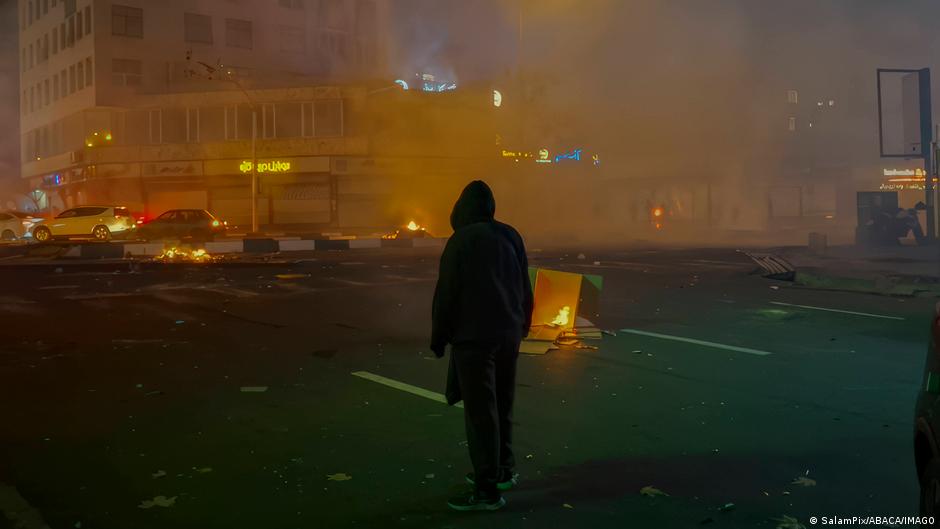
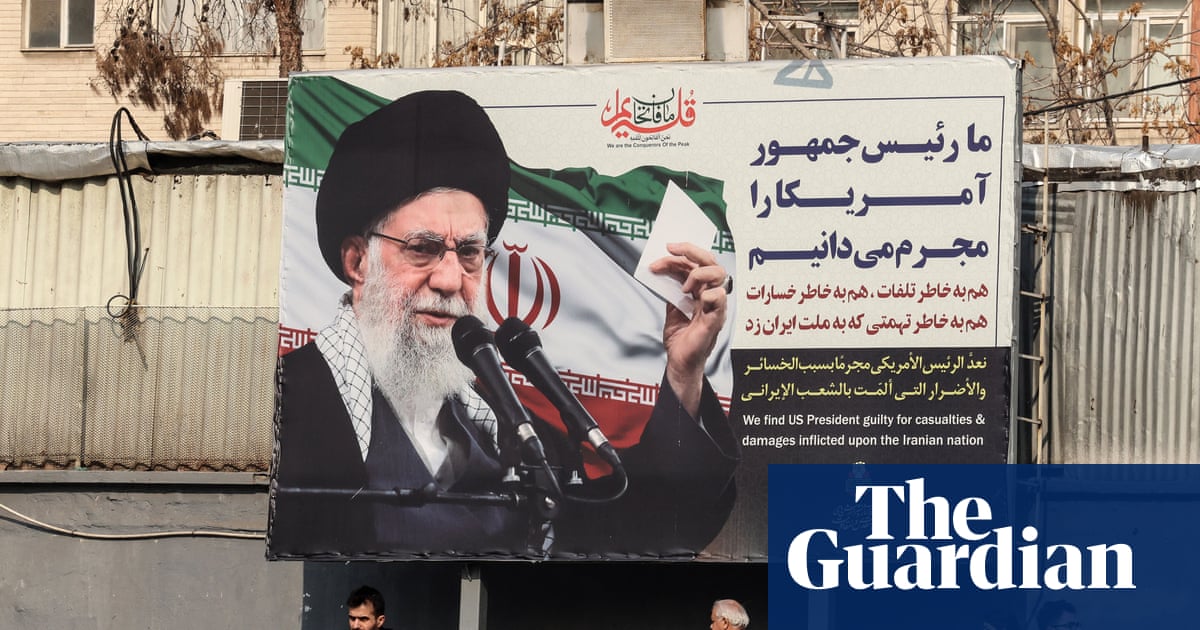
2 months agoIs Iran next for Trump? A currency collapse, energy crisis and water shortage have exploded into unrest against the regime | Fortune
U.S. threats and recent military actions coincide with escalating unrest and severe economic crises in Iran, including currency collapse, inflation, and energy shortages.
fromwww.theguardian.com
3 months agoPutin should have accepted Trump's deal. Now Russia's collapsing economy could lead to his downfall | Simon Tisdall
Vladimir Putin is systematically ruining his country. His war of choice in Ukraine is an economic, financial, geopolitical and human calamity for Russia that worsens by the day. For his own murky reasons, Donald Trump, another national menace, offered him a lifeline last week. Yet Putin spurned it. These two fools deserve each other. On the table in Moscow was a peace deal that, broadly speaking, rewarded Russia's aggression by handing over large chunks of Ukrainian land, compromised Kyiv's independence
World politics


fromwww.cbc.ca
4 months agoANALYSIS | Are Canadians going to get behind Mark Carney's 'generational' budget? | CBC News
"Generational" is the Carney government's adjective of choice at this moment of consequence. The word appeared 11 times in the prepared text of Francois Philippe-Champagne's budget speech and another 45 times in the 493-page budget document. It is a word apparently meant to speak to both the gravity of the country's situation and the bigness of this government response. "This is not a time for small plans," Champagne writes in the budget's foreword.
Canada news
[ Load more ]