#ecosystems-mission-area
#ecosystems-mission-area
[ follow ]


fromNature
5 days agoNow is the time for scientific societies to guide global research
Modern scientific societies are increasingly vulnerable due to their dependence on membership fees and journal subscriptions, which are being challenged by the rise of virtual networking and open-access publishing.
Science
fromTheregister
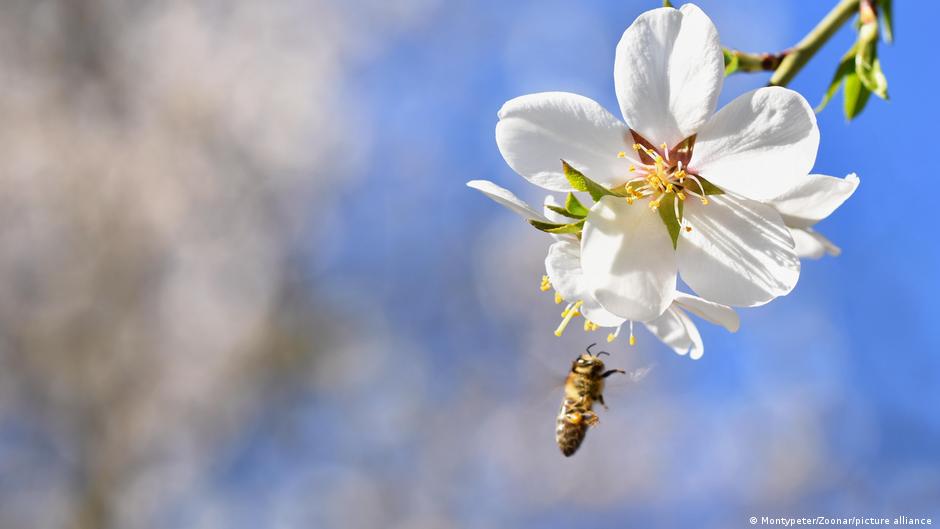
5 days agoBees and hummingbirds get trace alcohol from nectar
A study by researchers at the University of California Berkeley has found that ethanol is surprisingly common in floral nectar, the sugary fuel that keeps pollinators alive. Yeast feeding on those sugars produces trace amounts of alcohol, and in this study, it showed up in 26 of the 29 plant species sampled.
Beer
fromwww.scientificamerican.com
1 day agoSee these ziti-sized fish scale a 50-foot waterfall
During major floods, thousands of tiny fish convene at Luvilombo Falls in the upper Congo River Basin to undertake a peculiar vertical migration, described for the first time today in Scientific Reports.
OMG science


fromArs Technica
6 days agoHow new fishing tech can reduce bycatch of turtles and other creatures
"There are not very many conservation issues that I'm aware of where industry and conservationists and consumers and the fishermen and the resource users all want the same thing. Every stakeholder wants less bycatch."
Pets
fromMail Online
3 days agoBritain has just 20 years to save its wildlife, experts warn
'Our results show that the next 20 years are critical,' lead author Dr Rob Cooke told the Daily Mail. 'By around 2050, we reach a point where the choices we make on emissions and land use will largely determine whether Britain moves towards a much more degraded or a much more nature‑positive future.'
Environment
fromNextgov.com
3 days agoCitizen Science Month 2026 is about more than just stargazing
Citizen Science Month is built around a goal of 2.5 million 'Acts of Science,' tying the annual event to America's 250th birthday through a simple but powerful idea: lots of small contributions can add up to something really meaningful.
OMG science
fromwww.kaltblut-magazine.com
2 weeks agoThe Climate Crisis
At a young age, I learned quickly how oil wealth and power could burn the land while people struggled. I saw heat rise off the streets, the Nile strained, and the air thickened with injustice. In my teenage years, through Aotearoa, being on the edge of the Pacific, I felt the ocean breathing heavy, swallowing the shores of islands that have done the least to cause this harm.
Photography
Design
fromArchDaily
2 weeks agoRethinking Architecture at the Scale of Planetary Systems
Contemporary architecture operates within interconnected technological systems—energy networks, data infrastructures, and global logistics—that fundamentally shape what can be built, its affordability, performance, and waste production.

Non-profit organizations
fromwww.theguardian.com
2 weeks agoWe cannot replace USAID, but we can do big things': conservation plots a future without American money
Liberia's eco-guard program, funded by USAID, faces collapse after the Trump administration dismantled the agency, threatening forest conservation and wildlife protection in one of Africa's most biodiverse regions.
fromwww.theguardian.com
2 weeks agoSmall changes in how we garden can make a big difference to birds | Letter
Around a third of UK gardeners use pesticides, and our studies found that house sparrow numbers, for example, were nearly 40% lower in gardens where the pesticide metaldehyde was used. By reducing pesticide use, you can actively encourage birds back into your outdoor spaces, as they rely on invertebrates such as slugs and snails as natural prey.
Pets
Agriculture
fromEarth911
2 weeks agoConvenience Comes at the Environment's Expense
Fast delivery convenience carries significant environmental costs through packaging waste, carbon emissions, and resource consumption, but individual yard management choices can meaningfully reduce environmental impact at a local scale.
fromwww.scientificamerican.com
3 weeks agoThe surprising science behind why daylight saving time is good for wildlife
Animals' risk of becoming roadkill depends on several factors, including how many vehicles are on the road, how many animals are on the road, and how animals and human drivers behave, explains Tom Langen, a professor of biology at Clarkson University, who studies animal-vehicle collisions. DST can minimize these collisions, however.
Pets
fromFast Company
1 week agoBeach cleanups can save the lives of marine animals. This calculator tells you exactly how many
If you enter the amounts of different types of plastic that you clean up into the Wildlife Impact Calculator, it will tell you how many animal lives would have been at risk, had those items made their way into the ocean and been ingested.
Environment
Social justice
fromNature
1 month agoMy professor said 'Black people are not interested in the environment'. I set out to prove him wrong
Dorceta Taylor pioneered research, programs, and leadership to document and advance racial diversity, inclusion, and environmental justice within environmental science and conservation.
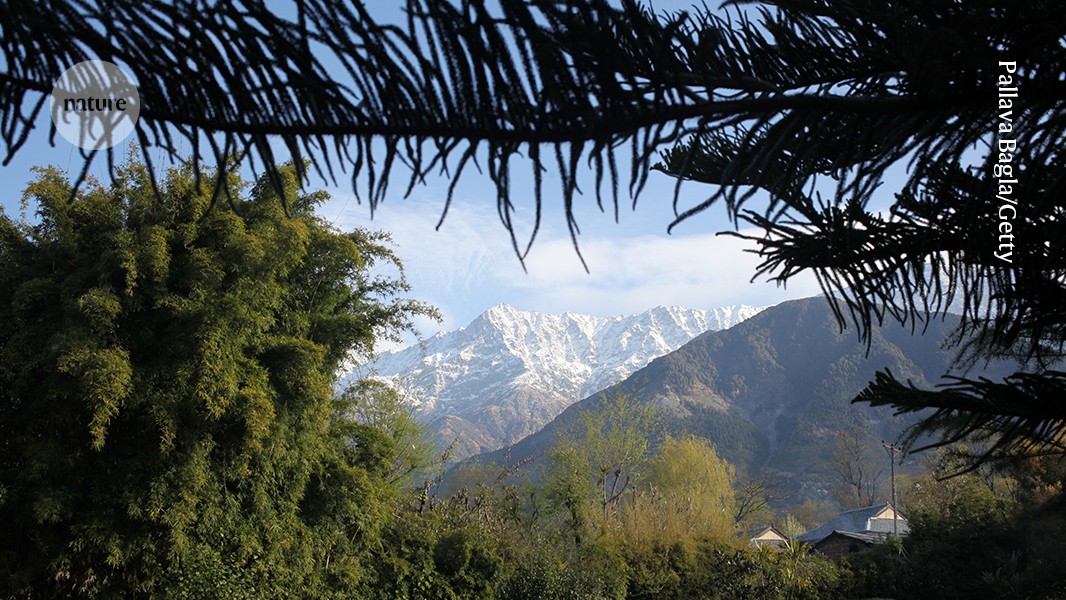
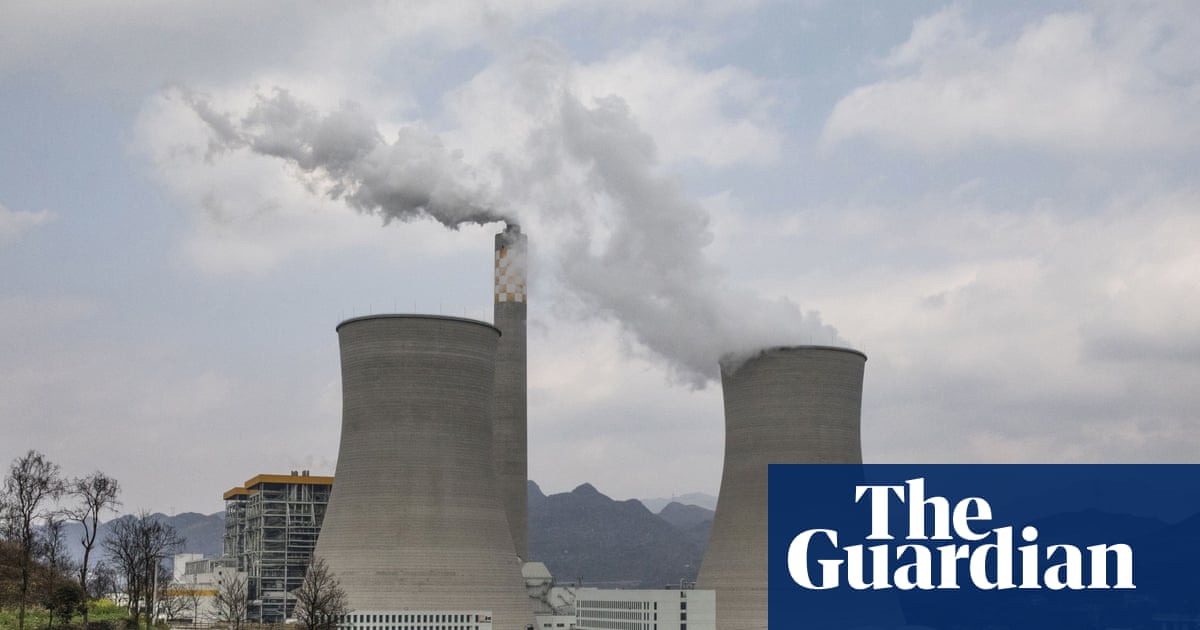
fromMindful
1 month agoCan Compassion Save the Planet?
When British author Karen Armstrong won the TED prize in 2008, she used the money to convene a group of religious thinkers from a wide range of faiths to craft an updated version of the Golden Rule for the 21st century. What emerged was the Charter for Compassion, which calls on people around the world "to work tirelessly to alleviate the suffering of our fellow creatures, to dethrone ourselves from the center of our world and put another there, and to honor the inviolable sanctity of every single human being, treating everybody, without exception, with absolute justice, equity and respect."
Philosophy
fromwww.theguardian.com
4 weeks agoHumanity heating planet faster than ever before, study finds
Climate breakdown is occurring more rapidly with the heating rate almost doubling, according to research that excludes the effect of natural factors behind the latest scorching temperatures. It found global heating accelerated from a steady rate of less than 0.2C per decade between 1970 and 2015 to about 0.35C per decade over the past 10 years.
Environment
fromwww.theguardian.com
2 months agoPesticides may drastically shorten fish lifespans, study finds
Signs of ageing accelerated when fish were exposed to the chemicals, according to the study, which could have implications for other organisms. Chemical safety regulations tend to focus on short-term exposure to high doses of pesticides and other chemicals, but the study focused on long-term exposure. Low doses of pesticides are widespread in the environment, so their effects should be studied and understood, the authors said.
Science
Environment
fromwww.theguardian.com
1 month agoAustralian wildlife in harm's way' with volunteers left to pick up the pieces' amid climate crisis, fires and floods
Labor is urged to establish national wildlife protection standards for disaster response, with advocates warning biodiversity risks could become irreversible without coordinated government-funded rescue and rehabilitation services.
Environment
fromwww.mercurynews.com
1 month agoOpinion: AI is destroying our planet. We must act to check its growth and save ourselves.
AI's environmental impact is severe, with 2025 freshwater consumption exceeding global bottled water use and projected energy demands by 2034 matching India's entire consumption, requiring immediate action.
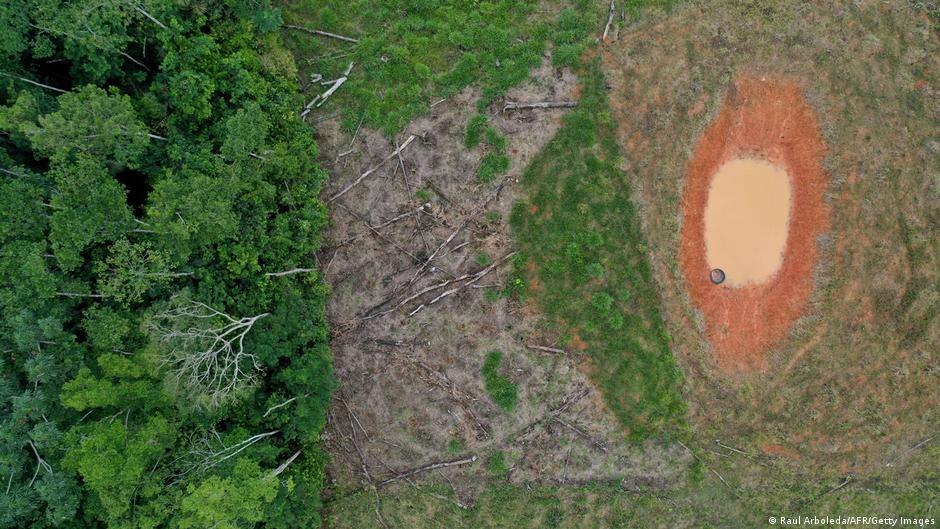
fromNature
2 months agoTo improve resilience to climate change, track what endures
When the category-5 storm Hurricane Melissa struck Jamaica in October, its path crossed communities that had varying levels of preparedness. Many with maintained coastal protections, upgraded drainage and reliable early-warning systems had power and water restored in days. Others were immobilized for weeks.
Environment
[ Load more ]