#editorial-failures
#editorial-failures
[ follow ]
#journalism #fact-checking #misinformation #layoffs #press-freedom #artificial-intelligence #local-news



fromwww.theguardian.com
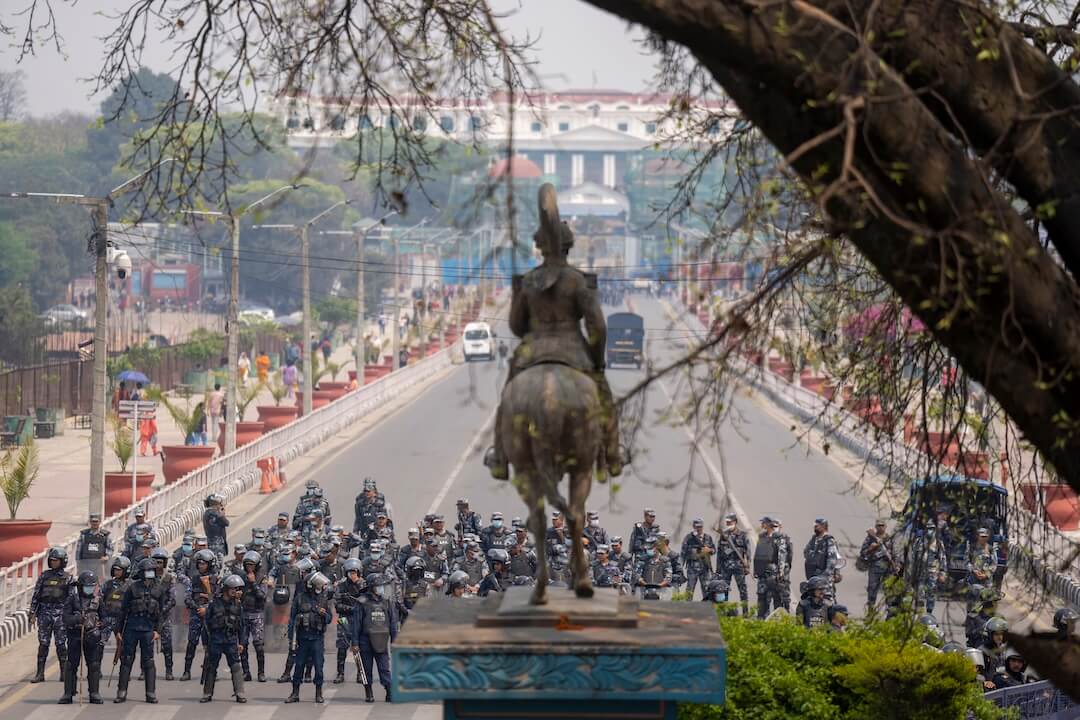
1 day agoVoters in Wales failed by inaccurate UK media reports on devolved issues, study finds
Prof Stephen Cushion stated that news reporting failing to differentiate between the UK's devolved governments neglects audiences' constitutional needs. He emphasized that issues like housing and healthcare are governed differently in Wales, which is often invisible in UK-wide news.
UK politics

#ai-in-journalism


Media industry
fromFuturism
4 weeks agoManager at Associated Press Tells Journalists That Resistance to AI Is Futile
Associated Press AI strategy manager advocates aggressive newsroom AI integration, claiming resistance is futile, sparking internal staff backlash over automation replacing human journalism.
fromwww.theguardian.com
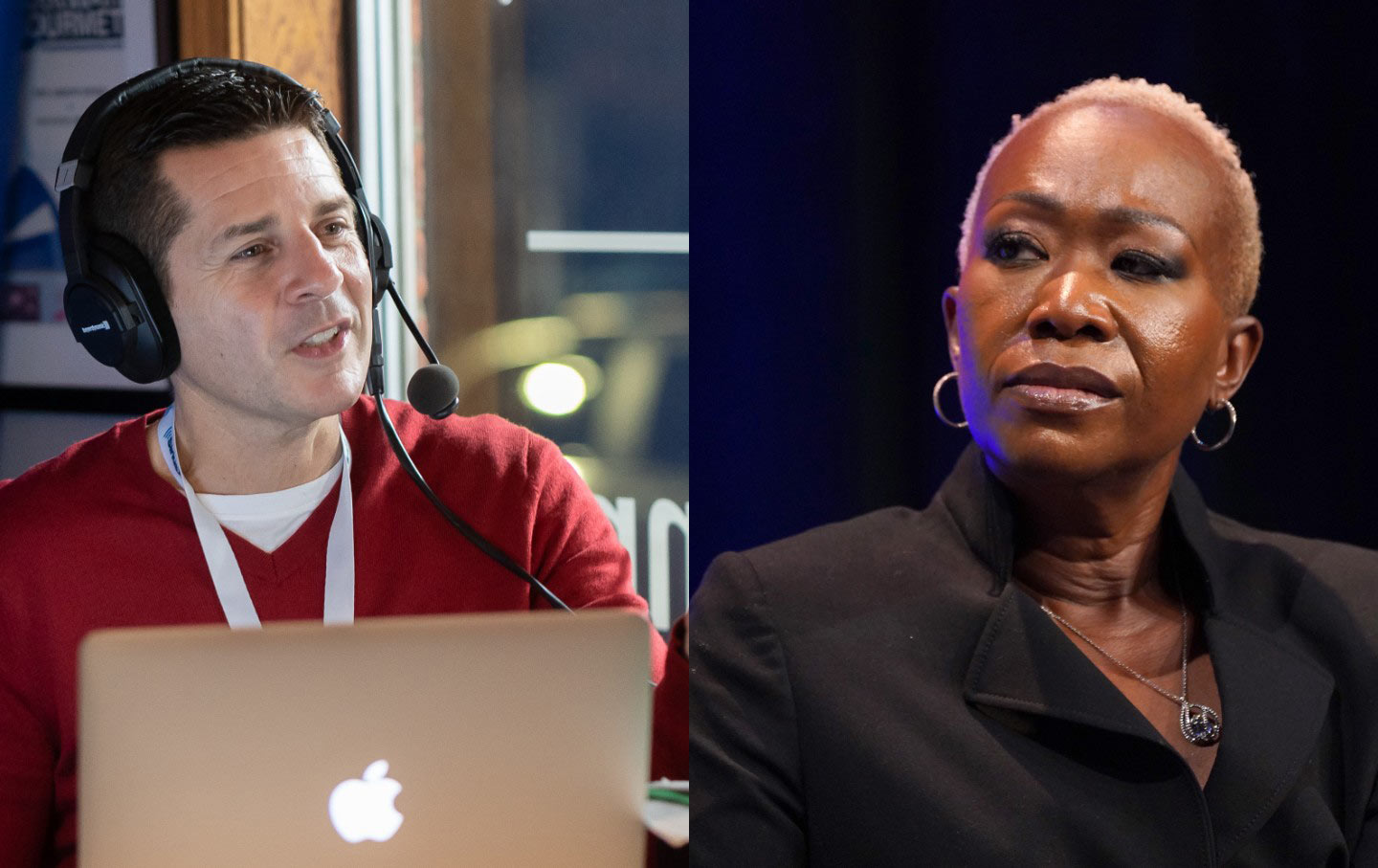
4 days agoEx-Alex Jones employee reflects on job at Infowars: It was nonsense. It was lies'
Owens described how Infowars aimed to create a cinematic experience, stating, 'We would go out there, we would shoot videos like we were in the weeds, we were showing what was really going on. But it was nonsense. It was lies.'
Media industry
Left-wing politics
fromemptywheel
1 month agoUntrustworthy - emptywheel
The Trump presidency undermines institutional trustworthiness through contradictory policies, selective law enforcement, and politicization of federal agencies, eroding confidence in U.S. government institutions domestically and internationally.
US politics
fromwww.mediaite.com
1 month agoCNN's Pamela Brown on a Scary Time' for Journalism: Do People Care About the Facts Like I Do?'
Pamela Brown positions herself as a vessel for others, prioritizing understanding over attention while covering emotionally intense stories and examining Christian nationalism's political influence.
fromwww.mediaite.com
2 weeks agoThe New York Times Hires Editor Who Reportedly Covered Up His Pal's Child Porn Scandal
Shachtman, then serving as the top editor at the publication, reportedly instructed Siegel not to turn in a story with the words child pornography in it; and then took advantage of Siegel leaving work to tend to her dying mother by going back on an agreement to note that the FBI raid pertained to possible criminal behavior outside the scope of Meek's work in her article, according to an NPR investigation.
Media industry
Media industry
fromwww.mediaite.com
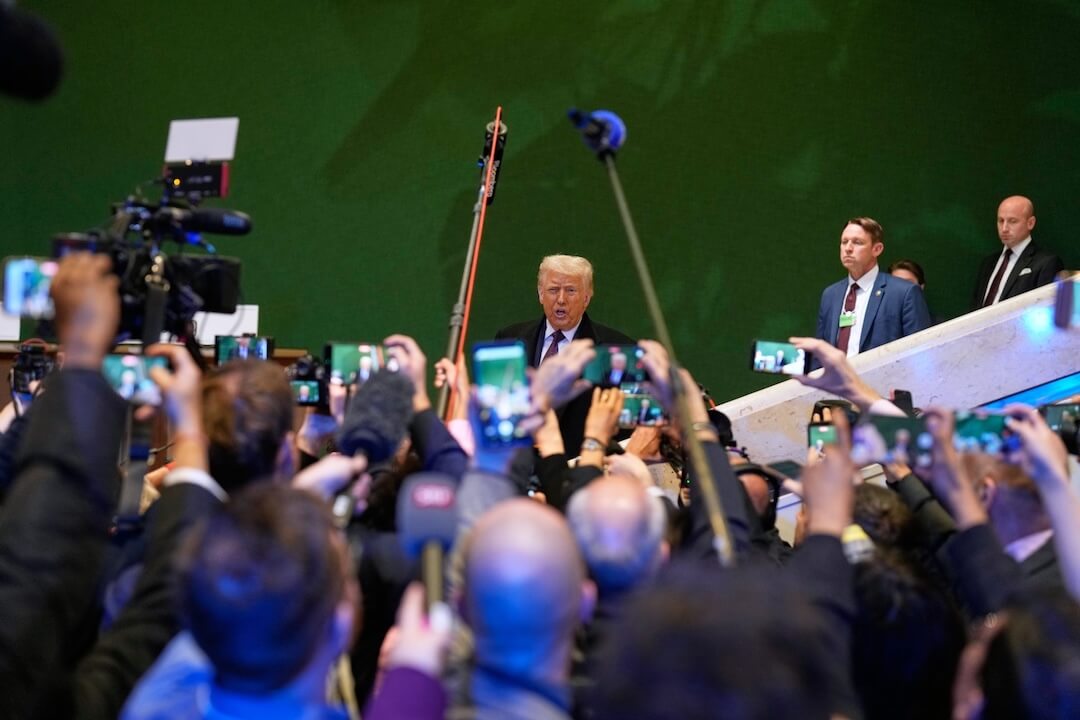
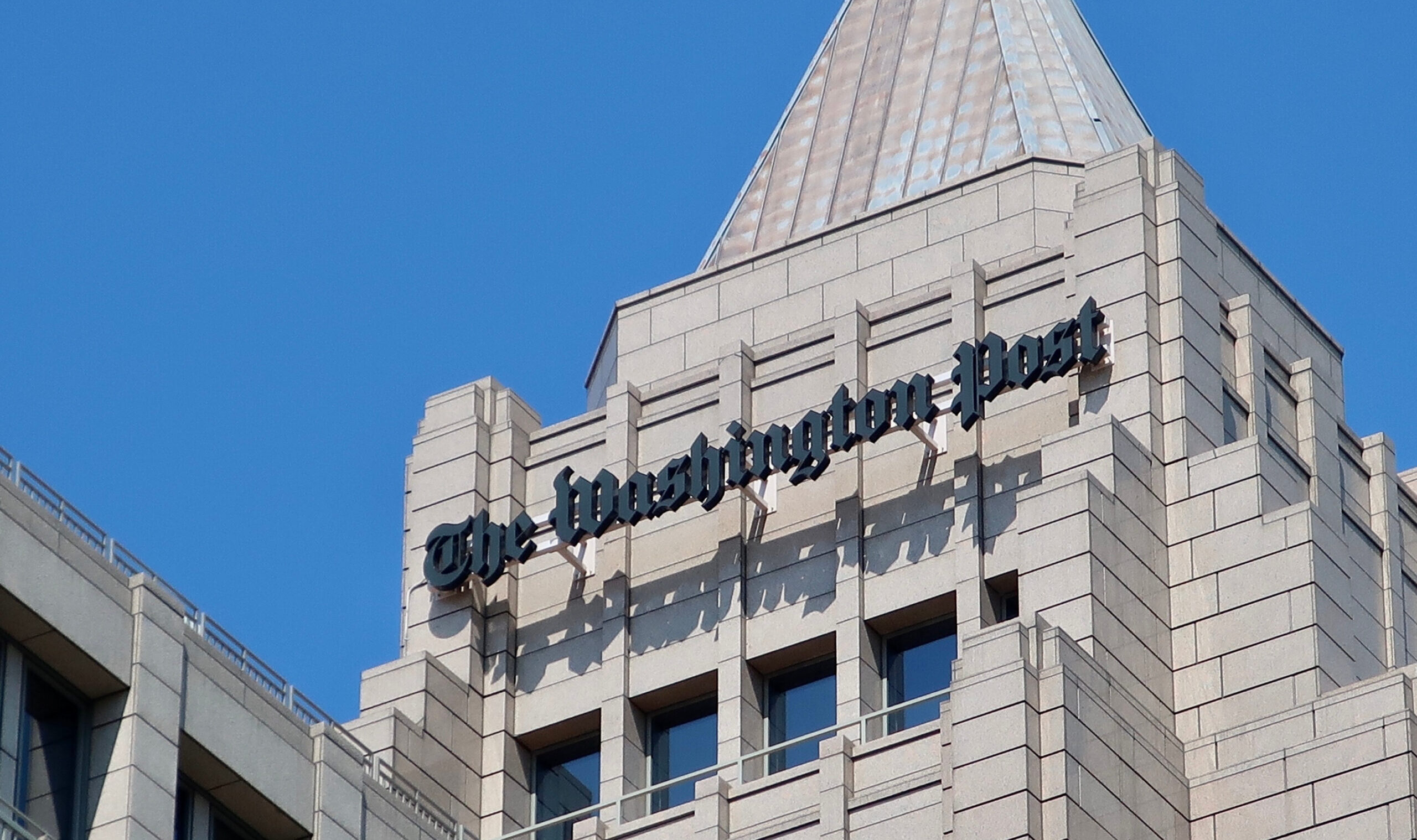
2 weeks agoWashington Post Staffer Announces Exit in Fiery Post: Faith In Leadership Broken Beyond Repair'
Washington Post chief economics correspondent Jeff Stein and columnist Dana Milbank are leaving the newspaper due to leadership concerns, joining a new venture backed by Politico founder Robert Allbritton.




fromJezebel
1 month agoWhen AI Tools Yield Bad Journalism, Who Is Held Accountable?
A reporter at Ars Technica, whose beat was specifically reporting on AI, was fired after it turned out that a piece he had co-authored contained quotes fabricated by the AI tools he was using. Ars Technica has subsequently retracted the original story entirely, publishing an editor's note, stating that it was 'a serious failure of our standards,' but that they believe it to be an 'isolated incident.'
Media industry
Media industry
fromNieman Lab
1 month agoNew York Times runs in-house ad asking listeners to "support any news organization dedicated to original reporting"
New York Times publisher A.G. Sulzberger released his first-ever advertisement encouraging people to support any news organization dedicated to original reporting, not just the Times, to address the shrinking news industry.
fromwww.mediaite.com
1 month agoThe Washington Post Disaster is an Indictment of Both Publishers and Society
The shocking diminishment of The Washington Post, which has just announced it is cutting a third of its staff, is not just another story of a great paper succumbing to algorithms, social media, and the march to idiocracy. In their zeal to be seen as fair and evenhanded, journalists tend to accept the common criticism that they failed to adapt that, basically, they didn't produce enough viral TikTok videos. There's some truth to that, but the main problem lies elsewhere.
Media industry
fromPoynter
1 month agoWant to be a better editor? Start here. - Poynter
"Editing is as much about knowing and growing your team as it is about elevating their copy," said Kathleen McGrory, an editor with The New York Times Local Investigations Fellowship. "As an editor, a key part of your job is understanding what makes your reporters tick and helping them reach their goals beyond any one story. It requires open communication, deep trust and really listening."
Media industry
fromNieman Lab
1 month agoMany people who live in "local news deserts" don't feel deprived of local news, study finds
The industry's attempts to educate consumers "[seem] to largely have gone unheard," Amy Mitchell, then Pew's director of journalism research (she now heads the Center for News, Technology, and Innovation) said in a briefing at the time. "There's really a disconnect there between the public's knowledge and understanding about the industry and how it's functioning, compared with what we see in headlines day in and day out about budget cuts and revenue declines."
Media industry
fromPoynter
2 months agoJournalists should prepare to defend their right to report the news - Poynter
The arrests of journalists Don Lemon and Georgia Fort on Friday signal an increasing willingness for the federal government to criminalize newsgathering activities. While the legal merits of those arrests have yet to be tested, they are a red flag for journalists and newsroom leaders everywhere. Given the speed and unpredictability of recent federal actions - including the seizure of a Washington Post reporter's equipment earlier this month - every newsroom must prepare now to defend its right to report the news.
Media industry
fromIntelligencer
2 months agoInside the Washington Post's Existential Meltdown
The ostensible reason for the layoffs is that the Post, like many other newspapers, is losing money. But unlike other newspapers, the Post is also in the midst of a demoralizing destruction of its brand that has alienated hundreds of thousands of subscribers and left even its staff unsure what the paper is trying to do, both journalistically and business-wise.
Media industry
[ Load more ]