Education
fromFuturism
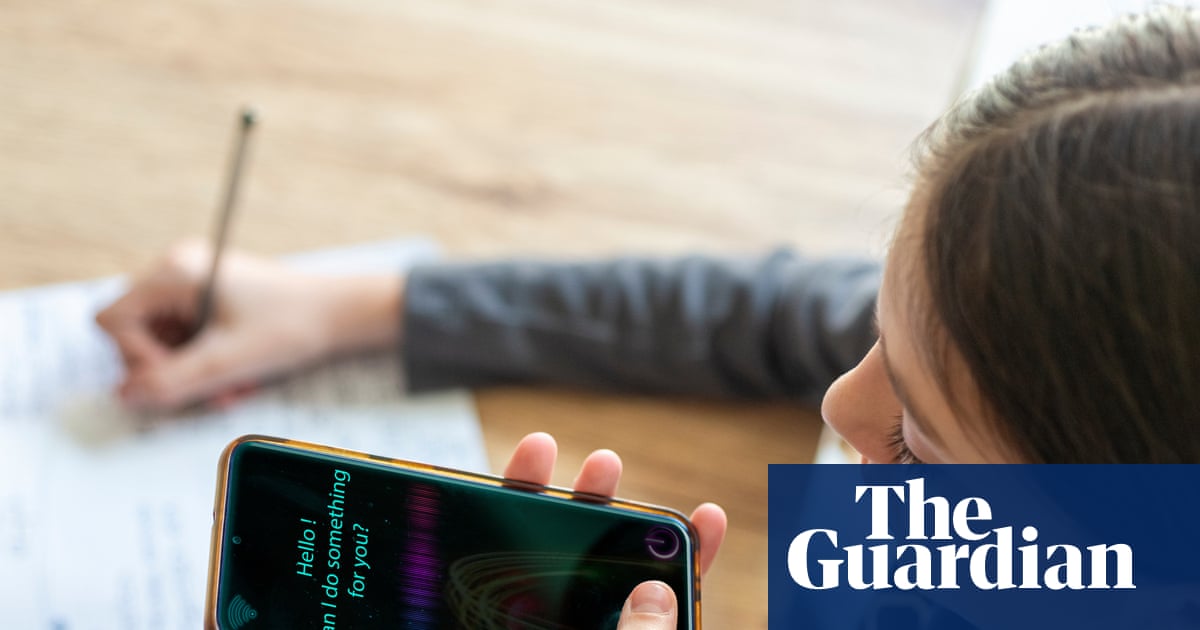
23 hours agoAI Forces College Professor to Get Typewriters for Entire Class
Typewriters in class encourage students to engage more with each other and the learning process, contrasting with modern digital distractions.
"Singapore is in a very unique position because they face a lot of land constraints, so there are few ways for them to generate their own renewable energy. Singapore is pushing for integrated energy systems throughout ASEAN, so that renewable energy produced in other countries can be brought back to Singapore. There's a very distinct, coordinated effort for countries to come together to work on climate change and energy security in a way that I haven't really seen."
Modern scientific societies are increasingly vulnerable due to their dependence on membership fees and journal subscriptions, which are being challenged by the rise of virtual networking and open-access publishing.
Research has shown there is a reading for pleasure crisis among children in the UK, where enjoyment of books has fallen to its lowest level in two decades. Not so here at Christ Church primary, a tiny Church of England school tucked behind the maze of HS2 construction works in Camden, north London, where children fizz with excitement about books.
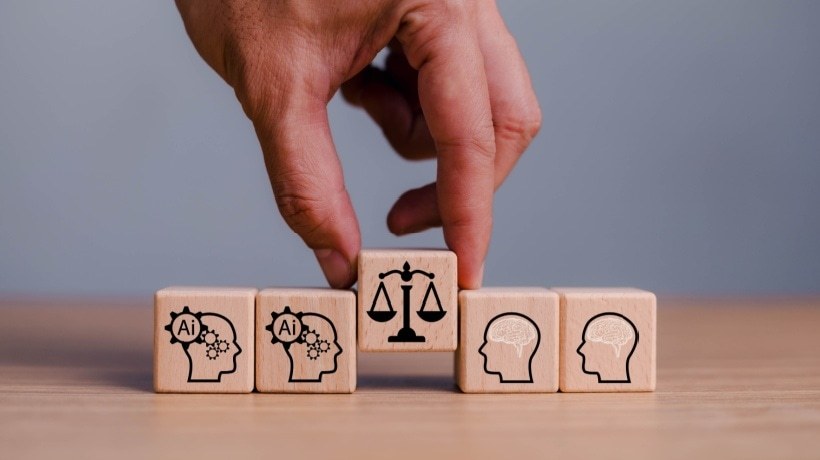
Bias risks: AI can amplify inequalities, like mislabeling non-native English writing as AI-generated. Privacy concerns: Schools face rising cyberattacks, and data misuse risks are high. Accountability: Human oversight is crucial to prevent over-reliance on AI.
This is a striking decision at a moment when public confidence in higher education is eroding. It is also puzzling because rigorous research and evaluation have demonstrated, over and over, the value of the work of centers for teaching and learning, including positive impacts on student learning outcomes, institutional effectiveness and faculty development.
This idea was based on the parallel between the pluck and elan that are characteristic of both the early-college students I worked with and that of America's hardest-working founding father. Five years after I wrote the book, I had the opportunity to revisit the field for a revised edition, making it appropriate to ask, after Thomas Jefferson's song in the second act of Hamilton, "What'd I Miss": How has early college/dual enrollment changed over the past half decade?
Learning today doesn't usually look broken. It looks like a well-run treadmill, always on, always moving, quietly exhausting everyone. New initiatives, new tools, new priorities. New "must-have" skills. Even when learning is thoughtfully designed, there's a nagging sense that nothing sticks because nothing gets a chance to. People finish the course, grab the badge, and move on to the next thing before the last thing has had time to show up in how they work.
The most exciting moments for a teacher come when students stumble onto something unexpected-when they run to my office to tell me about a new twist in their thinking about birds in Sula or the discovery of yet another biblical reflection in Housekeeping. Those revelations come only when they survey the text as it is, not as they assume it to be.
Education has long been understood as a cornerstone of social development, shaping not only individual futures but also the collective capacity of societies to respond to change. Observed annually on 24 January, the International Day of Education invites reflection on the role education plays in addressing global challenges and sustaining social progress. As the world confronts overlapping challenges, from technological transformation to deepening inequalities, the question of how education is imagined, governed, and experienced has become increasingly urgent.