#elif-shafak
#elif-shafak
[ follow ]
fromwww.theguardian.com
3 weeks agoA new wave of defiance: the Turkish film-makers standing up to autocracy
Ilker Catak's Yellow Letters and Emin Alper's Salvation, two politically outspoken films that examine Turkish president Recep Tayyip Erdogan's autocratic regime, shared the top prizes at this year's Berlinale: the Golden Bear for Catak and Silver for Alper. These striking works share a lot more. Both titles are co-produced by Liman, an indie film company from Turkey.
Film
Women in technology
fromenglish.elpais.com
4 weeks agoMalala: Reading a book alone in her room is an act of resistance for an Afghan girl'
Malala advocates for recognizing the systematic erasure of women in Afghanistan as gender apartheid, seeking legal classification during UN negotiations on crimes against humanity.
fromDefector
1 month agoYoko Tawada Is A Genius In Any Language | Defector
The best argument I can make for why I like reading fiction in translation is because it facilitates the psychedelic experience of encountering someone else's subjectivity twice over. The translator must act as a prismatic filter, faithfully attempting the impossible task of replicating someone else's experiences and ideas. To read in translation is to read two stories in harmony with each other: The one the author wants to tell and the one the translator has brought into your linguistic world.
Writing
fromwww.theguardian.com
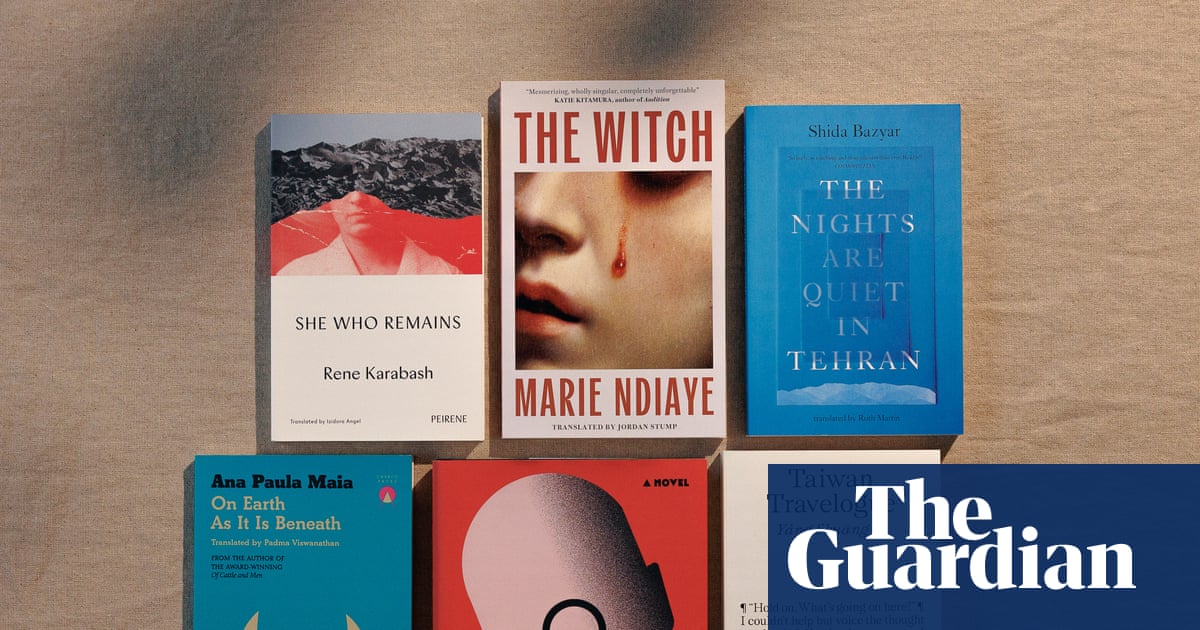
2 weeks agoThis month's best paperbacks: David Szalay, Han Kang and more
Tracking a river through a cedar forest in Ecuador, Robert Macfarlane comes to a 30ft-high waterfall and, below it, a wide pool. It's irresistible: he plunges in. The water under the falls is turbulent, a thousand little fists punching his shoulders. He's exhilarated. No one could mistake this for a dying river, sluggish or polluted. But that thought sparks others: Is this thing I'm in really alive? By whose standards?
Books
Writing
fromDefector
1 month agoWhat I Learned From My Annoyingly Long Correspondence With "Elena Ferrante" | Defector
An AI-generated scam email impersonating Elena Ferrante used phrases from published book descriptions to deceive an author, revealing how AI can convincingly mimic famous writers while containing telltale signs of fabrication upon scrutiny.
fromThe Atlantic
1 month agoVigdis Hjorth's Family Secrets
Her writing tends to be classified as virkelighetslitteratur, or "reality fiction," and for good reason. Hjorth makes Norway sound like a small town-the sort of place where your neighbors know you're home if they can see your footsteps in the snow-and the overlap between her life and work has more than once been the literary version of tabloid news there.
Books
France news
fromwww.theguardian.com
1 month agoI felt betrayed, naked': did a prize-winning novelist steal a woman's life story?
The Goncourt prize win intensified tensions between France and Algeria, revealing political repression, Western Sahara disputes, and effects on publishing and cultural exchange.
fromwww.dw.com
1 month agoBook by mass rape survivor Gisele Pelicot tells her story
An officer showed her images of a woman being sexually assaulted. At first, she did not realize the woman in the photos was herself. Investigators discovered over 20,000 images of non-consensual sex. For 10 years, Dominique Pelicot repeatedly drugged his wife and, through the dark web, recruited men from their neighborhood to rape her while she was unconscious. He committed this abuse at least 200 times.
France news
fromenglish.elpais.com
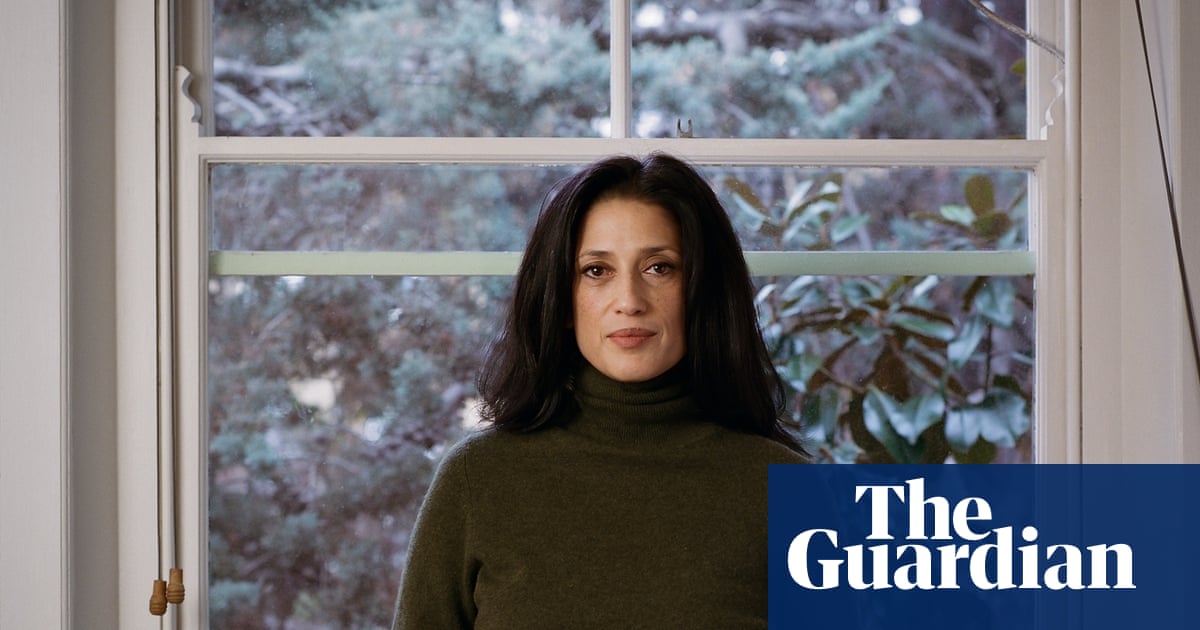
1 month agoKiran Desai, the author who disappeared for 20 years: I think of loneliness as sustenance, as shame and as political fear'
She moved before the pandemic, when gentrification with its huge skyscrapers and condominiums forced her out of Dumbo, Brooklyn. Between the kitchen and the upstairs room, in one corner of which lie part of the 5,000 pages of notes she took while writing it, Desai finished The Loneliness of Sonia and Sunny, the monumental, 19thcenturystyle novel she has spent nearly two decades on.
Books
fromThe New Yorker
2 months agoSadia Shepard on Loss, Faith, and the Web Between Stories
I think there's a deep loneliness to her life that cohabiting with her brother kept at bay-and, now that he's gone, she is forced to face it. As more of Kim's letters are delivered, Helen becomes invested in the narrative they form, as if she were piecing together a puzzle, one that, in some ways, echoes her own past. Kim's family is Muslim, from Pakistan.
Books
Books
fromwww.theguardian.com
1 month agoThe True True Story of Raja the Gullible (and His Mother) by Rabih Alameddine review drag fabulousness in war-torn Beirut
Buoyant, camp novel follows Raja, a gay philosophy teacher and drag performer, and his mother through Lebanon's crises, turning trauma into resilient, joyful storytelling.
[ Load more ]