#emergency-department-staffing
#emergency-department-staffing
[ follow ]
#healthcare #nhs #patient-safety #bma #patient-care #hospital-capacity #strike #pay-dispute #emergency-departments
fromwww.bbc.com
3 days agoDoctors lose new jobs package as strike to go ahead
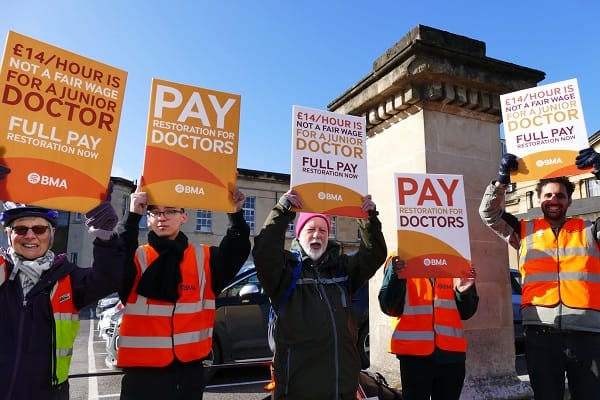
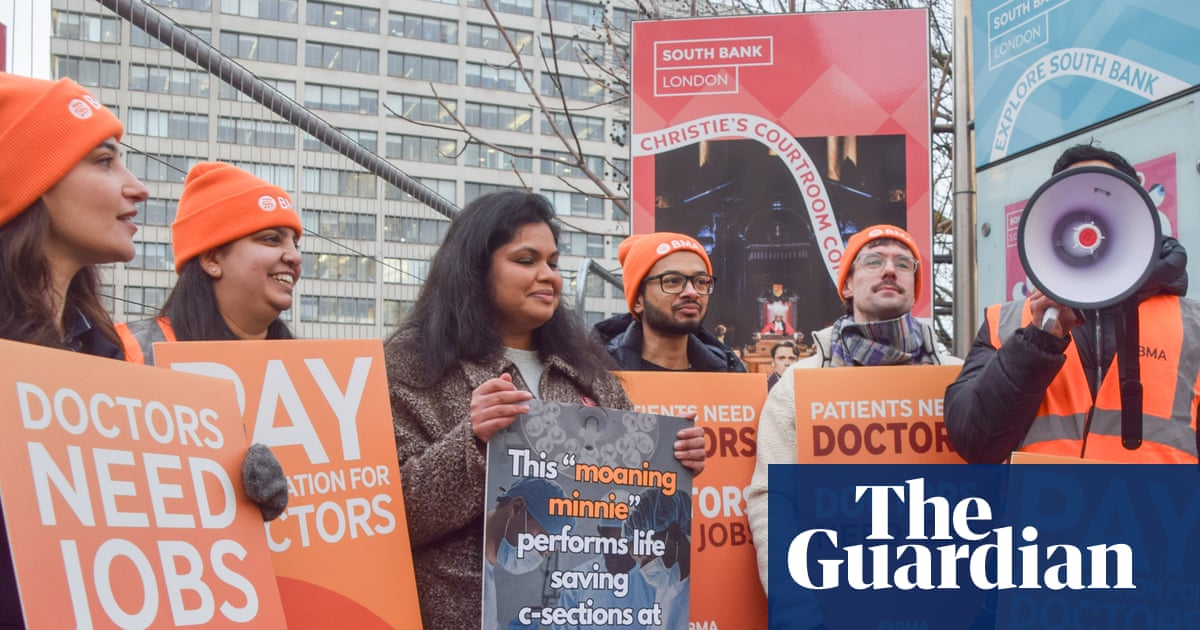
The government has withdrawn an offer of creating 1,000 more doctor training posts in England after the British Medical Association (BMA) refused to call off a six-day strike next week. The extra posts were part of a wider package of measures put forward by ministers earlier this year to resolve the long-running dispute with resident doctors.
UK politics
#nhs



UK politics
fromLondon Business News | Londonlovesbusiness.com
5 days agoStarmer accuses doctors of 'reckless' walkout as strike deadline looms - London Business News | Londonlovesbusiness.com
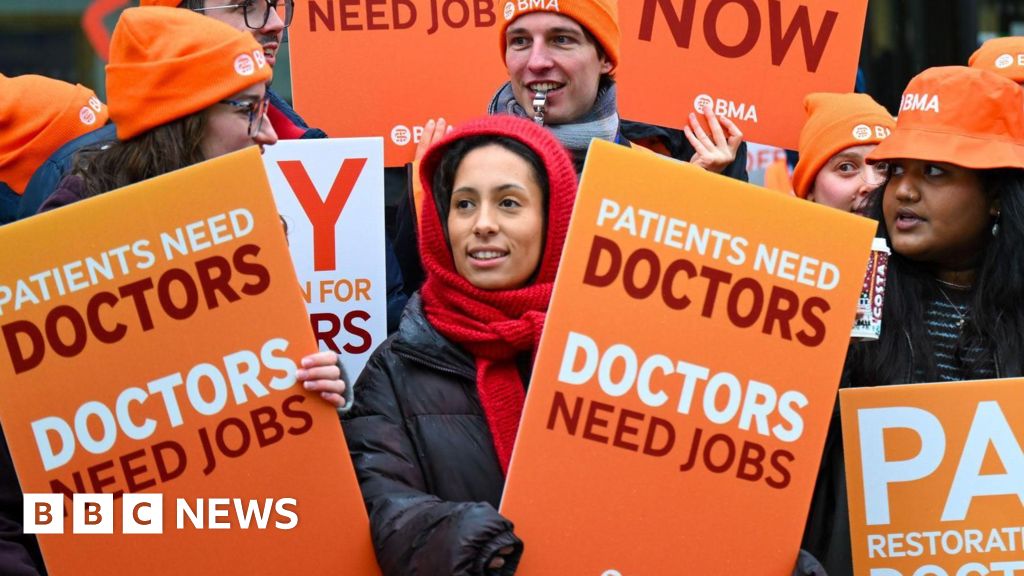
Keir Starmer criticized resident doctors for rejecting a pay deal without a vote, warning it could harm the NHS and patients.




fromwww.cbc.ca
3 days agoOffice space for emergency care: East-end Toronto hospital says patient demand is more than double capacity | CBC News
The emergency department at Michael Garron Hospital was built to care for about 150 patients a day, but now sees more than 300 patients daily, amounting to about 107,000 patients last year in a space designed for 50,000 annually.
Healthcare
Public health
fromwww.theguardian.com
3 weeks agoPatients face long journeys for medicines as pharmacies cut weekend hours
One in six English pharmacies have reduced weekend hours since 2022, causing over 20% loss of weekend opening hours and forcing patients to travel long distances or seek emergency care.
Public health
fromLondon Business News | Londonlovesbusiness.com
3 weeks agoClinicians sound the alarm over patient safety concerns in A&Es - London Business News | Londonlovesbusiness.com
Over half of Emergency Department Clinical Leads in England report their A&E departments are unsafe for patients, with severe overcrowding and staffing shortages as primary concerns.
Brooklyn
fromBrooklyn Paper
3 weeks agoOp-Ed | The Brooklyn Hospital Center is abandoning nurses and patients * Brooklyn Paper
Nurses at The Brooklyn Hospital Center have lost health coverage for 40 days after management refused to contribute to health funds despite a signed contract, while executive leadership remains unaffected.
Information security
fromThe Hacker News
1 month agoTop 5 Ways Broken Triage Increases Business Risk Instead of Reducing It
Triage failures occur when decisions are made without execution evidence, causing false positives, missed threats, and higher costs; interactive sandboxes enable evidence-backed verdicts within seconds.
fromNextgov.com
5 days agoHHS reverses Biden-era restructuring of its IT and tech operations
HHS Chief Information Officer Clark Minor stated that consolidating the CTO, CDO, and CAIO roles within his office allows the department to move faster on shared platforms and protect systems more effectively.
Healthcare

fromwww.theguardian.com
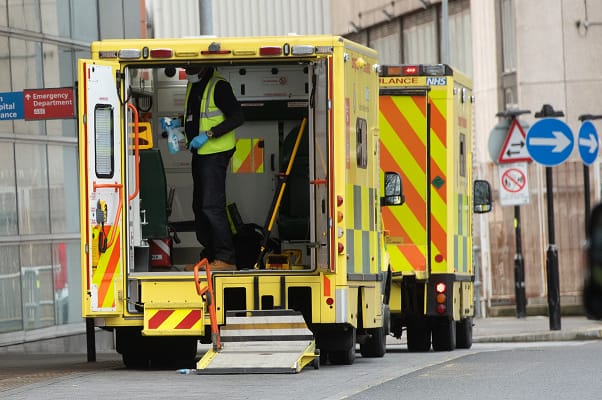
2 months agoFour NHS trusts in England declare critical incidents after surge' in A&E admissions
NHS Surrey Heartlands said the situation at three hospital trusts Royal Surrey NHS foundation trust, Epsom and St Helier university hospitals NHS trust and Surrey and Sussex healthcare NHS trust was exacerbated by increases in flu and norovirus cases and an increase in staff sickness. It added that the recent cold weather front has also impacted on more frail patients needing to be admitted to hospital.
UK news
Healthcare
fromLondon Business News | Londonlovesbusiness.com
2 weeks agoCovid inquiry warns UK emergency care 'struggling to cope' - London Business News | Londonlovesbusiness.com
Ongoing capacity issues in emergency care threaten the UK's healthcare system's preparedness for future pandemics, according to the Royal College of Emergency Medicine.
fromwww.theguardian.com
2 weeks agoSuperhuman' healthcare workers saved NHS from collapse, Covid inquiry finds
Healthcare systems coped with the pandemic, but only just. On a number of occasions, they teetered on the brink of collapse and only coped thanks to the almost superhuman efforts of healthcare workers and all the staff who support them. Workers carried the burden of caring for the sick in unprecedented numbers. They were obliged to work under intolerable pressure for months on end.
Healthcare
fromBoston.com
2 weeks agoMassachusetts ER doctors say long wait times reflect a health system under strain
For Massachusetts emergency physicians, that dream captures a simple truth: long ER waits rarely steam from care inside the department. Instead, doctors say they're the result of bottlenecks across a system stretched thin by staffing shortages, aging patients, limited hospital beds, and gaps in primary care.
Healthcare
fromwww.theguardian.com
2 weeks agoPlans to cut NHS international workforce appear overambitious, say MPs
Thirty-six per cent of UK doctors and 24% of nurses and midwives were trained elsewhere in the world. The number of visas granted to healthcare professionals has fallen sharply in recent years. But overseas staff would be needed for the foreseeable future, the APPG said.
Healthcare
Mental health
fromBusiness Matters
1 month agoWhat Capitol City Residential Health Care Learned from Preventable Crises
Prevention-first, operations-focused residential care stabilizes high-acuity individuals by detecting missed signals, using consistent staffing, frequent plan reviews, and measured, person-centred adjustments.
Medicine
fromLondon Business News | Londonlovesbusiness.com
1 month agoRCEM urges action as long hospital stays reach worst levels this winter - London Business News | Londonlovesbusiness.com
Record high long hospital stays, rising staff absences, and ambulance handover delays require long-term, system-wide government action and support for emergency staff.
fromwww.bbc.com
2 months agoThe hospitals where waiting times are getting worse. Is yours one of them?
Nearly a quarter of hospitals in England have seen waiting times worsen since the government published its plan to tackle the backlog a year ago, BBC analysis shows. Hitting the 18-week waiting target for treatments such as knee and hip operations was Labour's key manifesto pledge for the health service, and last January it set out how it would get hospitals on track.
Public health
Healthcare
fromFortune
3 weeks agoHealthcare has been propping up a shaky labor market. For the first time in over four years, the sector shed thousands of jobs | Fortune
Healthcare lost 28,000 jobs in February, marking its first decline in four years and exposing the labor market's dangerous dependence on a single sector for growth.
fromMission Local
1 month agoS.F. healthcare workers say safety issues continue at city's clinics
But as the city's Department of Public Health follows Mayor Daniel Lurie's directions to make cuts, they wanted to make one thing clear: safety in the city's medical facilities requires more than just the presence of security personnel. It requires widespread training in de-escalation, working with patients with complex needs, and crisis response, they said. These programs are on the chopping block.
Public health
Healthcare
fromwww.bbc.com
1 month agoBBC investigation finds 50,000 people waited over 24 hours in A&E corridor care
Over 52,000 patients in north-west England waited longer than 24 hours for hospital admission in 2025, with corridor care becoming a widespread crisis affecting nearly one in five admitted patients.
fromLondon Business News | Londonlovesbusiness.com
2 months ago'Failure to prepare' for winter has left A&E patients out at sea - London Business News | Londonlovesbusiness.com
Today's data, from NHSE's latest weekly winter situation report, covers the week ending 25 January. It showed that bed occupancy in English hospitals remains dangerously high, at 94.6%, while more than 14,000 people medically fit to be discharged from hospital were still stuck in beds. On a given day, there were on average 50,368 patients who had been in a hospital bed for seven days or longer, showing problems lie at the 'back door' of hospitals.
Public health
fromTODAY.com
2 months agoLabor and Delivery Nurse Reveals the No. 1 Hospital Question That Could Save Your Life
"If you or someone you love is going to give birth in a hospital, there is a question you need to ask before you go that can determine whether you are likely to have safe care or not," said labor and delivery nurse Jen Hamilton. Her multi-part TikTok videos amassed a combined 300,000 views their first 24 hours. "You need to know whether the hospital you are going to give birth in follows AWHONN's safe staffing standards," she continued.
Public health
Healthcare
fromGothamist
1 month agoER at troubled hospital in Jersey City's Heights gets a lifeline, for two weeks
Heights University Hospital's emergency department will remain open through March 14 after initially planning to close, but city and state officials say this two-week extension is insufficient for the Heights neighborhood.
fromBuzzFeed
1 month agoFirst Responders Are Calling Out The "Fatal" Safety Mistakes You Should Never, Ever Make
If you are choking and are alone, try to get yourself into a high-traffic area, such as a hallway in a building or outside your house. If you pass out, you're way more likely to be found as opposed to being in a room in a building or your house. Call 911 even though you can't speak. Someone will be sent to your location by dispatch.
Public health
fromwww.bbc.com
1 month agoCritical incident declared at Nottingham hospitals
In the last week, we have seen significant demand on our services, in A&E in particular, which is resulting in lengthy waits for patients. This follows a previous critical incident in January, where rising demand, winter infections and staff sickness all led to unacceptable delays. More than half of our adult beds are currently occupied by patients who are over 80 years old, whose health issues can impact them more than younger patients.
Public health
fromBoston.com
1 month agoMassachusetts emergency room wait times rank among the longest in the U.S.
If you find yourself in need of emergency care in Massachusetts, it could take a while. The Bay State ranks No. 3 in the U.S. for longest average time patients spend in the emergency department, according to World Population Review. Patients here spend an average of 189 minutes - more than three hours - in the ER before leaving the hospital. Only Maryland (228 minutes) and Delaware (195 minutes) report longer average delays.
Healthcare
[ Load more ]