Psychology
fromPsychology Today
7 hours agoHow to Help Someone Have an Empathy Makeover
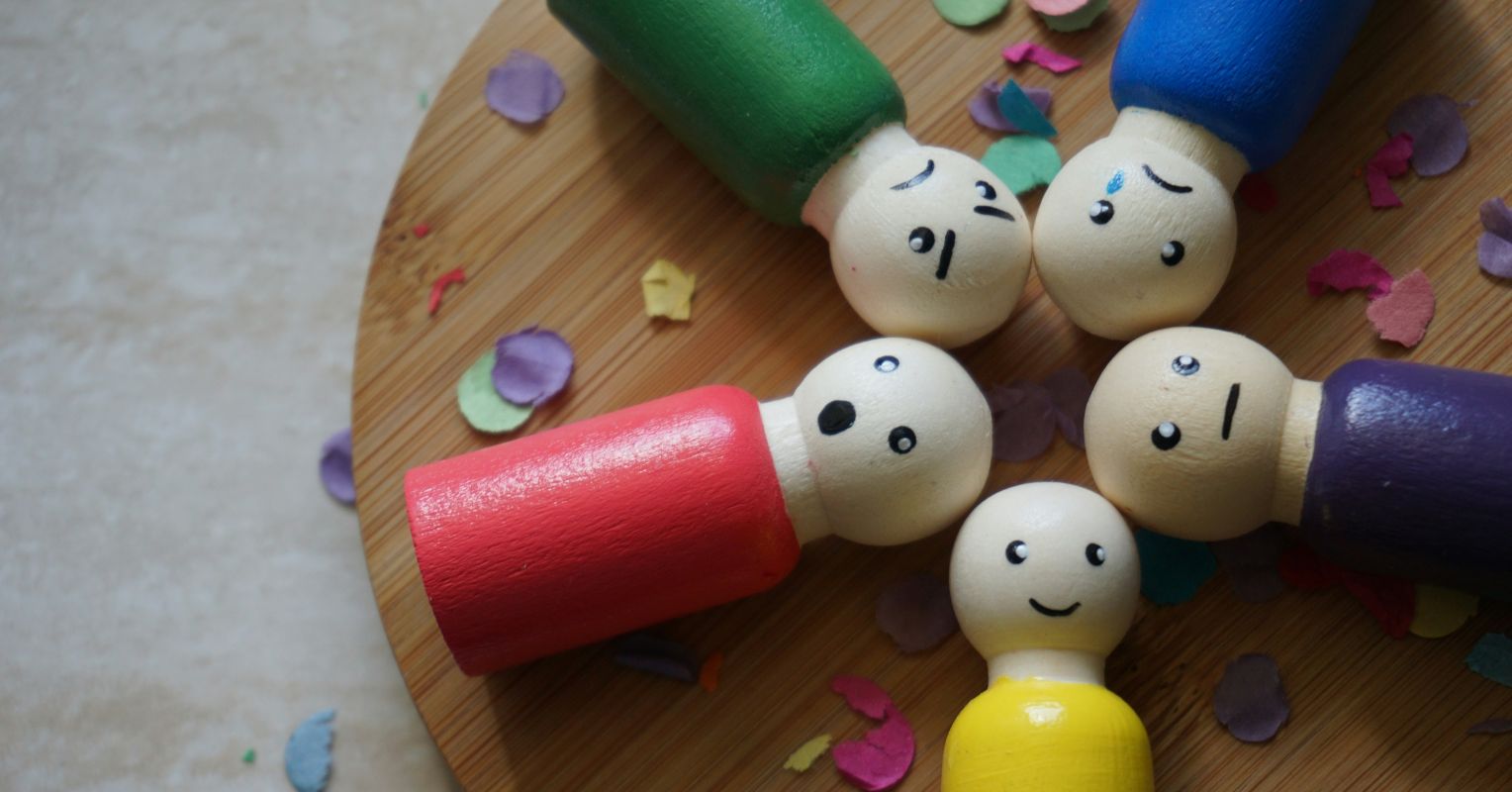
Empathy can be developed through structured reflection and practice, enhancing mental health and relationship dynamics.
I started in stand-up because it felt like the most direct way to connect with people. There's no filter. You go on stage, and you find out very quickly if something works. That shaped everything for me. It forced me to be honest. If you're not honest, the audience knows. That idea still drives how I work today.
When I first put on the new album he made about the tragedy with local experimental duo The Living Earth Show as Trust Me, called Why I Like Dead Guys, I expected a howl of cathartic rage, a furious screed against the abject violence of fate.
There's nothing like eavesdropping to show you that the world outside your head is different from the world inside your head. It doesn't get nearly enough credit. Instead of being understood as an uncouth behavior, "overhearing" should be celebrated, welcomed and pursued. It's an underrated tool in an increasingly lonely and disconnected world.
The Shitheads is part period piece, part family drama and part allegorical epic. It unfolds at some time in prehistory (10,000 - 50,000 BC, to be exact). Nomadic hunter-gatherers coexist with a family of cannibalistic cave dwellers who justify their eating habits by dehumanising their human prey. Hunter-gatherers are 'shitheads', they say - inferior, stupid, without expansive interior lives. One of these cave-dwellers, a straight-talking fighter named Clare (Jacoba Williams - Vera), meets Greg (Jonny Khan - Statues), an endearing, simple-minded gatherer.
Bring two or more people together and they will immediately begin to synchronize or fall into rhythm with one another. Not only do we tend to subconsciously mimic one another's movements, postures, facial expressions, and gestures, but recent breakthroughs in technology have revealed we also sync up our heart rates, blood pressure, brain waves, pupil dilation, and hormonal activity. This phenomenon is known as interpersonal synchrony, and it is possibly the most consequential social dynamic most people have never heard of.
Last week, I watched a young guy at the coffee shop make the barista's entire day. Not with a big tip or elaborate compliment, just a genuine "thank you so much" and eye contact that said he actually saw her as a person, not just a caffeine dispenser. The barista's shoulders relaxed, her smile turned real, and suddenly the whole atmosphere shifted.
I used to think it was just good manners drilled in by strict parents, but after interviewing behavioral researchers for a recent piece on social dynamics, I've discovered there's something much deeper at play here. This seemingly small gesture-waiting for others before diving into your meal-actually reveals a fascinating cluster of personality traits that psychologists link to both personal and professional success. The research suggests these patient diners aren't just being polite; they're demonstrating qualities that make them exceptionally good friends, partners, and colleagues.
Nobody tells you that getting laid off might be one of the best things that ever happened to you. When I lost my job during those brutal media industry cuts, I spent four months in my pajamas, eating cereal for dinner, and questioning every career choice I'd ever made. But here's the strange part: looking back now, that experience fundamentally changed who I am as a person. And I mean that in the best possible way.
Tattooed on Asia Kate Dillon's neck is "einfühlung," the German word for empathy. Not only is it a pretty bad*ss tattoo, it's also a guiding principal for an actor who strives to be a conduit for empathy in all their work, whether they're playing an inmate on Orange Is The New Black, a high-powered enforcer in John Wick: Chapter 3, or a financial analyst in the Showtime drama Billions, where they made history as the first non-binary main character an a mainstream American TV show.
When I tell fellow tech executives that every employee at sunday, from our engineers to our finance team, must complete a restaurant shift before they can fully onboard, I usually get confused looks. "You mean like, shadow someone?" they ask. No. I mean they tie on an apron, take orders, run food, and yes, deal with the 15-minute wait for the check that our product was literally built to eliminate.
I say: "My son hasn't spoken to me for a long time." The response I get is: "It is what it is." I say: "I'm anxious about my blood test results." The response I get is: "It is what it is." I say: "Some part of me regrets never having had children." The response I get is: "It is what it is."
Abigail needs to tell her adult son Mark that she thinks he has a drinking problem. Simon needs to tell his wife Lisa that he's afraid he doesn't love her anymore. From time to time, we all find ourselves in a tough spot. Something looks wrong or feels wrong, and we need to say something difficult. Something painful that may hurt someone we care about, but which nevertheless must be said.
It was Mother's Day and things had gone poorly. I was (am) a single mom, with four kids, and felt very alone. We had gone to brunch, and as usual I'd had to pick the place, make the arrangements, and of course, pay. When my kids get together (even now, as adults), bickering and conflict are not uncommon. I'm supposed to be grateful for their "candor" around me because it means they feel safe, but I was seriously indulging in a pity party instead.
They are taught no emotional reaction is bad and to speak up about anything that makes them uncomfortable, including hugs. As a result, St Saviour's doesn't have any permanent exclusions and a lower rate of suspensions. Over 9,000 London schoolchildren are receiving lessons up to three times a week on respect, kindness and how their actions make others feel. The project is designed by the global education specialists, Think Equal.