#energy-companies
#energy-companies
[ follow ]
#renewable-energy #energy-crisis #data-centers #natural-gas #climate-change #fuel-prices #oil-prices #fossil-fuels

#renewable-energy
Environment
fromEarth911
5 days agoSustainability In Your Ear: Schneider Electric's Steve Wilhite Maps the Renewable Energy Transition
The global energy system is shifting to distributed renewables and digital optimization, with a significant gap between corporate sustainability ambitions and delivery capabilities.

Environment
fromEarth911
5 days agoSustainability In Your Ear: Schneider Electric's Steve Wilhite Maps the Renewable Energy Transition
The global energy system is shifting to distributed renewables and digital optimization, with a significant gap between corporate sustainability ambitions and delivery capabilities.
#ai

Artificial intelligence
fromThe Nation
1 day agoThe AI Boom Is a Climate Bust
AI is increasingly being used to spread climate change disinformation, complicating efforts to combat the climate crisis.



Non-profit organizations
fromLos Angeles Times
15 hours agoTrump's 2027 budget would cut billions from clean energy and climate programs while boosting military spending
Trump's 2027 budget proposal includes significant cuts to clean energy and environmental programs, aiming to eliminate funding for the 'green agenda.'
World news
fromIrish Independent
1 day agoEU warns it's 'preparing for worst scenarios' and assessing 'all possibilities' including fuel rationing as energy crisis deepens
Tehran plans to charge for passage through the Strait of Hormuz, aiming to ensure safe navigation amid rising tensions with the US.
fromTechCrunch
1 day agoCommonwealth Fusion Systems leans on magnets for near-term revenue | TechCrunch
It's the largest deal of this kind to date for CFS, according to COO Rick Needham. The collaboration with Realta Fusion emphasizes the importance of high-temperature superconducting magnets in advancing fusion technology.
OMG science
fromTNW | Startups-Technology
3 days agoMetafuels wins 1.92M Dutch grant to advance its Rotterdam e-SAF plant
Metafuels' aerobrew technology converts renewable methanol into drop-in jet fuel, delivering up to 90% lower lifecycle emissions than conventional kerosene, with no modifications needed for existing aircraft.
European startups
SF politics
fromFortune
4 days agoHyperscalers often lack the "aptitude" on power as the political push picks up to expedite grid connections and pipelines | Fortune
Federal efforts to expedite power grid interconnections face challenges due to hyperscalers' communication issues and lack of understanding of processes.
#energy-transition
Environment
fromFortune
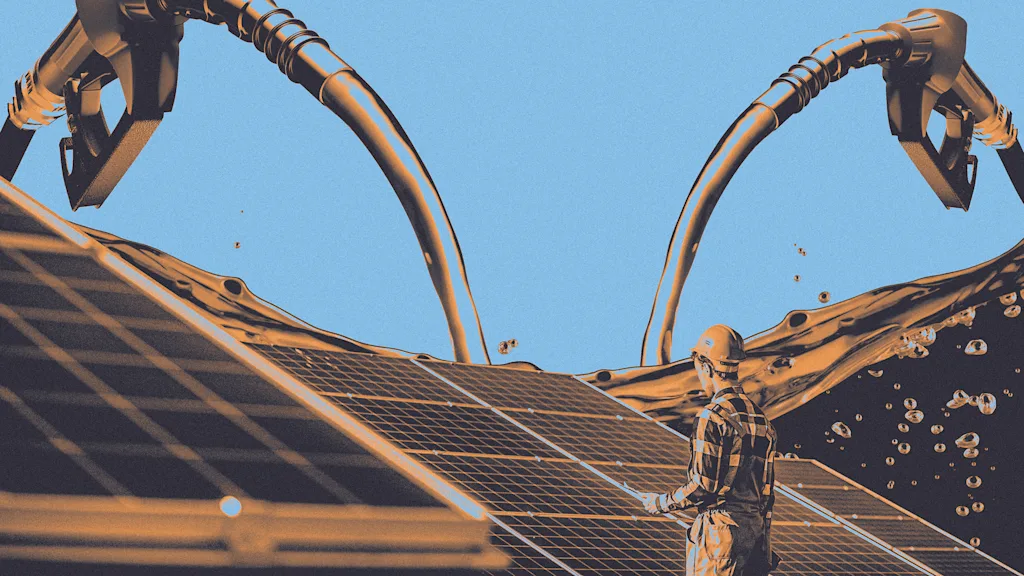
1 day agoCountries are turning to 'structurally more resilient' energy sources as oil and gas crisis deepens, UN renewables chief says | Fortune
The energy transition is accelerating, with renewables now comprising 49.4% of global energy capacity, driven by geopolitical factors and decreasing costs.
Environment
fromFortune
1 day agoCountries are turning to 'structurally more resilient' energy sources as oil and gas crisis deepens, UN renewables chief says | Fortune
The energy transition is accelerating, with renewables now comprising 49.4% of global energy capacity, driven by geopolitical factors and decreasing costs.
#meta
Venture
fromFortune
1 week agoMeta orders 10 gas-fired power plants for its Hyperion AI campus in rural Louisiana-more than triple the initial plans | Fortune
Meta is building 10 gas-fired power plants in Louisiana to support its AI data center complex, Hyperion, increasing the state's grid capacity significantly.
fromEngadget
3 days agoToyota's still trying to make hydrogen fuel cells happen
"We are deeply grateful for the opportunity to soon be joining Daimler Truck and Volvo Group as partners in building a hydrogen society," Toyota President and CEO Koji Sato said. "cellcentric which possess deep expertise in commercial fields together with Toyota's over 30 years of fuel-cell development in the passenger car sector, can combine their strengths to deliver one of the world-leading fuel cell systems for heavy commercial vehicles."
Cars
fromwww.dw.com
1 month agoCan EU renewables outmuscle US oil and gas?
At a meeting at the Paris headquarters of the intergovernmental body dedicated to global energy security, Wright referred to the "destructive illusion" of the IEA's commitment to massively reducing greenhouse gas emissions sourced from fossil fuels. The US, one of 45 member and associate countries of the IEA that represent 75% of the world's energy demand, is threatening to withdraw from the body if it does not quit its energy transition goals in the next year.
Miscellaneous
Environment
fromwww.theguardian.com
3 days agoAsia ramps up use of dirty fuels to cover energy shortfall triggered by Iran war
Asian governments are increasing coal use to address energy shortages caused by geopolitical conflicts, raising environmental concerns and calls for renewable energy investment.
#methane-emissions
Environment
fromwww.theguardian.com
2 weeks agoRevealed: the world's worst mega-leaks of methane driving global heating
Satellite analysis reveals dozens of massive methane leaks from oil, gas, and landfill facilities worldwide in 2025, primarily in Turkmenistan, with most leaks preventable through simple maintenance or fixable at no cost since captured methane can be sold.
fromComputerWeekly.com
1 week agoWhy IT leaders need to consider AI's energy footprint | Computer Weekly
We are making sure that we have renewable energy powering all of our datacentre footprint. We have 100% renewable power today that is powering all of Azure, and we're very proud to build that base and essentially stimulate renewable energy around the world and in the UK.
Environment
fromwww.dw.com
2 months agoHow clean energy could save us trillions DW 01/07/2026
In the rolling hills of southeast Queensland, Australia, farmer and businessman Brent Finlay stands beneath turbines so tall they rival skyscrapers. "There's a lift inside that takes about 12 minutes to go from the bottom to the top," he said, pointing skyward. Forty-five of the giant turbines that now dot his property are part of the massive MacIntyre Wind Farm which will soon generate enough electricity to power 700,000 homes.
Environment
fromFast Company
1 month agoHow to meet the surging energy demand without needing as much new electricity
When Specian dug into the data, he discovered that implementing energy-efficiency measures and shifting electricity usage to lower-demand times are two of the fastest and cheapest ways of meeting growing thirst for electricity. These moves could help meet much, if not all, of the nation's projected load growth. Moreover, they would cost only half-or less-what building out new infrastructure would, while avoiding the emissions those operations would bring.
Environment
[ Load more ]