#entrepreneurial-passion
#entrepreneurial-passion
[ follow ]
#entrepreneurship #venture-capital #ai #business-growth #startups #artificial-intelligence #leadership
#entrepreneurship

Silicon Valley food
fromEntrepreneur
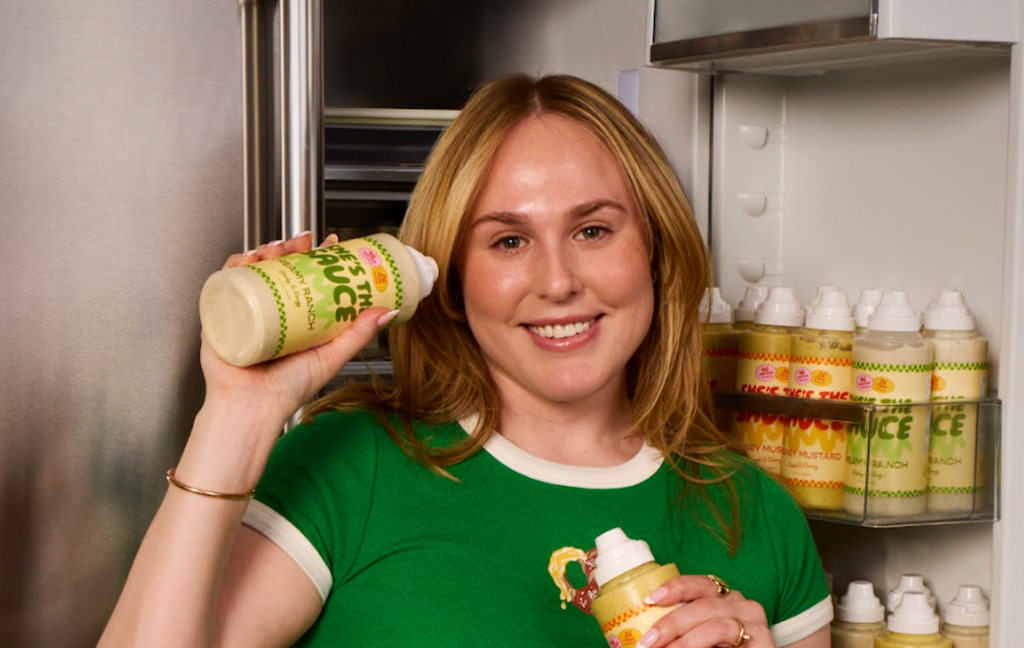
1 day agoThis 30-Year-Old Uber Employee Started a 'Scrappy' Side Hustle in Her Kitchen - It Hit $10K in 48 Hours: 'Never About Chasing a Trend'
Glabman created She's The Sauce to provide functional condiments while managing health issues, achieving $10,000 in revenue within 48 hours.
#silicon-valley
Silicon Valley
fromFortune
1 day agoI helped build Uber and Discord and now my tools help fuel billion-dollar unicorns. But Silicon Valley is losing the AI race to itself | Fortune
Silicon Valley is falling behind in innovation due to slow adaptation to social demands and a focus on preserving existing business models.
fromwww.businessinsider.com
1 day agoMeta's CTO has some advice for college students wanting to work in tech: 'Constantly be building.'
You just have to immerse yourself in it. You should just constantly be building. That's what's going to give you the best chance of having the relevant skill set that is needed to make a difference in technology.
Education
#leadership

Careers
fromEntrepreneur
4 days agoNetflix Cofounder Reed Hastings Learned An Unconventional Leadership Lesson From His First Boss, Who Washed Office Coffee Cups At 4:30 A.M.
Reed Hastings learned a leadership lesson from CEO Barry Plotkin, who washed his coffee cups to demonstrate humility and support for his team.
fromTechCrunch
1 week agoMeta launches new initiative to support entrepreneurship, drive AI adoption | TechCrunch
In the AI era, it should be easier than ever for people to build new businesses. We want to build the services that enable this. This is important for ensuring that people broadly share in the prosperity created by superintelligence.
European startups
fromInc
16 hours ago5 Passive Income Business Ideas That Require Less Than $1,500 to Start
Short-term rentals offer a variety of options beyond traditional home rentals. Platforms like Swimply allow individuals to rent out pools, while Neighbor and Spacer enable the monetization of unused parking spots.
Bootstrapping
fromSan Jose Spotlight
4 days agoSilicon Valley's tech world takes center stage in state politics - San Jose Spotlight
In the 17th Congressional District, incumbent Rep. Ro Khanna is facing a challenge from tech founder Ethan Agarwal, a fellow Democrat. Agarwal is an opponent of the ballot initiative to levy a one-time, 5% wealth tax on Californians with more than $1 billion in assets.
Silicon Valley
fromEntrepreneur
1 month agoYou Don't Need Awards to Raise VC - You Need These 2 Things
Awards may be encouraging and occasionally useful for visibility, but they are weak indicators of validation and poor predictors of long-term success. In the longevity and healthspan industry, where timelines are long and claims are easy to overstate, venture capital ultimately follows alignment and evidence, not applause received at glitzy industry events.
Healthcare
Careers
fromSlate Magazine
1 month agoI Knew This Trait Was Common Among Start-Up Founders. I Didn't Realize How Debilitating It Would Be for the Rest of Us.
A senior manager at a startup struggles with a founder-boss who prioritizes innovation and new features over resolving current operational crises and team capacity constraints.
Venture
fromTechCrunch
3 weeks agoVC mega funds are back with General Catalyst, Spark rumored to be raising billions | TechCrunch
Major venture capital firms are raising record-breaking funds in 2026, with Thrive, General Catalyst, Andreessen Horowitz, and others each securing billions to deploy into startups, particularly AI companies.
Startup companies
fromEntrepreneur
1 month agoWhy Transferable Skills Are a Game-Changer in Startups Today
Founders succeed across sectors by applying core execution skills rather than mastering new fields first, accelerated by modern tools and AI that compress learning timelines from decades to years.
Venture
fromFortune
4 weeks agoMeet the breakout VC who goes deep to make a '360-degree' behavioral map before investing in founders | Fortune
Adam Zeplain uses a deeply psychological approach to venture capital, prioritizing understanding founders' character and relationships over traditional financial metrics to predict success.
fromwww.bbc.com
2 months agoAI ready: The advantages of being a young entrepreneur
Even before he'd graduated from the University of Bath in 2024, Arnau Ayerbe landed a highly coveted role as an AI engineer with JP Morgan - yet he felt limited and uninspired. "I realised very quickly that the person to my right and to my left were going to be me in 20 years, and I didn't want to become that," recalls London-based Ayerbe.
Artificial intelligence
fromFast Company
14 years agoDon't Ever Stop Bootstrapping
Here are some ideas in bootstrapping which have been helpful to me, and which I hope will help anyone growing their own organization. 1) Bootstrapping Don't ever stop bootstrapping.My point is, always have your 'skin in the game.' Keep your expenses down. Care about your costs. Don't rest on your laurels ... and keep caring about how that dollar is spent on Day One as Day 2,555 (seven years, which is the average start-up mode).
fromEntrepreneur
2 months agoWhy the Entrepreneurs Who Suffer Early Win Bigger Later
In an era obsessed with shortcuts, overnight success, and polished social media profiles, adversity is often treated as something to avoid. Something unfortunate. Something that signals failure. That assumption is completely wrong. Adversity is not a flaw in the entrepreneurial journey; it is, in fact, the training ground, the pressure that sharpens one's judgment, accelerates their adaptability and forges the kind of resilience no accelerator, MBA or funding round can manufacture.
Venture
fromBusiness Insider
1 month ago3 founders who dropped out of college share the moment they knew it was time
Silicon Valley is having an anti-college moment due to sky-high education fees, AI lowering the barrier to entry for skills like coding, and the shifting political and social landscape. But three young founders who dropped out of college told Business Insider that they weren't motivated by expenses or politics, but by timing. Each spotted an opportunity in the market that they couldn't resist, leading them to quit college and go all in on entrepreneurship.
Startup companies
fromEntrepreneur
1 month agoHow to Protect Your Startup and Close Bigger Deals
Because startups typically don't have a track record of success to attract potential clients, they can offer a trial of their platform for free or at a lower cost to showcase what their platform can do and how reliable it is. The enterprise - a potential client - can test the newest technologies without the worry of committing to a complete and often costly rollout.
Startup companies
Startup companies
fromEntrepreneur
2 months agoHow I Built $700 Million in Businesses Without Outside Investors
Independent entrepreneurs can outcompete larger rivals by running businesses like startups: real-time metrics, accountability, digital infrastructure, fast iteration, and self-funded generational decision-making.
[ Load more ]