#entrepreneurship-programs
#entrepreneurship-programs
[ follow ]
#delve
European startups
fromSilicon Canals
21 hours agoCompliance startup Delve removed from Y Combinator portfolio after anonymous whistleblower posts spark investor exodus - Silicon Canals
Delve has been removed from Y Combinator's portfolio due to serious allegations regarding its business practices and compliance misrepresentation.
Artificial intelligence
fromFortune
15 hours agoI'm a VC who bets on AI. What keeps me up at night isn't the idea of these companies failing-quite the opposite | Fortune
AI's rapid advancement threatens the relevance of current business models, prompting a shift in venture capital investment strategies.
Fundraising
fromwww.businessinsider.com
15 hours agoI quit tech, bought 22 acres, and didn't look at my computer for years until AI brought me back
Ryan Courtnage transitioned from managing a donation platform to hands-on homesteading, finding fulfillment in physical work and a break from corporate life.
fromInc
1 day ago5 Passive Income Business Ideas That Require Less Than $1,500 to Start
Short-term rentals offer a variety of options beyond traditional home rentals. Platforms like Swimply allow individuals to rent out pools, while Neighbor and Spacer enable the monetization of unused parking spots.
Bootstrapping
Silicon Valley
fromFortune
2 days agoI helped build Uber and Discord and now my tools help fuel billion-dollar unicorns. But Silicon Valley is losing the AI race to itself | Fortune
Silicon Valley is falling behind in innovation due to slow adaptation to social demands and a focus on preserving existing business models.
#entrepreneurship



Silicon Valley food
fromEntrepreneur
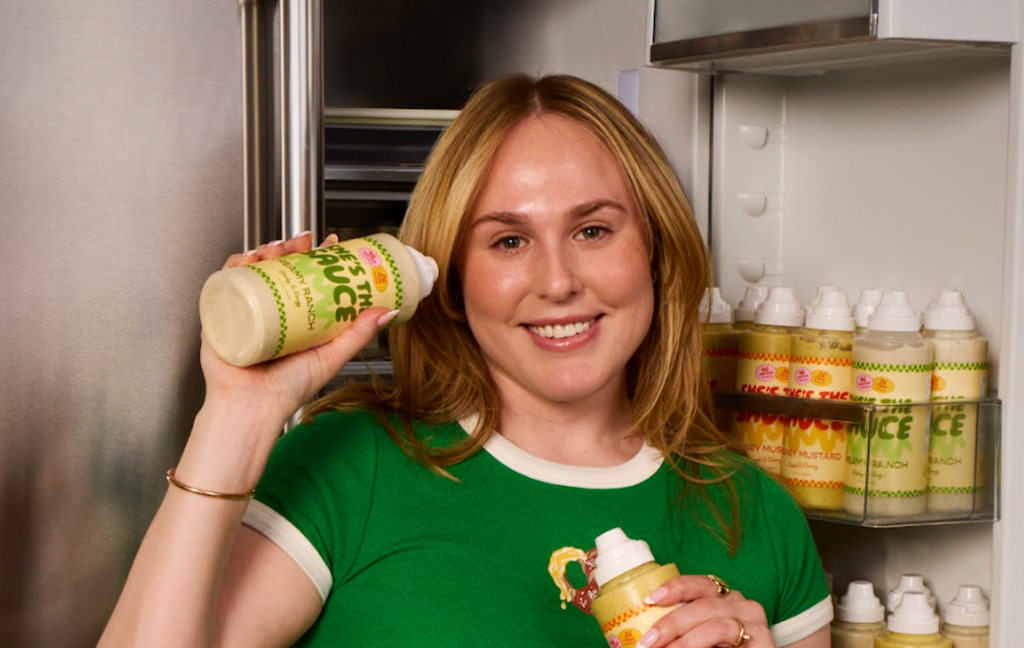
2 days agoThis 30-Year-Old Uber Employee Started a 'Scrappy' Side Hustle in Her Kitchen - It Hit $10K in 48 Hours: 'Never About Chasing a Trend'
Glabman created She's The Sauce to provide functional condiments while managing health issues, achieving $10,000 in revenue within 48 hours.
Photography
fromLondon Business News | Londonlovesbusiness.com
4 days agoCapturing connection: How to document your next London networking event - London Business News | Londonlovesbusiness.com
Collaborating with a professional event photographer is essential for capturing meaningful moments and enhancing brand storytelling through high-quality images.
fromwww.amny.com
6 days agoOp-Ed | Fueling NYC's $50 billion engine: How women business owners can grow and scale | amNewYork
Successful founders are comfortable being uncomfortable. Forging a new path as an entrepreneur isn't easy work. There may be times when you're the only person who believes in your idea, or where you're the only person who looks like you do in a meeting room.
Women in technology

Psychology
fromLondon Business News | Londonlovesbusiness.com
1 week agoLondon vs. Manhattan: Coaching insights from two global business hubs - London Business News | Londonlovesbusiness.com
Global financial centres influence leadership behaviour through institutional expectations and professional culture, impacting decision-making and strategic clarity.
fromwww.businessinsider.com
2 days agoMeta's CTO has some advice for college students wanting to work in tech: 'Constantly be building.'
You just have to immerse yourself in it. You should just constantly be building. That's what's going to give you the best chance of having the relevant skill set that is needed to make a difference in technology.
Education
Silicon Valley
fromFortune
3 days agoGen Z fled San Francisco for Texas and Florida. Now they're turning 'welcomer cities' into the next big tech towns | Fortune
Younger workers are leaving San Francisco for more affordable 'welcomer cities' like Nashville and Orlando, seeking better work-life balance and job opportunities.
fromSan Jose Spotlight
5 days agoSilicon Valley's tech world takes center stage in state politics - San Jose Spotlight
In the 17th Congressional District, incumbent Rep. Ro Khanna is facing a challenge from tech founder Ethan Agarwal, a fellow Democrat. Agarwal is an opponent of the ballot initiative to levy a one-time, 5% wealth tax on Californians with more than $1 billion in assets.
Silicon Valley
fromTechCrunch
1 week agoMeta launches new initiative to support entrepreneurship, drive AI adoption | TechCrunch
In the AI era, it should be easier than ever for people to build new businesses. We want to build the services that enable this. This is important for ensuring that people broadly share in the prosperity created by superintelligence.
European startups
fromEntrepreneur
1 month agoYou Don't Need Awards to Raise VC - You Need These 2 Things
Awards may be encouraging and occasionally useful for visibility, but they are weak indicators of validation and poor predictors of long-term success. In the longevity and healthspan industry, where timelines are long and claims are easy to overstate, venture capital ultimately follows alignment and evidence, not applause received at glitzy industry events.
Healthcare
Canada news
fromwww.startupcan.ca
1 month agoSomething Big Is Coming: Introducing the Startup Global National Pitch Competition
Canada launches the Startup Global National Pitch Competition, a new coast-to-coast pitch competition with four regional events culminating in a Grand Finale where the winner receives $30,000.
Startup companies
fromLondon Business News | Londonlovesbusiness.com
1 week ago12 platforms every start-up needs to know in 2026 - London Business News | Londonlovesbusiness.com
Modern start-ups leverage specialized platforms to enhance growth and streamline operations across branding, training, marketing, and collaboration.

Venture
fromTechCrunch
3 weeks agoVC mega funds are back with General Catalyst, Spark rumored to be raising billions | TechCrunch
Major venture capital firms are raising record-breaking funds in 2026, with Thrive, General Catalyst, Andreessen Horowitz, and others each securing billions to deploy into startups, particularly AI companies.
Intellectual property law
fromIPWatchdog.com | Patents & Intellectual Property Law
8 years agoHow the U.S. Can Inspire the Next Generation of Innovators
Support future innovators through early-stage programs, role models, structured commercialization pathways, networks, training, and accessible cloud-based tools.
Startup companies
fromEntrepreneur
1 month agoWhy Transferable Skills Are a Game-Changer in Startups Today
Founders succeed across sectors by applying core execution skills rather than mastering new fields first, accelerated by modern tools and AI that compress learning timelines from decades to years.
Venture
fromFortune
1 month agoMeet the breakout VC who goes deep to make a '360-degree' behavioral map before investing in founders | Fortune
Adam Zeplain uses a deeply psychological approach to venture capital, prioritizing understanding founders' character and relationships over traditional financial metrics to predict success.
fromFast Company
2 months agoEntrepreneurs take notice: Uncle Sam wants a piece of your startup
The federal government signaled a new direction in federal funding this week when it announced plans to put as much as $150 million into a private semiconductor startup. Instead of a grant or a loan, the government would take an equity stake. It's a meaningful departure from how federal funding has traditionally operated. For years, federal R&D support came structured as non-dilutive grants and Small Business Innovation Research (SBIR) and Small Business Technology Transfer (STTR) awards that didn't require equity concessions.
Venture
[ Load more ]