#environmental-health-hazards
#environmental-health-hazards
[ follow ]
#public-health #air-quality #air-pollution #climate-change #environmental-impact #epa #health-risks #mental-health




#microplastics

OMG science
fromFuturism
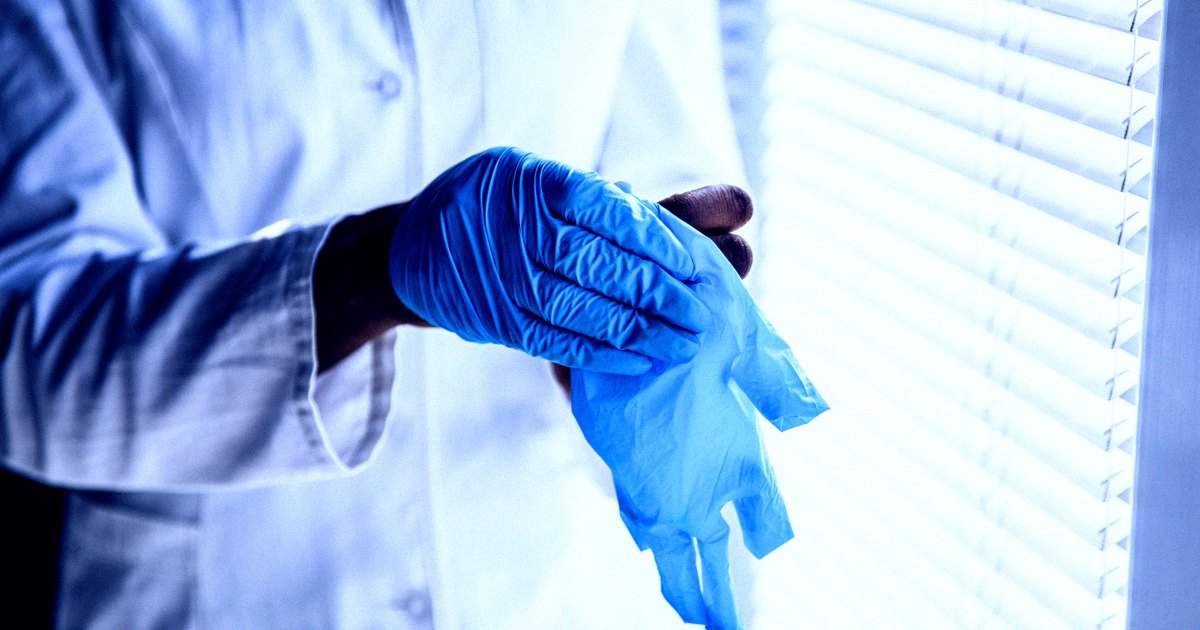
4 days agoYou Know How Scientists Keep Finding Microplastics Literally Everywhere? Well, You'd Never Guess What Their Lab Gloves Are Coated in Straight Out of the Packaging
Skepticism grows in the scientific community regarding microplastics research due to potential methodological errors and contamination issues.
fromFast Company
2 days agoSee it: Air temperatures and pollution around the world are captured in real time in these animated weather maps
We created Earth in Action to provide a lens into what's happening on our planet, as it happens. Whether it's something typical, like the current air temperature, or an extreme event like a major dust storm, we wanted to provide an opportunity for people to see them.
OMG science


NYC politics
fromwww.amny.com
4 days agoA moral injury': City sued over not releasing information on Lower Manhattan air quality danger after 9/11 attack | amNewYork
Advocates are suing New York City for transparency regarding air quality information post-9/11 to seek accountability and answers, not compensation.
Agriculture
fromEarth911
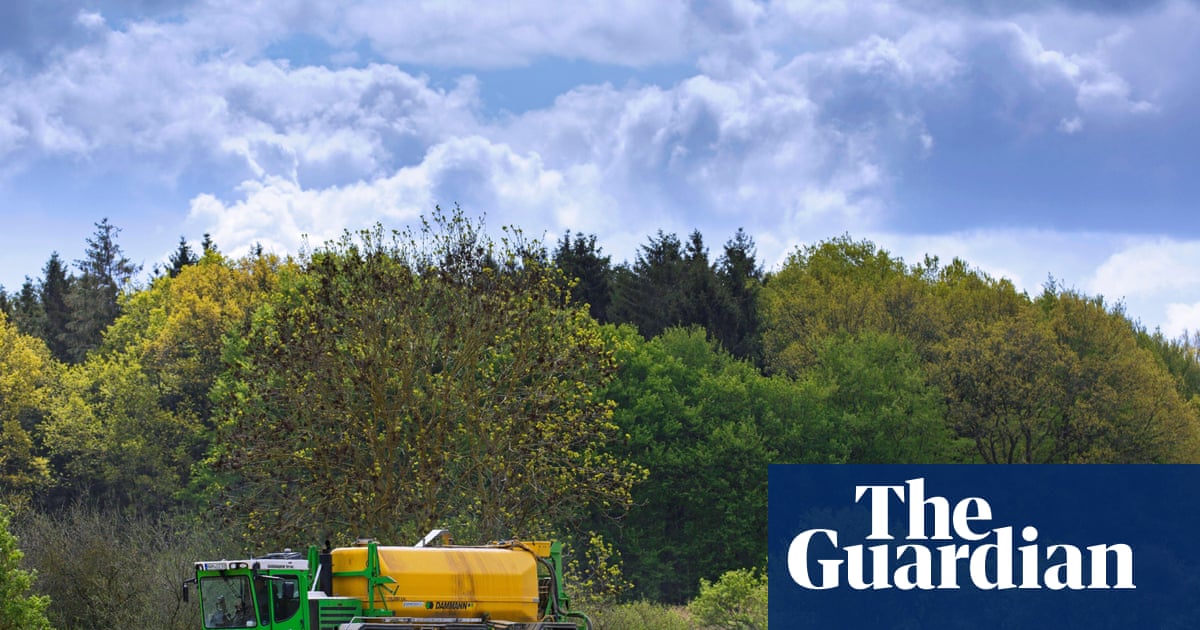
2 weeks agoConvenience Comes at the Environment's Expense
Fast delivery convenience carries significant environmental costs through packaging waste, carbon emissions, and resource consumption, but individual yard management choices can meaningfully reduce environmental impact at a local scale.
fromwww.theguardian.com
2 days agoThe dark side of the balloon boom is it time they were banned?
In 2019, scientists found that balloons eaten by seabirds are more likely to kill them than other kinds of plastic yet they do not seem to have been earmarked in the same way as, for example, plastic straws.
Public health
fromTODAY.com
2 days agoThese Are the 2 Most Dangerous Home Cleaning Products to Have Around Kids, New Research Shows
"What surprised me is we are still seeing so many visits to emergency departments associated with very common household cleaning products," Lara McKenzie, Ph.D., stated, emphasizing the ongoing issue despite safety advancements.
Public health
Health
fromwww.theguardian.com
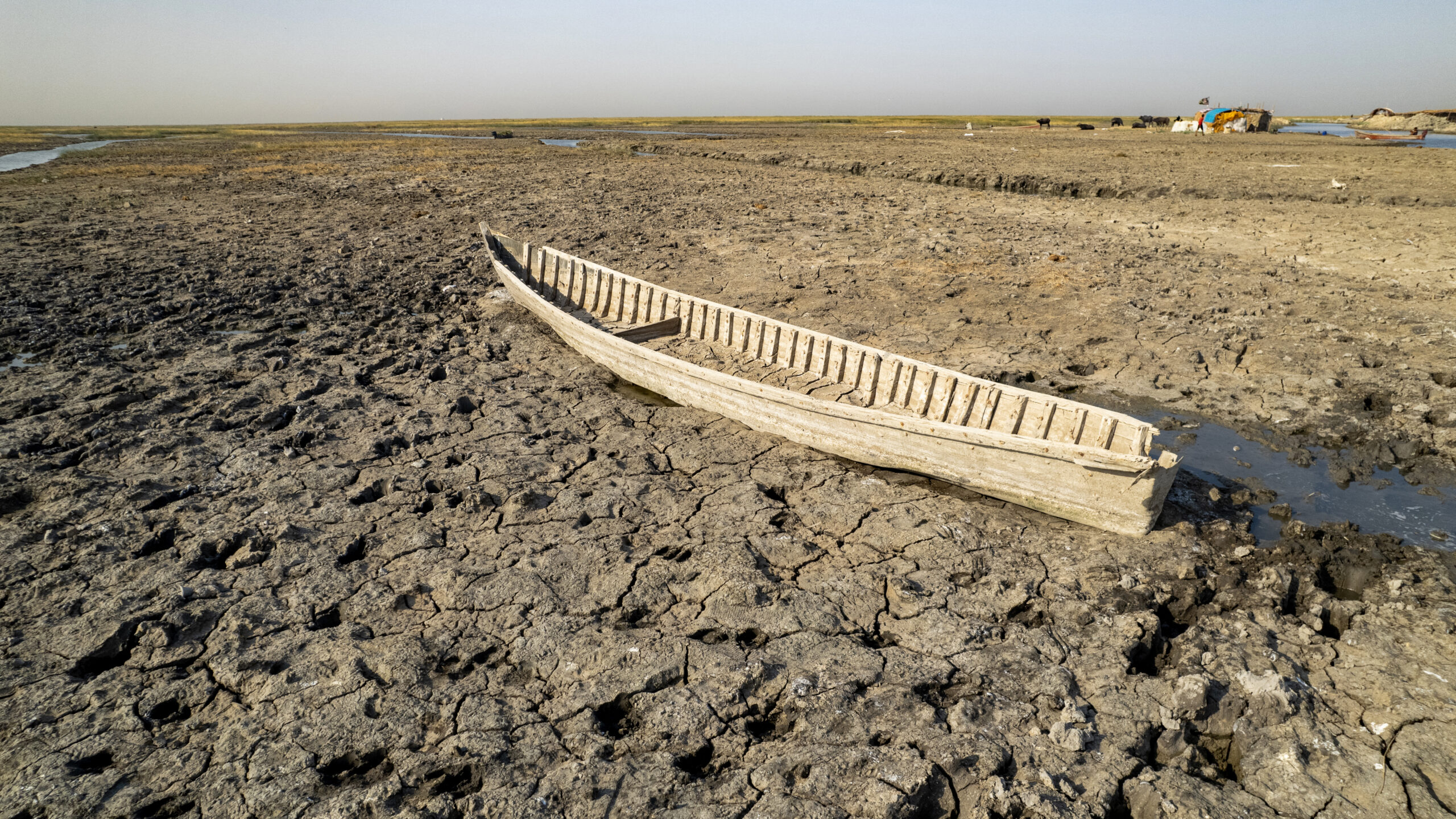
2 weeks agoReduced physical activity due to global heating will lead to rise in health issues, study says
Rising temperatures reduce physical activity globally, with each month above 27.8°C increasing inactivity by 1.5 percentage points, projecting half a million additional premature deaths annually by 2050.

fromwww.theguardian.com
2 weeks agoPeople in North Yorkshire town found to have alarming' levels of toxic Pfas chemicals in blood
Blood testing conducted as part of a new ITV documentary has revealed that residents and former workers at the factory have alarming levels of these chemicals in their blood.
Public health
Public health
fromwww.theguardian.com
3 weeks agoTrump policies set to increase rates of lung disease and death, study finds
Trump administration policies across healthcare, environment, workplace, and vaccines are projected to significantly increase lung disease rates and premature deaths among Americans.
Environment
fromNature
3 weeks ago'Black rain' in Tehran - what are the health effects?
Missile strikes on Iranian oil facilities released toxic chemicals into the atmosphere, creating black acid rain containing harmful hydrocarbons, sulfur oxides, and nitrogen compounds that pose serious health risks.
fromwww.aljazeera.com
1 month agoIs our food making us sick?
From ultra-processed foods to hidden chemicals, we ask whether what's on our plates is making us ill. From ultra-processed foods to chemicals linked to cancer and chronic disease, this episode unpacks what's really inside everyday supermarket products. We examine how mass production and convenience culture reshaped our diets, why some ingredients are banned in parts of the world but legal elsewhere, and what FDA-approved actually means.
Food & drink
fromwww.theguardian.com
4 weeks agoHumanity heating planet faster than ever before, study finds
Climate breakdown is occurring more rapidly with the heating rate almost doubling, according to research that excludes the effect of natural factors behind the latest scorching temperatures. It found global heating accelerated from a steady rate of less than 0.2C per decade between 1970 and 2015 to about 0.35C per decade over the past 10 years.
Environment
fromwww.aljazeera.com
2 months agoAI's growing thirst for water is becoming a public health risk
As water-intensive data centres expand worldwide, their impact on sanitation, inequality and disease is emerging as a serious and under-examined threat. Bubble is probably the word most associated with AI right now, though we are slowly understanding that it is not just an economic time bomb; it also carries significant public health risks. Beyond the release of pollutants, the massive need for clean water by AI data centres can reduce sanitation and exacerbate gastrointestinal illness in nearby communities, placing additional strain on local health infrastructure.
Artificial intelligence
Environment
fromwww.theguardian.com
1 month agoThousands of pollution incidents in England downgraded without site visit, data suggests
Environment Agency staff downgraded 98% of 2,778 serious water pollution incidents reported in 2024 without site visits, representing a 1,500% increase in downgrades since 2021.
Environment
fromwww.mercurynews.com
1 month agoOpinion: AI is destroying our planet. We must act to check its growth and save ourselves.
AI's environmental impact is severe, with 2025 freshwater consumption exceeding global bottled water use and projected energy demands by 2034 matching India's entire consumption, requiring immediate action.

fromwww.theguardian.com
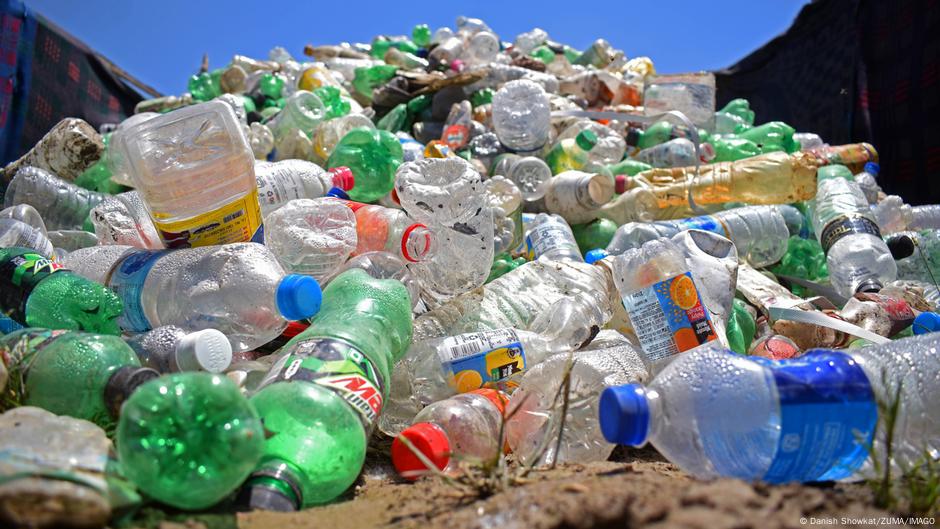
2 months agoHousehold burning of plastic waste in developing world is hidden health threat, study shows
The household burning of plastic for heating and cooking is widespread in developing countries, suggests a global study that raises concerns about its health and environmental impacts. The research, published in the journal Nature Communications, surveyed more than 1,000 respondents across 26 countries. One in three people reported being aware of households burning plastic, while 16% said they had burned plastic themselves.
Environment
fromNature
2 months agoMicroplastic levels in the air have been overestimated, but are still a big concern
Many human activities - from improper disposal of waste to the degradation of car tyres - release small plastic particles, which have infiltrated the atmosphere, oceans and other ecosystems. These include nanoplastics - particles measuring less than 1 micrometre across - and microplastics, which range from 1 micrometre to around 5 millimetres. They've entered our bodies and brains, and scientists are still working to understand their effects on people's health.
Environment
Public health
fromNonprofit Quarterly | Civic News. Empowering Nonprofits. Advancing Justice.
2 months agoThe Polluters Down the Street-EPA Changes Put Lives at Risk | Nonprofit Quarterly | Civic News. Empowering Nonprofits. Advancing Justice.
Air quality monitoring and Clean Air Act regulations have reduced PM2.5, prevented hundreds of thousands of early deaths, and improved average life expectancy.
[ Load more ]