#eras-dial-filters
#eras-dial-filters
[ follow ]
Roam Research
fromdesignboom | architecture & design magazine
3 days agoradio time machine AI audio system recreates past sounds for cognitive health in elderly care
AI-powered Radio Time Machine enhances well-being in elderly care by generating nostalgic audio content to stimulate memories and communication.
fromwww.metrosiliconvalley.com
4 days agoSan Jose's Ton Freq Studios continues indie analog tradition | Metro Silicon Valley | Silicon Valley's Leading Weekly
Tone Freq Studios captures pristine acoustics and emphasizes analog warmth, creating a tactile space that values collective experiences over the convenience of digital recording methods.
Music production


fromThe Verge
2 weeks agoThe secret story of the vocoder, the military tech that changed music forever
The vocoder was never supposed to be a revolution in music. Its development began a century ago, when an engineer at Bell Labs was looking for a simpler way to send phone calls across copper telephone lines.
Music production
fromDesign Milk
3 weeks agoThis Pared Down Stereo System Takes-on Cubist Dimensions
In Braque's paintings, collages, and prints, the polymath set out to distill bucolic landscapes and rural village scenes as broken up and then re-assembled geometric compositions; decidedly abstract yet still slightly recognizable representations. Through this revolutionary approach, he examined how objects could be depicted from multiple perspectives-multiple sources of light-as if superimposed portrayals of the same setting rendered at different times of day.
Design
Gadgets
fromZDNET
2 weeks agoThis unassuming amplifier is the one audio upgrade that finally made my speakers sing
The Rotel DX-5 is a beginner-friendly integrated amplifier designed for digital streaming and modern audio formats, lacking a built-in phono preamp but offering versatile connectivity options.
fromEngadget
3 weeks agoTembo might just be the world's cutest drum machine
The company says it designed Tembo to "enable everyone to create music from the very first touch." Co-founder David Davidov that most instruments take "so long to get to the fun part" and that Musical Beings wanted to "help people experience music as something they do, not just something they listen to."
Music production
Music
fromYanko Design - Modern Industrial Design News
1 month agoThese $40-$299 Cassette Players Just Crushed Spotify's Algorithm - Yanko Design
Cassette player searches have surged over 1,281%, driven by millennials and Gen Z seeking deliberate listening experiences away from algorithmic playlists and infinite streaming options.
fromdesignboom | architecture & design magazine
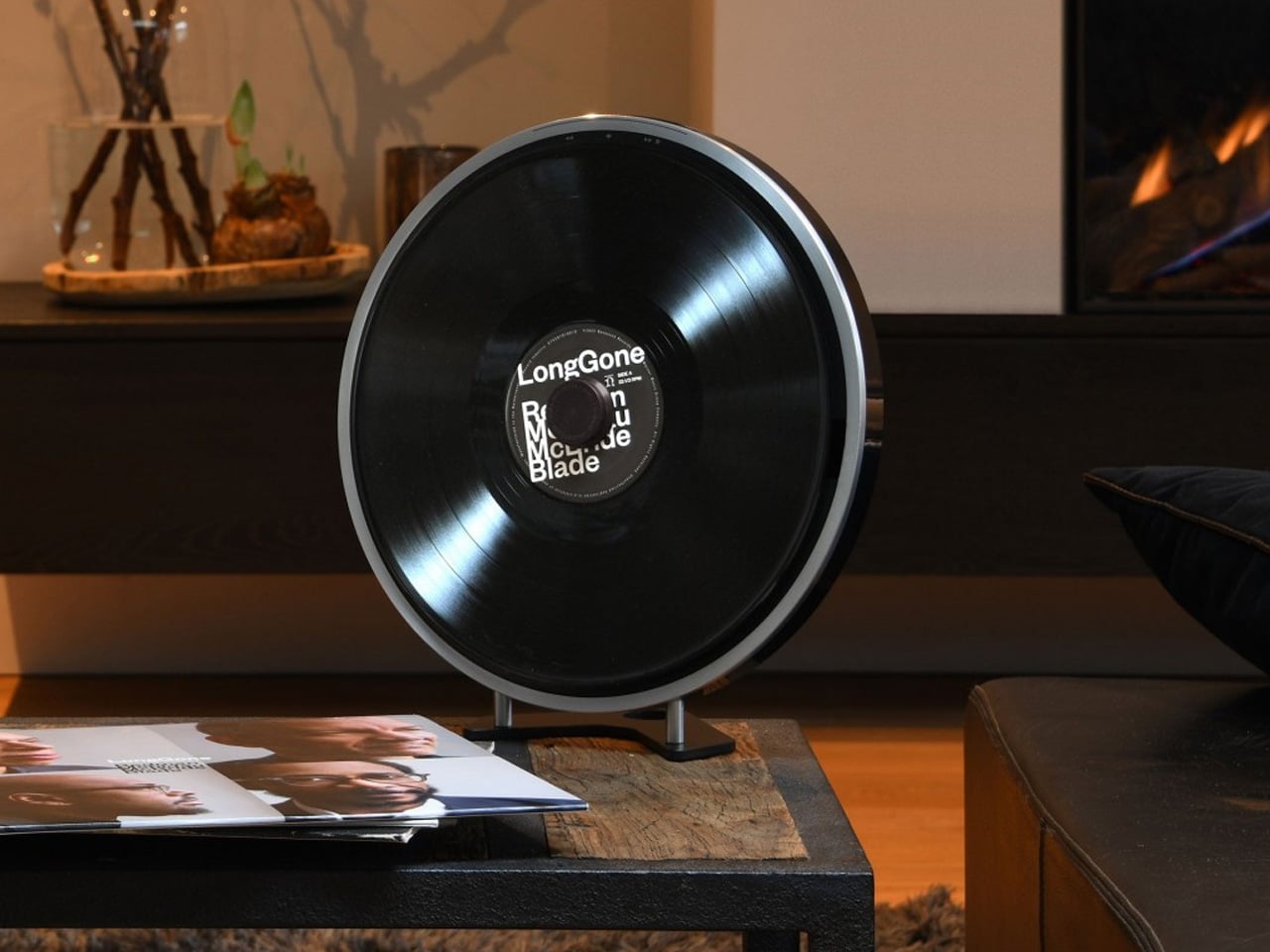
1 month agomodern audio player restores the physical form of music using disc-shaped cartridges
It's similar to a vinyl record, but the tracks are in a USB drive. It has no moving parts inside, so it's totally digital in how it stores sound. But it has a physical shape users can hold, flip over, look at, and collect, so in a way, the designer is asking: what if digital music had a physical body?
Music production
fromeLearning Industry
1 month agoHow To Remove Background Noise From Video: Best Practices For Professional Content
When professionals talk about how to remove background noise from video, they are really talking about improving the audio track of a video so the speaker's voice is clearer, more consistent, and easier to understand. Background noise refers to any unwanted sound that competes with the main voice, like air conditioning hum, office chatter, keyboard typing, traffic, or the low hiss created by recording equipment and compression. In video production, background noise removal is about reducing distractions so the listener can focus on the message.
Film


Music production
fromYanko Design - Modern Industrial Design News
1 month agoElgato's Wave Next Connects Your Mic, Software, and Stream Deck - Yanko Design
Elgato's Wave Next simplifies creator audio by moving complex processing onto custom hardware, eliminating software complications and delivering polished sound directly to applications.


fromThe Verge
1 month agoArturia's FX Collection 6 adds two new effects and a $99 intro version
Pitch Shifter-910 is based on the iconic Eventide H910 Harmonizer from 1974, an early digital pitchshifter and delay with a very unique character. Arturia does an admirable job preserving its glitchy quirks. Pitch Shifter-910 is not a transparent effect that lets you create natural-sounding harmonies with yourself. Instead, it relishes in its weirdness, delivering chipmunk vocals at the higher ranges. There is also a more modern mode that cleans up some artifacts while preserving what makes the 910 so special.
Music
fromWIRED
1 month agoThe Marshall Kilburn III Is a Rocking Brick of Sound
What's wild about this jump in stamina is that it's disproportionate to the battery's capacity. The Kilburn II ships with a 5,200 mAh cell, while the new model is only about 5% bigger: 5,500 mAh. Clearly, some big efficiencies have been gained.
Gadgets
Music
fromYanko Design - Modern Industrial Design News
1 month agoSynth Modular Controller Treats Music Making Like Building with Blocks - Yanko Design
A modular synth system uses snap-together physical blocks for each function, making synthesis tangible, teachable, and scalable from beginner toy to serious performance instrument.
Music production
fromdesignboom | architecture & design magazine
1 month agoelectric guitar-shaped turntable spins vinyl records on frosted platter and wooden base
Clearaudio creates an electric guitar-shaped turntable honoring jazz artist Al Di Meola, featuring high-density wood fiber construction, frosted platter, and advanced vibration isolation through IMS light motor suspension with O-rings.
Music
fromdesignboom | architecture & design magazine
2 months agovintage reel-to-reel tape player returns as modern wooden synthesizer by love hulten
A wooden RGB synthesizer combines vintage reel-to-reel visual cues with stepper-motor-driven red, green, and blue rotating discs and three stacked keyboard rows.
fromEngadget
2 months agoKorg's new experimental synthesizer combines acoustic sounds with electronic control
The Phase8 uses a new form of "acoustic synthesis" that combines acoustic sound generation with electronic control. Takahashi says the synthesizer is "beyond analog vs. digital" and "beyond electronics" altogether. It features chromatically tuned steel resonators, which creates an acoustic sound similar to that of a kalimba. These signals can be manipulated via onboard effects and sequenced like a traditional synthesizer. Here's a video of the synth in action.
Music
fromYanko Design - Modern Industrial Design News
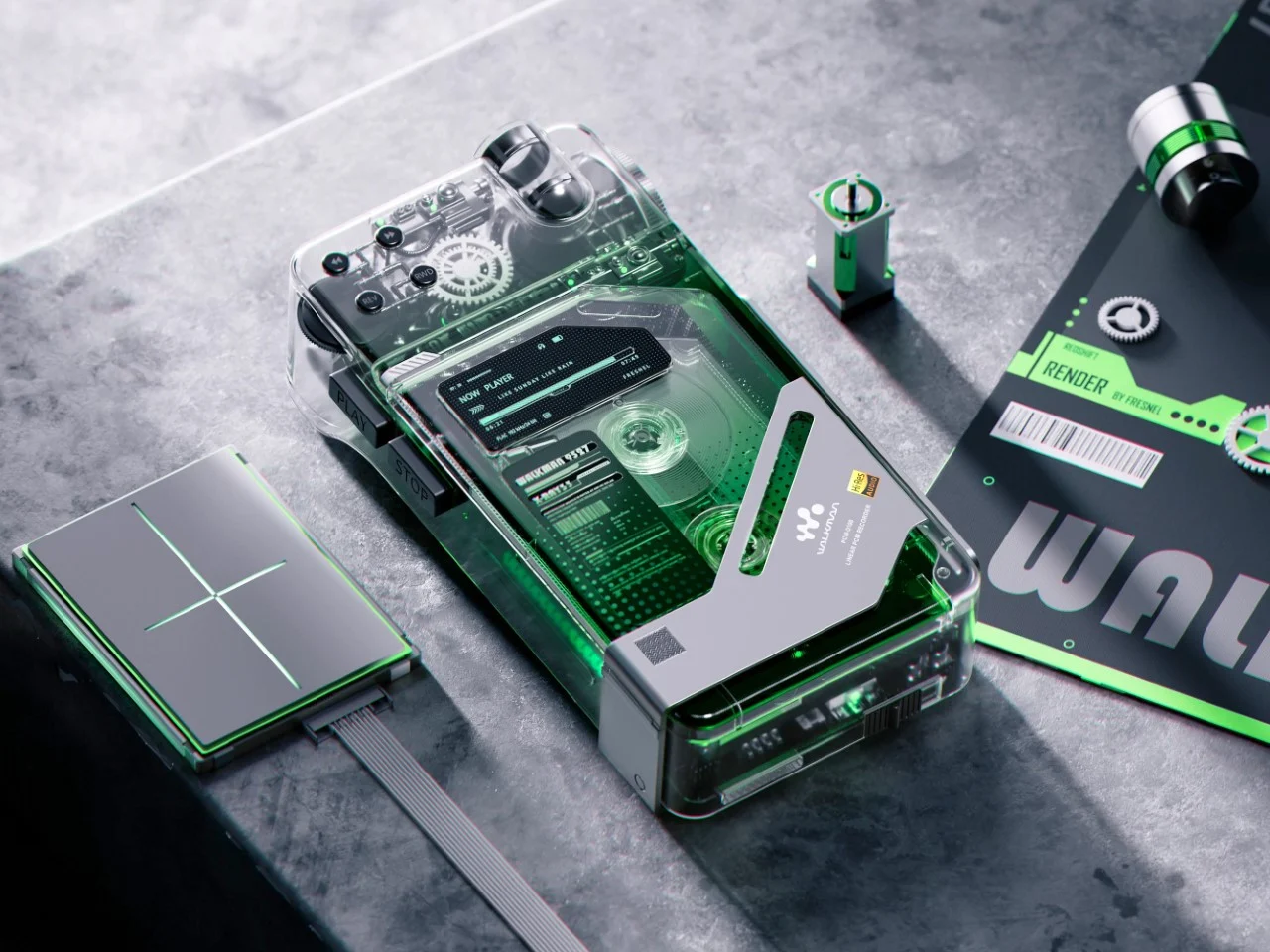
2 months agoThis retro-modern music player revives the hypnotic spin of cassette tapes - Yanko Design
For this time around, however, the concept player here stays within the audio listening gear domain; nonetheless, has clear signs of a TE-inspired design. The retro Bluetooth player is a music accessory that's reminiscent of the classic cassette tape player design, but on the inside, it's a modern music player that plays music wired or wireless. The aesthetics are purely for arousing the nostalgic feel of listening to music on a cassette player, while the audio is digitally played via a DAC for high-resolution output.
Music
Gadgets
fromYanko Design - Modern Industrial Design News
1 month agoRoland's $299 Pocket-Sized Audio Interface Was Designed Specifically For TikTok and Instagram Music Creators - Yanko Design
Portable mixer delivers studio-grade 24-bit/192kHz recording, onboard EQ, compression, reverb, battery power, and compact design tailored for livestreaming creators.
fromWIRED
1 month agoOur Favorite Budget Desktop Speaker Is an Even Better Buy Right Now
They boast clear, vibrant sound that helps bring games, videos, and music to life in a way your monitor and cheaper speakers can only dream of. They stay true to that sound profile even when you crank the volume up, without any distortion or crackling. One of the areas you're compromising on is the bass. A number of our other, more expensive speaker sets include a dedicated subwoofer, which makes a huge difference with those big explosions in your favorite game or movie,
Gadgets
fromEngadget
2 months agoAkai's MPC XL groovebox is the most powerful device the company has ever made
First of all, it offers four times the processing power of previous MPCs, which is enough to load up to 32 virtual instruments at the same time. This is assisted by a full 16GB of RAM, which is a whole lot in this era of AI tomfoolery. The XL can handle 16 audio tracks simultaneously. In my experience with previous units, this is more than enough for a full song.
Music
fromZDNET
1 month agoThese slick desktop speakers sound as good as they look (and the price is right)
When I sit at my desk to work, I play music in the background to avoid getting distracted. For an immersive listening experience that encourages productivity, I typically throw on a pair of headphones, with my current rotation consisting of the Bose QuietComfort Ultra, Sony Ult Wear, and Sennheiser HD 660S2. Also: Spotify vs. Apple Music: I've tried both streaming services, and prefer this one
Gadgets
fromYanko Design - Modern Industrial Design News
2 months agoTeenage Engineering-inspired Music Sampler Uses AI In The Nerdiest Way Possible - Yanko Design
Junho Park's graduation concept borrows all the right cues from TE's playbook, that modular control layout, the single bold color, the mix of knobs and buttons that practically beg to be touched, but redirects them toward a gap in the market. Where Teenage Engineering designs for people who already understand synthesis and sampling, the T.M-4 targets people who have ideas but no vocabulary to express them.
Gadgets


fromThe Verge
2 months agoSony announces its first turntables in years
Both turntables include one-button automatic playback - which starts the turntable, raises and lowers the tonearm on the vinyl, and returns the tonearm to its resting position once the record ends - a transparent dust cover to keep colored vinyl printings visible as the record plays, and a built-in switchable EQ to select between phono and line-level output. A USB output allows you to convert your vinyl to a digital file and has a three-level output gain selector with low, mid, and high settings. The two turntables also support 96kHz/24-bit wireless aptX Adaptive hi-res Bluetooth audio.
Gadgets
fromEngadget
2 months agoRoland's Go:Mixer Studio is an affordable but capable mixer for budding recording engineers
Roland just unveiled the Go:Mixer Studio, a powerful entry in the company's line of audio interfaces. This one promises to be a portable and affordable way to create high-quality recordings with a smartphone or PC. The biggest news here are the 12 input channels and six output channels. This means that users can record multiple instruments at once and even run the signal through outboard gear if so desired.
Gadgets
fromEngadget
2 months agoSennheiser debuts new models of wired headphones and earbuds
Wireless audio has become the industry standard, but there are still options out there for people who prefer a wired connection. Two new choices joining the market come from Sennheiser, which has released the CX 80U wired earbuds and HD 400U wired over-ear headphones. These new takes on the company's previous models for wired listening have replaced the 3.5mm audio jack connector with a USB-C cable.
Gadgets
fromEsquire
2 months agoThese Portable CD Players Combine Modern Tech and Retro Tactility
Chances are this does exactly what you need. It will play your old CDs, your new CDs, your homemade mixtapes, the whole nine yards. You can even listen wirelessly thanks to onboard Bluetooth. It's got a decent battery life that can last you up to six hours, and it uses a USB-C to recharge. We usually have one of those on hand.
Gadgets
[ Load more ]