#eu-bus-market
#eu-bus-market
[ follow ]
#fuel-prices #electric-buses #electric-vehicles #public-transport #sustainability #middle-east-conflict
#electric-vehicles


Alternative transportation
fromLondon Business News | Londonlovesbusiness.com
6 days agoElectric car drivers hit with eye-watering energy costs - London Business News | Londonlovesbusiness.com
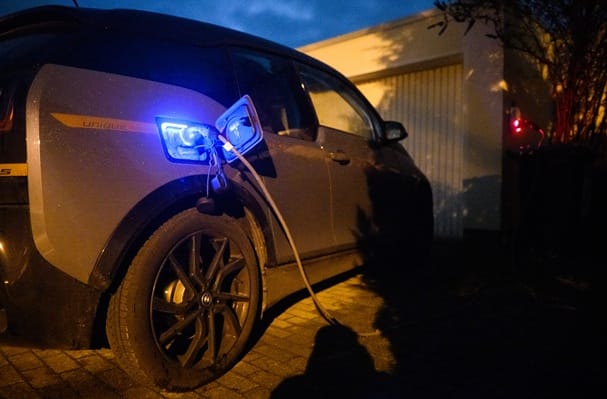
Rising energy costs amid the Middle East oil crisis are significantly increasing electric vehicle charging expenses, potentially deterring drivers from switching from fossil fuels.
fromwww.theguardian.com
13 hours agoHow Paris swapped cars for bikes and transformed its streets
Corentin Roudaut, who once felt overwhelmed by Paris's traffic, found renewed confidence in cycling after the establishment of a segregated bike lane on Boulevard Voltaire. He now actively participates in promoting cycling in the city, witnessing a remarkable transformation in urban mobility and safety over the last decade.
Paris food
fromThe Local France
1 day agoEurotunnel and Eurostar still not ready for EES rollout despite deadline
The new checks, part of the EU's new Entry/Exit System (EES), collect digital personal records of third country nationals travelling to the Schengen area and replace the manual stamping of passports.
EU data protection

World news
fromIrish Independent
2 days agoEU warns it's 'preparing for worst scenarios' and assessing 'all possibilities' including fuel rationing as energy crisis deepens
Tehran plans to charge for passage through the Strait of Hormuz, aiming to ensure safe navigation amid rising tensions with the US.
fromTravel + Leisure
2 days agoThese Are the 10 Best Cities for Digital Nomads-and No. 1 Ranked Highest for Safety, Affordability, and Strong Internet Access
Kraków offers something many digital nomads look for: a walkable historic centre, vibrant café culture and a growing tech and startup scene.
Digital life
#electric-buses
Alternative transportation
fromSustainable Bus
1 week agoMunster expands electric bus rollout to private operators with new e-bus deployment, full electrification targeted by 2029 - Sustainable Bus
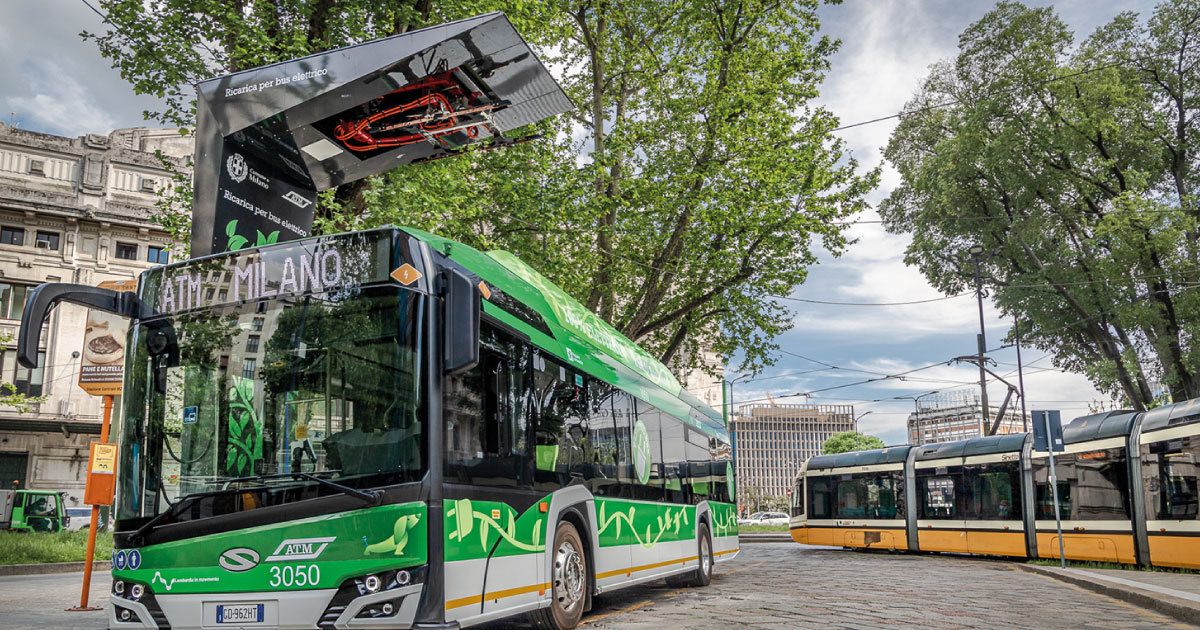
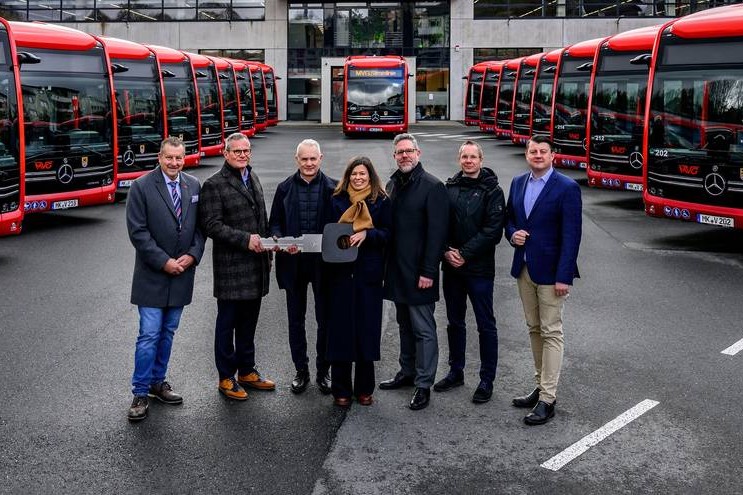
Private operators in Münster are deploying electric buses, contributing to the city's goal of full electrification by 2029.
Alternative transportation
fromSustainable Bus
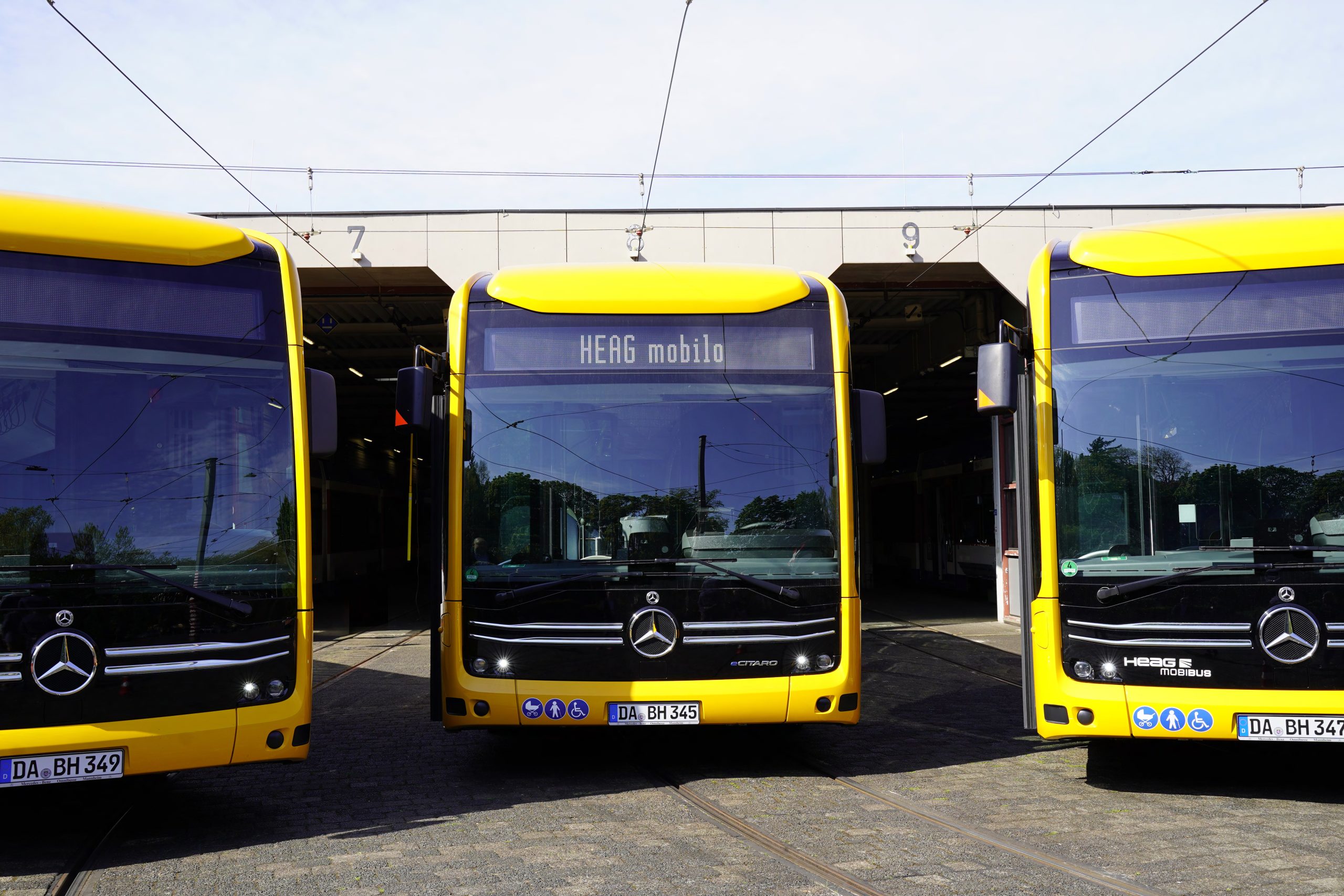
3 weeks agoIveco Bus highlights Crossway Low Entry Elec and e-mobility ecosystem at Berlin's Mobility Move 2026 - Sustainable Bus
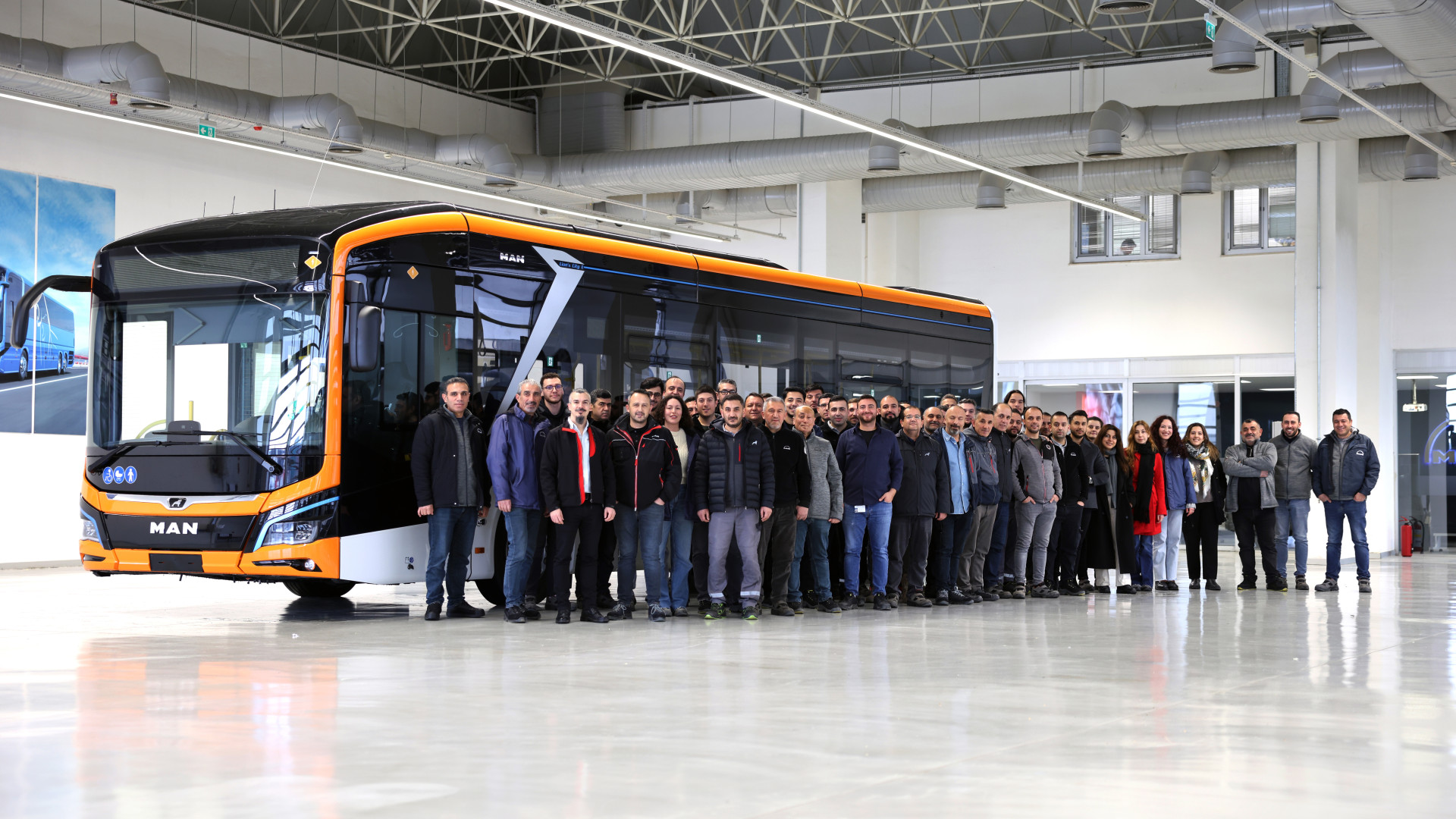
Iveco Bus will showcase the Crossway Low Entry Elec electric bus at Mobility Move 2026 in Berlin, demonstrating its integrated approach to electric mobility through battery-electric vehicles, services, and digital tools.
Alternative transportation
fromSustainable Bus
1 week agoMunster expands electric bus rollout to private operators with new e-bus deployment, full electrification targeted by 2029 - Sustainable Bus
Private operators in Münster are deploying electric buses, contributing to the city's goal of full electrification by 2029.
Alternative transportation
fromSustainable Bus
3 weeks agoIveco Bus highlights Crossway Low Entry Elec and e-mobility ecosystem at Berlin's Mobility Move 2026 - Sustainable Bus
Iveco Bus will showcase the Crossway Low Entry Elec electric bus at Mobility Move 2026 in Berlin, demonstrating its integrated approach to electric mobility through battery-electric vehicles, services, and digital tools.
#windfall-tax
Europe news
fromFortune
1 day agoEuropean ministers urge EU to impose windfall taxes on energy companies as prices spike 'to ensure that this burden is distributed fairly' | Fortune
European finance ministers are urging a bloc-wide windfall tax on energy companies to address rising oil and gas prices and inflation concerns.

fromFast Company
5 days agoHow Paris redesigned itself to be a city of bikes-not cars
"This project is symbolic of what we've done over the last 12 years, reshaping the streets and the city," Christophe Najovski, the city's deputy mayor in charge of green spaces, stated during the opening ceremony.
Paris food
fromSustainable Bus
2 weeks agoBUS2BUS 2026 prepares to gather transport leaders in Berlin with 100+ sessions and 120+ speakers - Sustainable Bus
BUS2BUS 2026 is set to bring together transport, technology and industry stakeholders in Berlin on 15-16 April, with a program centred on artificial intelligence, automation and sustainable mobility. The event, held at the Berlin Exhibition Grounds, will feature more than 100 sessions across four stages and involve over 120 speakers from politics, business, research and operations.
Berlin
#zero-emission-buses
Germany news
fromSustainable Bus
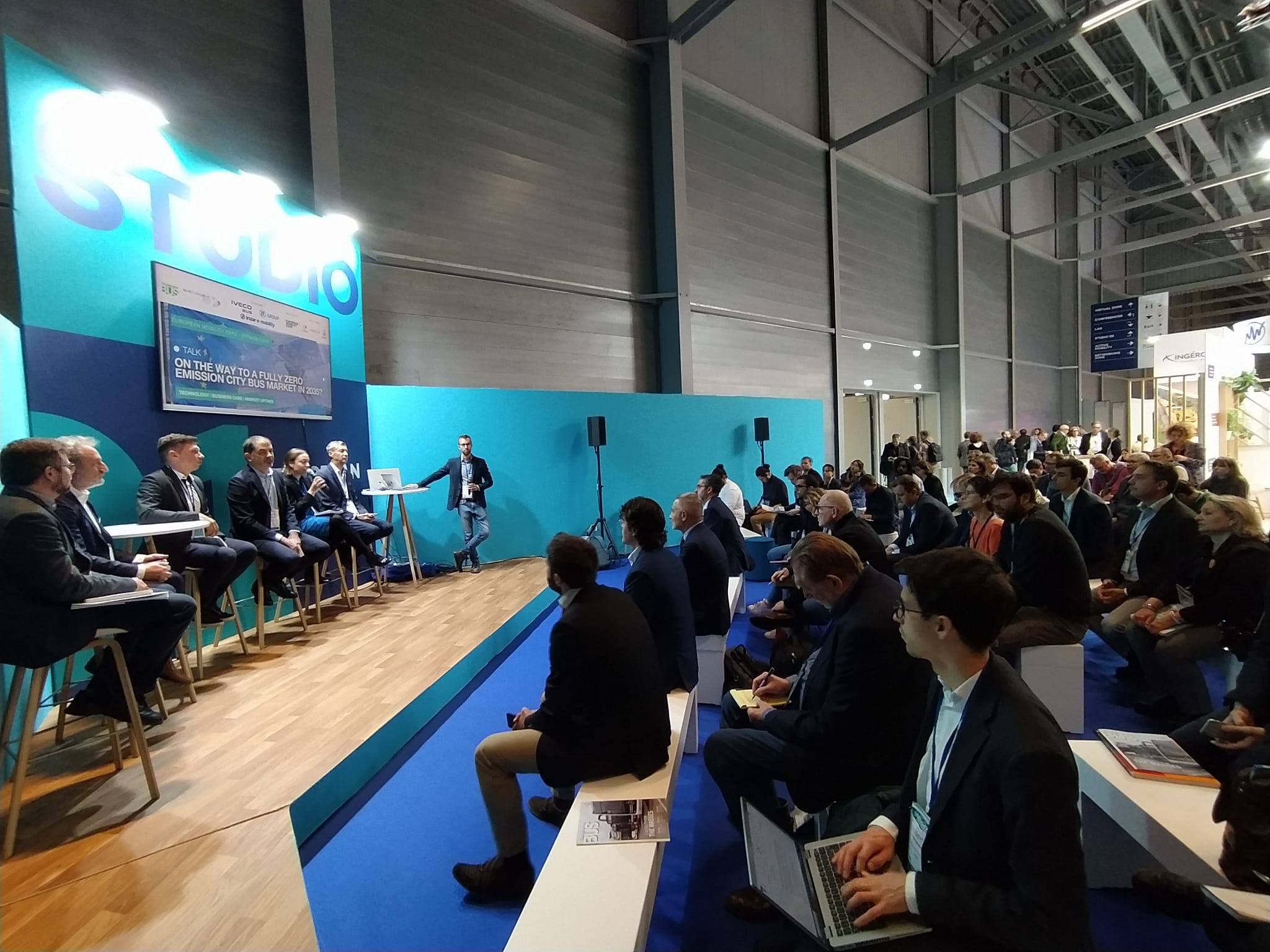
2 weeks agoGermany's e-bus fleet reaches 4,752 units (14%) as 50% of new city buses go zero-emission - Sustainable Bus
Germany's zero-emission city bus fleet reached 4,752 vehicles in 2025, with nearly half of newly registered buses being emission-free, representing 14% of the total city bus fleet.
Germany news
fromSustainable Bus
2 weeks agoGermany's e-bus fleet reaches 4,752 units (14%) as 50% of new city buses go zero-emission - Sustainable Bus
Germany's zero-emission city bus fleet reached 4,752 vehicles in 2025, with nearly half of newly registered buses being emission-free, representing 14% of the total city bus fleet.
Alternative transportation
fromSustainable Bus
6 days agoZero-emission buses move beyond cities: intercity transition in Sustainable Bus' session at BUS2BUS - Sustainable Bus
Electrification of intercity and coach segments in Europe is advancing, requiring new infrastructure and operational strategies for zero-emission mobility.
Alternative transportation
fromSustainable Bus
4 days agoNew certified Ultrafabrics collections target durability and compliance in passenger transport interiors - Sustainable Bus
Ultrafabrics launches new certified collections for passenger transport, combining durability, aesthetics, and sustainability in high-performance upholstery fabrics.
Alternative transportation
fromSustainable Bus
6 days agoHiger posts +14k units sold in 2025 as it expands European cooperation and prepares new e-bus launch - Sustainable Bus
Higer leads in new energy bus sales, focusing on European market expansion and innovative technology for efficiency and reliability.
Germany news
fromSustainable Bus
4 weeks agoFrom electrified fleets to autonomous buses: VDV's Ingo Wortmann outlines priorities for Germany's public transport sector - Sustainable Bus
Germany's public transport sector requires secure financing for infrastructure modernization, fleet electrification, and digitalization to meet 2030 emission-free bus procurement mandates and sustain passenger growth.
fromSustainable Bus
1 month agoEvolution: the practical path to autonomous buses - Sustainable Bus
It's tempting to frame autonomous driving as a single leap. In public transport, adoption tends to be incremental - because the system is built for reliability, and new capabilities have to fit into daily operations without disrupting service. That is why a practical strategy is evolution, not revolution: introduce autonomy in a defined domain, learn safely in real operations, and expand capability step-by-step.
Artificial intelligence
Alternative transportation
fromSustainable Bus
1 week agoOmnibusspiegel Ebus Test 2026: Wrightbus, MCV, Wisdom and BYD among vehicles under evaluation in Bonn - Sustainable Bus
The Omnibusspiegel E-Bus Test 2026 in Bonn focuses on evaluating fuel cell buses and battery-electric midibuses from March 23 to 27.
Alternative transportation
fromSustainable Bus
1 week agoBEV buses to dominate, delivery capability to decide market shares. Martin Schmitz outlines VDV's view - Sustainable Bus
Decarbonisation of public transport and integration of autonomous technologies are key challenges for the industry in Germany.
Alternative transportation
fromSustainable Bus
2 weeks agoWhat we have seen at Mobility Move 2026? - Sustainable Bus
Mobility Move Berlin is a professional gathering for the German public transport industry to discuss challenges and innovations, not a product launch venue, featuring conference sessions and exhibitions with growing international participation.
fromwww.theguardian.com
1 month agoFerries emit more sulphur pollution than cars' in several EU capitals
Europe's ageing fleet of nearly 2,000 ferries are a large but overlooked source of foul air in coastal cities. Emissions of sulphurous oxides toxic gases that smell like burnt matches and rotten eggs react to form tiny particles that penetrate the lungs, ride the bloodstream and damage organs throughout the body.
Europe news
fromSustainable Bus
2 weeks agoRiga set to order up to 100 new trolleybuses
The planned order is expected to include 12-meter and 18-meter vehicles, and potentially also 24-meter bi-articulated trolleybuses. All units will be equipped with traction batteries enabling off-wire operation. The new trolleybuses are expected to cover at least 20 kilometers without overhead wires, while remaining fully compatible with Riga's extensive existing trolleybus infrastructure.
Alternative transportation
Alternative transportation
fromSustainable Bus
2 weeks agoSolaris battery retrofit offer: 170 e-buses in pipeline, 1,300 targeted - Sustainable Bus
Solaris launched a battery retrofit programme in December 2025 for over 1,300 early-generation electric buses delivered between 2013 and 2019, with 170 vehicles already undergoing retrofits across Europe.
Alternative transportation
fromNature
2 weeks agoAffordable mobility for all: why we need smaller, cheaper electric vehicles
Low-speed electric vehicles offer affordable, practical decarbonization for underserved populations but remain overlooked due to bias toward expensive, high-tech solutions and nationalist trade policies.
Berlin
fromSustainable Bus
2 months agoTowards BUS2BUS 2026: industry stakeholders meet in Berlin on 15-16 April to address future bus mobility - Sustainable Bus
BUS2BUS 2026 convenes industry stakeholders in Berlin April 15–16, 2026 to showcase and advance alternative drives, sustainable mobility, digital solutions, and practical vehicle demonstrations.
fromSustainable Bus
2 months agoMobility Move 2026 puts the spotlight on the future of road-based public transport (Berlin, 10 to 12 March) - Sustainable Bus
The Estrel Berlin hotel hosted in 2025 around 1,500 participants, 150 speakers, and over 100 exhibitors, with more than 20 vehicles on display across 7,500 square meters of exhibition space. The event has grown from its origins as the "VDV Electric Bus Conference and Trade Fair ElekBu" into a hub where operators, manufacturers, service providers, public authorities, policymakers, and associations exchange ideas and explore the future of mobility.
Germany news
Alternative transportation
fromSustainable Bus
1 month agoEuropean electric bus market grows nearly 50% to 11,607 units in 2025 as MAN and BYD more than triple volumes - Sustainable Bus
European electric bus registrations surged 48% to 11,607 units in 2025, with MAN and BYD achieving exceptional growth while Yutong maintained market leadership.
fromSustainable Bus
1 month agoKonvekta to present CO-based thermal management systems for electric buses at mobility move 2026 - Sustainable Bus
Heating, cooling, and battery temperature control are among the biggest energy consumers in electric buses today - and thus have a direct impact on range, availability, and operating costs.
Alternative transportation
Alternative transportation
fromSustainable Bus
1 month agoFrom e-coaches to UITP insights on MENA, Altas industrial strategy and Europe's trolleybus revival (and more) in new Sustainable Bus magazine - Sustainable Bus
Europe's e-bus sector achieved over 9,000 registrations in 2025 with 40% growth, while the bus and coach industry undergoes rapid transformation driven by electrification, battery strategies, charging infrastructure, and emerging driverless technologies.
Alternative transportation
fromSustainable Bus
2 months agoFIAA 2026 positions itself as the bus and coach sector's key strategic partner - Sustainable Bus
FIAA 2026 will focus on internationalisation, sustainability and digitalisation to support manufacturers, operators and authorities addressing regulation, driver recruitment, franchise renewals, investment and profitability.
[ Load more ]