#european-migration-policy
#european-migration-policy
[ follow ]
#migrants
France news
fromLondon Business News | Londonlovesbusiness.com
4 days agoTwo migrants dead as Channel crossing ends in tragedy amid UK-France deal talks - London Business News | Londonlovesbusiness.com
Two migrants died and one is missing after attempting to cross the English Channel, prompting a rescue operation.
fromThe Local France
1 day agoEurotunnel and Eurostar still not ready for EES rollout despite deadline
The new checks, part of the EU's new Entry/Exit System (EES), collect digital personal records of third country nationals travelling to the Schengen area and replace the manual stamping of passports.
EU data protection
#germany
Germany politics
fromwww.dw.com
3 days agoGerman Chancellor Merz has never been more unpopular
Germany's coalition government faces record dissatisfaction, with 84% of voters unhappy and leaders' approval ratings plummeting.

Germany politics
fromwww.dw.com
4 days agoGermany's Merz sees backlash over Syrian refugee comment
Chancellor Friedrich Merz stated that 80% of Syrians in Germany should return home, sparking controversy and denial from Syrian President Ahmed al-Sharaa.



World news
fromIrish Independent
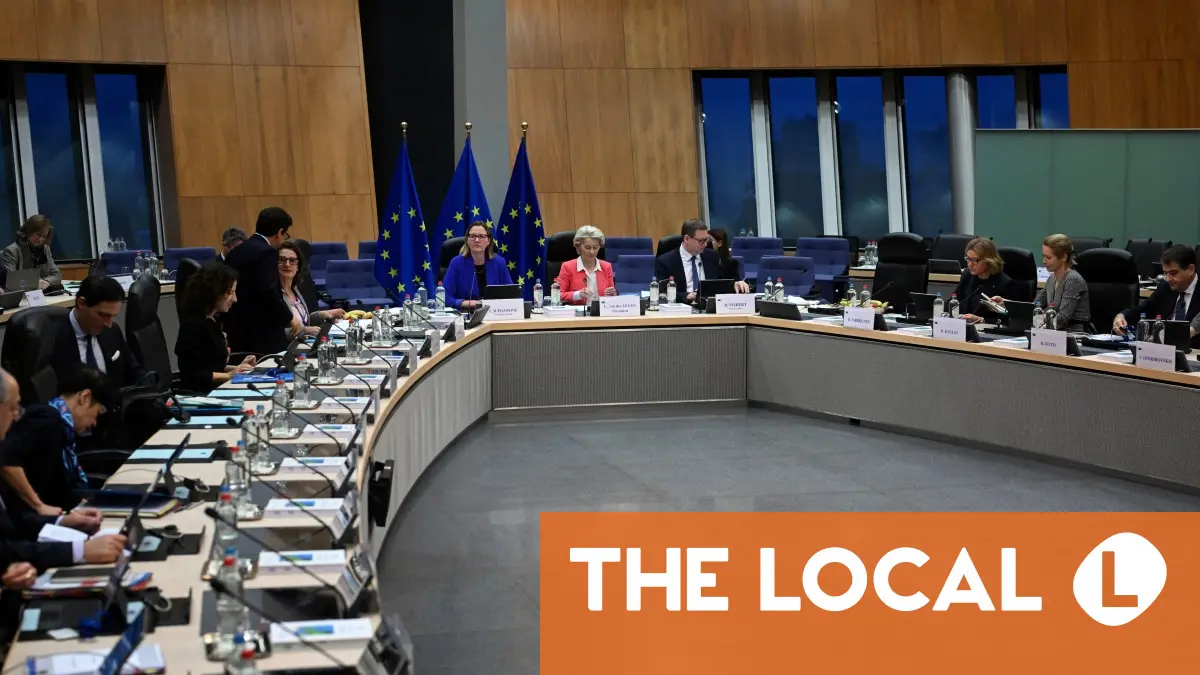
2 days agoEU warns it's 'preparing for worst scenarios' and assessing 'all possibilities' including fuel rationing as energy crisis deepens
Tehran plans to charge for passage through the Strait of Hormuz, aiming to ensure safe navigation amid rising tensions with the US.




fromTravel + Leisure
2 days agoThese Are the 10 Best Cities for Digital Nomads-and No. 1 Ranked Highest for Safety, Affordability, and Strong Internet Access
Kraków offers something many digital nomads look for: a walkable historic centre, vibrant café culture and a growing tech and startup scene.
Digital life




fromwww.independent.co.uk
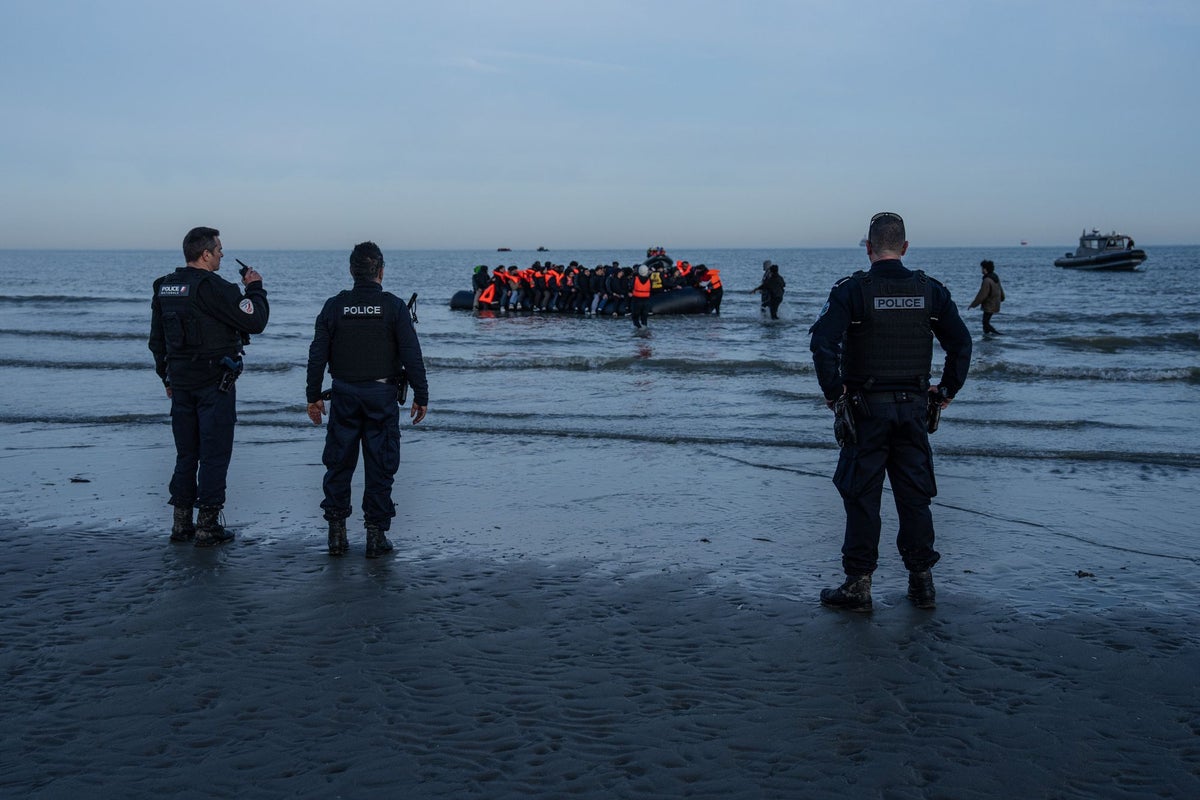
3 weeks agoOnly 12 migrants a week returned to France under Starmer's one in, one out' policy
Sir Keir Starmer's flagship "one in, one out" scheme is returning only 12 migrants a week to France, falling short of the initial promise of 50 per week. Since its launch last August, 377 people have been returned to France under the pilot, while 380 migrants have been allowed to apply for asylum in the UK from France.
UK politics


fromwww.dw.com
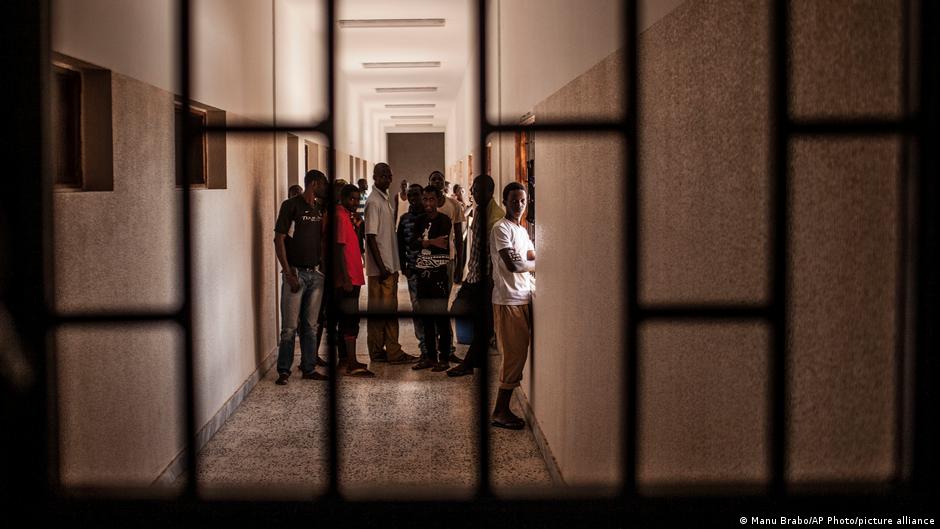
1 month agoGermany news: New rules aim to give asylum-seeker job access
SPD Secretary General Tim Klussendorf told the newspapers of the Redaktionsnetzwerk Deutschland on Sunday that the ruling coalition should now move swiftly to make the ban a reality. "We finally need clear rules on digital platforms. Addiction-inducing algorithms, hate, and bullying are a massive problem for our entire society and can be particularly dangerous and harmful to children and young people," he said.
Miscellaneous
fromwww.wanderwithjo.com
4 months agoHow To Benefit From Schengen and Non-Schengen Borders and How They Actually Work
At first, it sounds almost too simple like someone claiming they've solved European immigration with nothing more than a calendar and a backpack. But this little pattern, when used intentionally and legally, becomes one of the most elegant travel strategies in the world. It lets you stay in Europe far longer than any tourist visa seems to allow, all without breaking rules, overstaying, or navigating complicated immigration systems.
Travel
fromwww.thelocal.com
3 weeks agoWhich European countries have the toughest rules for citizenship in 2026?
Gaining citizenship through family or through marriage is possible, but if you don't have any useful relatives or an EU spouse you'll be looking at getting citizenship through residency. From residency requirements to rules on dual nationality, every country in Europe has its own way of tackling naturalisation.
Europe politics

fromwww.dw.com
1 month agoGermany cuts funding for integration of refugees
Muge Tuzcu Karakoc is certain that without an integration course, she would probably still not have properly settled in Germany by now. The Turkish journalist has been living in Germany for seven years. But it was only in 2024, when she started studying German every day alongside Ukrainians, Syrians, and Iranians that she felt the country she now lives in really opened its doors to her.
Germany news
fromwww.dw.com
2 months agoHow does Germany deport people?
Germany has no equivalent of the US' specialized Immigration and Customs Enforcement (ICE) agency, though that would change if the Bavarian branch of the far-right Alternative for Germany (AfD) had its way. Apparently directly inspired by the actions of ICE under President Donald Trump's administration, an internal paper from the far-right party seen by the German newspaper taz this week proposed that a new authority be created within the Bavarian state police named the Asyl-, Fahndungs- und Abschiebegruppe (AFA), or the "Asylum, Tracing and Deportation group."
Germany news
fromwww.dw.com
2 months agoEU asylum policy: What changes for refugees in Germany?
The Common European Asylum System (CEAS) is the European Union's legal framework to create uniform, fair, and efficient standards for processing asylum applications. The system's reform, agreed in 2024, will become legally binding in Germany and throughout the EU in June, 2026. EU member states had a two-year implementation period during which the new rules including stricter border procedures were transposed into national law.
Europe politics
Europe politics
fromwww.theguardian.com
2 months agoEurope is at a turning point. Timid EU elites should take lessons from The Leopard
Europe faces potential absolute decline as geopolitical rivals press influence, domestic elites pursue managed decline, and cultural reflection may offer lessons for political renewal.
[ Load more ]