#european-pricing
#european-pricing
[ follow ]
#inflation #middle-east-conflict #fuel-prices #energy-prices #germany #eu #monetary-policy #brexit #citizenship
fromThe Local France
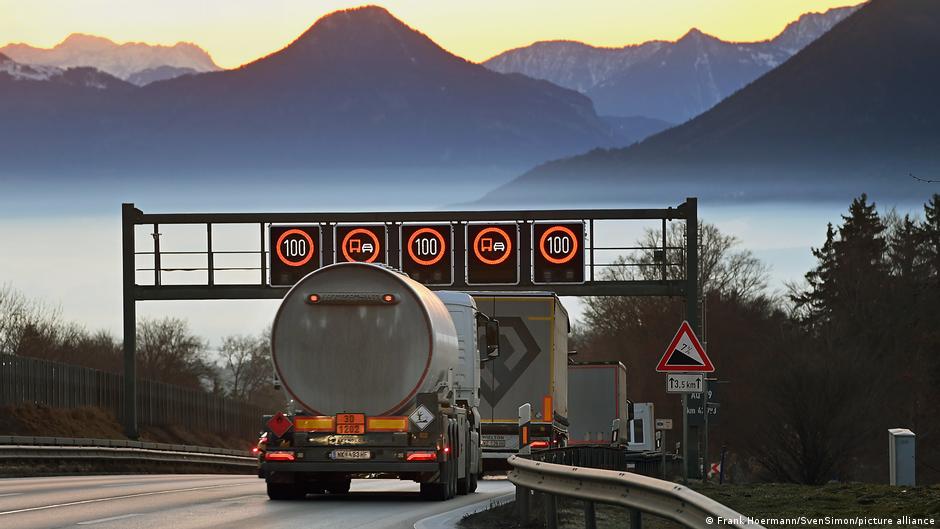
5 hours agoEurotunnel and Eurostar still not ready for EES rollout despite deadline
The new checks, part of the EU's new Entry/Exit System (EES), collect digital personal records of third country nationals travelling to the Schengen area and replace the manual stamping of passports.
EU data protection
World news
fromIrish Independent
1 day agoEU warns it's 'preparing for worst scenarios' and assessing 'all possibilities' including fuel rationing as energy crisis deepens
Tehran plans to charge for passage through the Strait of Hormuz, aiming to ensure safe navigation amid rising tensions with the US.
#germany
Germany politics
fromThe Local Germany
2 days agoToday in Germany: A roundup of the latest news on Thursday
Germany's government approval rating drops to 15%, the lowest ever, amid rising discontent and political shifts.

Germany news
fromwww.dw.com
1 week agoGermany news: Iran war stokes new inflation fears
A third of Germans anticipate significant price increases for food, energy, and transport due to inflation concerns.
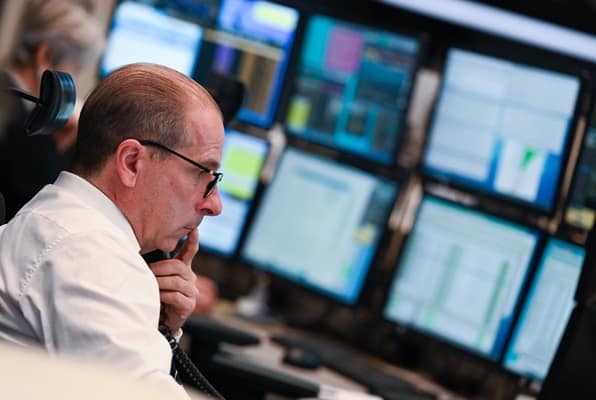

fromLondon Business News | Londonlovesbusiness.com
2 days agoUS dollar rose amid a rebound in geopolitical concerns - London Business News | Londonlovesbusiness.com
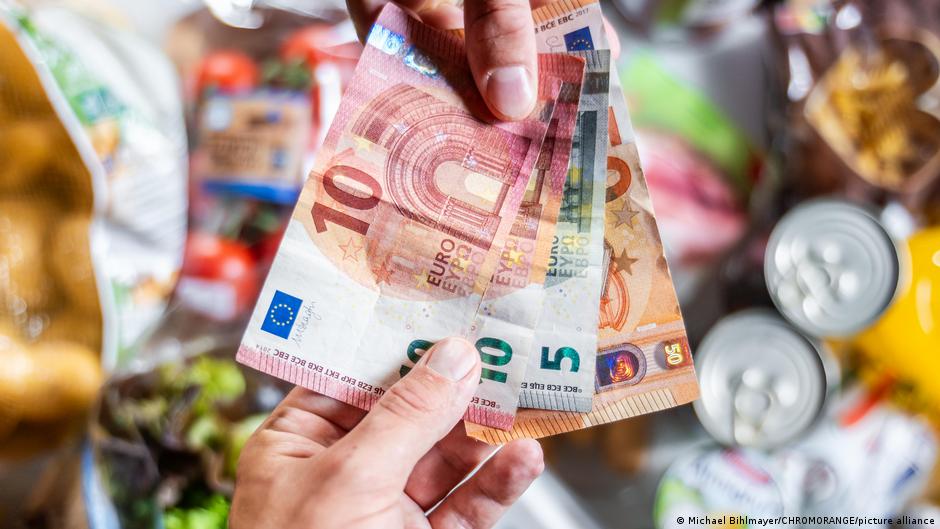
The US dollar returned to the upside as geopolitical fears rebounded after US President Trump's address to the nation. The rhetoric fuelled risk aversion and flows toward the dollar while oil prices surged.
US Elections
fromBusiness Matters
4 days agoFrom Tactical Units to Boardrooms: Frank Elsner's Evolving Career
I've always been interested in structure and teamwork. Growing up, I was very active in sport. I wrestled competitively and was ranked in the province. That taught me discipline and the importance of working together towards a common goal.
Canada news
fromLondon Business News | Londonlovesbusiness.com
4 days agoUS dollar stable near recent highs - London Business News | Londonlovesbusiness.com
Escalating geopolitical risk continued to dominate global markets' concerns, with safe-haven demand keeping the dollar index anchored near a multi-week high.
World politics
fromLondon Business News | Londonlovesbusiness.com
5 days agoGlobal markets react to geopolitical tensions and rising energy costs - London Business News | Londonlovesbusiness.com
U.S. financial markets experienced a volatile week, largely influenced by geopolitical developments in the Middle East and fluctuations in energy prices. Investor sentiment was driven primarily by external events rather than domestic fundamentals.
Business
World news
fromLondon Business News | Londonlovesbusiness.com
3 days agoDollar extends pullback amid softer labour signals and easing risks - London Business News | Londonlovesbusiness.com
The dollar weakened due to softening monetary policy expectations and reduced demand as a safe-haven asset amid easing Middle East tensions.
World politics
fromLondon Business News | Londonlovesbusiness.com
5 days agoUS dollar stable after successive gains - London Business News | Londonlovesbusiness.com
Escalating Middle East tensions are influencing market sentiment, keeping the dollar stable and impacting US Treasury yields amid inflation concerns.
UK politics
fromLondon Business News | Londonlovesbusiness.com
5 days agoReeves under pressure to scrap fuel duty rise as Europe shields motorists - London Business News | Londonlovesbusiness.com
Chancellor Rachel Reeves faces pressure to reconsider a planned fuel duty increase amid rising oil prices and calls for government intervention.
Retirement
from24/7 Wall St.
3 weeks agoEuropean Financials Are Surging: This ETF Is How Retirees Are Capturing the Rally
European bank stocks delivered exceptional returns over the past year, with EUFN providing U.S. investors direct access to this rally through a single, low-cost fund tracking European financial companies.
fromwww.theguardian.com
1 week agoGovernments controlling prices? It has long been unthinkable but may now be inevitable | Andy Beckett
The orthodoxy across much of the world has been that only markets should decide what things cost, as argued by influential economists like Friedrich Hayek.
Europe politics
European startups
fromFortune
3 weeks agoEurope's second chance on AI: building an opportunity in factories, labs, and the real economy | Fortune
Europe's scientific talent, industrial strength, and multi-sector ecosystems position it to lead the next AI innovation wave focused on robotics, manufacturing, chemistry, and healthcare rather than large language models.
World politics
fromLondon Business News | Londonlovesbusiness.com
1 month agoThe Euro Could Head Closer to Unity with the Dollar - London Business News | Londonlovesbusiness.com
EUR/USD declines toward parity as energy crisis concerns and rising eurozone inflation pressure the euro while US Treasury yields support dollar strength.
#eu-capital-markets-integration
Europe politics
fromThe Local Germany
2 weeks agoWhat you should know about the EU's plan to tap your savings
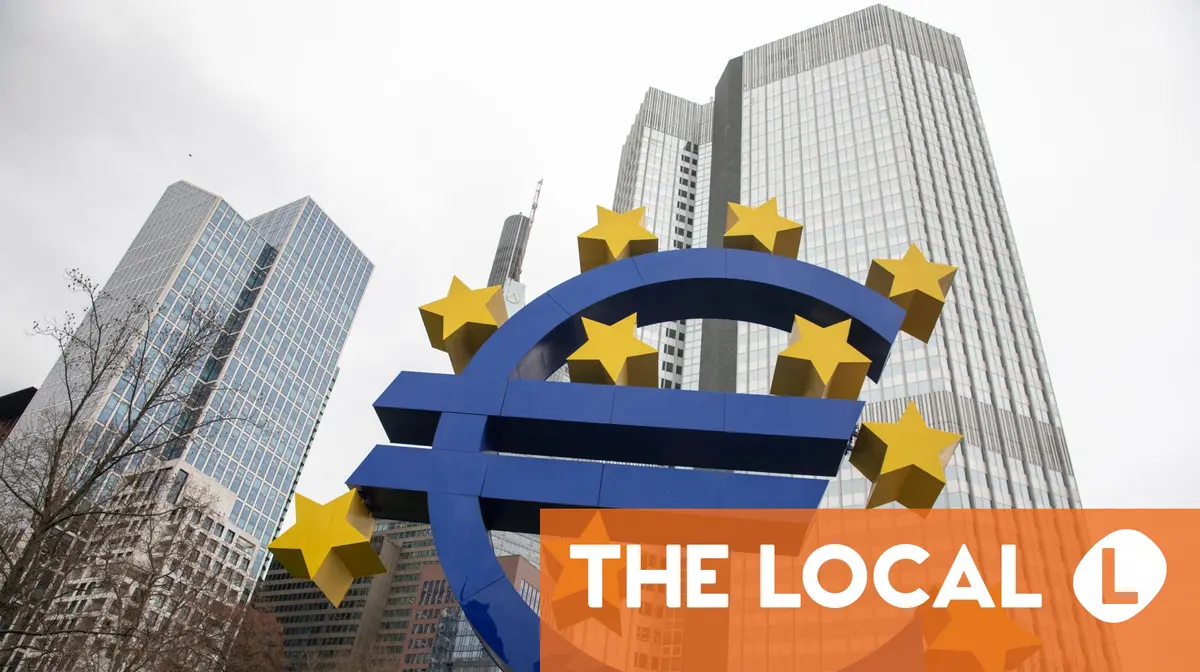
The EU revives its decade-old capital market integration plan, now called the Savings and Investments Union, to compete with the US and China while addressing market fragmentation and investment barriers.
Europe politics
fromThe Local France
2 weeks agoWhat you should know about the EU's plan to tap your savings
The EU revives its decade-old capital market integration plan, now called the Savings and Investments Union, to compete with the US and China while addressing market fragmentation and investment barriers.
#eurusd
Europe news
fromLondon Business News | Londonlovesbusiness.com
1 week agoEuro rally falters as dollar regains strength on 'higher for longer' rates - London Business News | Londonlovesbusiness.com
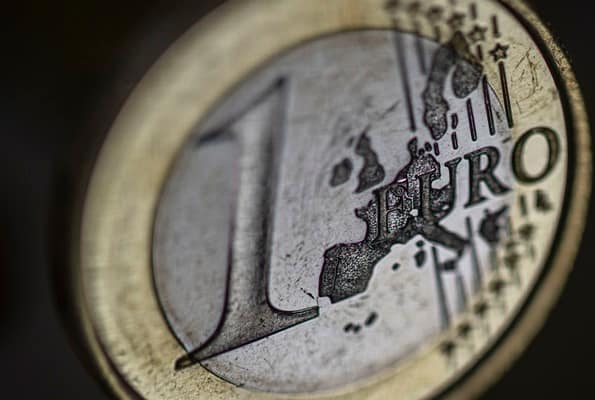
EURUSD recovery shows fading momentum, reflecting a corrective rally rather than a trend reversal amid complex macroeconomic conditions.
Europe news
fromLondon Business News | Londonlovesbusiness.com
1 week agoEuro rally falters as dollar regains strength on 'higher for longer' rates - London Business News | Londonlovesbusiness.com
EURUSD recovery shows fading momentum, reflecting a corrective rally rather than a trend reversal amid complex macroeconomic conditions.
Europe politics
fromwww.thelocal.com
2 weeks agoWhat you should know about the EU's plan to tap your savings
The EU revives its decade-old Capital Markets Union plan, now called the Savings and Investments Union, to compete with the US and China by unifying fragmented national financial markets and redirecting €10 trillion in citizen savings from bank deposits into investments.
fromLondon Business News | Londonlovesbusiness.com
2 weeks agoEurozone inflation edges up as ECB prepares for key rate decision - London Business News | Londonlovesbusiness.com
Services experienced the highest annual increase at 3.4%, followed by food, alcohol, and tobacco at 2.5%. Non-energy industrial goods saw a more modest increase of 0.7%. Meanwhile, energy prices fell by 3.1% over the month, which helped to temper overall inflation pressures.
Europe news
fromLondon Business News | Londonlovesbusiness.com
2 weeks agoECB decision and high oil prices fuel caution - London Business News | Londonlovesbusiness.com
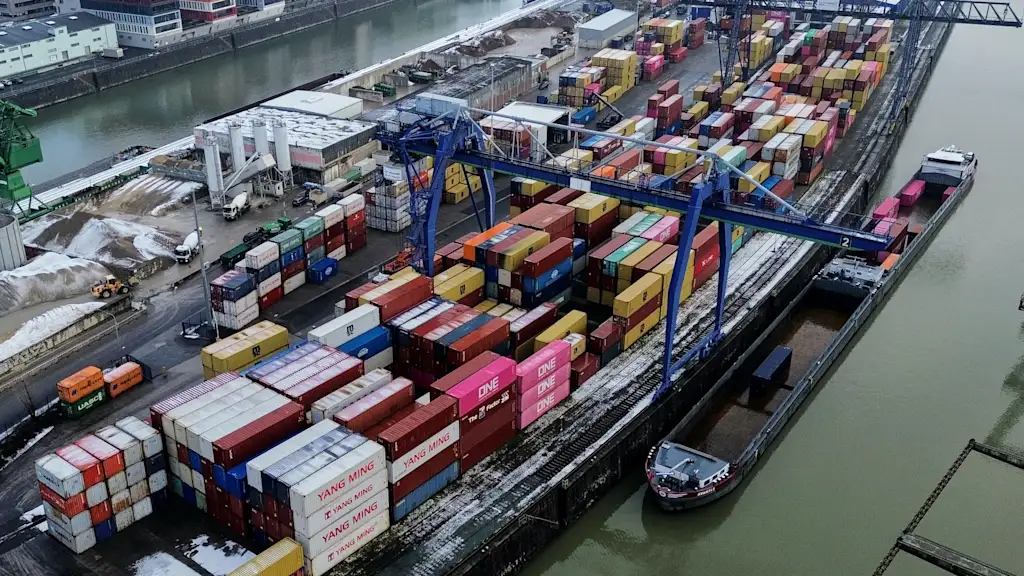
Markets remain fragile amid persistent geopolitical tensions in the Middle East, which have pushed oil prices higher and revived concerns about inflation in Europe. While interest rates are expected to remain unchanged, attention could turn to the ECB's forward guidance and assessment of energy-driven price risks.
Europe news
fromThe Local France
1 month ago'Made in Europe': New Push to buy European causes splits in bloc
The European Commission, the EU's executive arm, will next week propose new rules that are expected to include a requirement for companies in strategic sectors to produce in Europe if they want to receive public money. But the definition of "European preference" has triggered debate, with calls especially from France for more "Made in Europe", while other EU states such as Germany call for "Made with Europe".
France news
#eu-industrial-policy
Europe politics
fromwww.dw.com
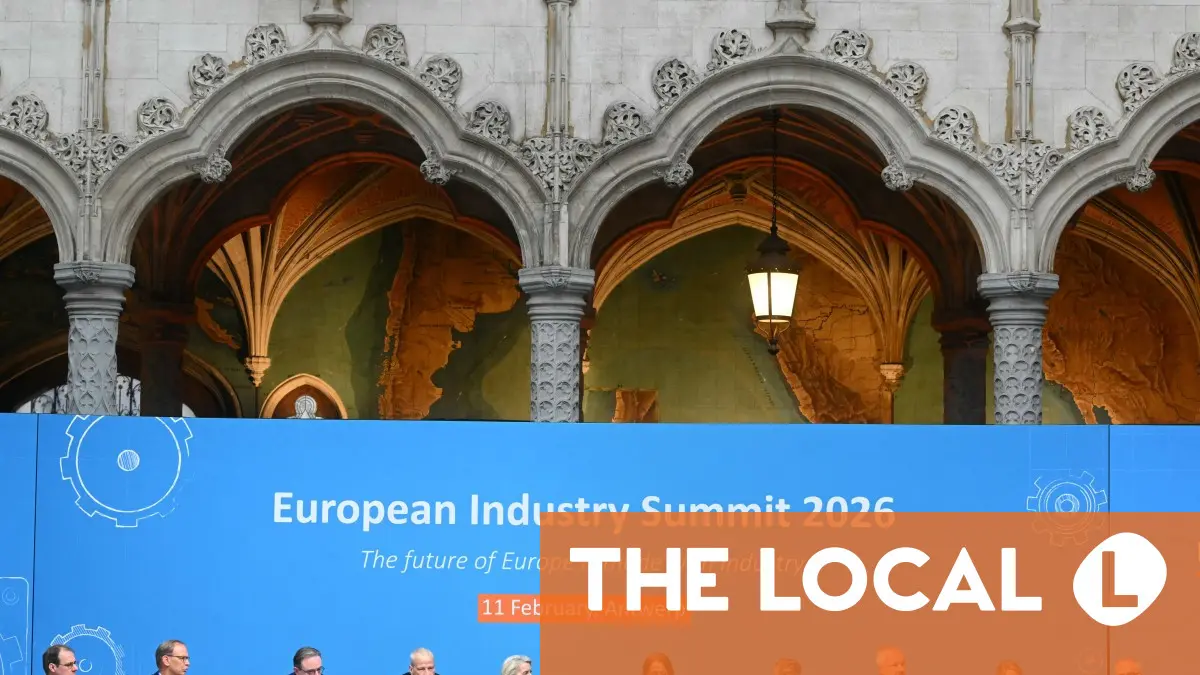
1 month ago'Made in EU' proposals put forward to boost manufacturing
The European Commission proposes minimum requirements for public procurement to boost European manufacturing in key sectors including steel, cement, aluminum, and green technologies, with specific production quotas and workforce restrictions.
Europe politics
fromwww.dw.com
1 month ago'Made in EU' proposals put forward to boost manufacturing
The European Commission proposes minimum requirements for public procurement to boost European manufacturing in key sectors including steel, cement, aluminum, and green technologies, with specific production quotas and workforce restrictions.
Miscellaneous
fromLondon Business News | Londonlovesbusiness.com
2 months agoEuro under pressure as geopolitical risks and weak PMI data dent sentiment - London Business News | Londonlovesbusiness.com
Euro fell against major currencies as investors sought safe havens amid Latin American geopolitical escalation and weak euro-area macro data, risking ECB policy shifts.
Miscellaneous
fromFortune
2 months ago7 ways Europe could hurt the U.S. if Trump doesn't back down over Greenland | Fortune
The European Union can deploy tariffs, investment restrictions, digital regulation, buy-local procurement, and anti-coercion measures to economically retaliate against U.S. pressure over Greenland.
Europe politics
fromwww.theguardian.com
2 months agoThe Guardian view on Europe's payments problem: sovereignty starts at the till | Editorial
Europe needs a sovereign, state-backed payment infrastructure like India's UPI to avoid dependence on US-controlled card networks and vulnerability to sanctions.
fromwww.theguardian.com
1 month agoThe Guardian view on a Made in Europe' industrial strategy: an idea whose time has come | Editorial
Given the daunting nature of the challenges they face in the era of Donald Trump, it is perhaps understandable that European politicians should wish to get away from it all. This week, in what is being billed as a leaders' retreat, a remote castle in the Belgian countryside has been selected for an EU summit on competitiveness. The pastoral setting may soothe the spirits of attending heads of state; but it belies the urgency of the debate they need to have.
Europe politics
[ Load more ]