OMG science
fromArs Technica
1 day agoNew fossil deposits show complex animal groups predating the Cambrian
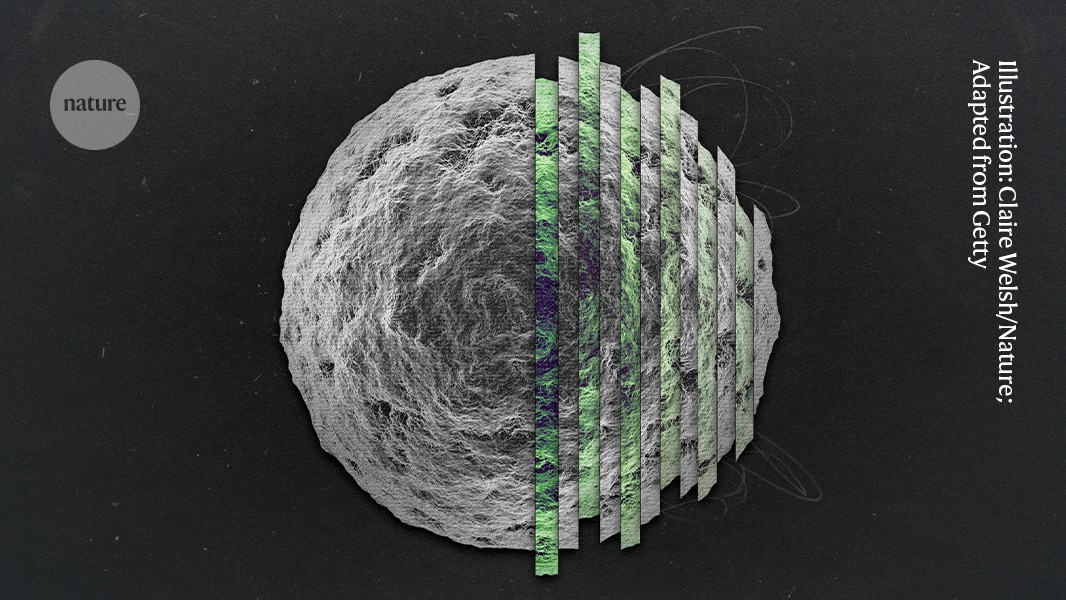
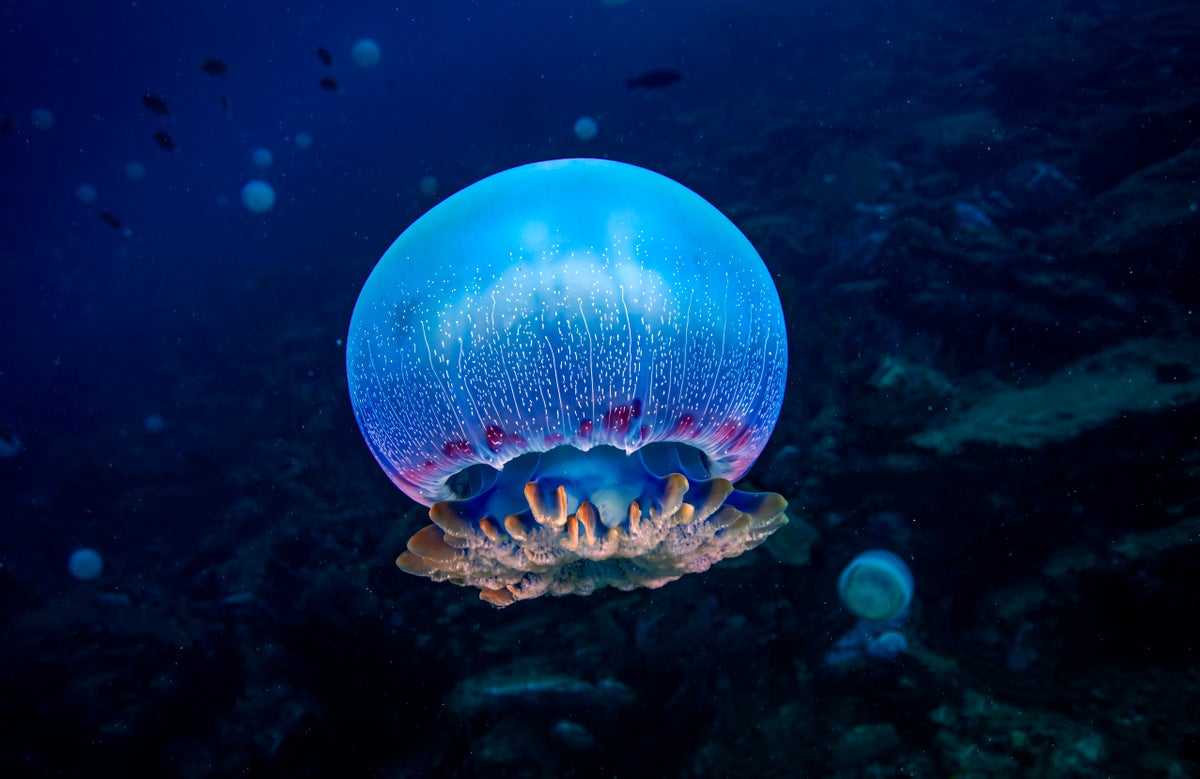
Ediacaran species reveal early animal diversity, including cnidarians and ctenophores, pushing back the timeline of their origins.
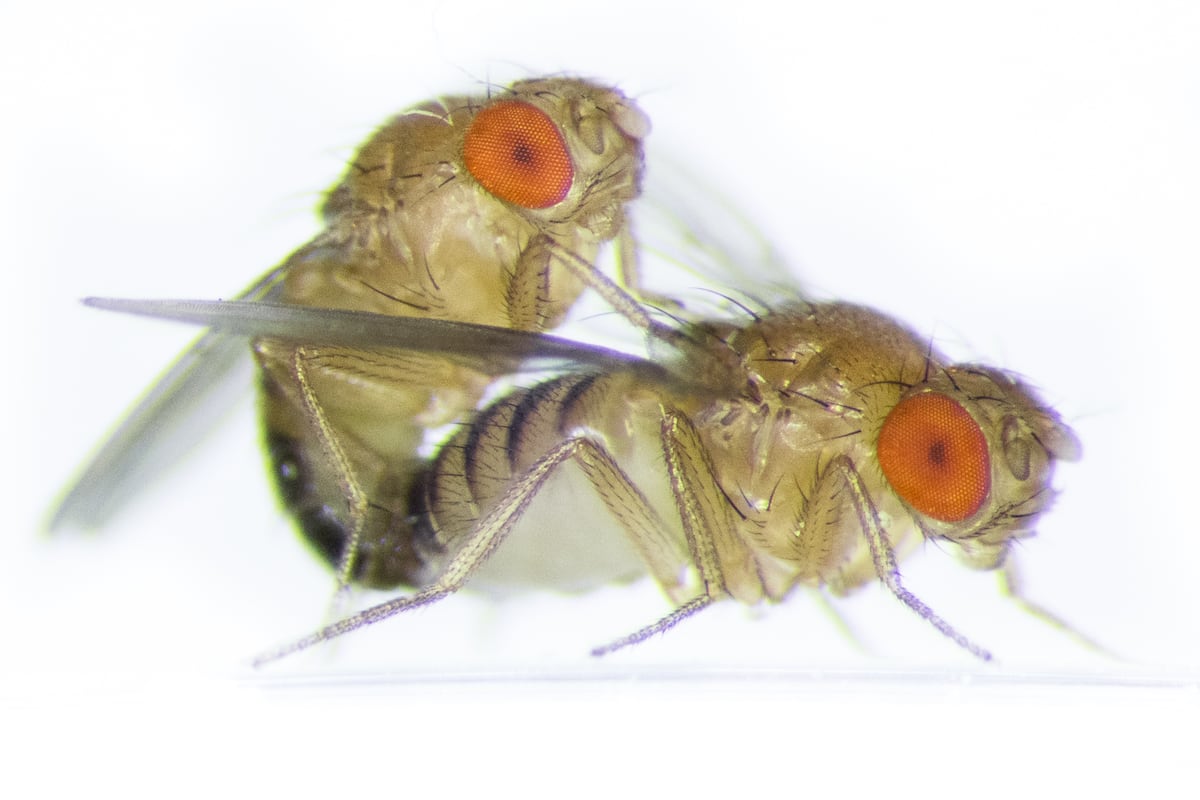
The vast majority of animal species on this planet lay eggs, most insects, most fish, most amphibians, most reptiles, all birds, and even a few mammals lay eggs to reproduce. And if you go back far enough, you can see that our ancestors laid eggs for millions of years too.
The lava heron also has a much thicker bill than other closely related herons - an adaptation linked to feeding among sharp volcanic rocks and hard-shelled prey. "What we learned was something that hadn't been reported before," Mendales said. The discovery underscores how much remains unknown, even in iconic places like the Galápagos, said John Dumbacher, the Academy's curator of birds and mammals and Mendales' thesis adviser.
So the word exercise, you know, comes from the Latin ejercicio. And it meant, you know, to train so we still do math exercises or soldiers do exercises to get fit. But eventually the term has changed it's meaning and it's developed new meetings. So one hand it means to do voluntary physical activity for the sake of health and fitness. That's the kind of sort of the sort of fitness, physical activity kind of exercise.
Olivia, our granddaughter, said, " If there isn't a photo, it didn't happen." This may be a bit extreme, but to some, photography freezes time with an immediacy no other medium can match. A photo is an imprint of something that truly exists: a person, a place, or a gesture. To accumulate such images is to collect moments that survive.
"We've glorified resilience as this virtue," he told me. "Bounce back, return to normal, weather the storm. But the literal definition of resilience is the ability of a system to return to its original baseline after being disturbed."
For a long time, Paranthropus boisei, a hominid that inhabited the Earth from 2.6 million years ago to 1.3 million years ago, had been considered by experts to be a relative of humans. Its robust jaw, large molars, and powerful chewing muscles evidenced a diet as primitive as it was difficult to process, consisting of tough grasses and reeds that other species perhaps couldn't consume.
The systemic set of processes that enables value-sensitive acquisition, encoding, evaluation, storage, retrieval, decoding and transmission of information. All learning systems are cognitive systems. All living systems and artificial learning-systems are therefore cognitive systems. In other words, cognition is the capacity to learn from experience in a value-sensitive way-discriminating what is beneficial or harmful, and with behavior shaped accordingly.
When you learned about the history of human evolution in school, there's a good chance you were shown one all-too-familiar image. That picture probably showed a conga line of human-like creatures, from a primitive ape at one end to a modern man proudly strolling into the future at the other. For many people, this iconic image captures evolution's slow but inevitable march from the simple to the complex.
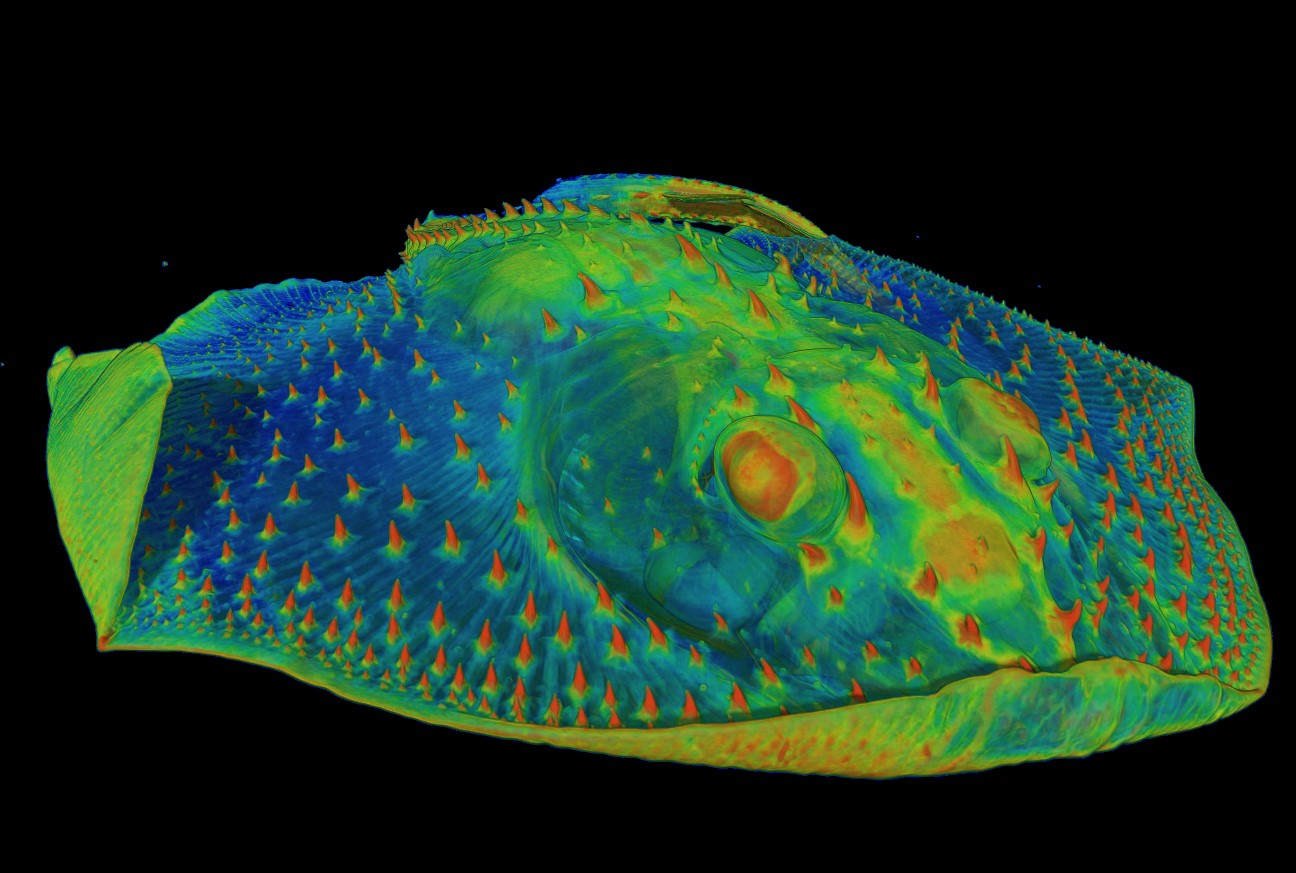
The spotted ratfish is a two-foot-long fish with a big head and a long, skinny tail that lives in the northeastern Pacific Ocean. It belongs to a group of fish called chimaeras that are closely related to sharks. (Chimaeras are sometimes called ghost sharks.) Like most vertebrate creatures, it has teeth in its mouth. Unlike other vertebrates it also has teeth in another location: its forehead. It uses these forehead teeth for sex.
Charles Darwin's theory of natural selection did more than explain evolution, it revealed how complexity can emerge without a designer. Nobel laureate Paul Nurse unpacks Darwin's insights, from the logic of tiny differences to the profound impacts these variations have on our understanding of life. Nurse explores the deep genetic connections linking all organisms, from humans to gorillas to yeast. This shared ancestry, he argues, reframes how we think about responsibility: If all life is related, what do we owe to the living world?
Nobody expected the Spanish Inquisition, but then again no one could have predicted the giraffe, the iPhone or JD Vance. The laws of physics don't demand them; they all just evolved, expressions of how (for better or worse) things happened to turn out. Ecologist Mark Vellend's thesis is that to understand the world, physics and evolution are the only two things you need. Evolution, here, refers in the most general sense to outcomes that depend on what has gone before.
The odds that any given planet's gonna have complex life, I mean, this is really an opinion because we don't know about life anywhere else in the universe, but most of the scientists that I know and think about this deeply, I think the likelihood of life elsewhere is very high. It may not be the sort of life we're used to. It's not giraffes and redwood trees, but at least things like microbes.