#extrapolar-cyclone
#extrapolar-cyclone
[ follow ]
#climate-change #extreme-weather #winter-storm #arctic-air #extreme-cold #power-outages #bomb-cyclone
#climate-change

Environment
fromwww.scientificamerican.com
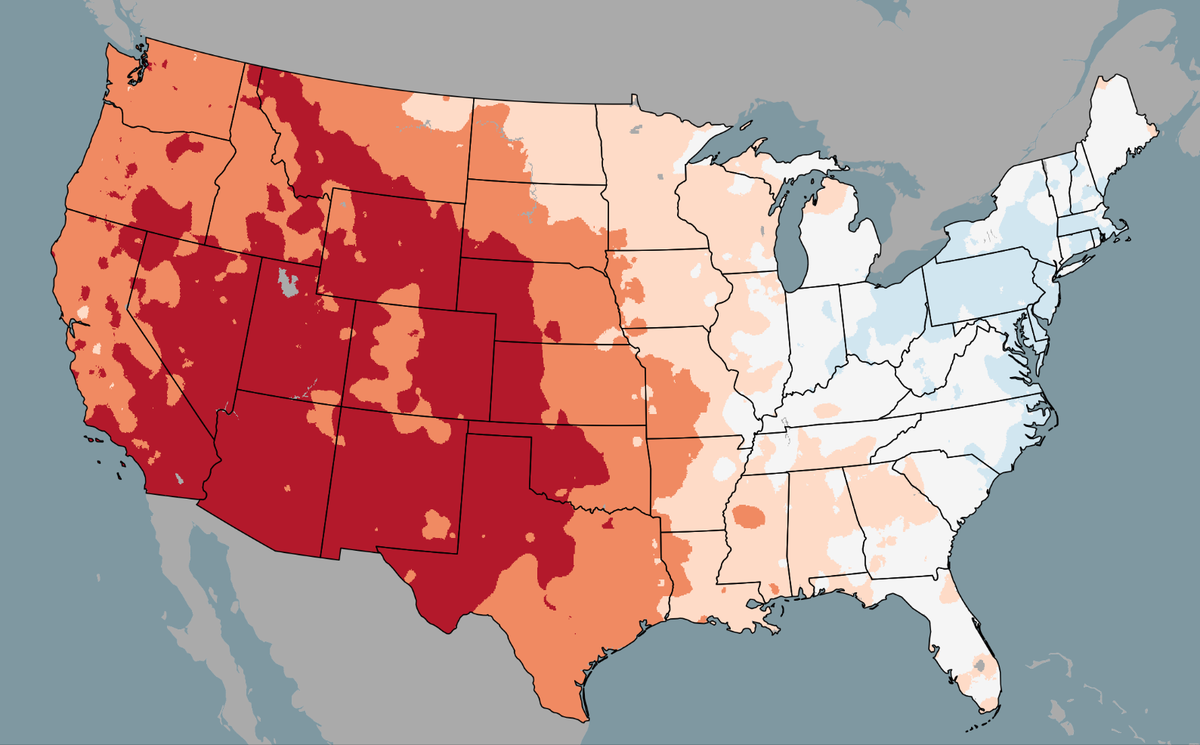
3 weeks agoNo U.S. states had a record cold winter. Nine had a record hot one
Despite eastern U.S. cold perceptions, the 2025-2026 winter was the second-warmest on record nationally, with nine western states experiencing record heat and zero U.S. locations recording record cold.

fromFast Company
2 days agoSee it: Air temperatures and pollution around the world are captured in real time in these animated weather maps
We created Earth in Action to provide a lens into what's happening on our planet, as it happens. Whether it's something typical, like the current air temperature, or an extreme event like a major dust storm, we wanted to provide an opportunity for people to see them.
OMG science
#extreme-weather


Environment
fromFast Company
3 weeks agoWeather whiplash to sweep U.S. with simultaneous blizzard, polar vortex, and heat dome
Extreme weather is affecting nearly all U.S. regions simultaneously, including record heat in the Southwest, snow in the Great Lakes, Arctic cold in the Midwest and East, and heavy rain in Hawaii.
fromLos Angeles Times
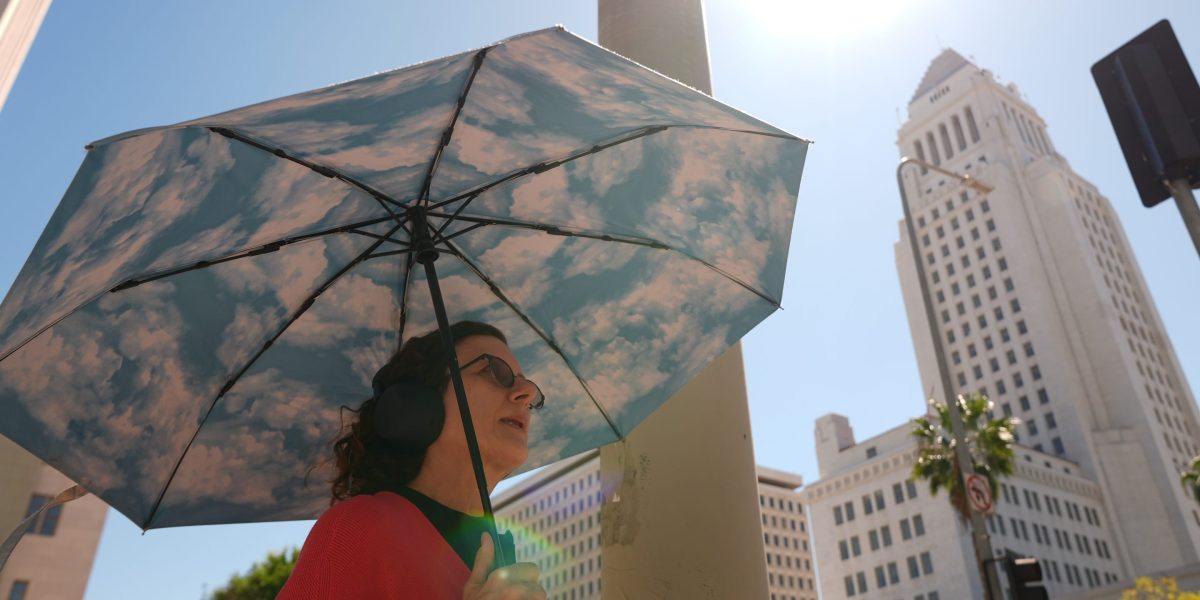
2 weeks agoSouthern California's heat wave hasn't peaked yet and it's already breaking records
During this heat wave, "not only are daily temperature records likely to be broken across the region, but even the high temperature records for any day in the entire month of March," the National Weather Service said in a Tuesday morning forecast.
Los Angeles
Science
fromYahoo News
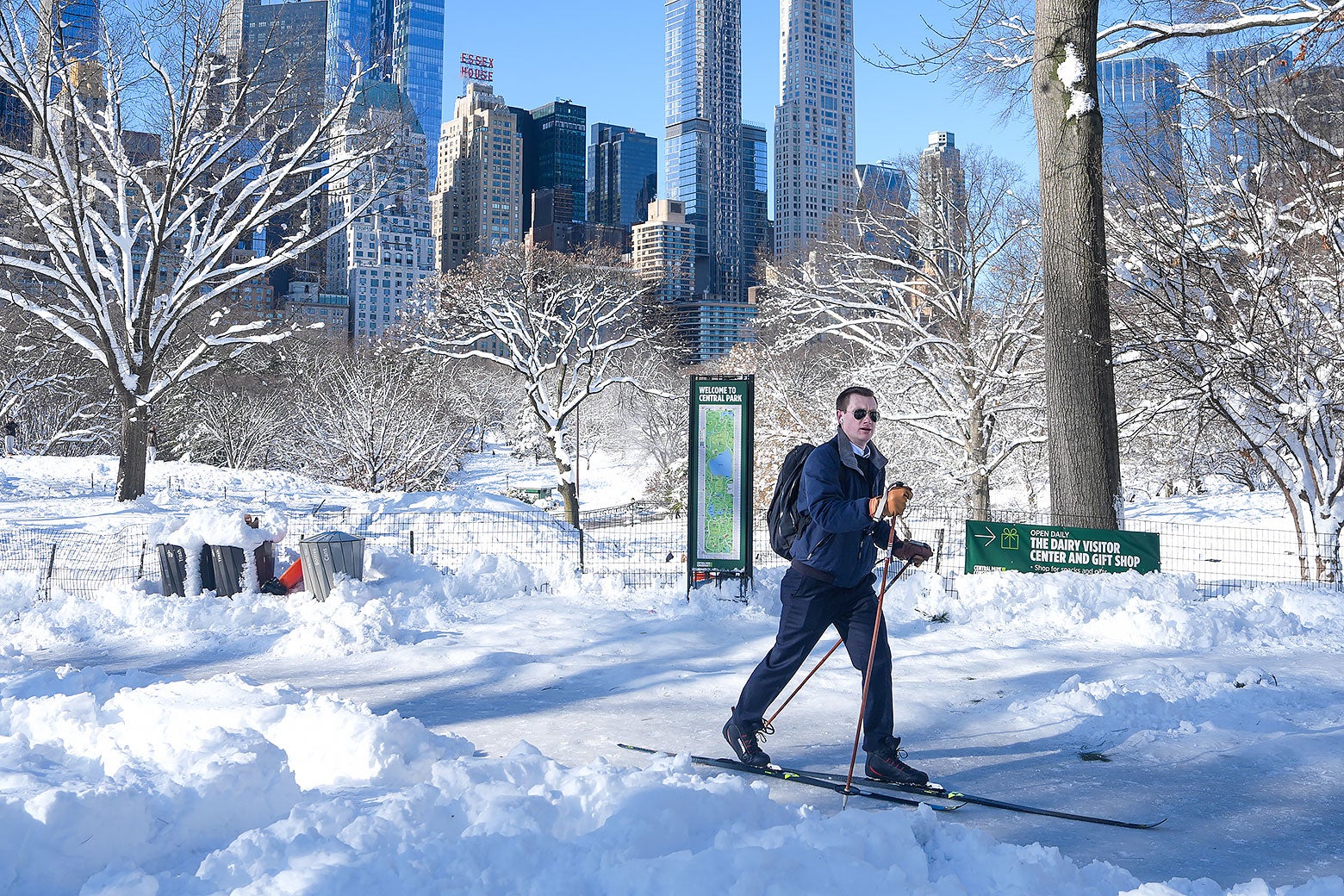
3 weeks agoPolar vortex split could bring brutal cold to Northeast. Will it impact NY?
A polar vortex split in the stratosphere will redirect Arctic air southward, bringing single-digit temperatures to the Great Lakes and Northeast later this month, with potential impacts extending to Tennessee and the Carolinas.

fromwww.scientificamerican.com
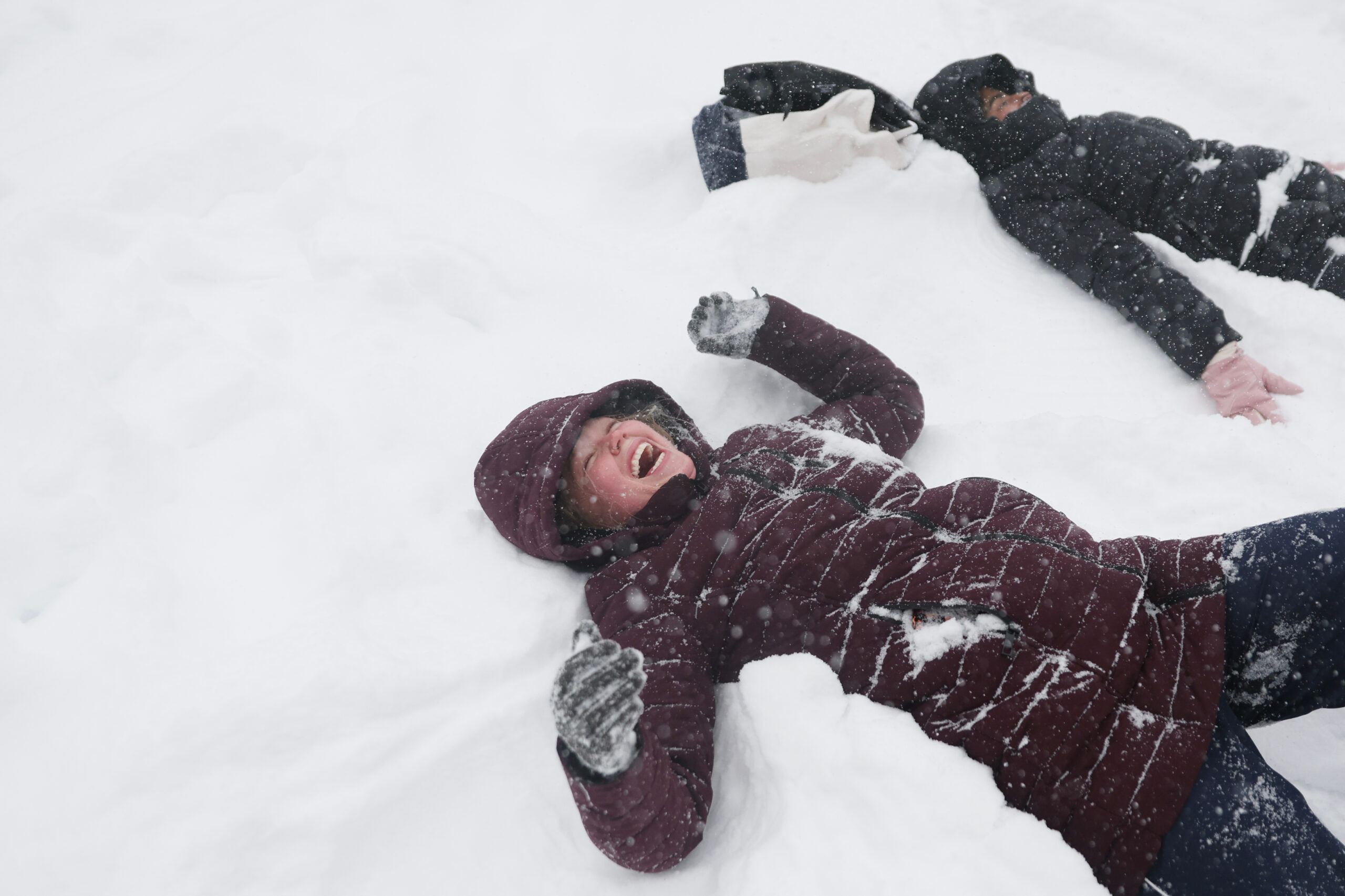
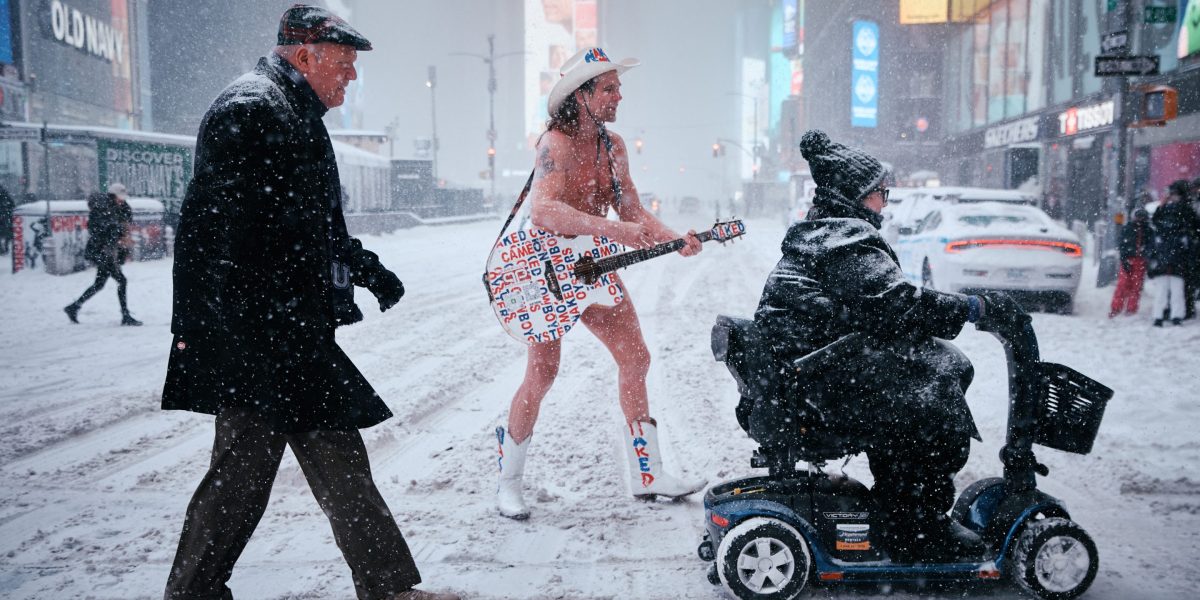
1 month agoA bomb cyclone is bringing blizzard conditions to the Northeast. So what is a blizzard exactly?
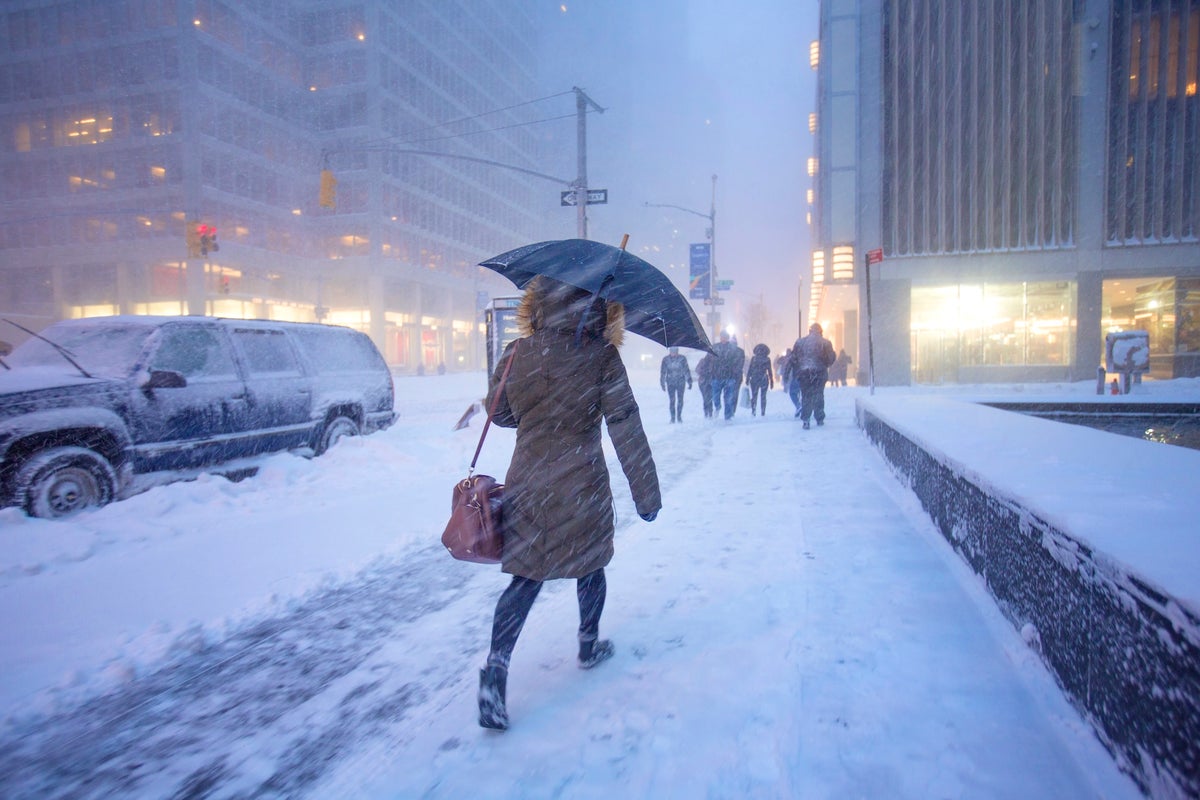
But what, exactly, is a blizzard? A blizzard doesn't always mean "a lot of snow," though it can certainly bring heavy snowfalls, as this storm is expected to along parts of the East Coast. Rather, the National Weather Service defines it as a snowstorm with winds regularly above 35 miles per hour and "considerable falling" or blowing snow for at least three hours.
Science
fromwww.theguardian.com
1 month agoExtreme heat lab: enduring the climate of the future
"So whenever people think about hot weather, they always talk about the temperature," he says. "There's two issues with that. First of all, most people don't realise that the temperature is measured in the shade. So if you're in direct solar radiation, the amount of heat stress you're exposed to is much greater as it will stress your body out a lot more."
Public health
Snowboarding
fromSnowBrains
1 month agoSnowBrains Forecast: Wet Early Snow Then Variable Conditions for Colorado - SnowBrains
Mountain snowfall peaks through Thursday with heavy wet snow and strong winds, followed by uncertain lighter accumulations and a return to warmer, quieter conditions by the weekend.


World news
fromwww.theguardian.com
1 month agoWeather tracker: tropical cyclones hit Australia and Madagascar and -40C cold snap in northern Europe
Concurrent tropical cyclones caused severe coastal damage and flooding in Western Australia and Madagascar while Europe experienced contrasting wet and cold weather extremes.
fromAeon
1 month agoHow the harsh, icy world of Snowball Earth shaped life today | Aeon Essays
Such an event, if it transpired on Earth today, would see kilometres-thick ice sheets gouging their way from the Arctic to the Bahamas. Once-diverse ecosystems and climate zones would merge into a single, uniform condition, seemingly destined to be barren. Scientists once argued that such a 'snowball' state could never have existed on Earth since global glaciation could not be reversed. Moreover, on such a world, all life, including our own ancestors, would surely have been extinguished.
Philosophy
Environment
fromMail Online
3 weeks agoScientists find 'red flags' hinting the Gulf Stream is near collapse
The Atlantic Meridional Overturning Circulation shows warning signs of potential collapse due to freshwater from melting ice sheets diluting ocean water and weakening the system's driving mechanism.
fromwww.theguardian.com
2 months agoWeather tracker: Arctic air grips Europe as severe winds batter Corsica
It has been a cold start to the year across much of Europe, particularly in central regions, where temperatures dropped to double-digit negatives. Heavy snowfall hit parts of eastern and central Europe on New Year's Eve, notably in Poland and Ukraine, with similar conditions across the Alps on the first few days of the year. The cold is likely to continue this week as an Arctic air mass sinks south across Europe, pulling temperatures well below the seasonal average outside south-east Europe.
France news
fromwww.npr.org
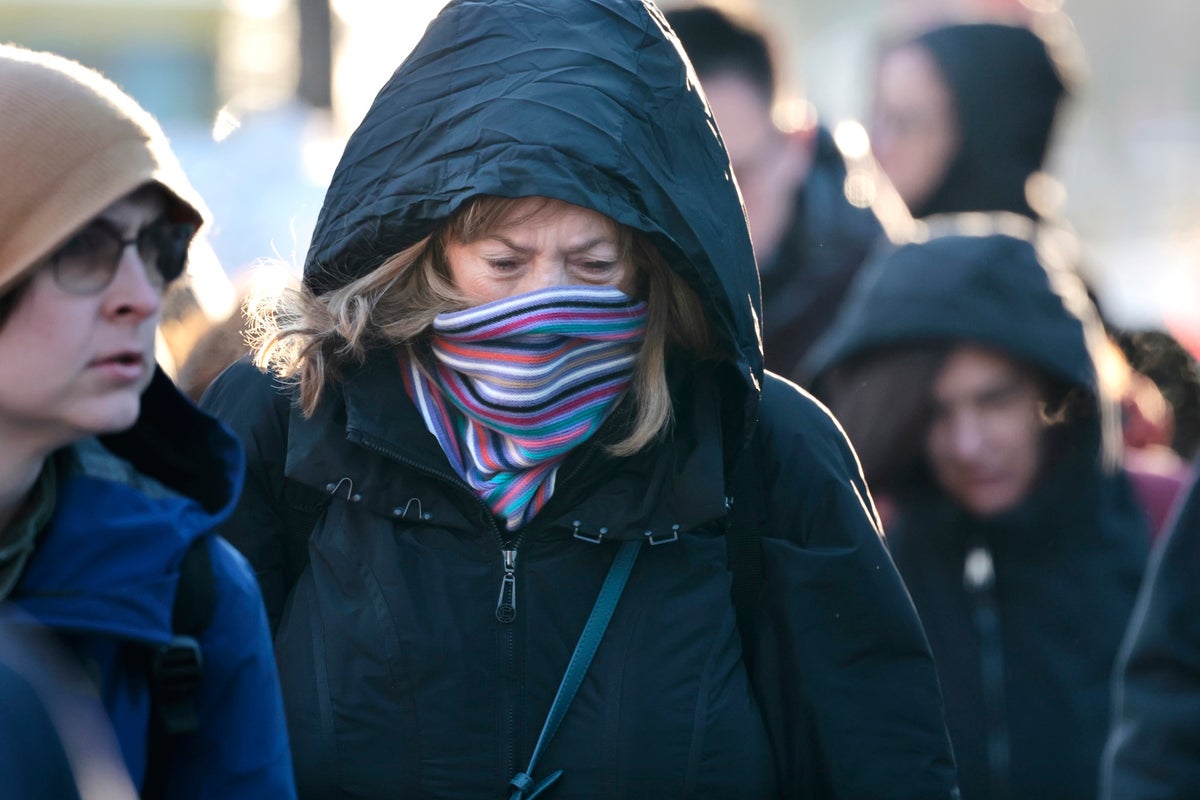
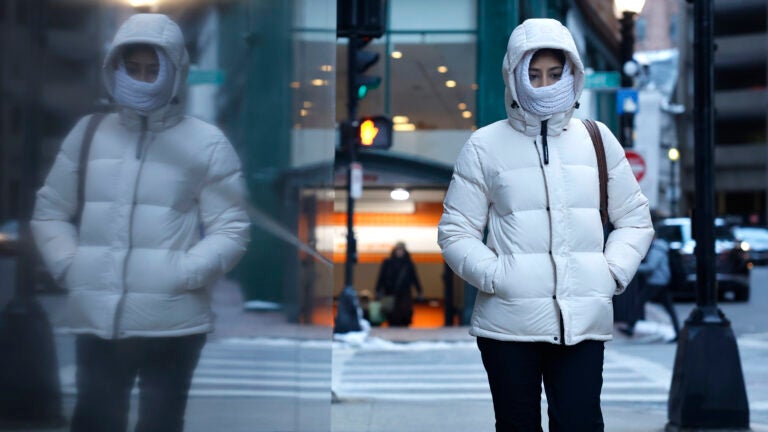
2 months agoFAQ: What is wind chill, and why is it dangerous?
Wind chill is a measure of how quickly bodies lose heat when you combine low temperatures with high winds. And wind chill conditions can be dangerous. "The stronger the winds [and] the colder it is, the more likely you are to develop frostbite in a short amount of time or hypothermia," says Jessica Lee of the National Weather Service's Weather Prediction Center.
Public health
fromwww.npr.org
1 month ago'Please inform your friends': The quest to make weather warnings universal
In November 2025, a massive storm rolled across the lower Mekong River delta, dumping multiple inches of rain onto the wide, flat river plain that covers much of Cambodia. The river rose and rose. The force of the water churned up mud from the river bottom. The muddy water flowed downstream and rushed into the many farming and fishing towns that line the Mekong's banks.
US news
Public health
fromSilicon Canals
1 month agoFebruary freeze alert: why this weekend's temperatures are more dangerous than snow - Silicon Canals
Extreme cold causes silent, life-threatening harm (hypothermia, frostbite, organ failure) and requires more attention than visible snowstorms or supply-focused prepping.
fromThe Atlantic
1 month agoThe West's Winter Has Been a Slow-Moving Catastrophe
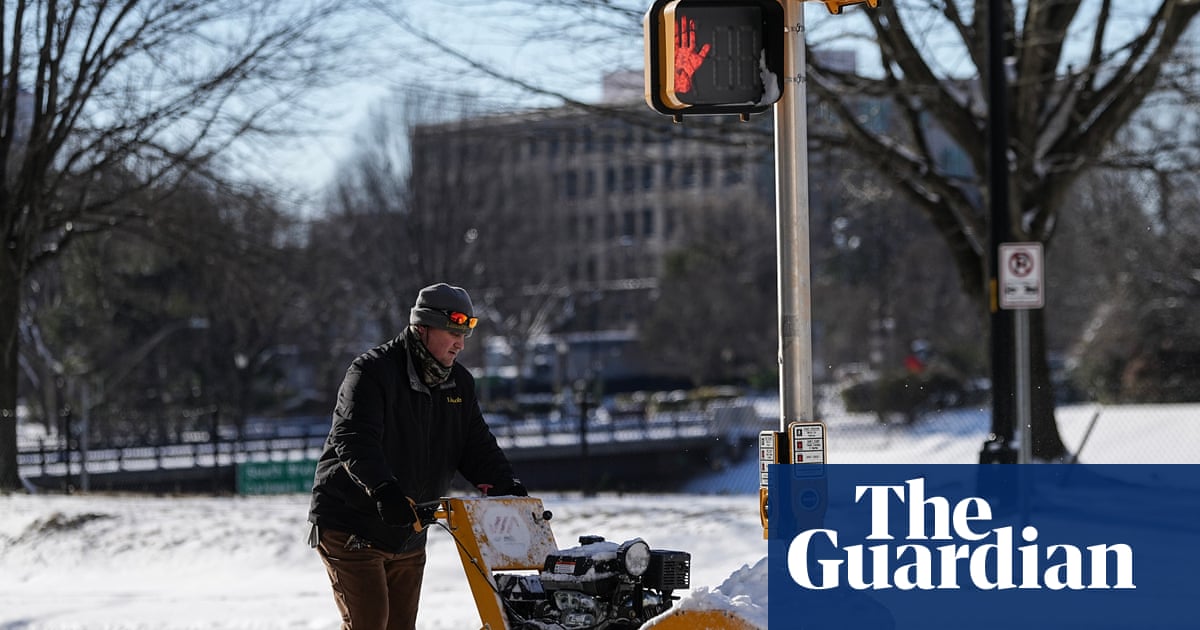
If you are reading this on the East Coast, congratulations on the warmer weather you're finally getting this week. It was cold and snowy for a while there. Here in the West, we wish we'd been in your shoes. Spare a thought for the tens of millions of us who live on the other side of the continent, where a catastrophe is unfolding.
Environment


Environment
fromIntelligencer
2 months agoThunder Ice to Exploding Trees: A Glossary of Scary Winter Storm Terms
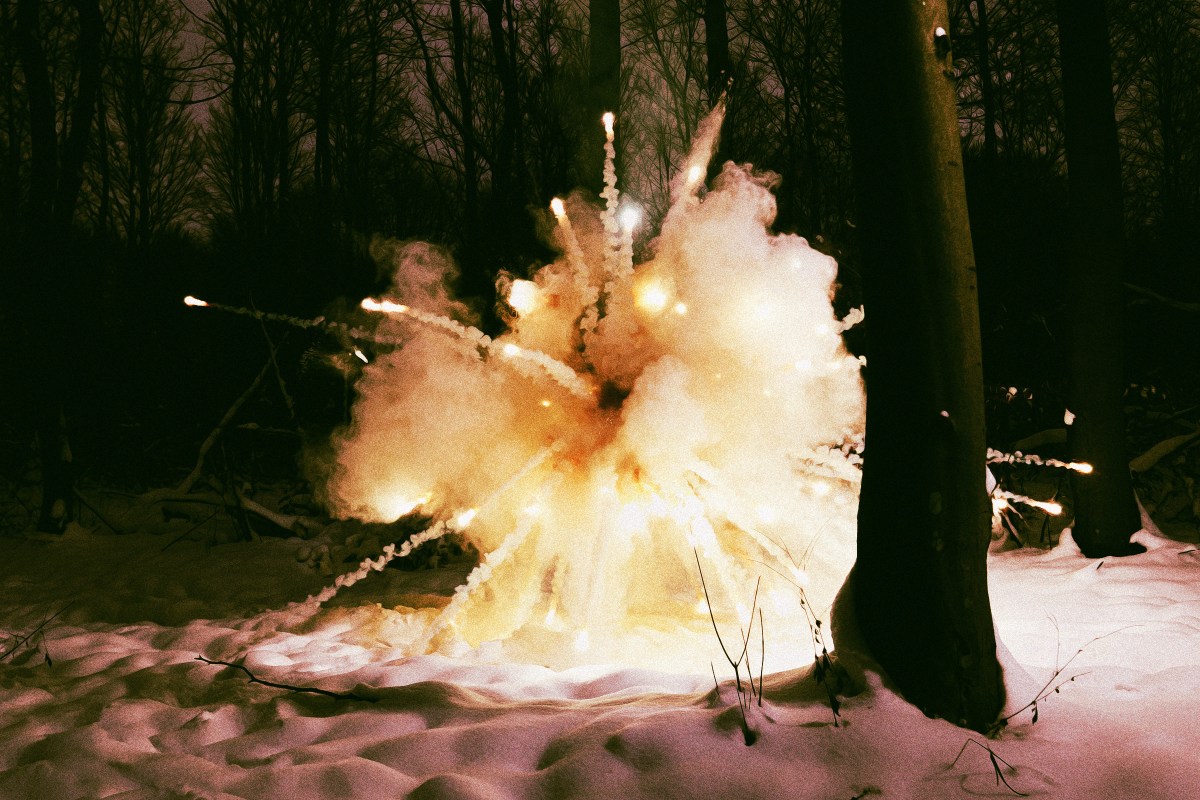
A winter storm will bring thunder-driven freezing precipitation (thunder-ice/thunder-sleet) across the Mississippi River Valley while an extreme cold snap risks tree explosions in the Midwest.
fromenglish.elpais.com
2 months agoArctic warming Trump dismisses reaches record highs, stoking interest in Greenland
Climate change which U.S. President Donald Trump calls the greatest con job ever perpetrated in the world is precisely what is driving the push to gain control of Greenland, an ambition openly declared by Trump. Human-caused global warming is reaching record levels in the Arctic region. This triggers ice melt, opening new shipping routes that major powers want to control, as well as theoretically easier access to the island's resources minerals and fossil fuels.
Environment
[ Load more ]