#f-16-upgrades
#f-16-upgrades
[ follow ]
#iran #us-military #military-technology #rescue-operation #trump #search-and-rescue #military-aviation #ukraine
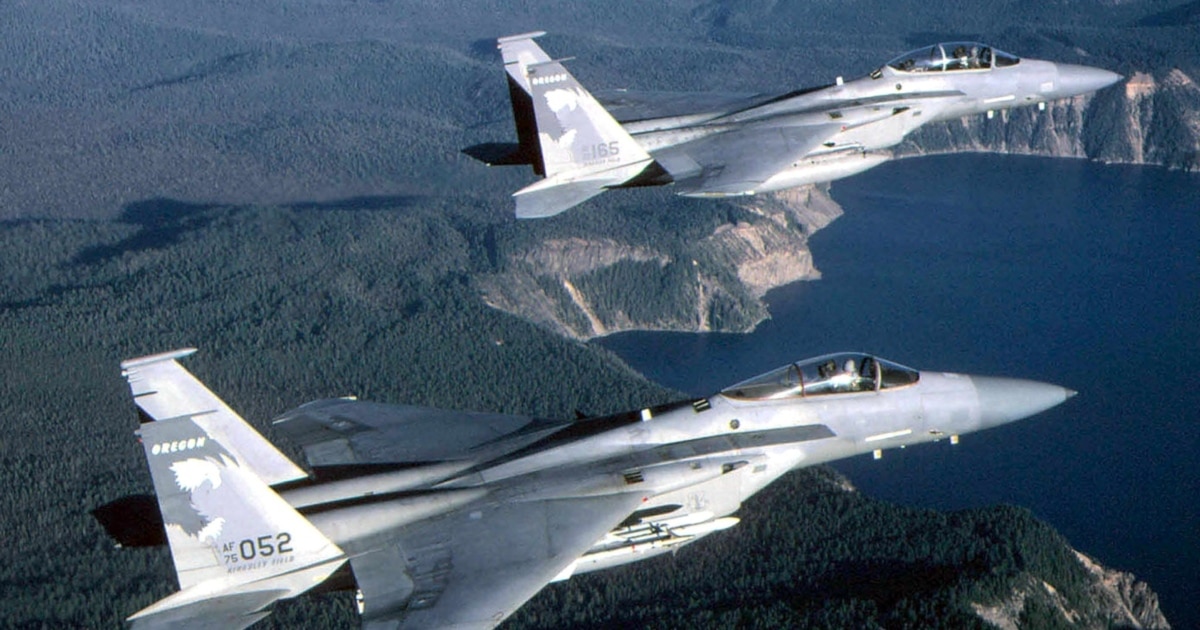
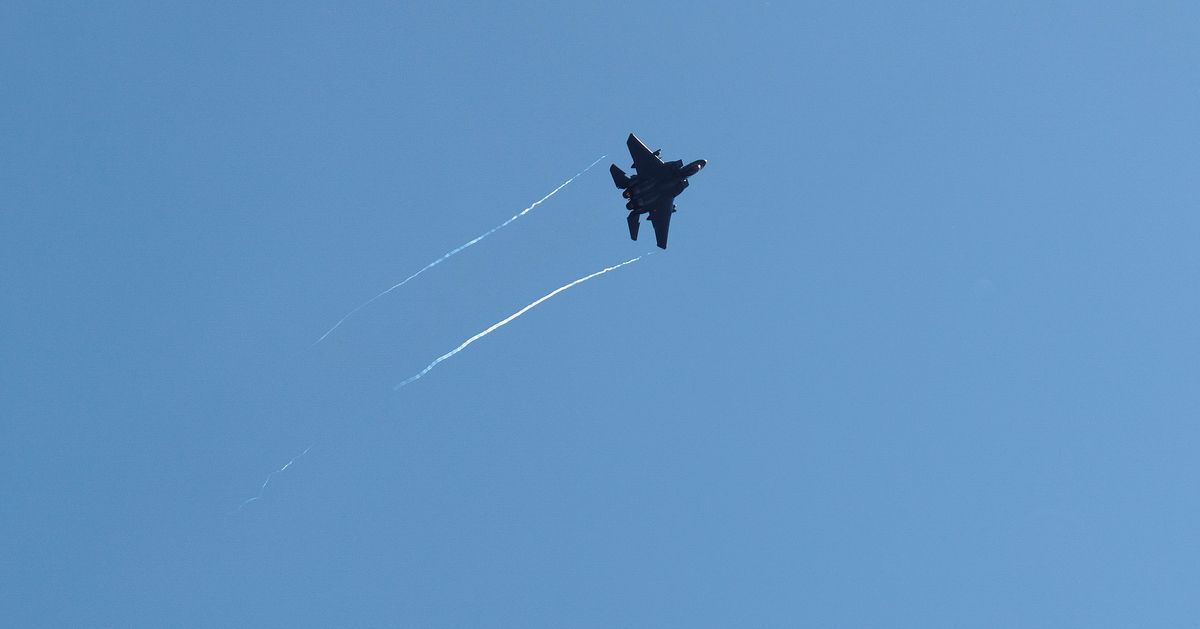
from24/7 Wall St.
1 day agoIran Wars Fuels RTX Growth Story as Defense Demand Rockets Higher
CEO Chris Calio emphasized the urgency of delivering critical products for national security, stating, 'We understand that our products are critical to national security. And I can tell you across the organization, we absolutely feel the responsibility and urgency to deliver more and to deliver it faster.'
Business
#us-military



US news
fromLondon Business News | Londonlovesbusiness.com
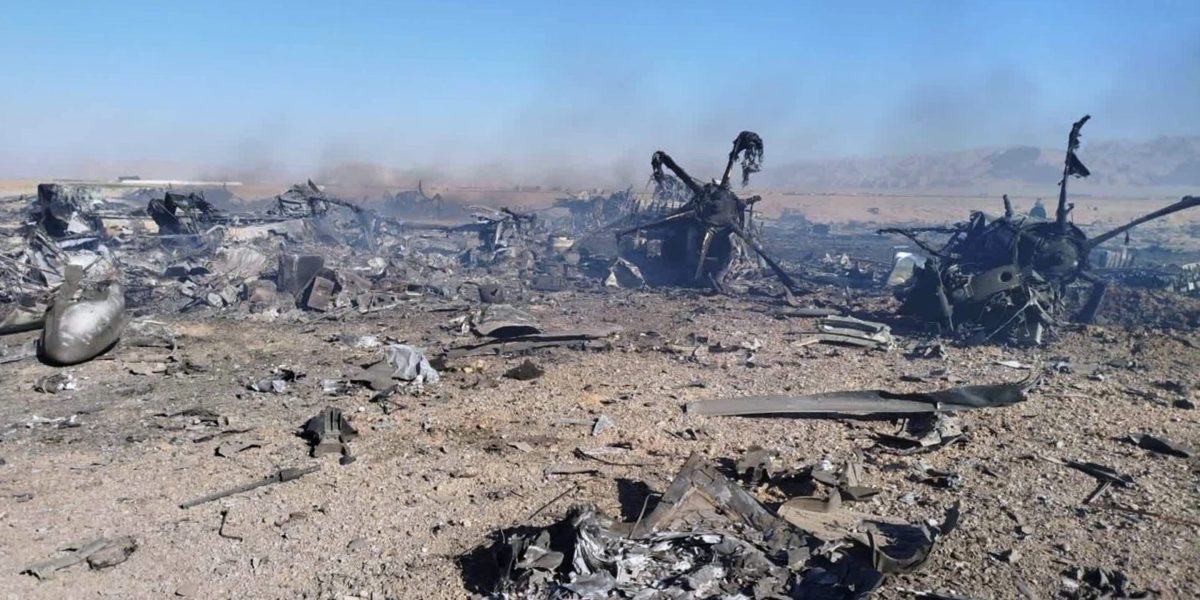
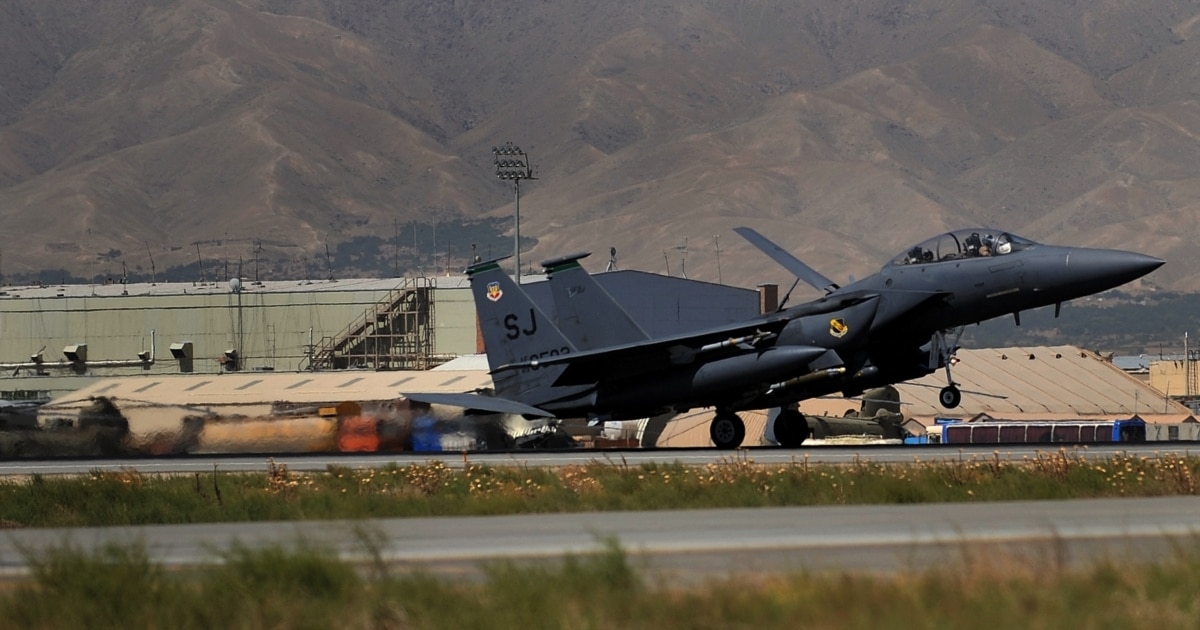
3 days agoUS pilot rescued after fighter jet shot down over Iran - London Business News | Londonlovesbusiness.com
A U.S. pilot was rescued after an F-15E Strike Eagle was shot down over Iran, while the search for a second crew member continues.
Europe news
fromIrish Independent
3 days agoUS fighter jet shot down over Iran, official says; EU warns it's 'preparing for worst scenarios' including fuel rationing
The EU is preparing for a prolonged energy crisis due to the Middle East conflict, considering fuel rationing and emergency oil releases.
Russo-Ukrainian War
fromwww.businessinsider.com
4 days agoShahed-killing interceptor drones may look simple, but building them to keep up with the threat isn't easy
Interceptor drones are complex systems essential for countering cheap drone attacks, with Ukraine producing them at scale to meet rising global demand.
#defense-spending
Business
from24/7 Wall St.
3 weeks ago3 Defense Stocks Built for the New Era of National Security Spending
Defense spending is shifting structurally, with investors identifying companies positioned to capture the next decade of growth through diversified funds, nuclear propulsion specialists, and emerging defense technology providers.

Business
from24/7 Wall St.
3 weeks ago3 Defense Stocks Built for the New Era of National Security Spending
Defense spending is shifting structurally, with investors identifying companies positioned to capture the next decade of growth through diversified funds, nuclear propulsion specialists, and emerging defense technology providers.

from24/7 Wall St.
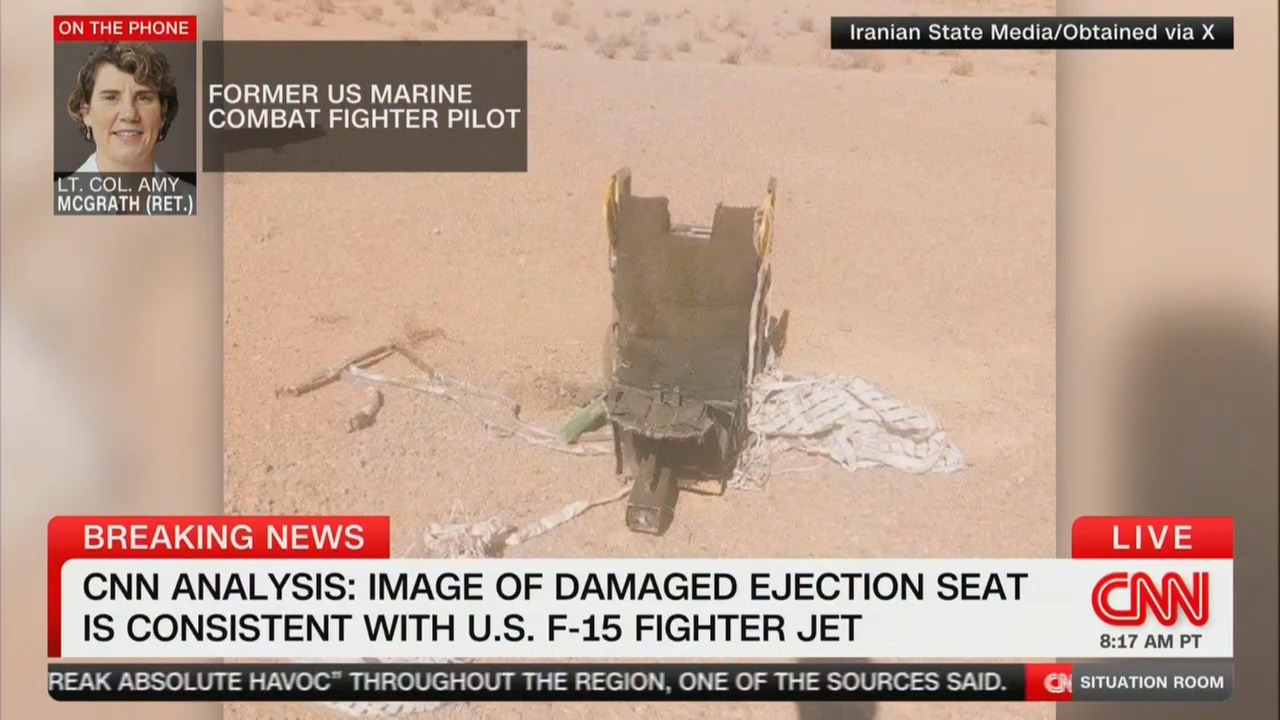
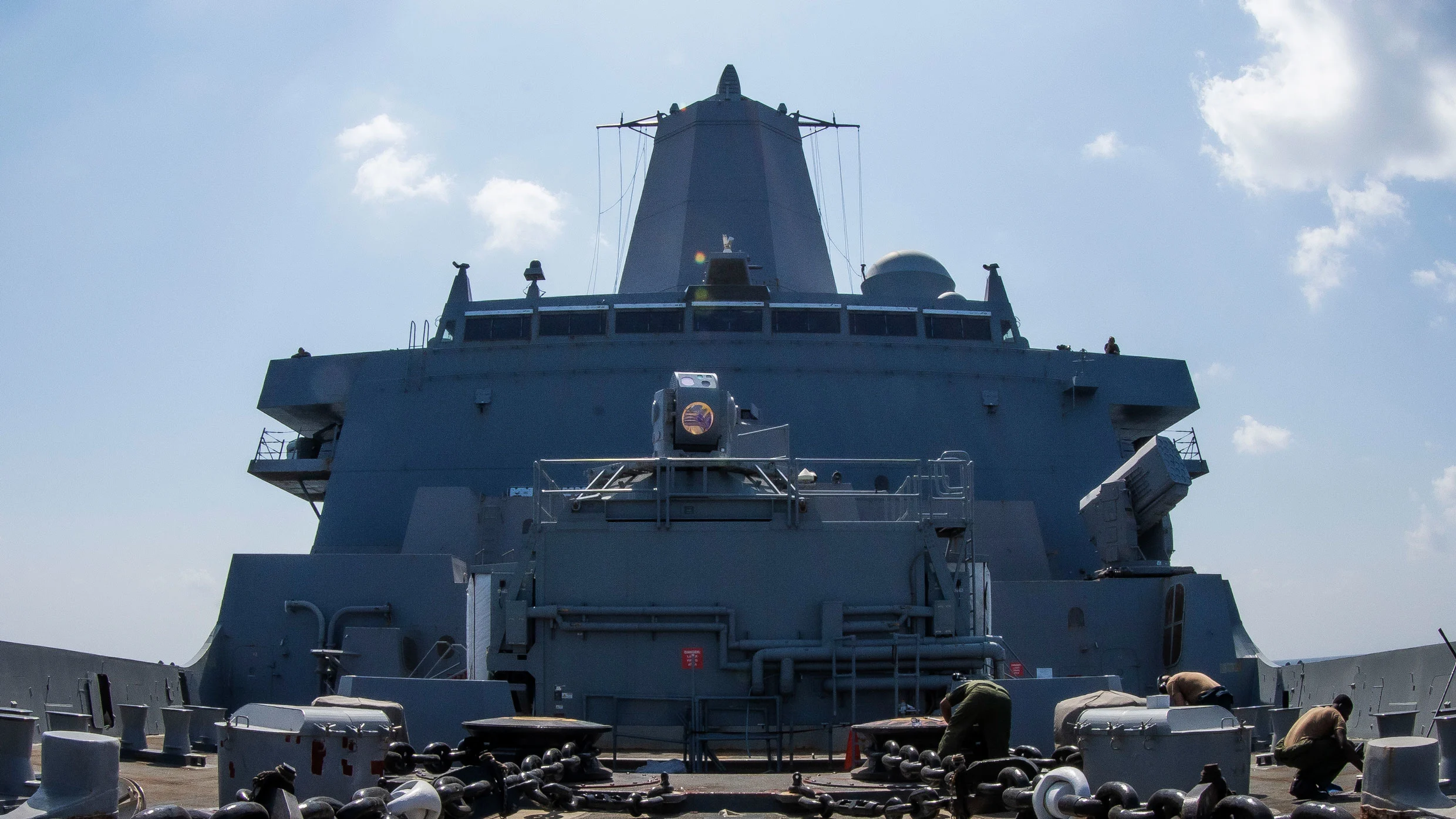
5 days agoGE Aerospace Is Down 14% This Month While Its $190 Billion Backlog Keeps Growing
The Islamic Revolutionary Guard Corps (IRGC) has threatened to strike 18 US technology and defense-related companies operating in the Middle East, including GE, which has contributed to a bearish sentiment among investors.
Business
#us-iran-conflict


fromwww.theguardian.com
3 days agoWorld news
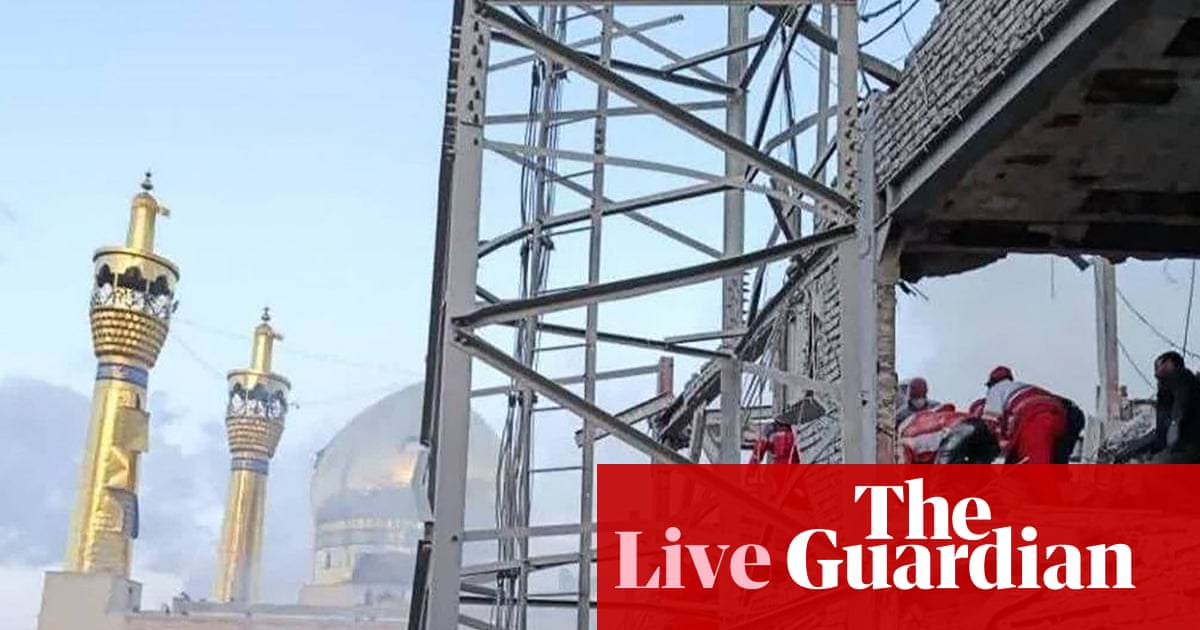
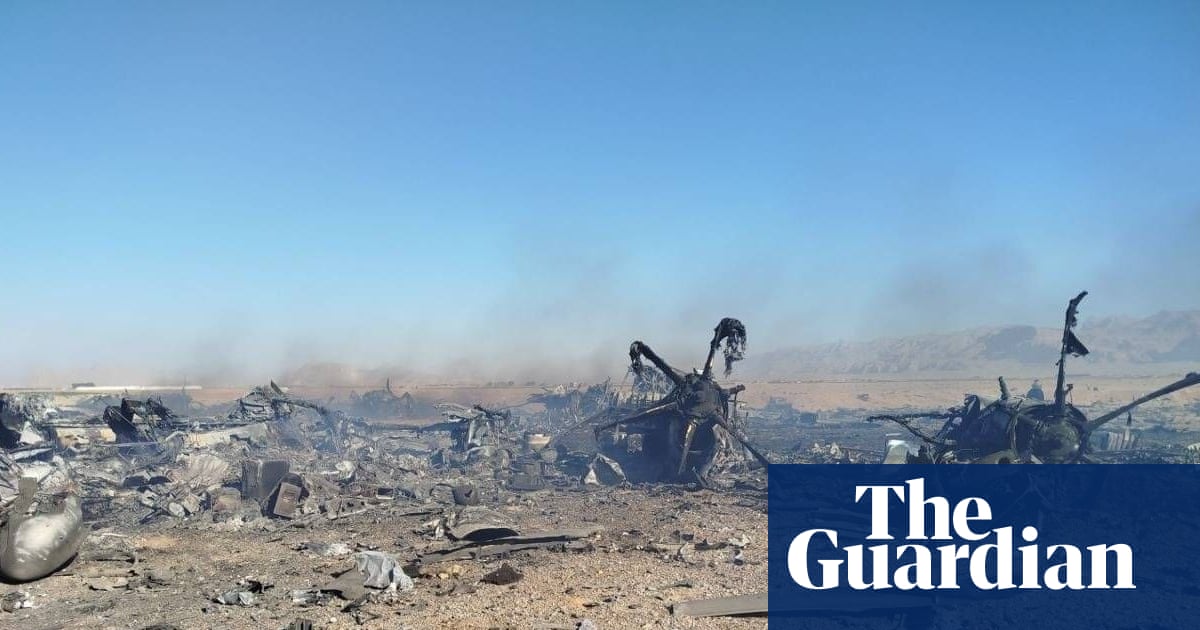
Middle East crisis live: US and Iranian forces race to recover missing pilot from downed jet; Israel bombards Beirut
The US-Iran conflict escalates with military actions, including downed aircraft and strikes on economic sites, impacting global energy supplies.
World news
fromwww.theguardian.com
3 days agoMiddle East crisis live: US and Iranian forces race to recover missing pilot from downed jet; Israel bombards Beirut
The US-Iran conflict escalates with military actions, including downed aircraft and strikes on economic sites, impacting global energy supplies.
#f-15e
World news
fromLondon Business News | Londonlovesbusiness.com
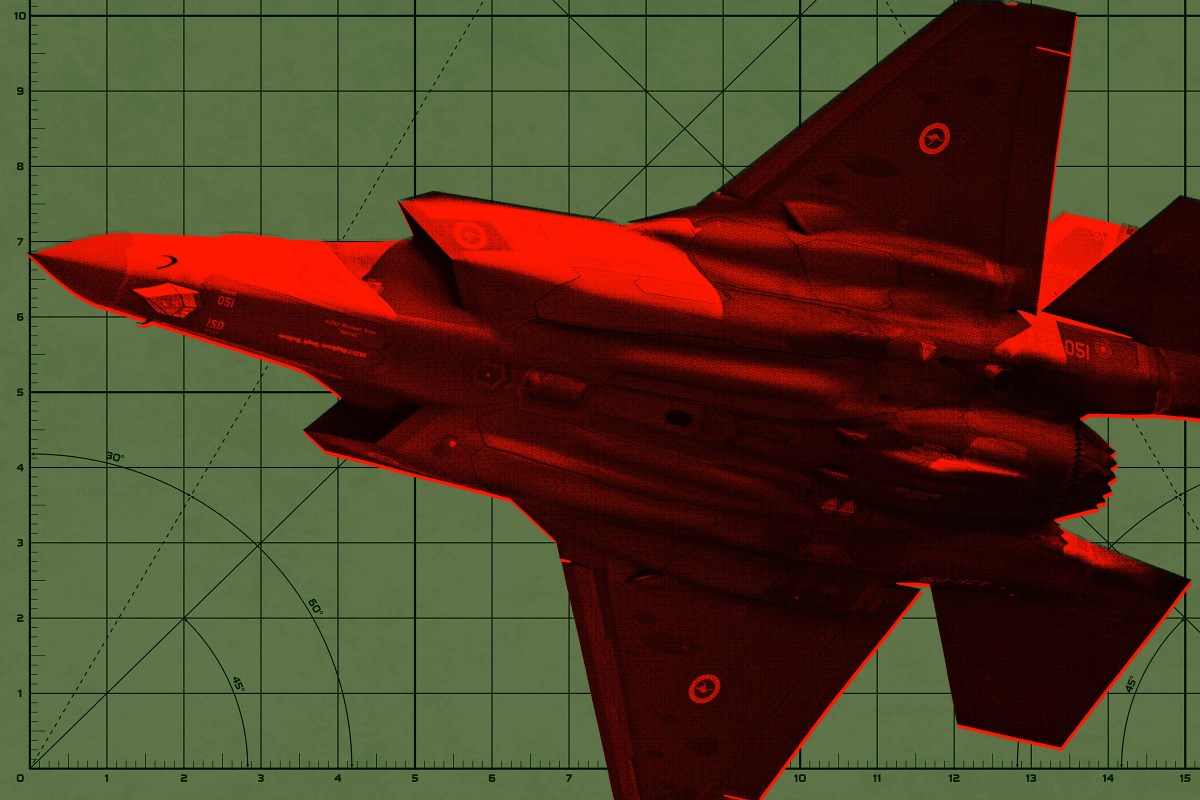
3 days agoFootage shows US fighter jet being shot down as Iran 'put bounty on pilots' - London Business News | Londonlovesbusiness.com
The search for a downed F-15E Strike Eagle intensifies in Iran amid escalating tensions between American and Iranian forces.
World news
fromLondon Business News | Londonlovesbusiness.com
3 days agoPentagon confirms fighter jet shot down over Iran as rescue mission underway - London Business News | Londonlovesbusiness.com
An F-15E Strike Eagle was shot down over Iran, initiating a combat search and rescue operation for its two crew members.
Business
from24/7 Wall St.
2 weeks agoDefense Stocks Are Surging and This ETF Lets You Collect Dividends From the Global Arms Race
ITA's defense sector ETF maintains reliable distributions backed by 20 years of consistent quarterly payouts, including through COVID, with growing annual distributions driven by underlying company dividend growth.
fromwww.businessinsider.com
3 days agoThe US is burning through expensive missiles. DARPA is looking for cheaper ones that can be built in days, not months.
"To accelerate current weapons development timelines, DARPA is considering an alternative development paradigm to increase the nation's magazine depth and breadth."
World news
Business
from24/7 Wall St.
3 weeks agoLockheed Martin vs. L3Harris: Which Defense Giant Belongs in Your Portfolio?
Lockheed Martin recovered strongly in Q4 2025 with surging cash flow and missile production, while L3Harris delivered consistent organic growth and record orders, presenting contrasting investment profiles in defense contracting.
Miscellaneous
fromwww.theguardian.com
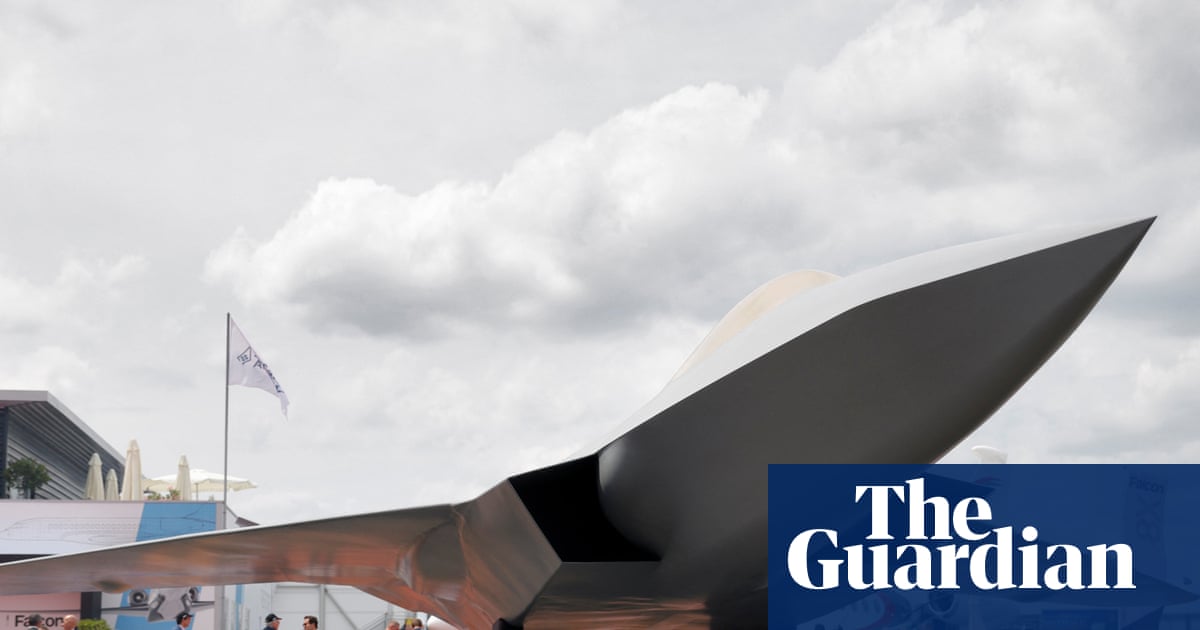
1 month agoFrance and Germany agreed to build the fighter jet of the future. Now they can't agree who is in charge
Franco-German FCAS fighter jet project is collapsing due to technical, operational and industrial disagreements over nuclear and carrier capabilities.
fromwww.independent.co.uk
2 months agoTyphoon jets to receive cutting-edge' radar upgrade
Whether it's investigating the financials of Elon Musk's pro-Trump PAC or producing our latest documentary, 'The A Word', which shines a light on the American women fighting for reproductive rights, we know how important it is to parse out the facts from the messaging. At such a critical moment in US history, we need reporters on the ground. Your donation allows us to keep sending journalists to speak to both sides of the story.
UK news
Careers
fromBusiness Insider
2 months agoWhy this NATO fighter wing says its American-made Hornets work well for front-line air patrols
Spain deployed EF-18M fighters and a 200-member detachment to Šiauliai, Lithuania, for a four-month NATO Baltic air policing rotation to conduct rapid intercepts of non‑compliant aircraft.
World news
fromwww.mediaite.com
2 weeks agoUS Stealth Fighter Jet Hit by Iranian Fire for First Time in Ongoing Conflict
An F-35 stealth fighter made an emergency landing in the Middle East after being struck by Iranian fire, marking the first time Iran hit a U.S. aircraft in the conflict that began in late February.
fromLondon Business News | Londonlovesbusiness.com
1 month agoF-16 frontline rumours US pilots fighting in Ukraine, and is Tom Cruise leading the fight? - London Business News | Londonlovesbusiness.com
Claims that elite Western F-16 pilots are secretly patrolling Ukraine's skies have sent shockwaves through defence circles - but Kyiv insists it's all Ukrainian pilots in action, and no, Tom Cruise is not starring as Maverick over the skies of Ukraine. Reports from French outlet Intelligence Online suggested a top-secret international squadron of US and Dutch veterans was deployed on temporary contracts to intercept Russian drones and missiles using advanced Lockheed Martin targeting pods. But Air Force spokesperson Yurii Ihnat hit back, calling the reports "just rumours" from a source of dubious reputation.
Miscellaneous
fromwww.aljazeera.com
2 weeks agoUS F-35 aircraft makes emergency landing after a combat mission over Iran
We are aware of reports that a US F-35 aircraft conducted an emergency landing at a regional US airbase after flying a combat mission over Iran. The aircraft landed safely, and the pilot is in stable condition. This incident is under investigation.
World news
from24/7 Wall St.
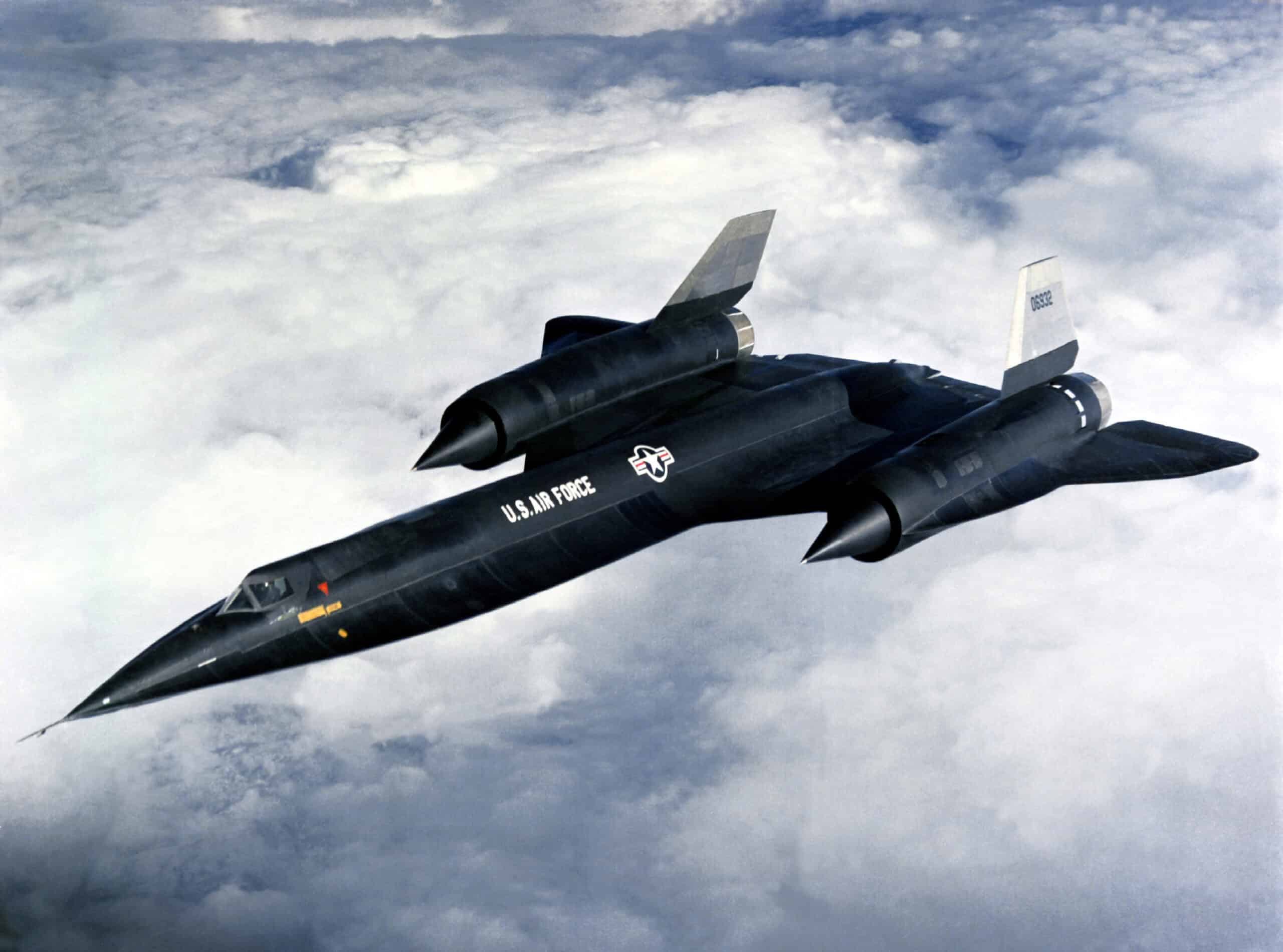
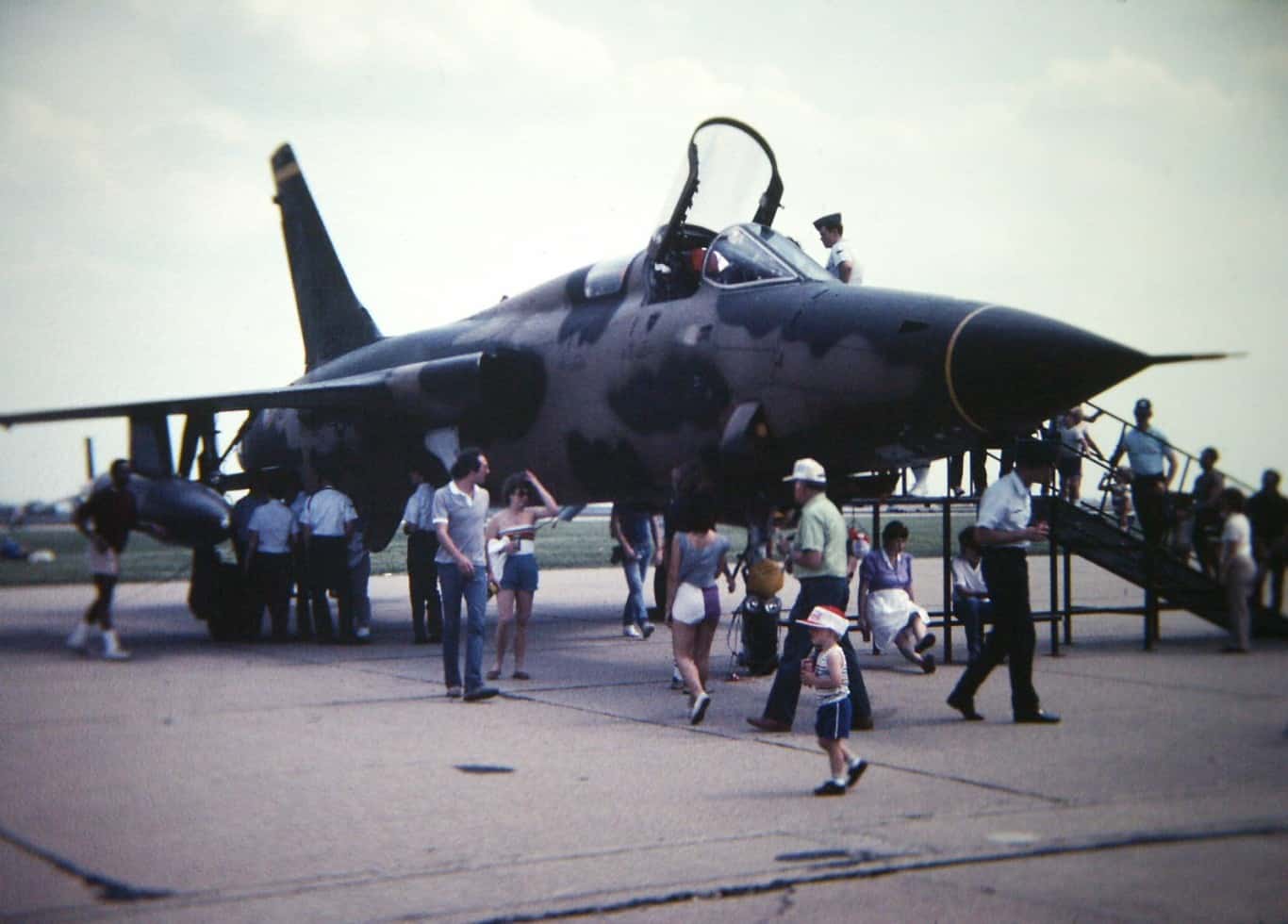
2 months agoMilitary Aircraft That Only Succeeded Because of Their Skilled Crews
Some aircraft succeeded even though they made life harder for the people flying them. They demanded constant attention, punished mistakes, and left little margin for error. Instead of relying on forgiving design, these platforms forced crews to compensate through skill, planning, and coordination. Over time, combat proved that the human element was the decisive factor behind their success. Here, 24/7 Wall St. is taking a closer look at these aircraft that embodied the human factor.
History
fromwww.bbc.com
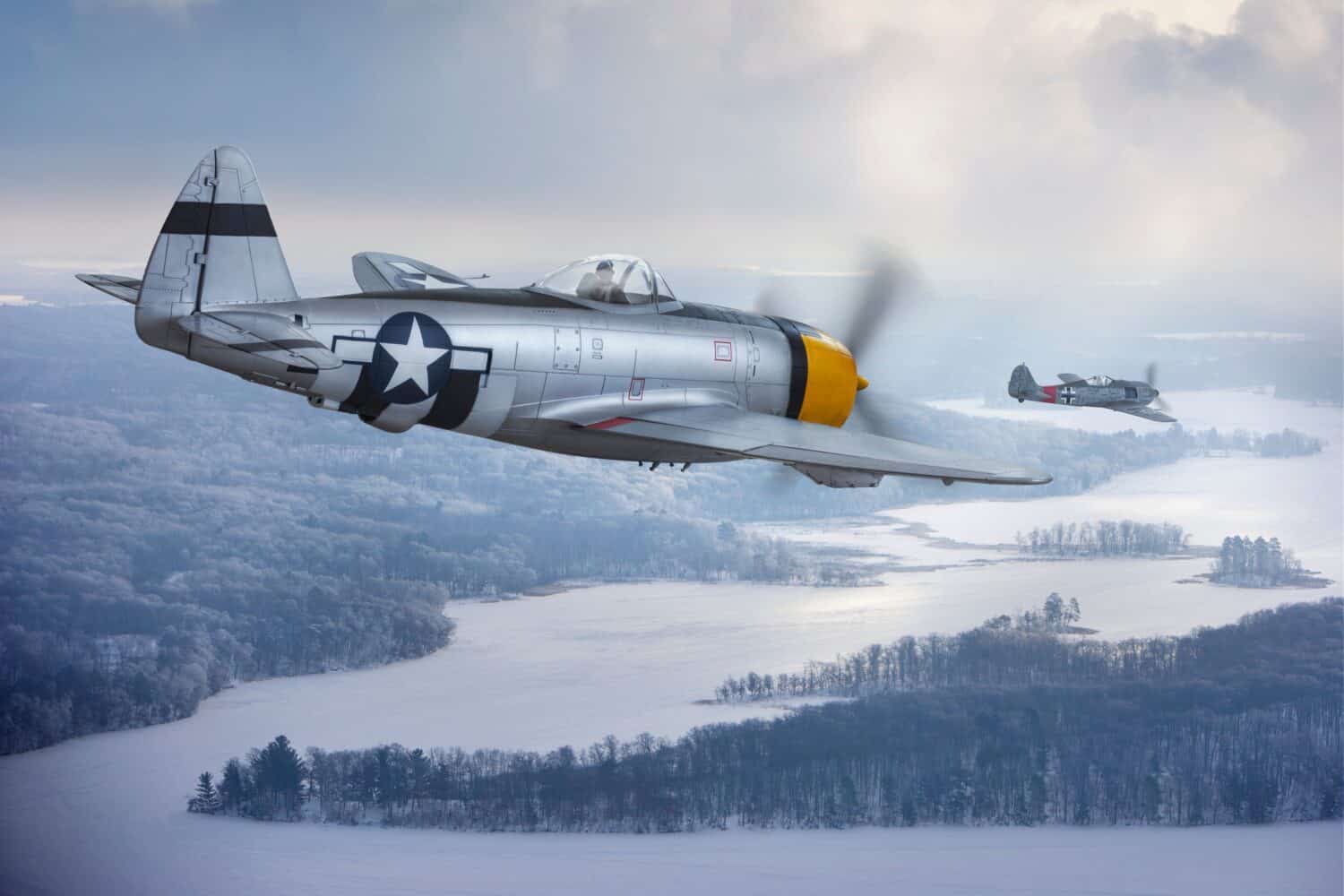
3 weeks agoRAF Typhoon jets in action over Bahrain
Two jets out of the four sent to Qatar have been allocated specifically to help Bahrain intercept incoming drones, as the US-Israel war with Iran has entered its second week. It comes as Foreign Secretary Yvette Cooper landed in Saudi Arabia on Thursday amid continued concern about Iranian threats to the Strait of Hormuz - a key artery for commercial shipping.
World news
fromYanko Design - Modern Industrial Design News
1 month agoThe Navy's Batwing Fighter Jet Promises Mach 4 Speed... But It's Still Just A Concept - Yanko Design
David versus Goliath stories captivate us, especially when David brings a slingshot that looks like alien technology. Enter Stavatti Aerospace, a 25-person firm from Niagara Falls taking on Boeing and Northrop Grumman for one of the most lucrative defense contracts in naval aviation. Their weapon of choice? The SM-39 Razor, a fighter design so visually striking it demands a double-take. The triple-fuselage "Batwing" configuration breaks from a century of conventional aircraft architecture, presenting a form that's more science fiction than traditional aerospace engineering.
Science
from24/7 Wall St.
2 months agoTop 5 Defense & Aerospace Stocks After Microsoft's $170M Air Force Win
Microsoft (NASDAQ:MSFT)'s $170 million Air Force cloud contract signals the massive defense modernization wave reshaping Pentagon technology buying. While Microsoft grabs headlines, the real winners are companies building hardware that protects American interests: fighter jets, missile systems, submarines, and bombers. These aren't software plays - they're steel, titanium, and composite fiber companies with decade-long backlogs and bipartisan budget support. We ranked the top five defense and aerospace stocks based on profitability margins, operational efficiency, balance sheet strength, and positioning in the defense modernization cycle.
US news
fromBusiness Insider
2 months agoKeeping top combat aircraft flying is expected to only get more expensive
The cost for the US and other militaries to keep newer combat aircraft ready to fly is going to soar in the coming years, a new report on sustainment trends argues. A new report from the American consulting firm Oliver Wyman projects global military aircraft spending over the next decade, including an annual sustainment cost growth of 1.1% through 2036. That's a pace roughly 11 times faster than the previous decade.
World news
World news
fromwww.aljazeera.com
2 months agoWhy is Pakistan selling its JF-17 fighter jets to Bangladesh and others?
Pakistan's defence diplomacy is increasing international interest in its domestically produced JF-17 Thunder fighter, with potential sales discussions involving Bangladesh, Saudi Arabia and Libya.
World news
fromBusiness Insider
2 months agoHow American, Chinese, and Russian fighters compared in display performances at same airshow
Modern US, Chinese, and Russian-made fighters displayed comparative maneuverability at the Singapore Airshow, with Malaysia's Su-30 delivering the most impressive stunts.
[ Load more ]