#fake-texts
#fake-texts
[ follow ]
#misinformation #social-media #ai-generated-content #deepfakes #artificial-intelligence #media-literacy





fromdesignboom | architecture & design magazine
1 day agoencyclopedias are lying to you and weronika gesicka proves it with hundreds of fake entries
Gęsicka has excavated these trap entries, giving them form and turning them into a book that appears credible, challenging the line between fact and fiction.
Arts
Psychology
fromSilicon Canals
18 hours agoPeople who grew up being told they were too sensitive didn't become less sensitive. They became editors. Every reaction now passes through a filter that decides whether the feeling is proportionate enough to be allowed out, and that filtering process is so automatic they genuinely believe they're calm when they're actually curating. - Silicon Canals
Sensitive children often suppress their emotions, leading to automated behaviors that mask true feelings.
#social-media



Law
fromMuse by Clios | Discover the latest creative marketing and advertising news. Muse by Clio is the premier news site covering creativity in advertising and beyond.
4 days ago2 Rough Social Media Rulings Could Actually Improve the Platforms | Muse by Clios
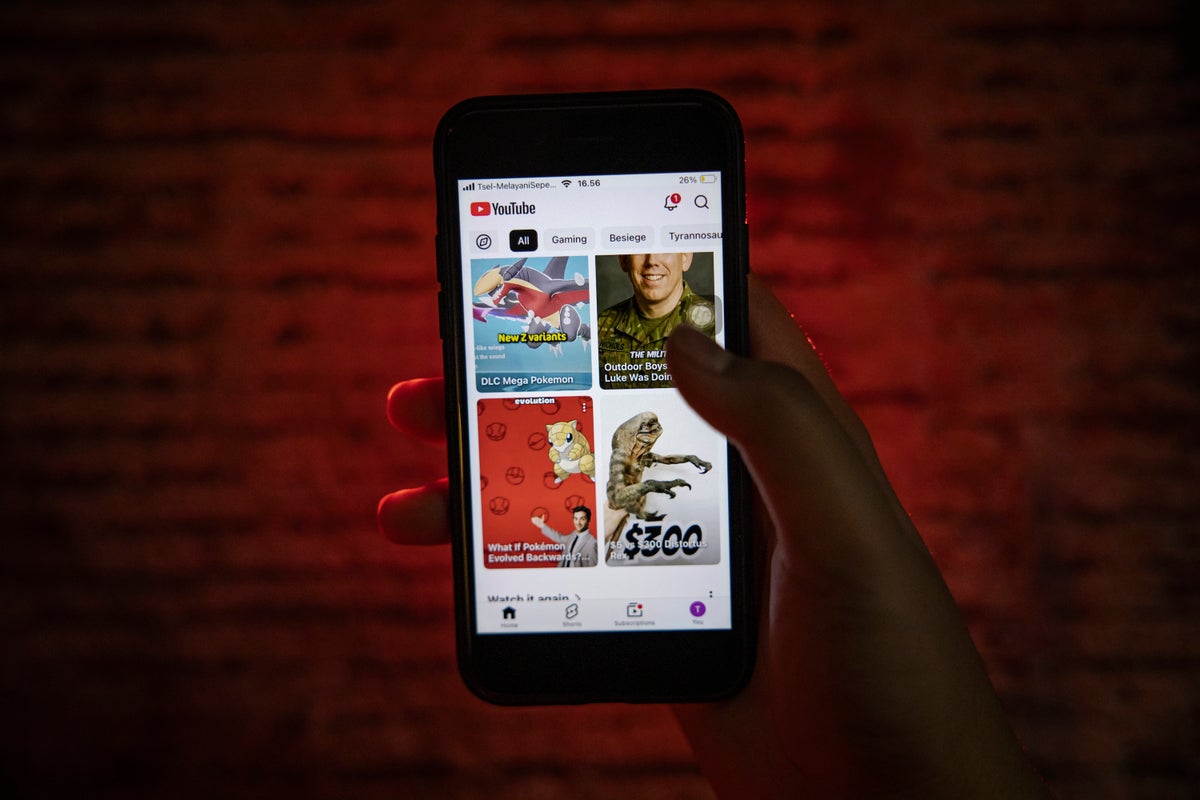
Recent jury verdicts against Meta and YouTube signal a shift in accountability for social media platforms regarding child safety and mental health.


fromThe Conversation
2 days agoAI's fluency in other languages hides a Western worldview that can mislead users a scholar of Indonesian society explains
The response was in Indonesian but shaped by values that centered individual autonomy over the consensus-building, social harmony and collective family dynamics that tend to matter more in Indonesian social life.
Philosophy
#artificial-intelligence

Higher education
fromInside Higher Ed | Higher Education News, Events and Jobs
4 days agoStudents Embrace AI but Fear False Accusations
AI is reshaping student learning and work, with many students using it for academic shortcuts due to time constraints and lack of interest.
fromFast Company
3 days agoYouTube blasted by hundreds of experts over 'AI slop' videos served up to kids
"This 'AI slop' harms children's development by distorting their sense of reality, overwhelming their learning processes and hijacking their attention, thereby extending time online and displacing offline activities necessary for their healthy development."
Education
fromFast Company
4 days ago4 AI chatbots tried to fact-check Rubio on Iran. They couldn't agree
This operation is about a set of very specific objectives; the president laid them out on the very first night of operations. I'll repeat them to you now because I hear a lot of talk about we don't know what the clear objectives are.
World news

fromThe Atlantic
10 hours agoHow Some People Became So Averse to Hype
Anna Holmes defines 'hype aversion' as a reflex against being told what to like, suggesting that popularity can create pressure rather than signal quality. This feeling can lead to a deliberate choice to resist mainstream culture.
Media industry
fromwww.bbc.com
3 weeks agoOverseas 'content farms' creating political deepfakes uncovered
I don't think you'll find a politician who hasn't had this done to them... to say it out loud makes me feel quite sad. Several Welsh politicians told the BBC about their experiences as victims of deepfakes, highlighting the widespread nature of AI-generated manipulated content targeting elected officials across the UK political landscape.
UK politics
Social media marketing
fromPhys
3 weeks agoSocial media influencers increase the toxicity and power of misinformation, research shows
Social media influencers perpetuate misinformation more effectively than regular users due to parasocial relationships with followers and financial incentives tied to engagement.



fromwww.theguardian.com
3 days agoEx-Alex Jones employee reflects on job at Infowars: It was nonsense. It was lies'
Owens described how Infowars aimed to create a cinematic experience, stating, 'We would go out there, we would shoot videos like we were in the weeds, we were showing what was really going on. But it was nonsense. It was lies.'
Media industry
World news
fromPoynter
3 weeks agoFake images from the Iran war are spreading online. Here's how to spot them - Poynter
Social media spreads widespread misinformation about the U.S.-Israel-Iran conflict through recycled footage, AI-generated content, and misrepresented old videos that are increasingly difficult to identify.
Left-wing politics
fromemptywheel
1 month agoUntrustworthy - emptywheel
The Trump presidency undermines institutional trustworthiness through contradictory policies, selective law enforcement, and politicization of federal agencies, eroding confidence in U.S. government institutions domestically and internationally.


fromNature
1 month agoThe science influencers going viral on TikTok to fight misinformation
One of Simon Clark's most popular TikTok videos begins with him playing the part of a clueless climate contrarian. Adopting the overconfident tone that is common among social-media influencers, he proclaims: "Renewables are a scam!" Cut to the real Clark, who has a PhD in stratospheric dynamics and uses the handle @simonoxfphys, as he dismantles several myths about renewable energy using a deadpan style and a torrent of charts. The video, with almost 180,000 views, is an effort to fight misinformation by meeting people where they are, he says.
Science
US politics
fromThe Mercury News
1 month agoLetters: Social media's tactics, not its content, are in question
Social media algorithms function as harmful, profit-driven products; wealthy taxation, environmental protection of Coyote Valley groundwater and wildlife, and corporate accountability are urgent public concerns.
fromFast Company
2 months agoHow to build your deep reading and critical thinking skills to better resist misinformation
The average American checks their phone over 140 times a day, clocking an average of 4.5 hours of daily use, with 57% of people admitting they're "addicted" to their phone. Tech companies, influencers, and other content creators compete for all that attention, which has incentivized the rise of misinformation. Considering this challenging information landscape, strong critical reading skills are as relevant and necessary as they've ever been.
Education
fromFast Company
1 month agoMisinformation is scaling. We need to get better at countering it
Most days, an email lands in my inbox with the promise to amplify my growth-my newsletter subscribers, the reach of my podcasts, the number of client leads, etc. I've gotten used to random people pitching me on their services, and some of the messages expertly prey on my insecurities as a business owner ("you're leaving so much on the table," et al.). I never answer any of them, but I sometimes wonder which ones might actually be legit.
Artificial intelligence
fromElectronic Frontier Foundation
2 months agoBeware: Government Using Image Manipulation for Propaganda
A short while later, the White House posted the same photo - except that version had been digitally altered to darken Armstrong's skin and rearrange her facial features to make it appear she was sobbing or distraught. The Guardian one of many media outlets to report on this image manipulation, created a handy slider graphic to help viewers see clearly how the photo had been changed.
US politics
Artificial intelligence
fromFast Company
1 month agoAI can now fake the videos we trust most. How to tell the difference-and how newsrooms can respond
AI-generated videos now convincingly mimic trusted eyewitness formats, making fake footage indistinguishable from real and undermining information reliability.
[ Load more ]