#family-ritual-drives
#family-ritual-drives
[ follow ]
#family-dynamics #easter #parenting #holidays #mental-health #family-meals #family-rituals #emotional-labor
#emotional-labor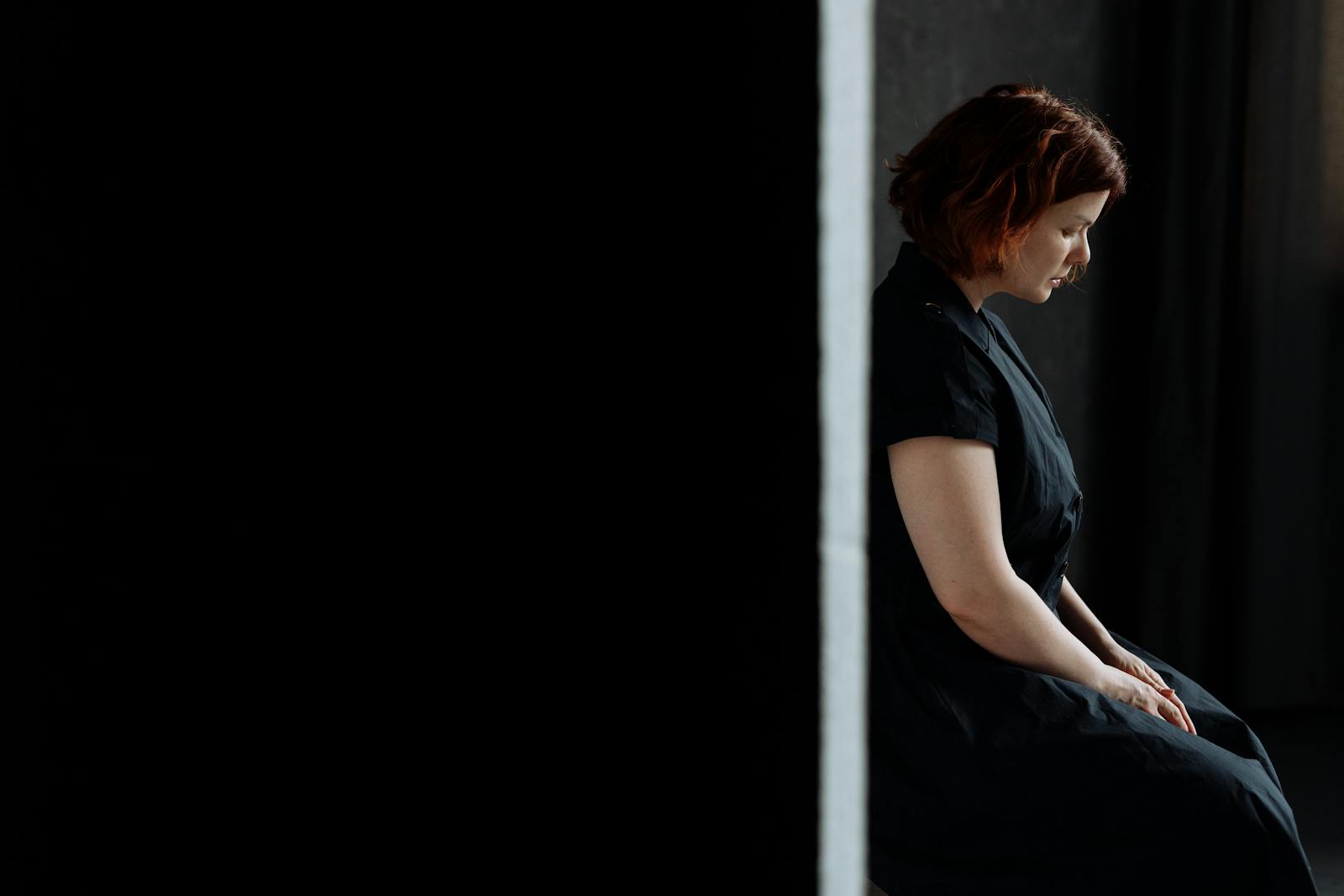
fromSilicon Canals
5 hours agoPsychology
The hardest thing about being the calm one in a family is that your steadiness becomes load-bearing. Everyone leans on it, nobody asks what holds it up, and the day you finally crack, people don't comfort you. They panic. Because your collapse threatens the architecture, and the architecture was always more important than you were. - Silicon Canals
fromSilicon Canals
3 weeks agoCooking
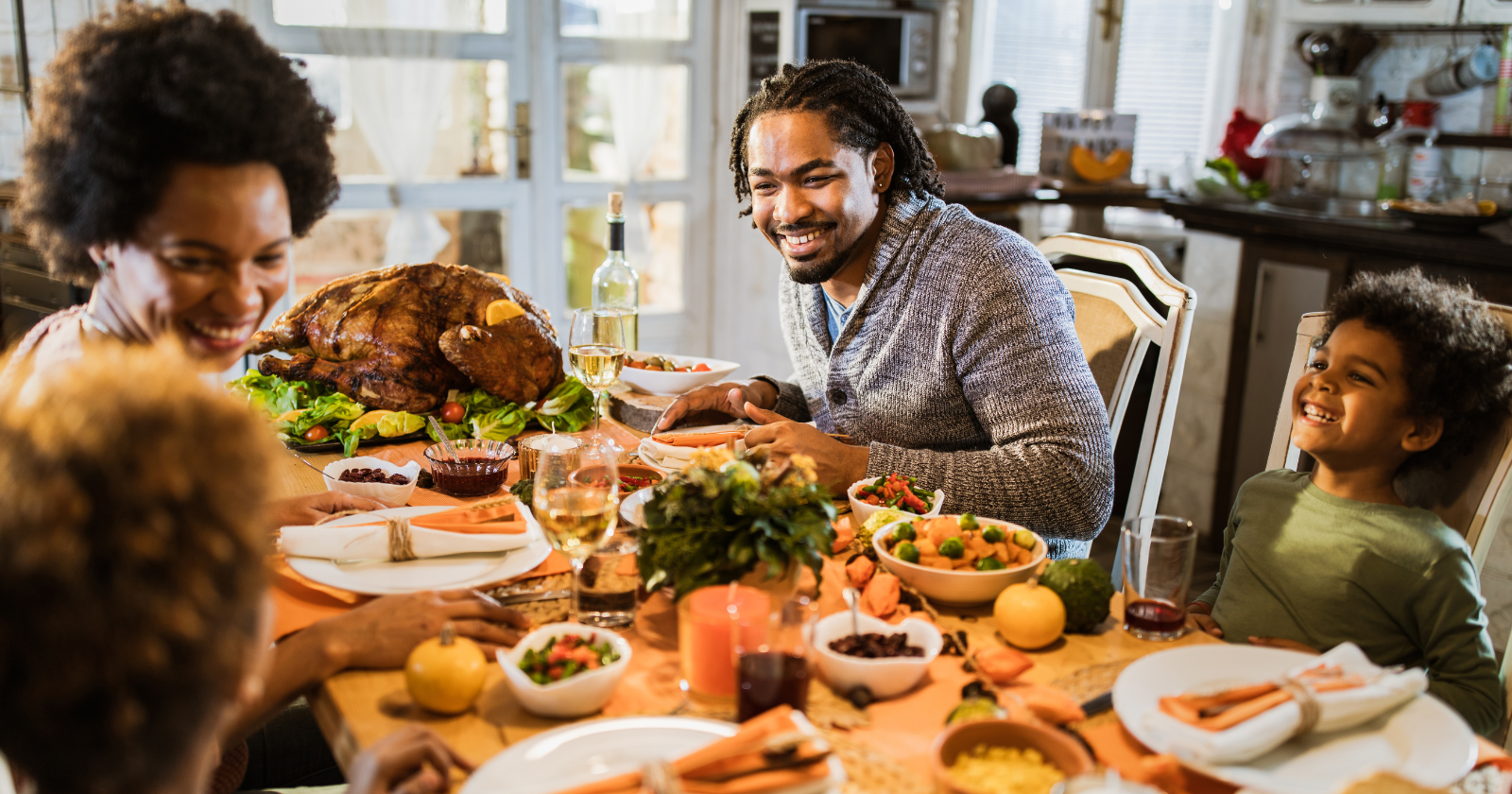
Every Thanksgiving table in America has a chair that belongs to the person who did the most and gets thanked the least - and that chair has belonged to the same person for so long that if she didn't sit in it nobody would remember to set a place for her there either - Silicon Canals
Psychology
fromSilicon Canals
5 hours agoThe hardest thing about being the calm one in a family is that your steadiness becomes load-bearing. Everyone leans on it, nobody asks what holds it up, and the day you finally crack, people don't comfort you. They panic. Because your collapse threatens the architecture, and the architecture was always more important than you were. - Silicon Canals
The calm family member often bears the burden of emotional labor, managing others' feelings while suppressing their own.
Cooking
fromSilicon Canals
3 weeks agoEvery Thanksgiving table in America has a chair that belongs to the person who did the most and gets thanked the least - and that chair has belonged to the same person for so long that if she didn't sit in it nobody would remember to set a place for her there either - Silicon Canals
Holiday meal preparation involves significant invisible emotional labor, disproportionately performed by women, encompassing memory management, dietary coordination, and logistical planning beyond cooking.
Relationships
fromSilicon Canals
1 day agoThe most painful version of not belonging isn't being rejected by strangers. It's sitting at your own family's dinner table, surrounded by people who share your last name, and feeling like you're watching the evening through glass. - Silicon Canals
Belonging can exist alongside profound loneliness, where one feels unseen even in the presence of family and friends.
fromIndependent
2 days agoModern Morals: My brother hasn't paid me back for my mum's funeral and it's brought up old feelings about him
As the eldest sibling, I did what I always do, which is jump in and become the fixer. I organised the funeral, paid for it and told my siblings they could pay me back once the dust had settled.
Fundraising
Miscellaneous
fromSilicon Canals
1 month agoI hosted Christmas for 28 years and the moment I loved most was never the meal or the gifts - it was 11 PM when the last car pulled away and I stood in the kitchen alone with the mess and finally exhaled for the first time in 12 hours - Silicon Canals
Holiday hosting demands invisible emotional and physical labor that extends far beyond meal preparation, requiring hosts to manage logistics, social dynamics, and performance anxiety simultaneously while rarely receiving acknowledgment for this effort.


fromSilicon Canals
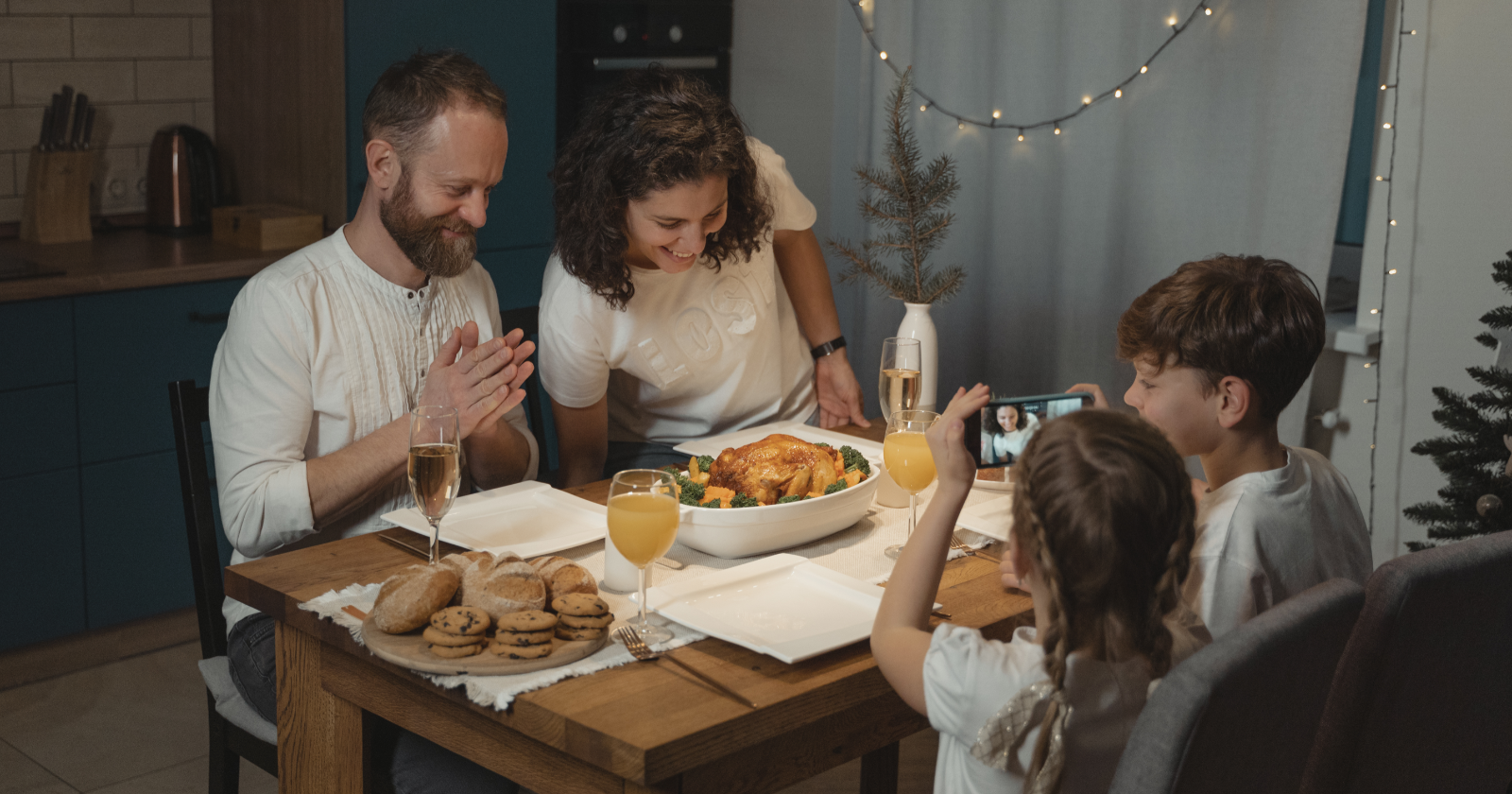
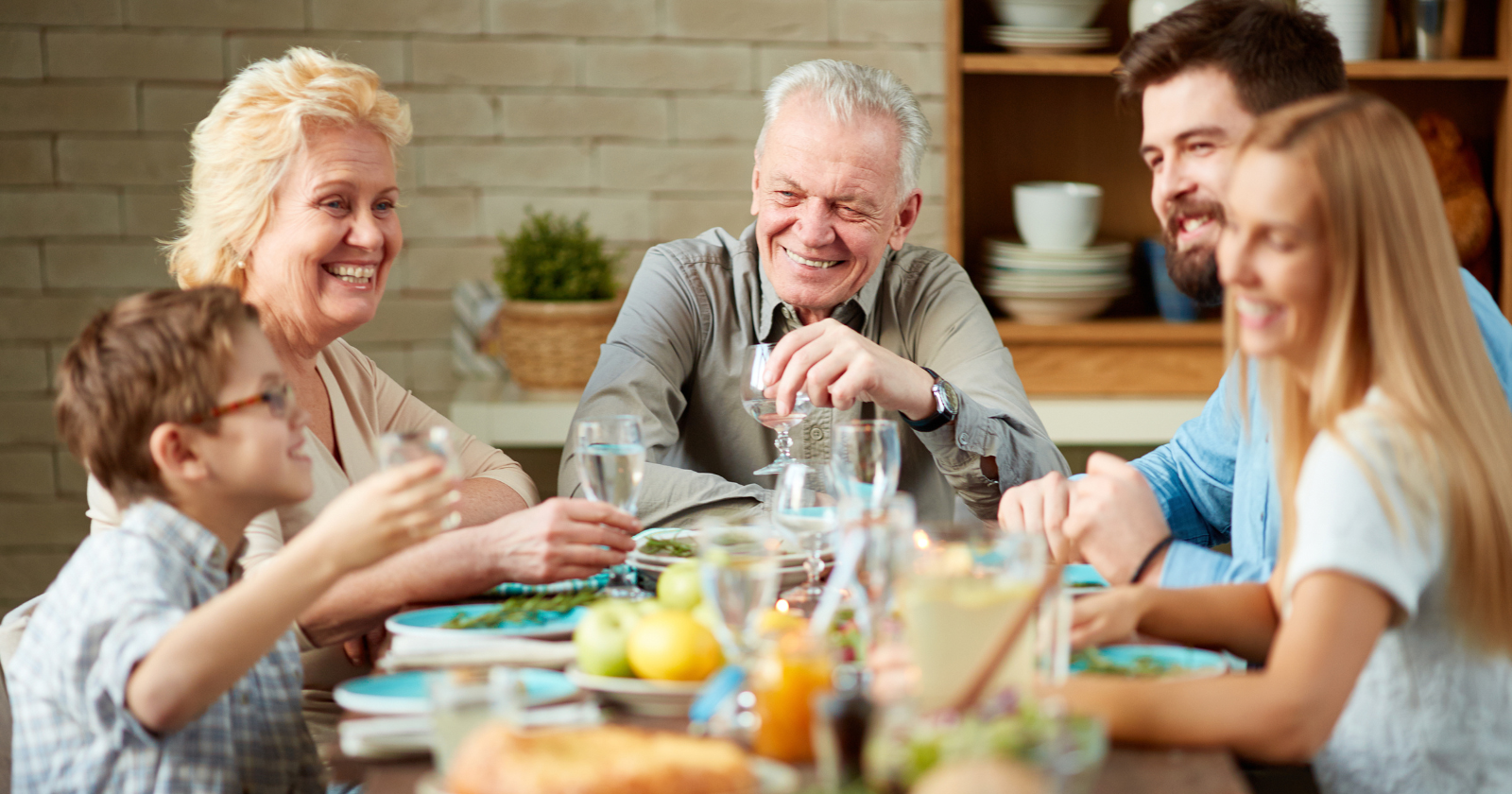
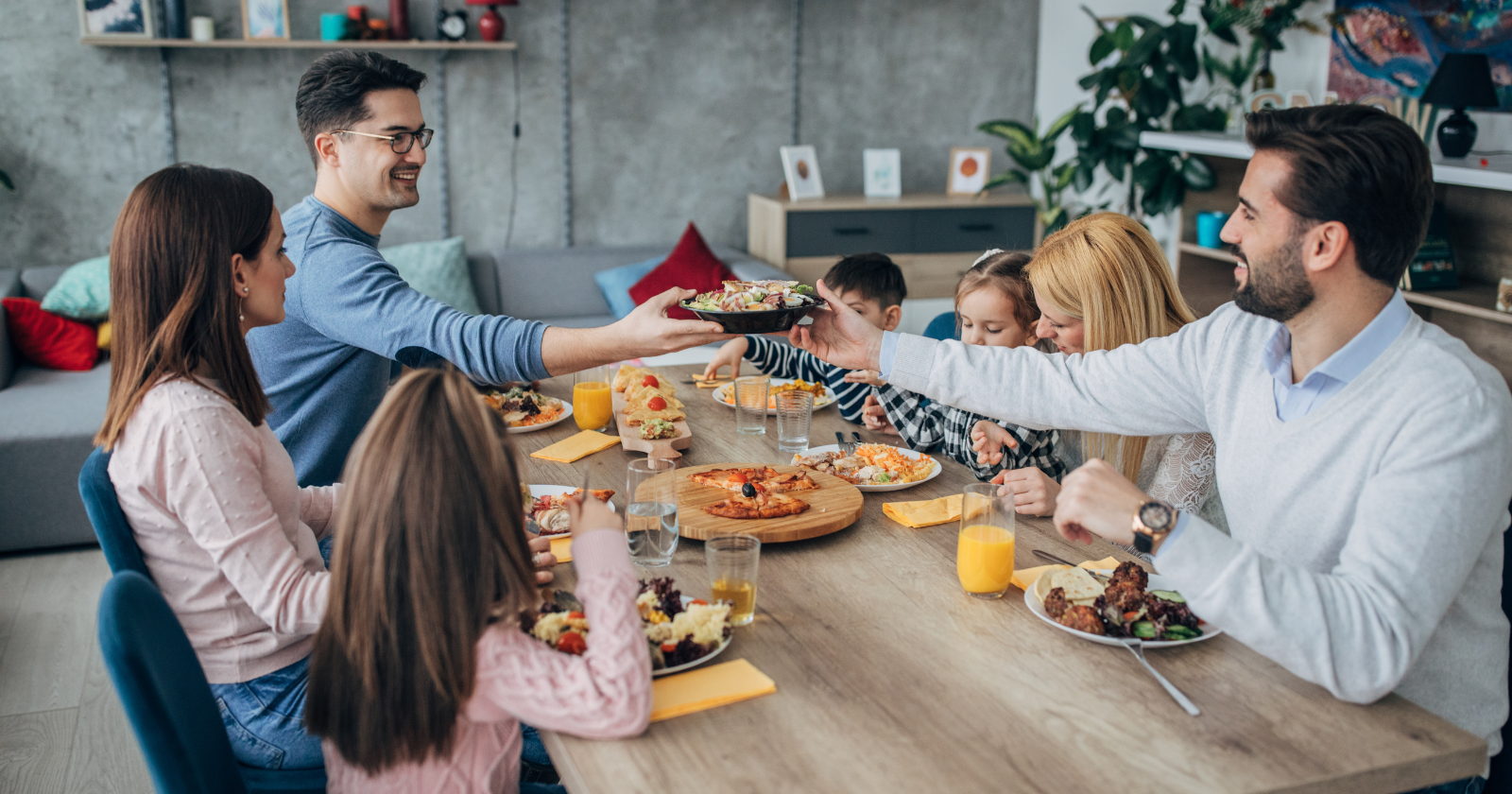
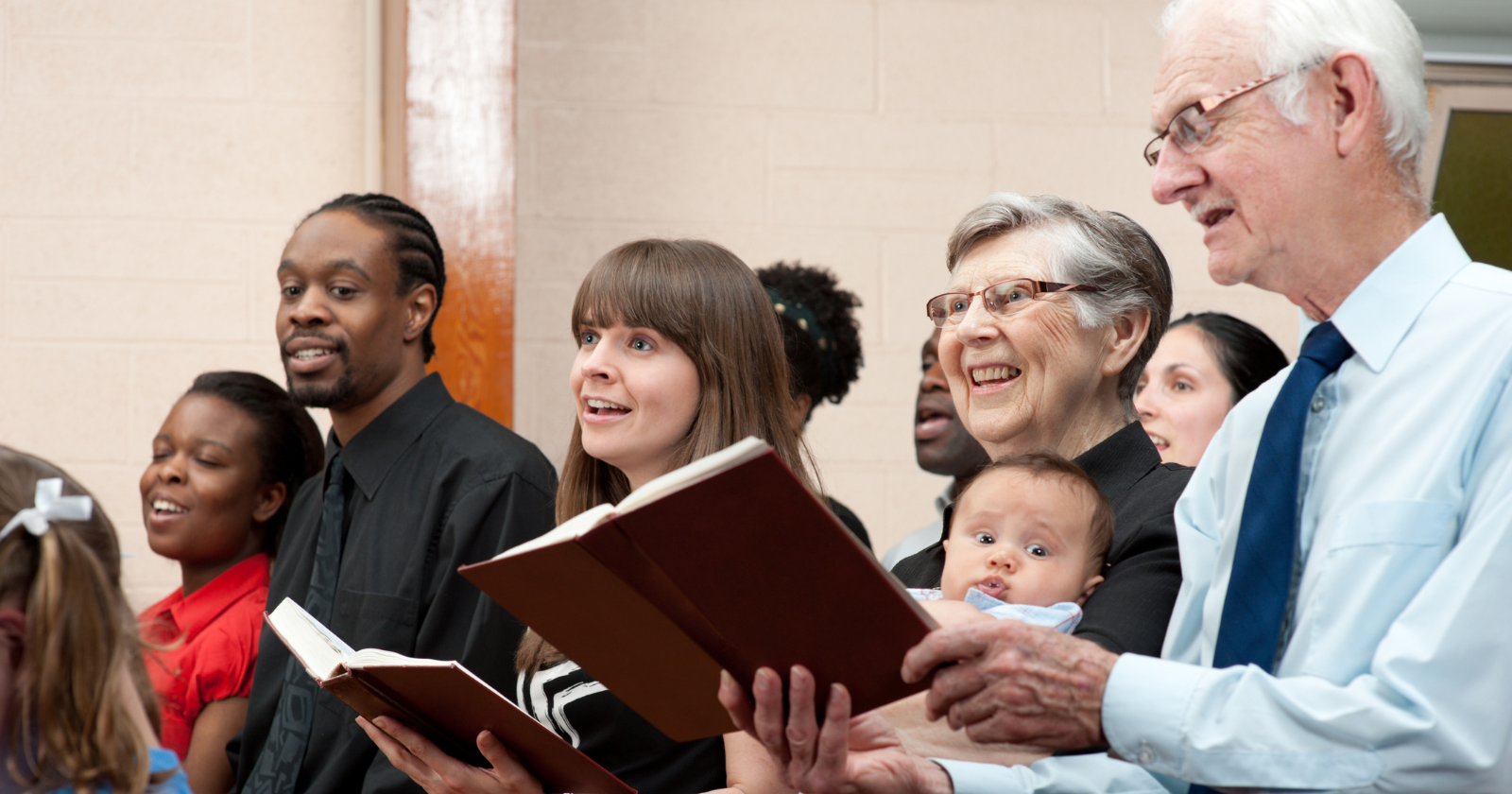
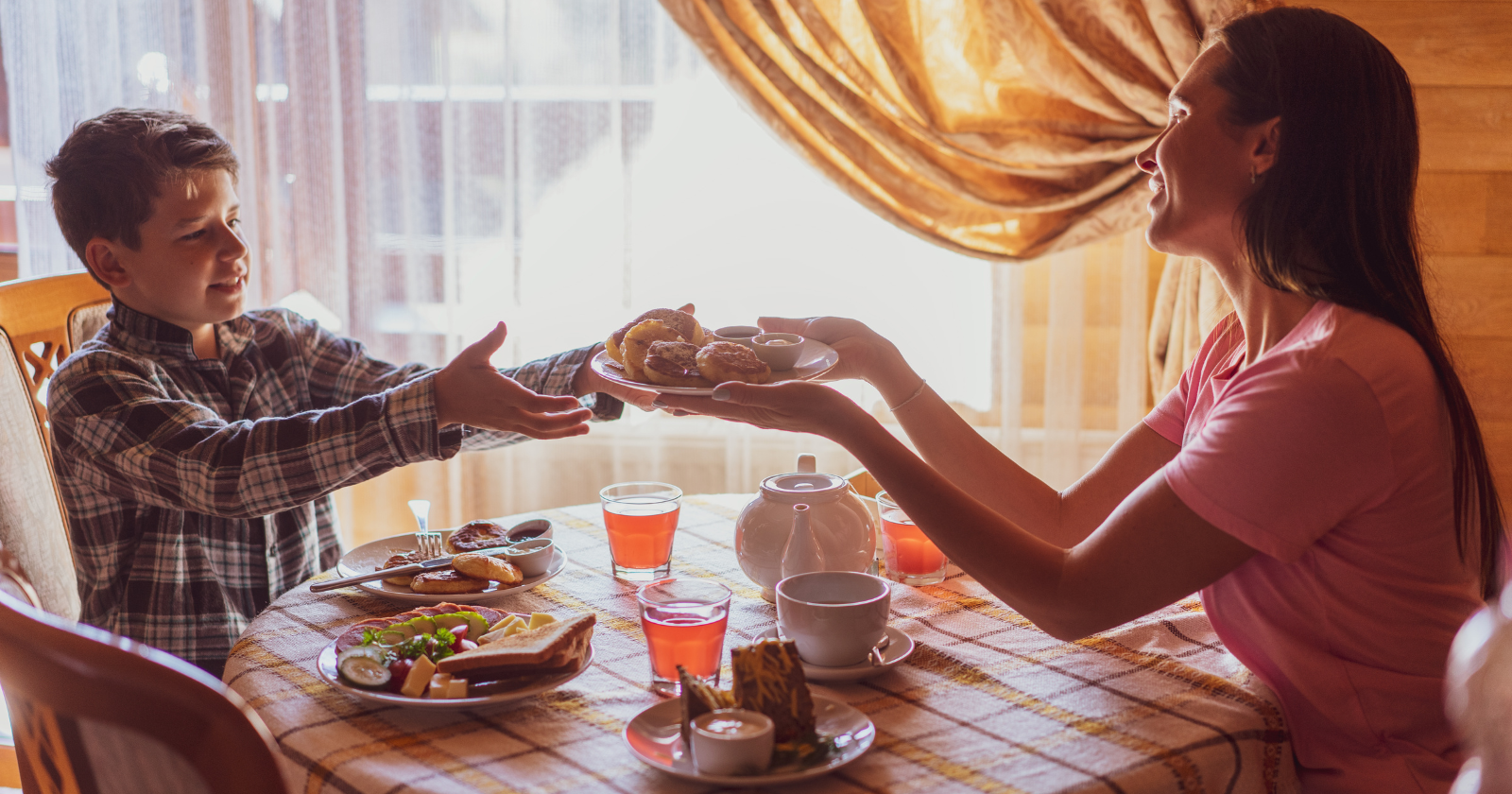
1 month ago9 ways lower-middle-class families make holidays special without spending much that wealthy families could learn from - Silicon Canals
My dad would be up at dawn, not to prepare some elaborate feast, but to set up the treasure hunt he'd created using clues written on the backs of old envelopes. Each riddle led us kids to another spot in the house, building anticipation for modest gifts hidden in creative places. The whole thing probably cost him nothing but time and imagination, yet thirty years later, I remember those hunts more vividly than any expensive present I've ever received.
Relationships
fromemptywheel
2 months agoHow Do You Want Your Family to Remember You? - emptywheel
The Stasi, the secret police, were legendary for their data files. Their work was based on instilling fear, and they induced stunningly amazing numbers of East Germans into informing on their neighbors. Something along the lines of 1 in 6 East Germans were informants, whether out of fear or out of approval of what the East German government was doing.
US politics
fromPsychology Today
2 months agoGiving Thanks in Turbulent Times
When the world feels chaotic-when grief, uncertainty, or heaviness settles into your body-gratitude can feel distant. Yet these are often the very moments when giving thanks becomes a steadying force. Naming what we're grateful for can't erase hardship, but it can anchor us. It reminds us what is good and what is possible, even in the hardest seasons. Gratitude, from the Latin gratus-thankful, pleasing-is a multidimensional experience.
Mental health
fromSilicon Canals
1 month agoThe Sunday tradition families are bringing back that makes weekends feel slower and more connected - Silicon Canals
I noticed this shift in my own life when I started having dinner with my partner most nights, phones deliberately tucked away in another room. We made this change after too many evenings disappeared into "just checking one thing" that turned into hours of parallel scrolling. The difference was immediate and profound. Conversations went deeper. We actually looked at each other. Time seemed to stretch in the best possible way.
Food & drink
fromEmptywheel
2 months agoHow Do You Want Your Family to Remember You?
The Stasi, the secret police, were legendary for their data files. Their work was based on instilling fear, and they induced stunningly amazing numbers of East Germans into informing on their neighbors. Something along the lines of 1 in 6 East Germans were informants, whether out of fear or out of approval of what the East German government was doing.
fromwww.mercurynews.com
2 months agoAsking Eric: Like it or not, this is the future of Thanksgiving dinner
I'd gently suggest that you're not helpless against the changing tide. You've noticed a pattern that seems to be in conflict with your hopes and expectations for the holiday. So, for next year, you have the opportunity to talk about it with your daughters in advance and find a solution that makes everyone happy. Every holiday meal is, of course, about the food, but its primary purpose is togetherness as a family.
Food & drink
fromPsychology Today
2 months agoShould You Include Former In-Laws in Family Celebrations?
You didn't just lose a husband-you also folded yourself into his family's grief and stood beside them through their darkest moments. Those ties don't simply disappear because life moves forward. Knowing that firsthand, I want to acknowledge the very human dilemma you are facing. You're balancing loyalty to someone who has been family for a long time with the commitment you are now making to a new partner. These are not simple emotional shifts. They require courage, clarity, empathy, and a whole lot of heart.
Relationships
Psychology
fromSilicon Canals
1 month agoThe real reason family reunions during Chinese New Year feel so emotionally exhausting has nothing to do with your relatives and everything to do with the version of yourself you become the moment you walk through that door - Silicon Canals
Sustained code-switching between work and family roles during Chinese New Year produces deep cognitive and emotional fatigue from managing multiple competing identities.
fromPsychology Today
2 months agoHow Important Are Family Dinners?
"Life is chaos," she said. "Mornings in my house are unimaginable. I have to get the kids up and fed, more or less, and out to where the school bus picks them up. At the same time I'm getting myself ready so that I can leave for work once I know they're on the bus. I don't leave before, because if the bus doesn't come, which happens more frequently than it should, I have to take them to school."
Parenting
fromSilicon Canals
1 month agoI stopped performing gratitude at Chinese New Year dinner and what happened next taught me more about my family than thirty years of pretending everything was fine - Silicon Canals
I was thirty-eight years old the first time I stopped performing at Chinese New Year dinner. Not dramatically-I didn't stand up and deliver a monologue about authenticity or announce that I was done pretending. I just stopped smiling when I wasn't amused. I stopped nodding when I disagreed. I stopped telling my aunt that her unsolicited career advice was helpful when it wasn't. I stopped pretending that the version of me sitting at that table was the real one.
Relationships
[ Load more ]