#fashion-ethics
#fashion-ethics
[ follow ]
#sustainable-fashion #sustainability #spring-fashion #fashion-trends #upcycling #affordable-fashion #allbirds

#sustainable-fashion



Fashion & style
fromEarth911
2 weeks ago11 Sustainable Men's Clothing Brands for Spring & Summer Style
Clothing production consumes massive water resources and generates significant carbon emissions, but sustainable brands using organic, recycled fibers and repair services offer viable alternatives to fast fashion's environmental damage.
Fashion & style
fromBusiness Matters
3 weeks agoWhy Sustainable Fashion is More Than Just a Trend: Clothing, Bags, and Accessories for a Better Future
Sustainable fashion has moved from niche to mainstream as consumers increasingly demand transparency about production, labor practices, and environmental impact of clothing and accessories.
Fashion & style
fromdesignboom | architecture & design magazine
1 day agocollagen from dinosaur shapes the designer handbag made with lab-grown leather
Enfin Levé introduces a handbag made from lab-grown T-Rex leather, utilizing collagen from fossilized dinosaur bones, showcased at Art Zoo Museum in Amsterdam.

Environment
fromLondon Business News | Londonlovesbusiness.com
2 weeks agoClothing industry warned of higher costs as Labour targets fast fashion - London Business News | Londonlovesbusiness.com
UK fashion brands face rising waste-disposal costs as Europe implements stringent textile regulations requiring producers to pay fees based on material recyclability, with similar UK measures likely forthcoming.
fromMindful
3 weeks agoClothing Designer Eileen Fisher Models Mindfulness
Despite having to haul a dozen dumpster-loads of damaged goods out of the offices and the nearby Lab Store, to the tune of $1.5 million, Eileen said at the time, 'It was just stuff.' You can only imagine the emotions that might arise in a chief executive if they saw their sewage-soaked products floating by. Eileen and her staff did not linger there. They mobilized quickly-organizing carpools, impromptu meeting spaces, and arranging interest-free loans for staff needing cash during the crisis.
Women
#spring-fashion
Fashion & style
fromwww.theguardian.com
3 days agoJess Cartner-Morley on fashion: spring has sprung, so put away your coat and banish the black tights
Spring dressing requires a shift away from winter staples like black tights to embrace lighter, more versatile options.


Fashion & style
fromEntrepreneur
2 weeks agoYour 'Organic' TShirt Still Hurts the Planet More Than You Think
Organic and sustainable fashion brands undermine their environmental messaging by packaging products in excessive single-use plastic, contradicting their eco-friendly positioning and contributing significantly to global plastic waste.
fromThe Walrus
1 month agoThrifting Was about Frugality. How Did It Become All about Profit? | The Walrus
"I 'm the most hated man in town," Ray McKelvie told me. The town in question was Clinton, British Columbia, approximately 350 kilometres northeast of Vancouver, on Highway 97. Later, I asked another Clinton resident whether McKelvie's claim was true. She thought for a moment. "Well, there's Joe, who lives in the trailer park," she said. "We don't like him much either. But it's about even."
Miscellaneous


fromDaily Coffee News by Roast Magazine
1 month agoReport: Sustainability Must Be Embedded Into Core Buying Practices to Drive Change
"Ironically, many if not most of these 'sustainability' projects remain disassociated from companies' core procurement strategies, meaning the coffee produced from these projects is not necessarily bought by the companies involved, or only in minimal quantities," the paper states. "And for the coffee that is purchased, prices do not factor into the project design, despite the fact that price is the single variable impacting farmer income that is in the direct control of companies."
Coffee
Miscellaneous
fromwww.dw.com
1 month agoShein faces EU investigation over products, design features
The European Commission opened formal Digital Services Act proceedings against Shein over addictive design, opaque recommender systems, and sales of illegal products including child sexual abuse material.
fromwww.npr.org
2 months agoPolyester clothing has been causing a stir online. But how valid are the concerns?
Your eyes don't deceive you. The use of polyester has ballooned with time, according to Henry Navarro Delgado, an associate professor at Toronto Metropolitan University's school of fashion. It's partly because polyester can be quite useful, he said. It is a type of plastic made from petroleum compounds that are cooled and stretched into yarn, according to Michael Palladino, a fashion industry veteran and lecturer at Kingsborough Community College's business of fashion program in New York.
US news
Design
fromdesignboom | architecture & design magazine
2 months agowearable collection repurposes leftover leather powder as translucent composite material
OBRO converts leather manufacturing offcuts into semi-transparent PVC composite by embedding finely ground leather powder to create visually layered, tactile, durable sheets.
Intellectual property law
fromFast Company
2 months agoPatagonia takes drag queen Pattie Gonia to court in trademark infringement lawsuit
Patagonia sued Pattie Gonia for trademark infringement, alleging name confusion and unauthorized apparel use that violates a prior agreement while seeking nominal damages.
fromdesignboom | architecture & design magazine
1 month agorecontextualizing human hair waste as potential raw material for design
This research-based design project by Laura Oliveira investigates discarded as a potential raw material for sustainable design applications. Human hair is produced continuously and in large quantities through everyday grooming practices, yet it is almost always treated as waste once separated from the body and typically disposed of in landfills. Despite its material properties, strength, flexibility, and durability as a keratin-based protein fiber, its remains uncommon within design and research contexts.
Design
Fashion & style
fromTravel + Leisure
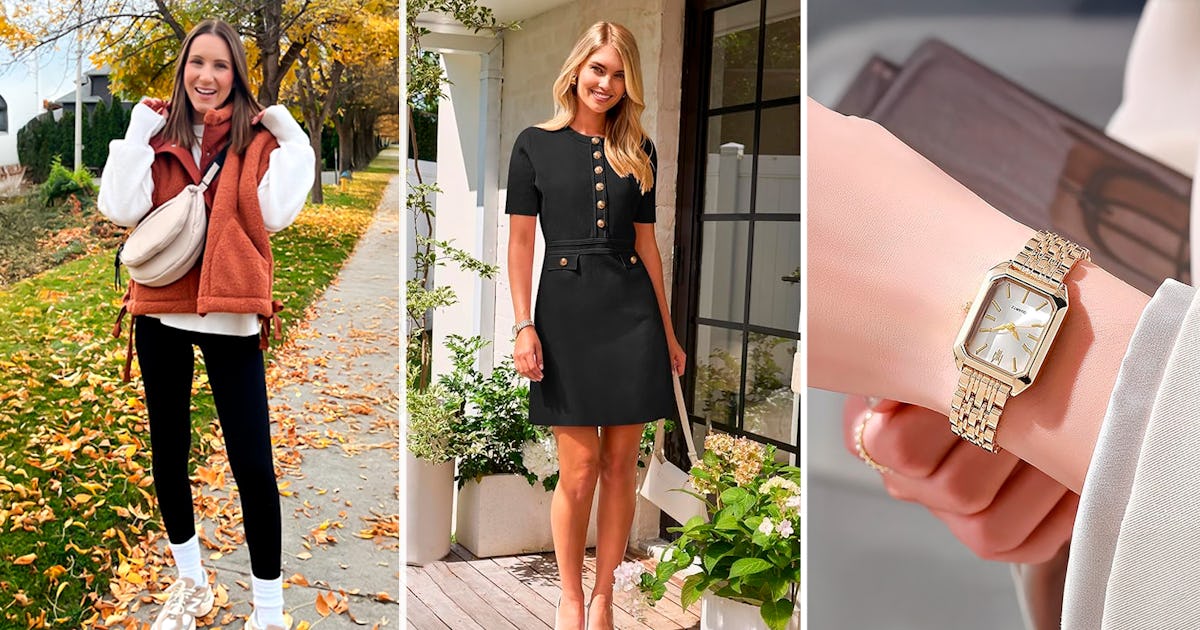
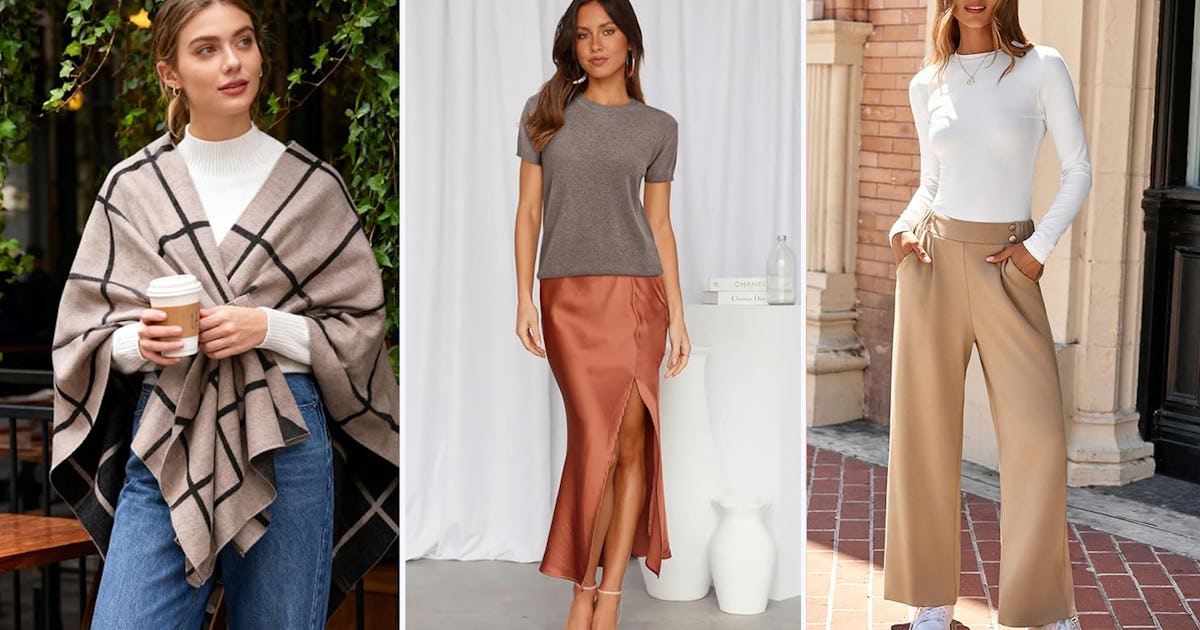
1 month agoI Have Aritzia Style on an Amazon Budget-and You'd Never Guess These Elevated Basics Start at $13
Amazon offers budget-friendly alternatives to Aritzia's premium clothing, with similar styles in loungewear, blazers, and sweaters starting at $13-$43 compared to designer prices exceeding $200.
Fashion & style
fromwww.theguardian.com
1 month agoYoung fashion fans help UK charity shops thrive on struggling UK high streets
Young people's interest in secondhand fashion through platforms like Vinted and Depop is driving growth in charity shop sales, though rising operational costs threaten profitability and store numbers.
fromEarth911
2 months agoGuest Idea: 7 Solutions to Give Your Old Sunglasses a Second Life
Just like that coffee cup, eyewear is a complex fusion of materials. Metal hinges are screwed into polymer frames, which hold chemically-coated lenses. This mix of metals, plastics, and coatings means standard sorting machines cannot process them. As a result, they are rejected as contamination and sent directly to landfills, where they contribute to non-biodegradable waste. Unlike a disposable paper cup, however, a pair of sunglasses is built for durability. Its high-quality components make it a perfect candidate for repair, reuse, or reinvention.
Environment
Environment
fromGlobal IP & Technology Law Blog
1 month agoGreenhushing: The Indirect Consequence of the Crackdown on Greenwashing?
Regulators increasingly enforce against vague or unsubstantiated environmental claims; advertisers must provide clear, high-level substantiation for "green" or "sustainable" statements.
fromDocumentjournal
1 month agoOnce upon a time, fashion got dirty
In the show, "dirty" extends to anything that breaks fashion's pact with propriety. Here are clothes caked in grime, blotted with makeup, stiffened by salt, pieced from trash, frayed, and faded. The garments span decades, from the 1980s through the mid-2000s, when the likes of Vivienne Westwood and Jean Paul Gaultier built their fame on defying convention, to today, when corporatization has made such daring increasingly rare. But forgoing practicality frees certain designers from the demands that the body be polite-and thereby policed.
Fashion & style
Fashion & style
fromdesignboom | architecture & design magazine
1 month agofour typologies explores decentralized upcycling fashion factories in digital space
Digital spatial systems enable decentralized Garden Factory typologies and nonlinear upcycling workflows that support iterative, small-batch fashion production across multiple scales.
fromTravel + Leisure
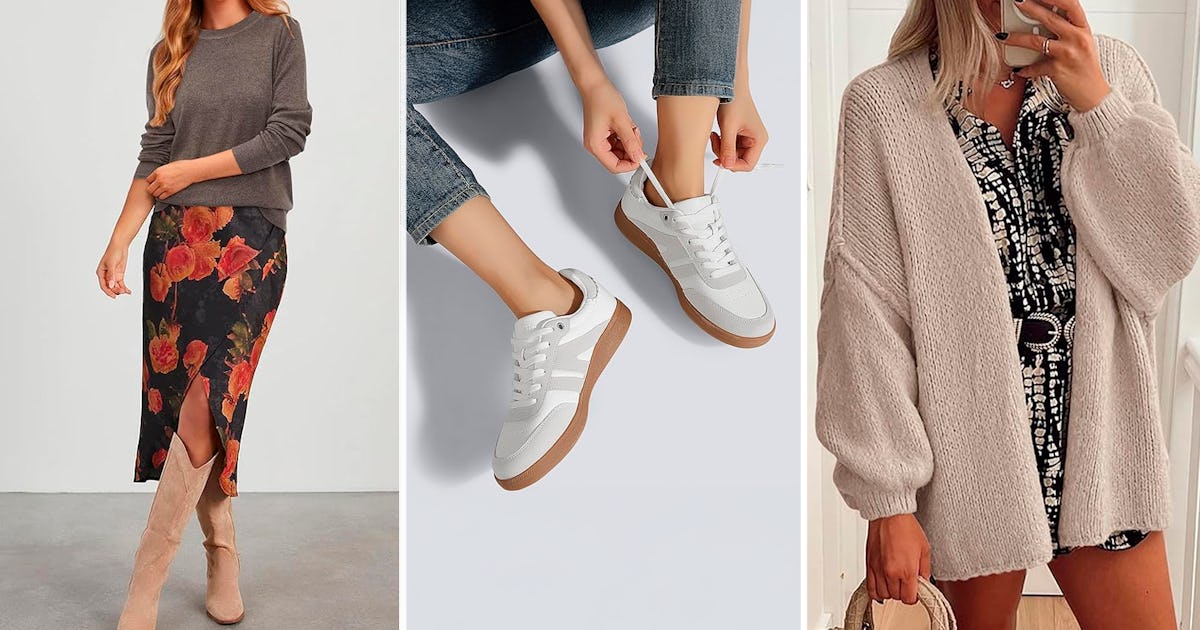
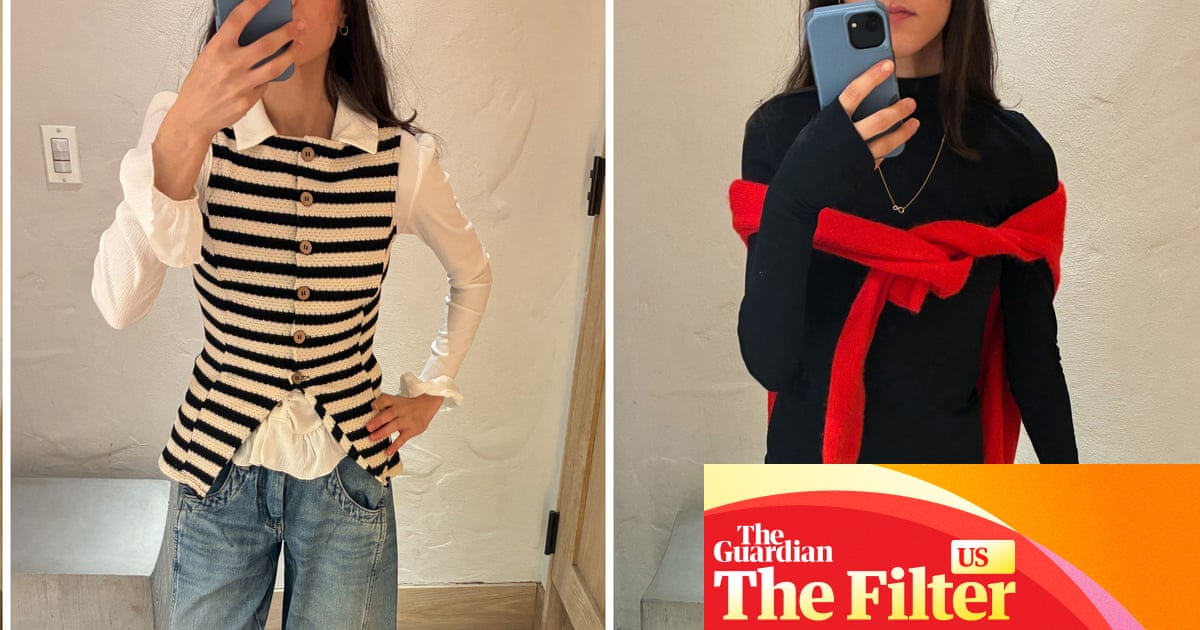
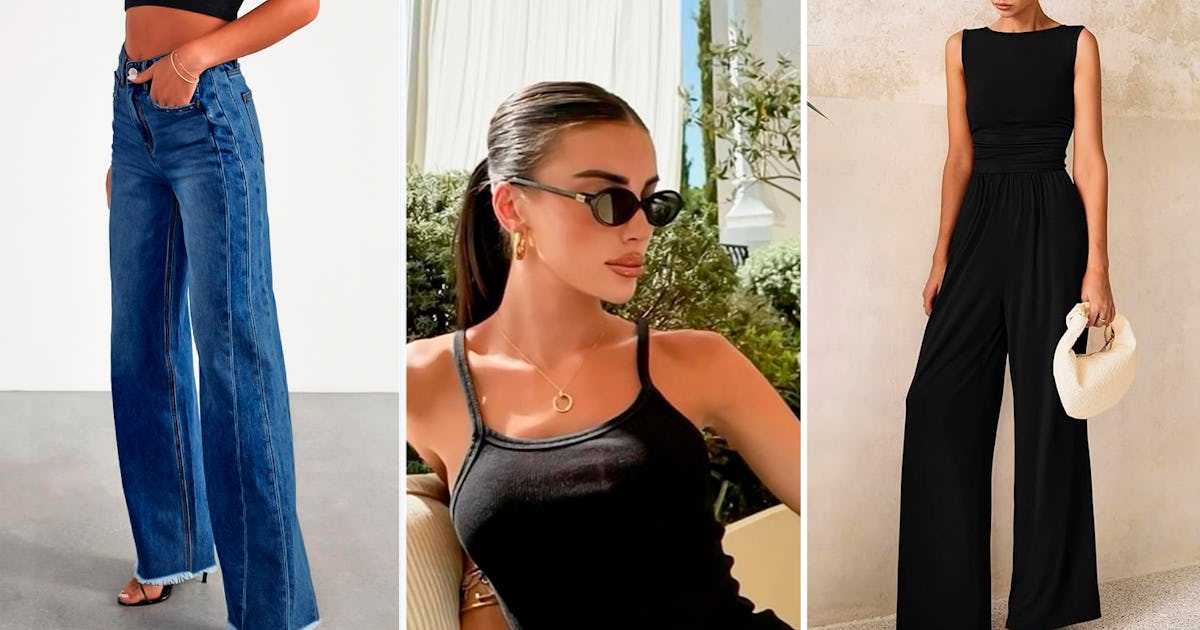
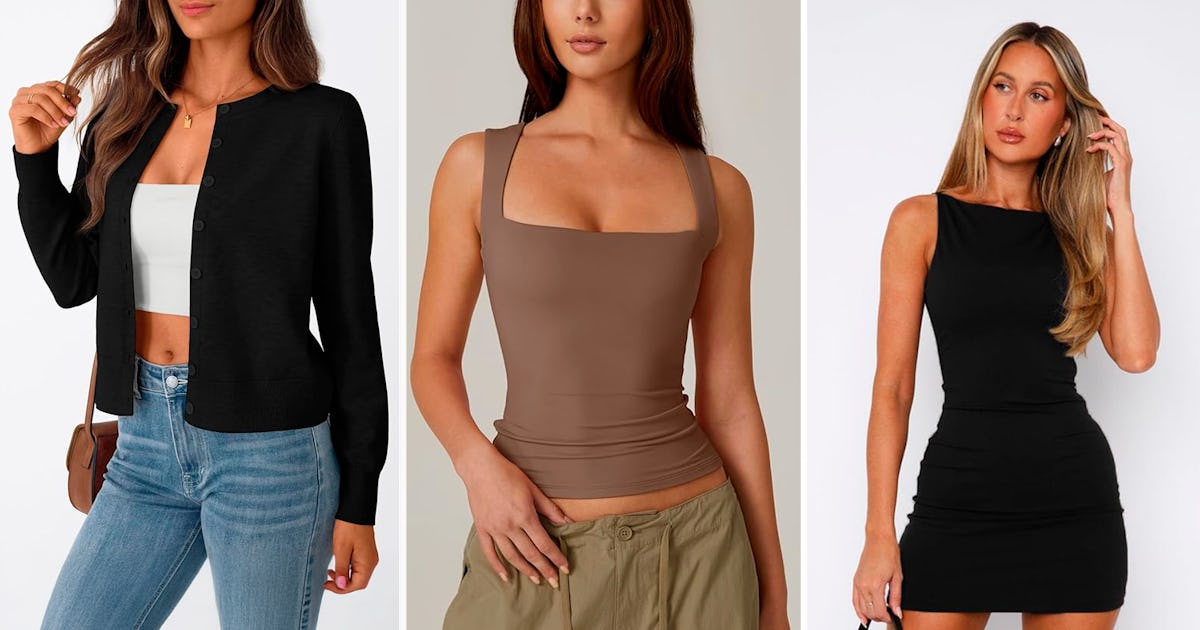
1 month agoI'm a Former Reformation Employee, and These 10 Luxe-looking Amazon Finds Are Just as Stylish-Starting at $7
Before I graduated from college and became a full-time writer, I had my dream retail job: working at Reformation. Thanks to my treasured employee discount, I had a wardrobe stuffed with basics from the sustainable, celebrity-loved clothing brand, including adorable vacation dresses, matching sets, and cashmere sweaters. While I can confidently say Reformation's pieces are worth the investment, it's a bit of a splurge for my current budget without the sweet discount, so I've gotten creative and supplemented my wardrobe with a few wallet-friendly alternatives.
Fashion & style
Fashion & style
fromwww.theguardian.com
2 months agoHow to have a guilt-free wardrobe clearout without sending anything to landfill
Excess donated clothing is often unsellable, causing landfill or export to low-income countries; reselling, selective recycling, and considered clearouts reduce waste and pollution.
Fashion & style
fromLondon Business News | Londonlovesbusiness.com
2 months agoH&M brushes off a 'challenging environment' - London Business News | Londonlovesbusiness.com
H&M's operating profit rose 6% to £1.5bn, driven by a 38% final-quarter increase from strong Black Friday sales, despite expected currency-related sales headwinds.
Fashion & style
fromwww.theguardian.com
2 months agoHunt, scroll, strike gold: the best clothes and accessories to buy secondhand and where to find them
Secondhand shopping delivers unique, affordable, and eco-friendly fashion finds—especially leather jackets, designer pieces, and high-street bargains—when buyers know where and how to shop.
fromwww.theguardian.com
1 month agoFilled with good intention: could the new It bag be an antidote to the tote?
It's not a multi-thousand pound handbag from Hermes that best captures the new era of It bags, but a 149 tote from John Lewis. Launched this season, it's deeper (45cm) and taller (33cm) than your average handbag, and comes loaded with good intentions. It's able to hold your packed lunch, flask and book, as well at a push as your gym kit.
Fashion & style
fromInsideHook
1 month agoFrom Our EIC: Everything to Buy From Outerknown's Winter Sale
Having been at InsideHook for the past seven years, I know that you guys are super into Outerknown, the Kelly Slater-founded clothing company that specializes in laid-back basics that are equally at home on a beach or out to dinner. Or just...at home, I guess. So I feel obligated to alert you to the very, very good sale they're currently hosting, on everything from their best-selling Blanket Shirt to their must-have Nomad Shorts, as well as $28 hoodies (?!?!) and a whole lot more.
Fashion & style
[ Load more ]