#faustino-oro
#faustino-oro
[ follow ]
#contemporary-art #cultural-heritage #photography #illustration #frida-kahlo #performance-art #mexican-art


Europe news
fromdesignboom | architecture & design magazine
4 days agoconfess your sins to maurizio cattelan and you might win his fallen pope miniature
Maurizio Cattelan's La Nona Ora returns as a limited edition sculpture, featuring Pope John Paul II struck by a meteorite, alongside a confessional hotline initiative.
Design
fromArchDaily
2 weeks agoSmiljan Radic: Material Explorations Between Ephemerality and Permanence
Chilean architect Smiljan Radić creates buildings that blend ancient monumentality with provisional fragility, combining diverse materials in experimental ways that challenge conventional architectural categorization.
fromThe Art Newspaper - International art news and events
3 weeks agoTomas Saraceno and Indigenous communities build art complex in Argentine salt flats
We don't eat batteries. They take away the water; they take away life. This pronouncement, in Spanish, appears in a photograph that the artist Tomás Saraceno sent via WhatsApp last month from Salinas Grandes, a high-altitude salt flat in northern Argentina. There, in one of the world's largest lithium reserves, the artist is working alongside 11 Indigenous communities to build El Santuario del Agua (The Water Sanctuary), a monumental work about the global energy transition.
SOMA, SF
Arts
fromThe Art Newspaper - International art news and events
5 days agoMexico's art community calls for greater transparency in management of treasured collection
The Gelman Collection's future is uncertain, prompting calls for transparency from cultural professionals regarding its management and adherence to heritage laws.

Design
fromdesignboom | architecture & design magazine
1 month agoinside the surrealist universe of late artist pedro friedeberg, creator of the iconic hand chair
Pedro Friedeberg, Mexican surrealist artist and architect known for ornate drawings and hand-shaped chairs, passed away at 90, leaving behind six decades of work blending gothic architecture, optical patterns, and symbolism.
Miscellaneous
fromenglish.elpais.com
1 month agoLAM, the museum that displays a portrait made with sausages and a sculpture of moldy grapes
The Lisser Art Museum in Lisse, Netherlands houses the world's largest collection of art related to food, drink, and consumption, featuring multidimensional works that explore everyday culinary themes in extraordinary ways.
Arts
fromJuxtapoz
2 weeks agoJuxtapoz Magazine - Private Nightmares: Francisco Rodriguez @ Baert Gallery, Los Angeles
Rodriguez paints memories of vanished places using flattened compositions and muted palettes informed by historical artistic traditions, exploring contemporary anxieties through figures seeking escape from digital isolation.
Design
fromdesignboom | architecture & design magazine
1 month agoluis barragan's la cuadra san cristobal reopens to the public with two exhibitions in mexico
La Cuadra, Luis Barragán's 1968 equestrian complex, reopens as a public cultural campus under Fernando Romero's direction, launching with exhibitions dedicated to Barragán and Felix Gonzalez-Torres.
fromArtnet News
2 weeks agoVeronica Fernandez Builds an Uneasy Monument to Childhood Imagination
There's this push and pull between feeling unease and discomfort, the nature of the spaces, and why they feel uncomfortable. But there is also tenderness and warmth, people adapting to these spaces and finding ways to make them comfortable.
Arts
Arts
fromThe Art Newspaper - International art news and events
3 weeks agoPedro Friedeberg, key figure in Mexican art renowned for hand-shaped chair, has died at age 90
Pedro Friedeberg, the Mexican artist renowned for his hand-shaped chair, died at 90, leaving behind a distinctive artistic legacy that blended surrealism, geometric abstraction, and ornamental architecture.
fromwww.theguardian.com
2 months agoPrado chief says Madrid art museum doesn't need single visitor more'
In 2025 the Prado, which is home to such masterpieces as Velazquez's Las Meninas and Hieronymus Bosch's The Garden of Earthly Delights, was visited by 3,513,402 people, an increase of more than 56,000 from the previous year. Visitor numbers have risen by more than 816,000 over the past decade. While some museum bosses would be toasting such a success, the Prado's director, Miguel Falomir, is treating it with caution. The Prado doesn't need a single visitor more, he told a press conference on Wednesday.
Miscellaneous
#contemporary-art
Arts
fromdesignyoutrust.com
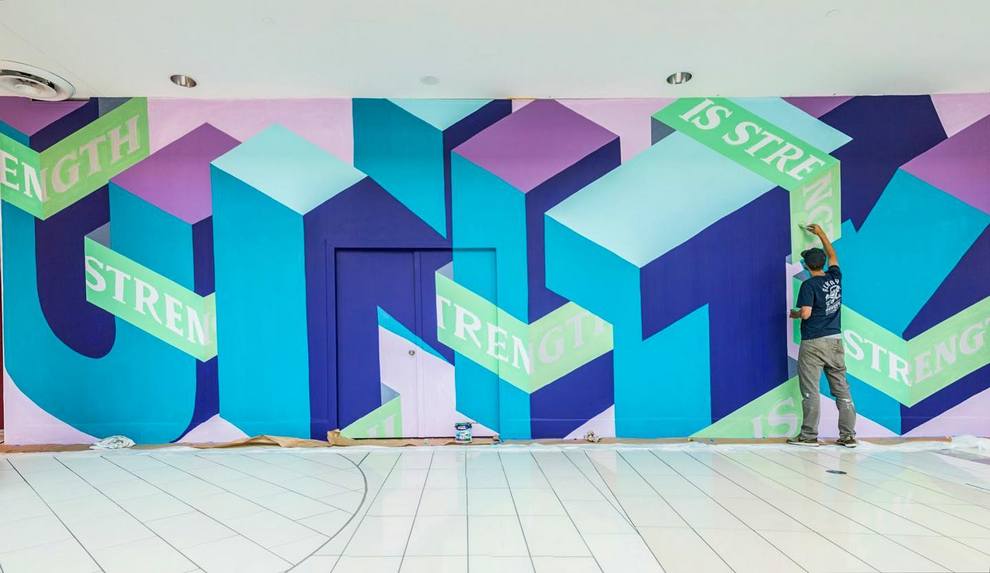
2 months agoArtist Reshapes Walls And Spaces With Explosive Typographic Murals That Turn Buildings Into Giant, 3D Messages
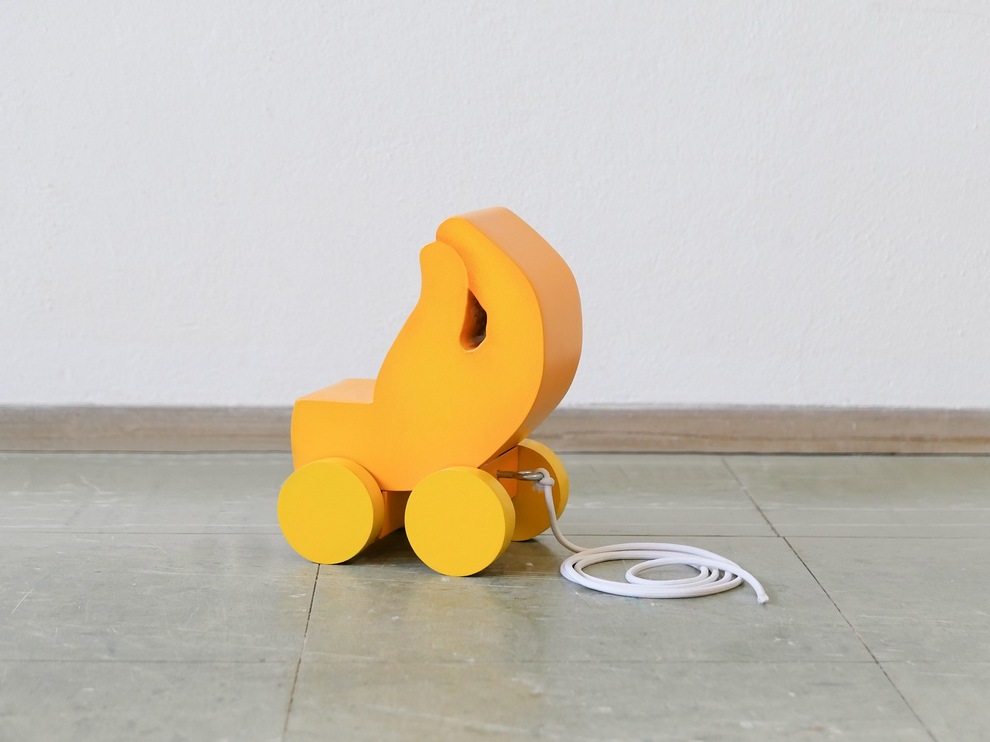
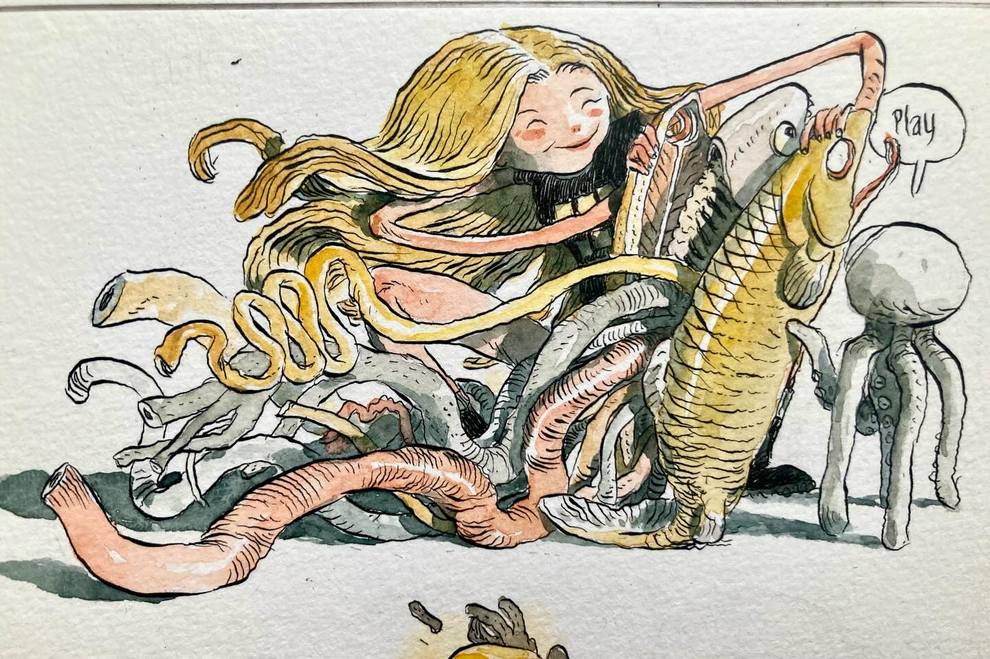
A diverse collection of contemporary visual artworks and projects showcases imaginative sculptures, illustrations, modified objects, and installations spanning surreal, tribal, reclaimed-material, and whimsical themes.
Arts
fromKALTBLUT Magazine
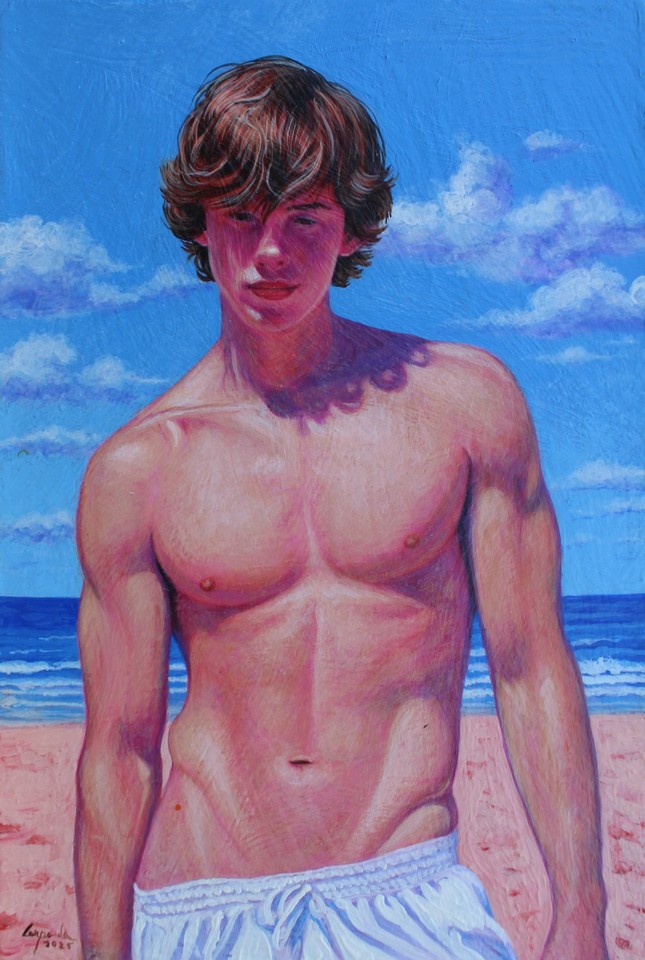
3 weeks agoCelebrate the Unconventional: Discover Fernando Carpaneda's Solo Exhibition at the Arkell Museum - KALTBLUT Magazine
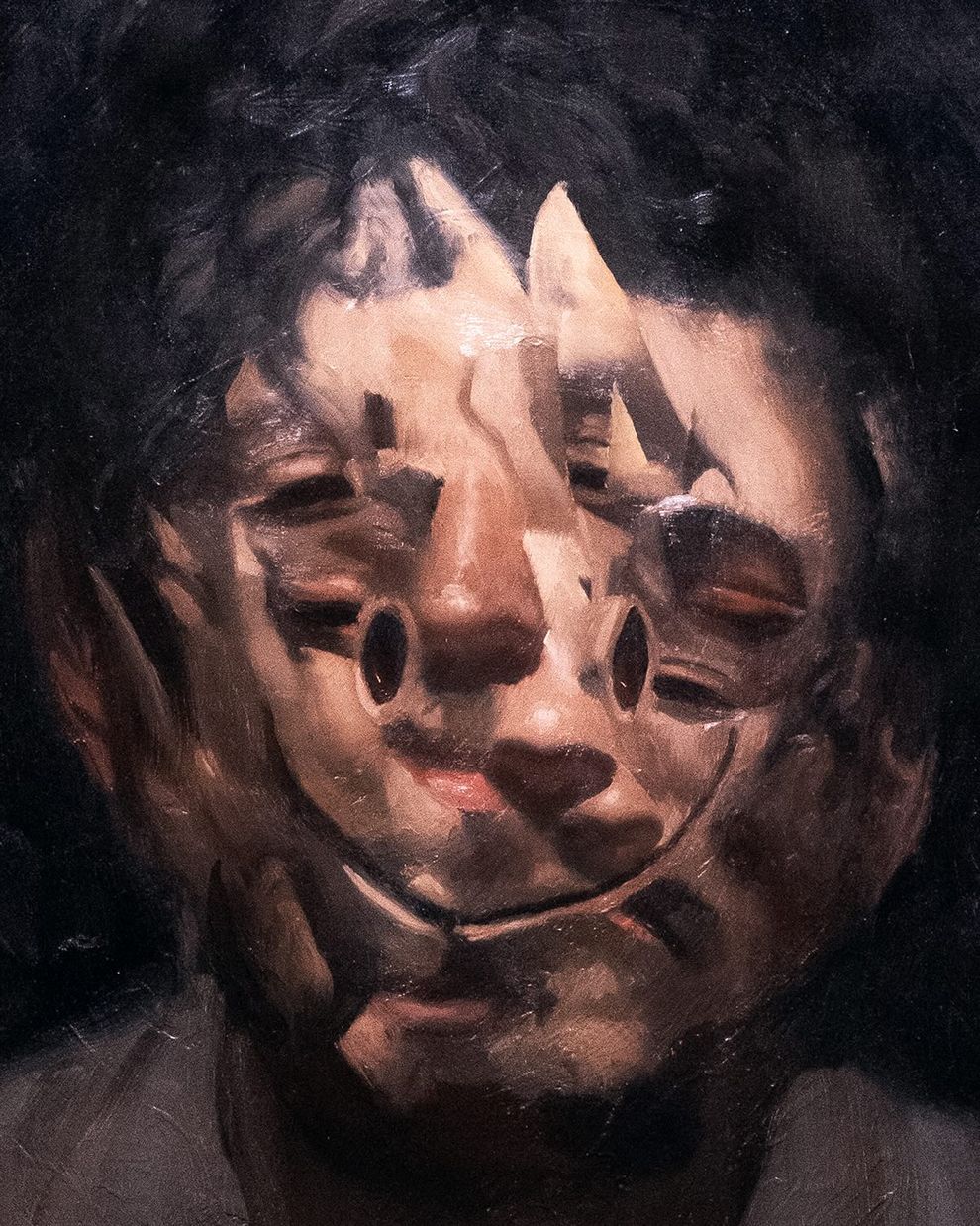
Fernando Carpaneda's solo exhibition at the Arkell Museum showcases expressive portraiture celebrating LGBTQIA+ narratives and everyday urban life through vibrant acrylic paintings.
fromArchDaily
1 month agoFestival Concentrico 2026 Announces Three Selected Urban Installations From Its International Open Calls
Concéntrico is an urban innovation laboratory that invites reflection on the city through architecture and design. Since 2015, it has carried out more than 180 interventions in Logroño, Spain. The new 2025/2026 season of the festival expands on this experimental spirit with three international calls for proposals that bring the ideas in the book Concéntrico: Laboratorio de Innovación Urbana (Park Books, 2025) into action.
Design
Renovation
fromdesignboom | architecture & design magazine
1 month agosculptural installations animate zU-studio's hotel redesign in spain
zU-studio redesigned Lasala Plaza Hotel's ground-floor and first-floor common areas, creating a flexible lounge-bar with restrained materials and sculptural oar installation that references maritime identity.
#mixed-media-sculpture

Arts
fromJuxtapoz
1 month agoJuxtapoz Magazine - Rise above it: John Rivas @ Francois Ghebaly New York
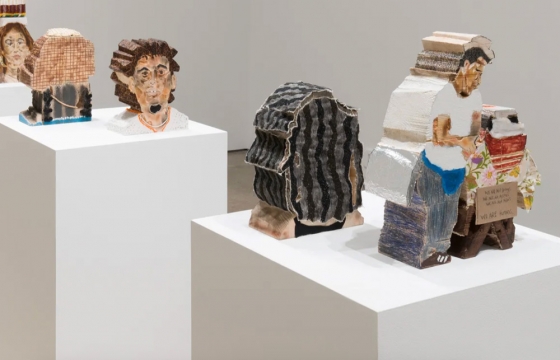
Salvadoran-American artist John Rivas expands his mixed-media practice into hand-carved wooden sculpture, exploring cultural identity, family labor, and personal memory through material resourcefulness and collaborative processes.
Arts
fromThe Art Newspaper - International art news and events
1 month agoArco Madrid's 45th edition benefits from influx of Latin Americans to the 'new Miami'
Arco Madrid's 45th edition features 206 galleries amid Spanish galleries' protest against Europe's highest 21% VAT on art, which undermines international competitiveness.
Arts
fromThe Art Newspaper - International art news and events
1 month agoThe many faces and identities Frida Kahlo are explored in exhibition catalogue
Frida Kahlo evolved from obscurity to global icon through posthumous appropriation by diverse movements that identified with her multifaceted persona and art across social, political, and commercial sectors.
Design
fromdesignboom | architecture & design magazine
2 months agoluca poian plans transit history museum in madrid with lightweight, inflatable facade
A translucent-ETFE-clad EMT Museum on the former Vicente Calderón site will celebrate Madrid's transit history with adaptable industrial-inspired spaces and civic-focused public programming.
fromThe Art Newspaper - International art news and events
1 month ago'We're the Tijuana of the tent': non-profit Ambos's stand at Frieze Los Angeles is relocated
We were supposed to be Frieze's special guests. And we feel like we're being censored, racially profiled and discriminated against. Having worked with the fair for five years, she says she will not continue beyond this weekend.
Arts


Arts
fromThe Art Newspaper - International art news and events
1 month agoIn Pictures: Sculpture gets a leg up at Frieze Los Angeles
Contemporary artists showcase innovative sculptural works at art fairs, blending traditional materials with conceptual themes and attracting significant collector interest.
Arts
fromThe Art Newspaper - International art news and events
1 month agoAt Frieze Los Angeles, Greg Ito's bright baggage carries hope
Greg Ito's installation at Frieze Los Angeles uses suitcases and trunks inspired by his family's Japanese American internment camp history to explore universal themes of displacement, uncertainty, and resilience.
Arts
fromThe Art Newspaper - International art news and events
1 month agoLondon's Delfina Foundation launch residencies for Latin American and Caribbean artists
Jorge and Darlene Pérez are funding four fully funded Delfina Foundation residencies in London prioritizing Latin American, Caribbean and related US diaspora artists.
fromJuxtapoz
1 month agoJuxtapoz Magazine - Oscar Murillo: "el pozo de agua" @ kurimanzutto, Mexico City
OSCAR MURILLO (b. 1986, La Paila, Colombia) has developed a multifaceted and challenging practice that spans painting, collaborative projects, video, sound and installation. Through each body of work, the artist probes ideas of collectivity and shared culture, demonstrating a commitment to the power of material presence alongside complex meditations on contemporary society. A focus on the social dimension that sits on the border between performance and events is also central to Murillo's practice.
Arts
fromColossal
2 months agoAbsurd Scenarios Stretch Across Paco Pomet's Uncanny Canvases
From figures with multiple legs and noodles for arms to frolicking trees, Paco Pomet summons the absurd. Known for his uncanny oil paintings rendered mostly in monochrome and enlivened by colorful details of overly stretchy limbs or celestial objects, a sense of nostalgia greets surreal scenarios. The artist often derives his imagery from vintage black-and-white photographs, adding an absurd dimension to history.
Arts
Arts
fromHi-Fructose Magazine - The New Contemporary Art Magazine
1 month agoIn Plain Site: Isaac Cordal Creates Tiny Worlds Which Mirror Our own - Hi-Fructose Magazine
Small sculpted businessmen embody social complacency and systemic contradictions, showing technological obsession, environmental neglect, and coerced conformity amid crisis.
fromColossal
2 months agoThrough Tender Paintings and Carvings, Hilda Palafox Revels in Care and Communion
In her manifesto, Borderlands/La Frontera, Anzaldúa presents what she calls a new mestiza consciousness, which advocates for ambiguity and moves "toward a more whole perspective, one that includes rather than excludes." Groundbreaking when it was published in 1987, this theory pushed queer, feminist, and cultural scholars to consider how identity is both fluid and informed by several overlapping factors. It also helped to lay the groundwork for branches of study like ecofeminism,
Arts
fromThe Art Newspaper - International art news and events
1 month agoAt Mexico City's Material and Salon Acme fairs, artists find hope in nature
"The new venue has allowed us to develop the experience of the fair-it lends itself to being more of a destination," Brett W. Schultz, the co-founder and director of Material, tells The Art Newspaper. The fair features over 70 exhibitors this year, with an especially strong contingent of Mexico City galleries that, like Material, have been around for a little over a decade.
Arts
fromAnOther
2 months agoArtist Sterling Ruby: "I'm Trying to Make Something Spiritual"
I first saw Stalker in the mid-1980s. I grew up in a very rural community, but I had a group of friends who all wanted something that we couldn't really get where we lived. With film, that was a possibility. I'm in my fifties now. I keep trying to figure out what I'm doing as an artist and how to keep going.
Arts
Arts
fromJuxtapoz
2 months agoJuxtapoz Magazine - Preview: Imon Boy's "Un poco distraido" @ Yusto / Giner Gallery, Madrid
Imon Boy's solo exhibition transforms diary-like, graffiti-rooted imagery into playful visual narratives blending street energy with gaming, internet culture, cinema, travel, humor and identity.
fromwww.theguardian.com
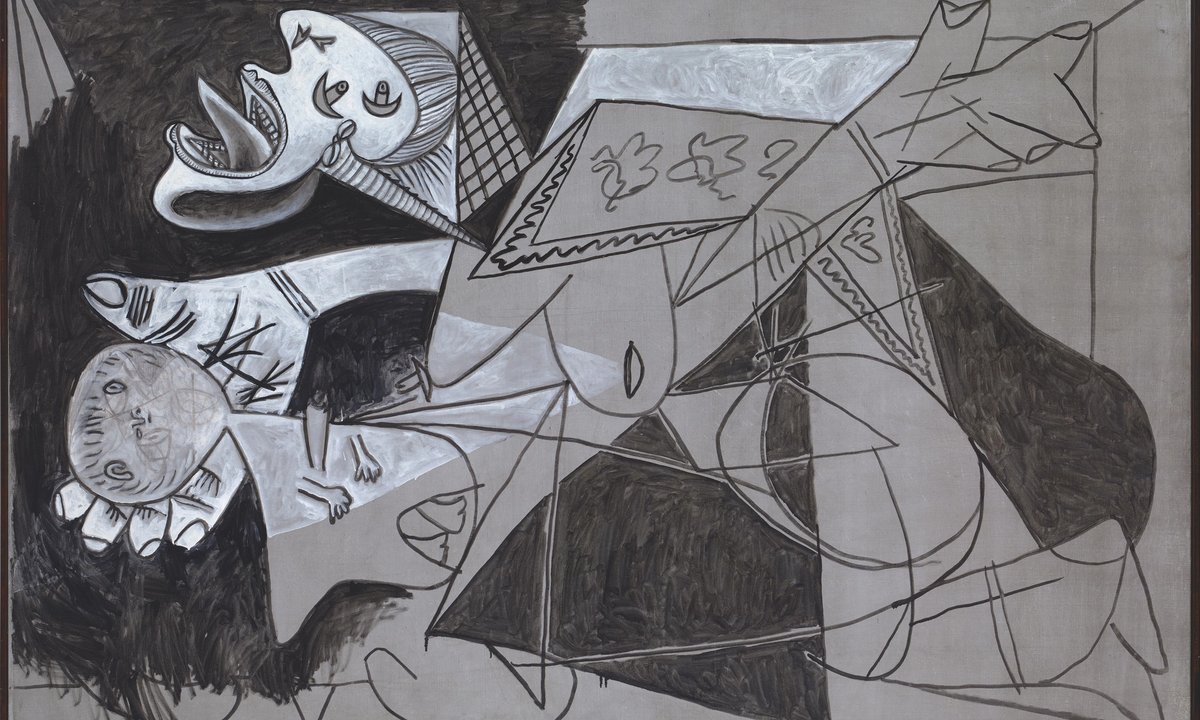
2 months agoMonkey Christ' is as good as a Picasso | Brief letters
I was intrigued by the similarity between two paintings recently featured in the Guardian: the Ecce Homo as restored by Cecilia Gimenez (Cecilia Gimenez, famed for Monkey Christ' mural mishap, dies at 94, 30 December) and Tete de Femme by Pablo Picasso (1m Picasso portrait up for grabs for 100 in charity raffle, 31 December). Perhaps Cecilia's work is in need of a reappraisal. Steve Shearsmith Beverley, East Yorkshire
Arts
fromdesignyoutrust.com
1 month agoDark Humor Decals For Everyday Absurdity: Amazing Acrylic Paintings by Javier Mayoral
Handcrafted Artful Embroideries of Everyday Products by Alicja Kozowska Well of Eternity: Stunning Sci-Fi Concept Artworks of Sung Choi Traveller's Joy The Key To The Countryside Beautiful Shell Adverts From The Mid-1950s These Animal Illustrations Accurately Express Our Monday Blues And Friday Feels Dark, Surreal And Moody Photo Works By Simon Kerola Artist Replaces Jurassic Park Dinosaurs With Those From The Show Dinosaurs "Deathmask Divine": The Superb Dark Paintings of Bahrull Marta
Arts
Arts
fromThe Art Newspaper - International art news and events
1 month agoMexico City's art scene gravitates to Santa Maria la Ribera neighbourhood
Santa María la Ribera has become a growing hub for contemporary Mexican artists, offering affordable studios, large Porfirian-era spaces, and new exhibition venues.
Arts
fromThe Art Newspaper - International art news and events
2 months agoMexico City's Zona Maco fair finds a 'balance between continuity and renewal'
Zona Maco anchors Mexico City Art Week 2026, showcasing over 220 galleries and introducing 40+ new exhibitors from Latin America, North America, Europe and Asia.
Arts
fromThe Art Newspaper - International art news and events
2 months agoDrawn to home: how landscape and locals inspired Alberto Giacometti
Alberto Giacometti balanced his Parisian avant-garde career with an enduring, distinct artistic practice rooted in his Swiss Alpine hometown, producing intimate family portraits and landscapes.
fromColossal
2 months agoRegina Silveira Pieces Together an Evolving Narrative of Latin America
Regina Silveira has spent the better part of three decades considering the relationship between media and meaning, particularly as it relates to Latin America. First presented in 1997, "To Be Continued..." features 100 black-and-white reproductions of photos, newspaper clippings, propaganda, advertisements, and more. Silveira nests each image into an oversized puzzle piece, which cuts off faces and scenes to leave fragments of pop culture icons, flora and fauna, and even the occasional mugshot spliced next to one another.
Arts
fromHyperallergic
1 month agoSpain's Cosmic Mother of Modernism
MADRID - The most famous portrait of Maruja Mallo depicts the artist covered from head to toe in seaweed. She is crowned and draped with long, rope-like strands of kelp, her arms raised triumphantly like an all-powerful marine goddess. This unconventional photograph, snapped in 1945 by the poet Pablo Neruda on a Chilean beach, was no doubt carefully orchestrated by the Spanish artist, who viewed herself as an extension of her unique work, where female energy is a conduit for natural and even cosmic forces.
Arts
[ Load more ]