Public health
fromwww.amny.com
1 day agoOp-Ed | Governor's Hochul's tobacco tax will reduce teen nicotine addiction | amNewYork
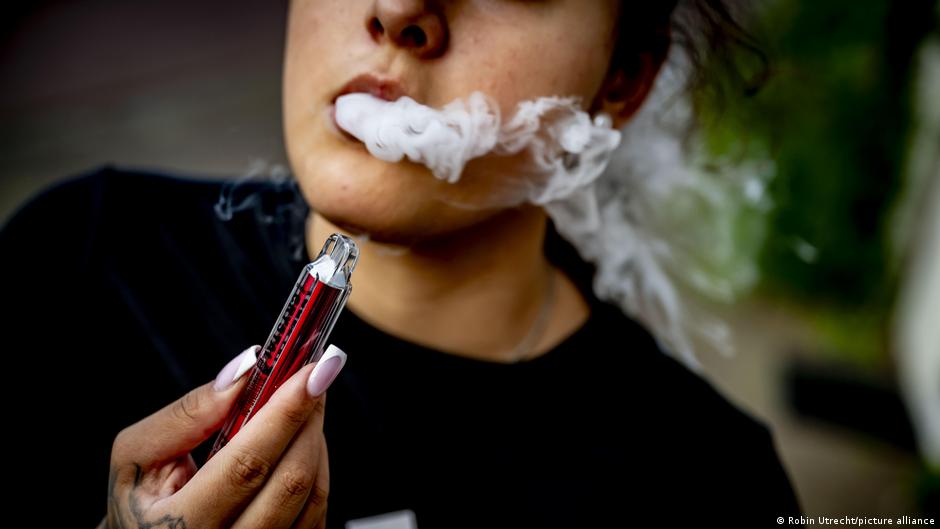
Governor Hochul's proposed tobacco tax aims to reduce teen vape use and protect youth from nicotine addiction.
Philip Morris had a strong 2025. Full-year revenue hit $40.6 billion, with the smoke-free segment accounting for close to $17 billion of that total. IQOS continues to dominate its category, holding roughly 76% of global heated tobacco unit volume share. ZYN shipped 794 million cans in the U.S. alone for the full year, growing 37%.
Fresh research from the Kansspelautoriteit (KSA) shows nearly a quarter of Dutch adults, 24%, believe people around them see gambling as normal behavior. Men were significantly more likely than women to share that view. The regulator surveyed 1,000 residents and found that when gambling comes up casually in conversations with friends or family, people are more likely to join in themselves.
The day I turned 16, I picked up two things - my driver's license and a $1.98 pack of Kool 100 Milds from a gas station I knew would sell to me. It was 1995, and I still remember the freedom and rebellion alive in my heart while my hair blew in the wind. From the window of her mom's LeBaron convertible, my friend and I flicked our cigarettes and seemingly our adolescent troubles with them.
Some experts have mischaracterized smoking fentanyl as "safer" than injecting, seeking to reduce risks among users. Narrowly considered, the statement is accurate, as inhalation avoids needle-sharing, reducing risks for HIV, hepatitis C, bacteremia, abscess formation, and infective endocarditis among users. However, there's no clinical-trial-level evidence (randomized trials with real patients) showing smoking illicit fentanyl is safer than injecting it. It isn't, and that conclusion is unsupported by toxicology, environmental exposure science, or emerging data.
A law banning the sale of tobacco to anyone born after 2009 could see smoking in young people drop below 5 per cent decades earlier than expected. The government plans to introduce the smoke-free generation" law as part of the Tobacco and Vapes Bill, which would progressively raise the age of sale so that anyone born in 2009 or later can never legally be sold tobacco, starting from 2027.
"Second-hand smoke increases the risk of heart disease and lung cancer and we want to protect children and the sick from harm," he said. "Prevention is better than cure, so this government is taking pressure off the NHS and building a healthier Britain where everyone lives well for longer."
The Food and Drug Administration is holding a public meeting Thursday to consider whether Philip Morris International can advertise its pouches as a less-harmful alternative for adults who currently smoke cigarettes. Government documents posted before the meeting suggest FDA regulators are leaning toward approving the company's request. But the meeting will give an outside panel of health experts a chance to weigh in and ask questions of both the company and the agency.
Smoking, being overweight, and exposure to ultraviolet radiation from the sun and sunbeds are the top preventable causes of cancer, experts have warned. Researchers from the World Health Organisation (WHO) and its International Agency for Research on Cancer (IARC) analysed 30 risk factors that cause cancer, such as smoking, drinking alcohol and air pollution. Using data from across 185 countries, they estimate that about 7.1 million of the 18.7 million new cancer cases diagnosed globally in 2022 were preventable.
The conventional approach to evaluating the impact of air pollution is to focus on a single exposure during a fixed period of time. But evidence suggests that contaminants work together, magnifying the damage to people's lungs. Conventional studies fail to probe synergistic effects. They also ignore the cumulative effects of lifelong exposures to pollutants, known as the exposome. Researchers need to shift away from single-pollutant studies and towards those involving a broad range of exposures.
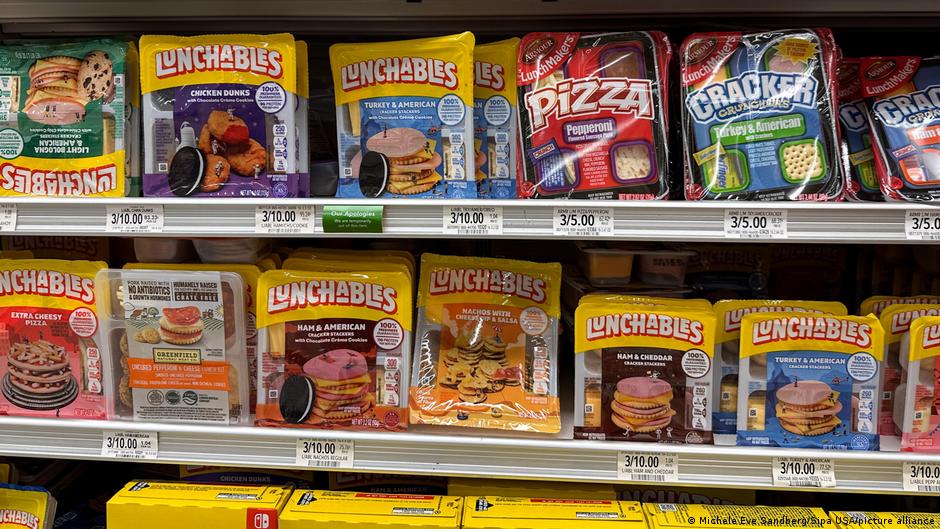
The UK-wide ban stops food and drinks high in fat, salt and sugar (HFSS) being advertised on TV before 21:00 and at any time online. It applies to products considered to be the biggest drivers of childhood obesity, including soft drinks, chocolates and sweets, pizzas and ice creams. The Food and Drink Federation (FDF) said it is committed to helping people eat healthily and has been voluntarily abiding by the new restrictions since October.
-(3).png?trim=0,150,0,150&width=1200&height=800&crop=1200:800)