#feature-rename
#feature-rename
[ follow ]
#software-development #claude-code #automation #ai #ai-agents #developer-productivity #devops #productivity #github





fromTheregister
1 week agoJunior disobeyed orders, tried untested feature during demo
Lydia noticed the machine's battery was running low and told two other team members. The more senior went to fetch the backup battery, while the junior team member suggested a quicker method that Lydia firmly rejected.
Gadgets
fromFast Company
2 weeks agoThe miracle of PowerToys, Microsoft's last great Windows app
What started in 2019 as a couple of utilities for things like window and shortcut management has gradually expanded to nearly 30 useful tools, including a keyboard shortcut creator, an image-to-text extractor, and a better search bar than the one that's built into Windows proper. PowerToys has become wildly popular among Windows power users, with more than 70 million downloads to date, but it's also completely free, with no ads, Office upsells, or ham-fisted Copilot integrations.
Productivity


fromRubyflow
2 weeks agoThe tool I wish I had 25 apps ago
Every iOS app I've shipped over the last nine years started the same way: a Rails developer with a great web app, users who want it in the App Store, and weeks spent on Xcode, signing certificates, and Swift boilerplate that has nothing to do with the actual product.



UX design
fromInfoWorld
3 weeks agoHow generative UI cut our development time from months to weeks
Use fine-tuned LLMs with predefined component libraries and layout patterns to dynamically generate adaptive user interfaces at runtime, eliminating months of manual design work for each use case variation.
fromTechzine Global
1 month agoGo developer questions effectiveness of Dependabot
Dependabot sounded the alarm on a large scale. Thousands of repositories automatically received pull requests and warnings, including a high vulnerability score and signals about possible compatibility issues. According to Valsorda, this shows that the tool mainly checks whether a dependency is present, without analyzing whether the vulnerable code is actually accessible within a project.
Information security



Software development
fromMedium
2 weeks agoFrom Concept to Production: The Complete Guide to XML Prompt Engineering for Software Developers
Treat LLMs as compilers, not chatbots, using Structured XML Prompting to generate professional-grade code through a five-stage AI-assisted development cycle with rigid constraints.
fromSitePoint Forums | Web Development & Design Community
2 months agoOptimal duration of a web tool beta testing
Hello, I am about to launch a website which offers an analytic tool which will enable traders in the financial market to analyze their performance. I will post on a few selected forums an offer of free full use of the tool. CHat GPT claims that a period of 30 days will be enough as by then users will be well familiarized with the system and a longer period will be unnecessary.
Growth hacking
fromDevOps.com
2 months agoThe Problem's Not Your Monitoring Tools, It's Your Workflow - DevOps.com
The real cost of poor observability isn't just downtime; it's lost trust, wasted engineering hours, and the strain of constant firefighting. But most teams are still working across fragmented monitoring tools, juggling endless alerts, dashboards, and escalation systems that barely talk to one another, which acts like chaos disguised as control. The result is alert storms without context, slow incident response times, and engineers burned out from reacting instead of improving.
DevOps
Software development
fromDevOps.com
4 weeks agoCan QA Reignite its Purpose in the Agentic Code Generation Era? - DevOps.com
AI now generates 41% of all code with 84% of developers adopting it, requiring deterministic execution, isolated environments, and convergent correctness signals for effective agentic QA.

fromdzone.com
1 month agoAgile's AI-Driven Paradigm Shift
"I've never felt this much behind as a programmer. The profession is being dramatically refactored as the bits contributed by the programmer are increasingly sparse and between. I have a sense that I could be 10X more powerful if I just properly string together what has become available over the last ~year and a failure to claim the boost feels decidedly like skill issue."
Artificial intelligence


fromdzone.com
2 months agoUX Research in Agile Product Dev: AI Workflows that Work
During my eight years working in agile product development, I have watched sprints move quickly while real understanding of user problems lagged. Backlogs fill with paraphrased feedback. Interview notes sit in shared folders collecting dust. Teams make decisions based on partial memories of what users actually said. Even when the code is clean, those habits slow delivery and make it harder to build software that genuinely helps people.
UX design

fromInfoQ
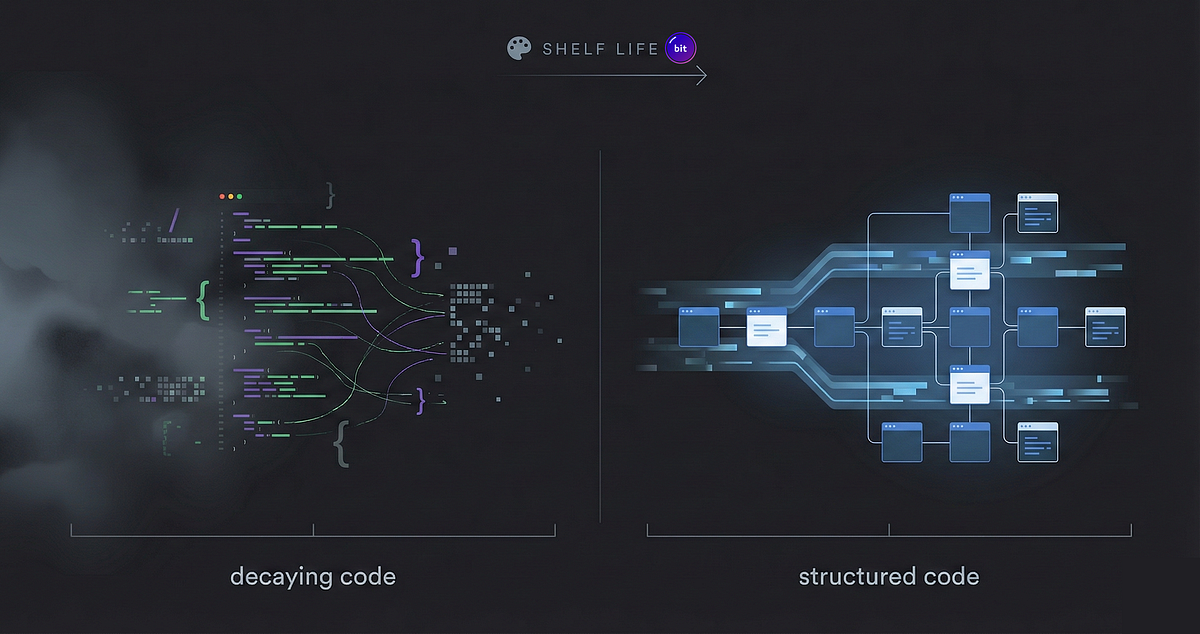
2 months agoRamp Builds Internal Coding Agent That Powers 30% of Engineering Pull Requests
Giving coding agents full access to all of Ramp's engineering tools is what makes Inspect truly innovative. Instead of only letting agents write basic code, Ramp's system runs in sandboxed virtual machines on Modal. It works seamlessly with databases, CI/CD pipelines, monitoring tools like Sentry and Datadog, feature flags, and communication platforms such as Slack and GitHub. Agents can write code and ensure it works by using the same testing and validation processes that engineers use every day.
Software development
fromInfoWorld
2 months agoWhich development platforms and tools should you learn now?
Software development used to be simpler, with fewer choices about which platforms and languages to learn. You were either a Java, .NET, or LAMP developer. You focused on AWS, Azure, or Google Cloud. Full-stack developers learned the intricacies of selected JavaScript frameworks, relational databases, and CI/CD tools. In the best of times, developers advanced their technology skills with their employer's funding and time to experiment. They attended conferences, took courses, and learned the low-code development platforms their employers invested in.
Software development



fromDevOps.com
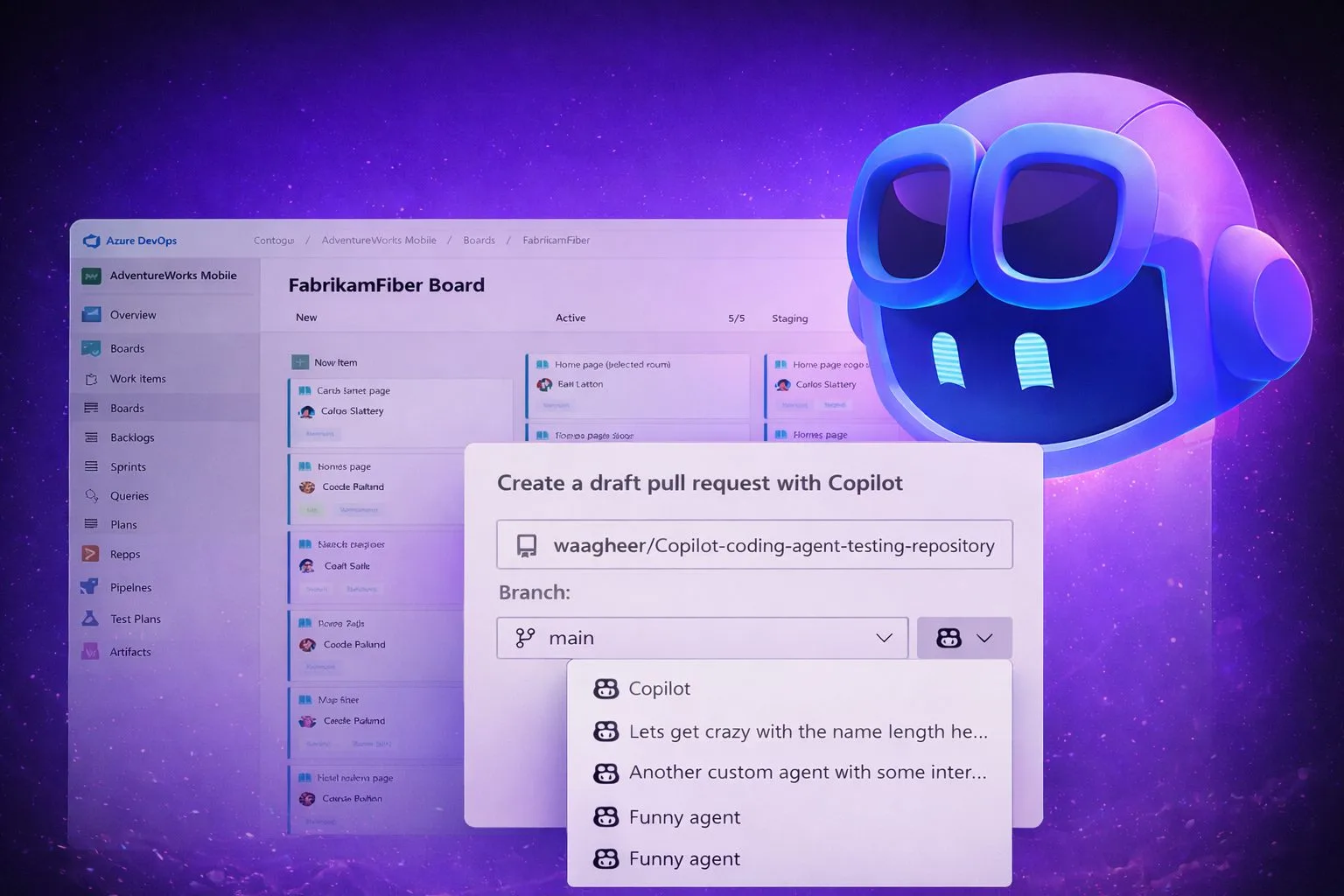
2 months agoBot-Driven Development: Redefining DevOps Workflow - DevOps.com
Industry professionals are realizing what's coming next, and it's well captured in a recent LinkedIn thread that says AI is moving on from being just a helper to a full-fledged co-developer - generating code, automating testing, managing whole workflows and even taking charge of every part of the CI/CD pipeline. Put simply, AI is transforming DevOps into a living ecosystem, one driven by close collaboration between human judgment and machine intelligence.
Software development
fromThe Verge
2 months agoI spent a year on Linux and forgot to miss Windows
The Ubuntu installer warned me that it would remove everything on my hard drive, permanently wiping the entire Windows 10 installation I'd been running for years at that point. I hesitated for a second - maybe I should just dual-boot? No, I'm going all in! Finally, I hit the button to install Linux. One year later, I still don't regret that choice. I even resurrected an old Windows 10 laptop by installing Linux on it.
Software development
[ Load more ]