UX design
fromMedium
4 hours agoThe invisible layer of UX most designers ignore
Designers must prioritize screen reader compatibility to ensure accessibility, as users rely on spoken content rather than visual elements.
The dynamic type hints feature in Module Federation 2.0 dramatically streamlines the development process by automatically generating and loading types from remote modules, eliminating the need for shared type packages.
Santa Cruz de Tenerife is one of the most idyllic cities in the Canary Islands. At its heart stands the jewel - the Auditorio. It's a place where talent from both worlds, New and Old, comes together. A theatre, opera, dance, and music heaven.
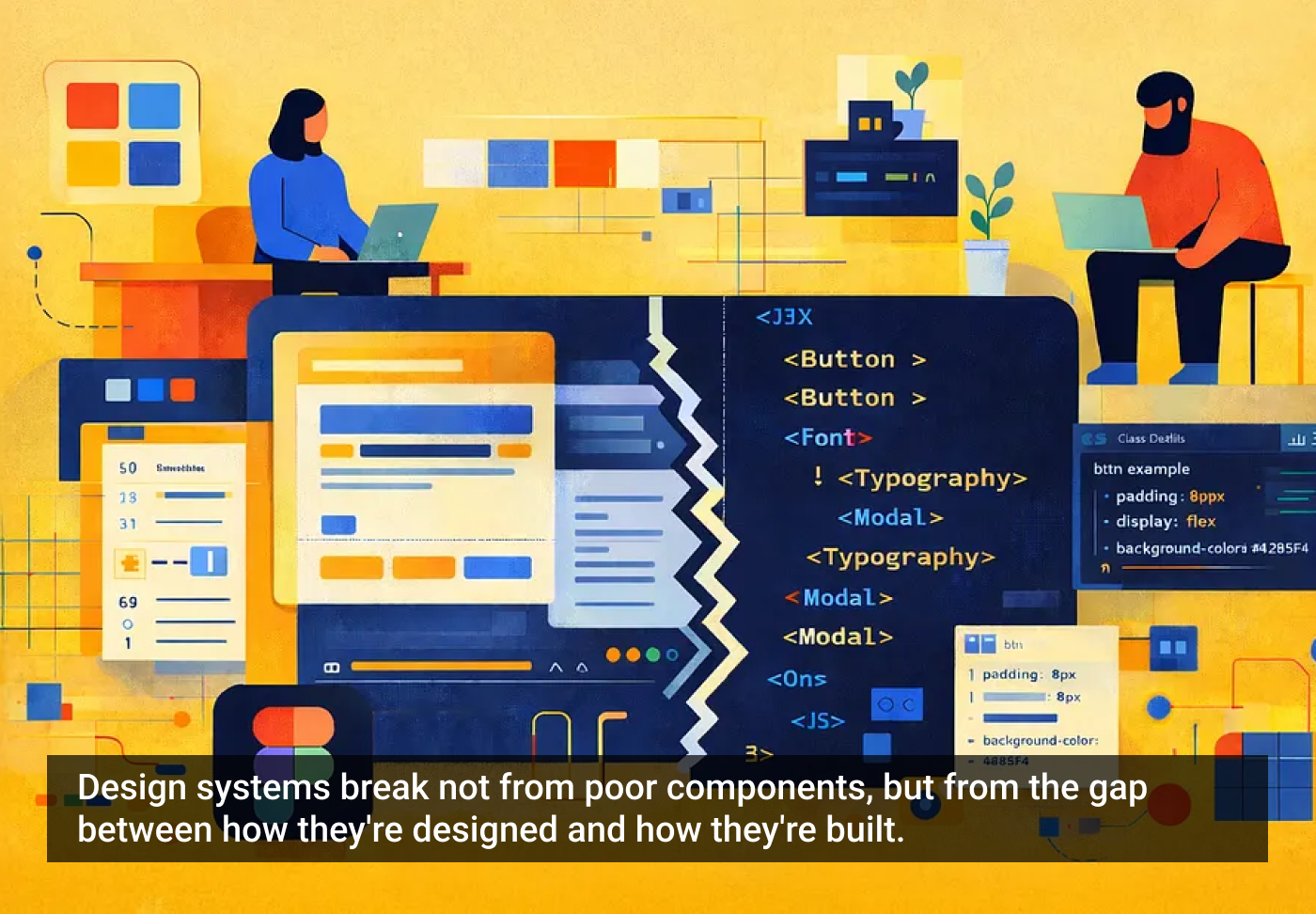
Design tokens are all your design decisions, that define a design system's aesthetic properties, everything from colors and font sizes to spacing units and border radii. They are the modern evolution of hard-coded values. They are stored in a central, platform-agnostic repository, establishing a single source of truth for your entire digital product suite. This central management allows teams to consume the exact same design values across all platforms (web, native apps, documentation).
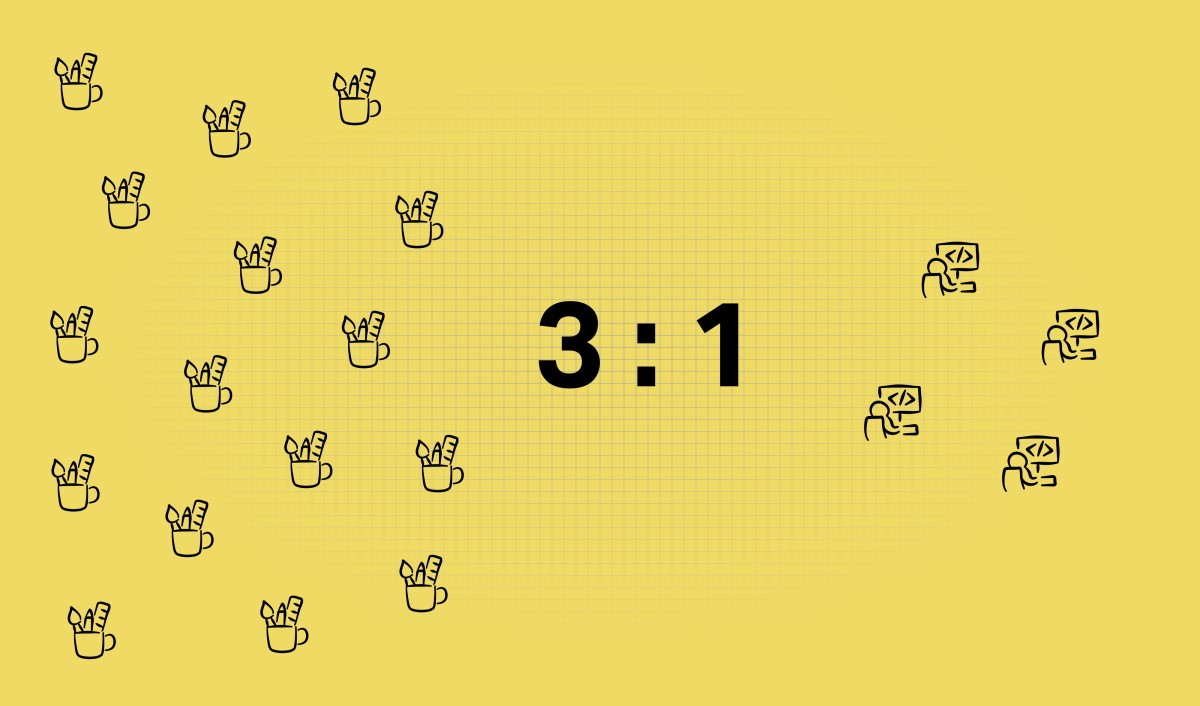
The federated model suggests that design system work can be distributed across multiple teams without a central authority. It sounds democratic. It sounds efficient. It sounds empowering. In practice, it creates an ownership vacuum. Who's responsible for defining the architecture of the design system? Who establishes and evolves the processes needed to scale? Who ensures quality and consistency? Who maintains the infrastructure on which the system depends? Who deals with the unknown challenges that will inevitably
In Andor, I got chills when Mon Mothma warns the senate of a chilling truth: When we let noise, conformity, or fear dominate, we lose sight of what matters. We risk allowing the loudest voices, often the safest, the most predictable, to drown out individuality, identity, and truth. To me, this line... This line echoes a growing tension I feel in content design.
Teams often use customer and user interchangeably until it breaks alignment. Here's how separating the two clarifies research, prioritization, and messaging across B2C, B2B, and B2B2C products.