Women
fromwww.theguardian.com
8 hours agoFemale athletes' fertility is still a blind spot | Letter
Changes to insurance for female athletes are positive, but fertility support remains a critical issue that needs addressing.
"Ironically, many if not most of these 'sustainability' projects remain disassociated from companies' core procurement strategies, meaning the coffee produced from these projects is not necessarily bought by the companies involved, or only in minimal quantities," the paper states. "And for the coffee that is purchased, prices do not factor into the project design, despite the fact that price is the single variable impacting farmer income that is in the direct control of companies."
For more than 60 years, contraception has been almost exclusively a women's responsibility. Today, women have more than 14 modern contraceptive options, while men have just two: condoms and vasectomies. That imbalance has pushed women to shoulder physical side effects, financial burden, medical risks, and the career impact of family planning-costs that have been accepted as the "status quo" for far too long.
This research-based design project by Laura Oliveira investigates discarded as a potential raw material for sustainable design applications. Human hair is produced continuously and in large quantities through everyday grooming practices, yet it is almost always treated as waste once separated from the body and typically disposed of in landfills. Despite its material properties, strength, flexibility, and durability as a keratin-based protein fiber, its remains uncommon within design and research contexts.
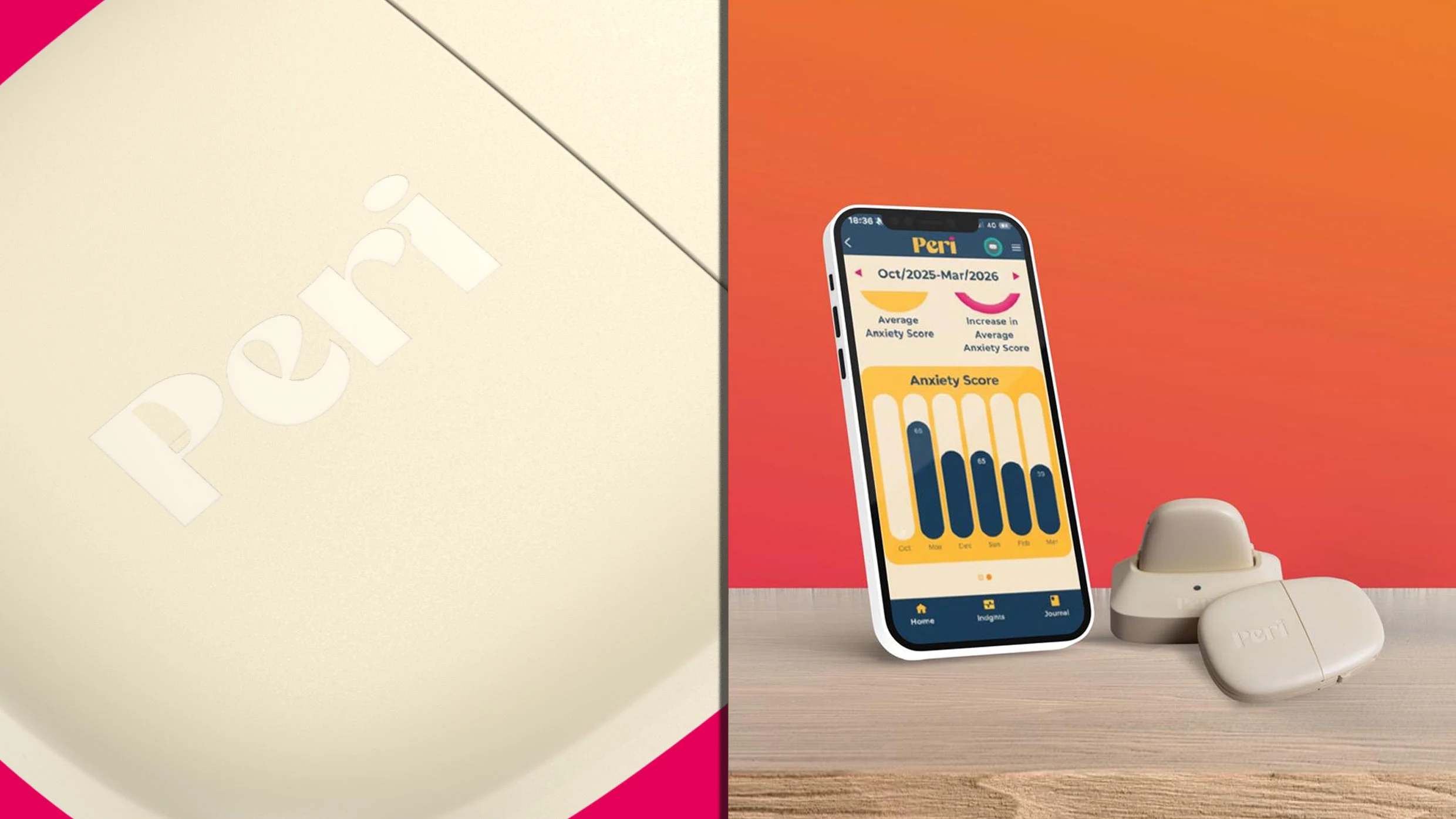
By attaching near the ear, the device targets the auricular branches of the trigeminal and vagus nerves to regulate menstrual cycle symptoms and help the body return to a rested state. These nerves play an important role throughout the menstrual cycle and release estrogen and progesterone, two essential sex hormones. They also target muscle contraction, blood flow, digestion, and more, a few body functions that change during a period, which explains the increase in cramps and tightening of blood vessels.
Natural Cycles, the company behind a controversial FDA-cleared birth control app, is replacing its thermometer with a wristband that measures skin temperature, heart rate, and movement during sleep. The newly-launched wristband costs $129.99 and syncs with the Natural Cycles app, which uses an algorithm to determine a person's "daily fertility status." Users can already track their fertility by pairing an Apple Watch or Oura Ring with Natural Cycles, but the wristband could be an option for users who don't have either of these devices handy.
According to research by the World Economic Forum and United Nations Development Programme, the circular economy could unlock $4.5 trillion in new global value by 2030, and investors are racing to capture part of that opportunity. Meet Elizabeth Blankenship-Singh, Director of Innovation at Overlay Capital, an Atlanta-based alternative investment firm whose Waste and Materials Fund is backing both early-stage materials innovators and later-stage recycling operations with established infrastructure.
Toilet paper, a product that is used for a few seconds before being disposed of forever, is typically made with trees, energy-intensive manufacturing processes and chemicals that can pollute the environment. Experts say more consumers are seeking toilet paper made from recycled content or sustainable materials, but it can be hard to know what to look for. Sustainable toilet paper often costs more, but can have significant environmental benefits.
Lisa Watson suffers the devastating effects of incontinence daily, and believes mid-urethral surgery, otherwise known as vaginal mesh surgery, could change everything. The surgery was paused in Ireland in 2018, and she is calling for the pause to be lifted By anyone's standards, Lisa Watson is a busy woman. During the week, the Wicklow-based mum of two is a credit union risk manager and at weekends she puts on her make-up artist hat.
During that time, I've had two long-term male partners, who shared similar issues. The first felt the IUD several times during sex. I had my doctor snip the strings shorter. This did not help. It still poked him, and he even bled once. My second long-term partner (and current husband) had the same issue. I got a new IUD and kept the strings long since they're supposed to "curl up." Didn't help.